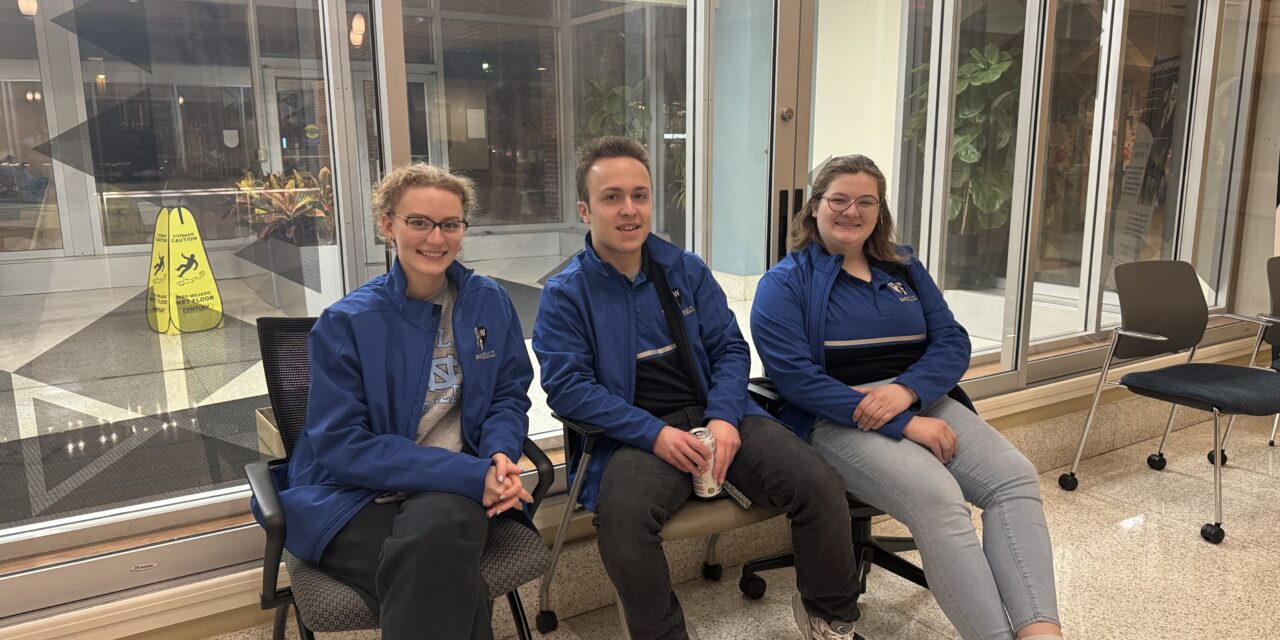
Last week, I scheduled a SafeWalk on UNC’s website to get from the Student Union to Franklin Street. It was 10pm on a Wednesday and the Chapel Hill campus was close to empty. Two Safewalk student employees, Lindsey Vaughan and Nick Chappell greeted me, wearing dark blue zip ups and pushing bikes.
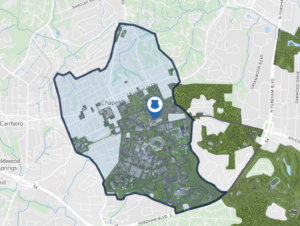
Planning for SafeWalk started in 2009, when there was general concern on campus for student safety following the 2008 murder of Student Body President Eve Carson. SafeWalk employees will accompany UNC students, postdocs, faculty, or staff members wherever they are headed next, within a 1.5 to 2-mile radius of Davis Library. Recently, SafeWalk expanded its hours of operation to start two hours earlier and now runs from 8pm to 2am.
Chappell is a graduate student at the Gillings School of Global Public Health and the manager of the program. He said SafeWalk is about more than just the physical safety that comes in numbers.
“I feel like we do a lot in terms of emotional support, a lot of people will come out of the library, frazzled from having studied for maybe six hours at a time and just need someone to rant to,” Chappell said. “We tell people all the time that we’re there for that too.”
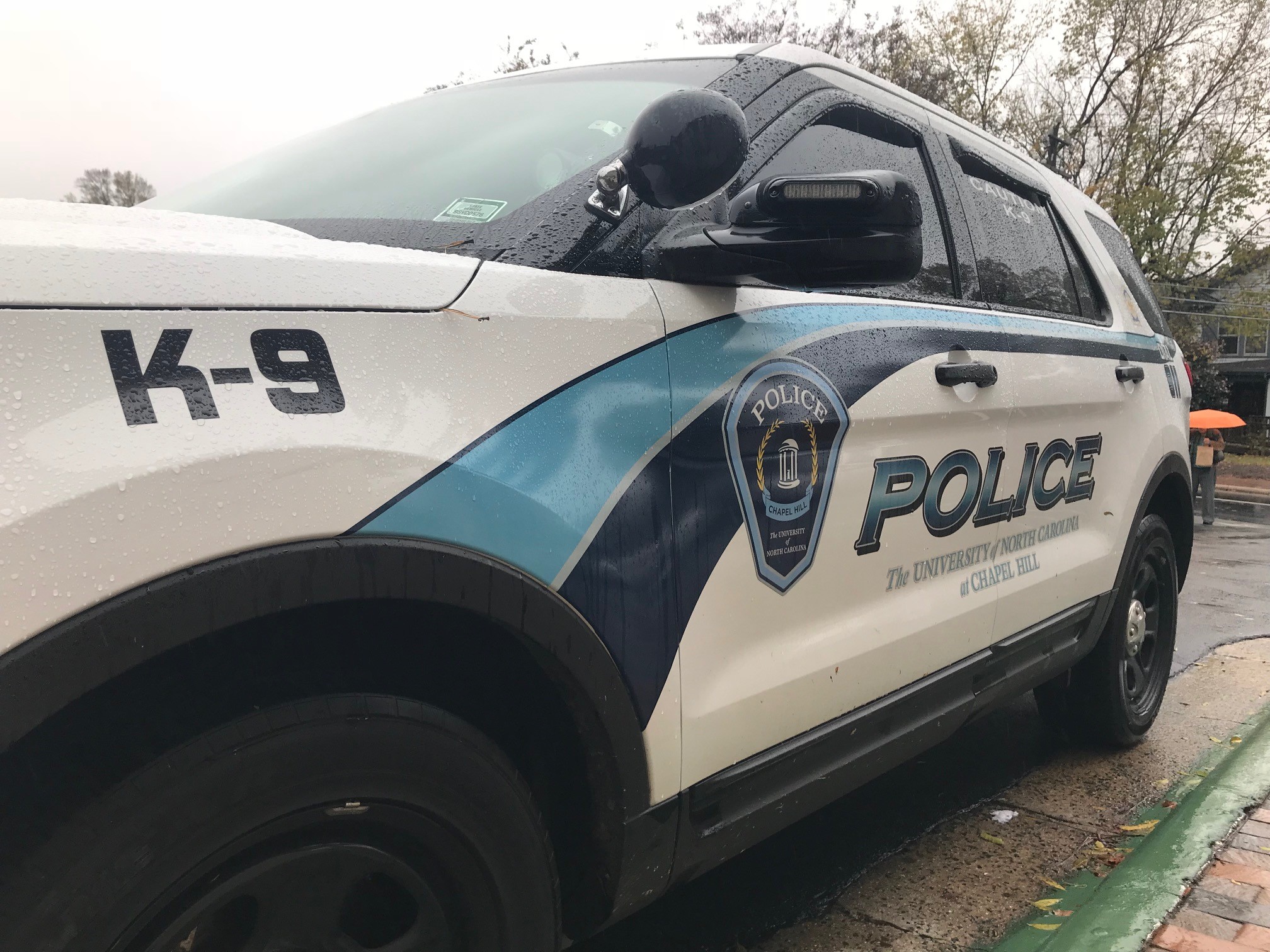
The program is sponsored by UNC and campus police. It is student-run and employees are paid through student fees. UNC Police Sergeant James David, who supervises SafeWalk, said he hopes the program is especially helpful for students who are new to the area or are coming from towns much different than Chapel Hill.
“The the sheer scale of UNC, I mean, this is a university that’s bigger than some of the towns that our students come from, and so it takes some time for folks to adapt. [The] more support systems you have in place, all the better,” David said.
Along with the bikes and branded polos, SafeWalk employees have handheld radios that are an instant line of communication with UNC Police and the 911 center.
Chappell said the program employs around 13 people, which allows them to operate with two teams of four who work Sunday through Thursday. He said, on a typical night – like when we were walking – SafeWalk can expect around 12 to 14 walks, which are made up of both regulars and new students.
“I don’t know, it felt like we had a reputation for being kinda creepy because a lot of people didn’t know we were paid, and at the time, we were only asking people that we thought would accept walks just because it can be a little awkward to get rejected constantly throughout the night as a worker,” Chappell said. “So you can understand maybe it’s easier to just go for people that you think would say yes.”
Chappell said the program looks a lot different now, compared to how it did when he first joined in 2018.
“Recently, and this is always what we should have been doing, I’ve been really big on making sure that we’re asking everybody because the service is for everyone,” he added.
Lindsey Vaughan is a sophomore and the director of marketing for SafeWalk. Along with building connections with the people who they help travel safely, she said the SafeWalk team has grown closer with each other.
“I really do like it. I mean, I knew [what] the job would be like physically, what I would have to do, just walking around and riding my bike a lot, but I wasn’t expecting to become really close with all the people that I work with,” she said.
As we neared the end of our walk, Chappell and Vaughan made sure there was nothing else I needed before we reached my final destination on Franklin Street.
Then, the pair of SafeWalk students circled back to their post at Davis Library to catch more students heading home after a late night study session.
Chapelboro.com does not charge subscription fees, and you can directly support our efforts in local journalism here. Want more of what you see on Chapelboro? Let us bring free local news and community information to you by signing up for our biweekly newsletter.