Holding Court: A Superstar in UNC Football’s Win vs. Duke, Greg Smith Becoming A Big Name
Halfway through the 2026 season, UNC safety Greg Smith III hold PFF’s #1 position grade. His play spells bigger things for him and the Heels.
Read More
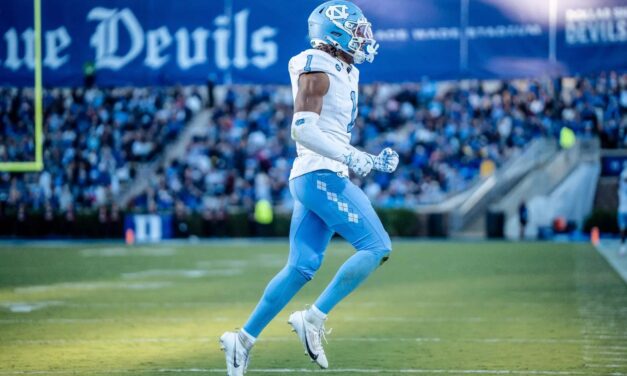
Halfway through the 2026 season, UNC safety Greg Smith III hold PFF’s #1 position grade. His play spells bigger things for him and the Heels.
Read More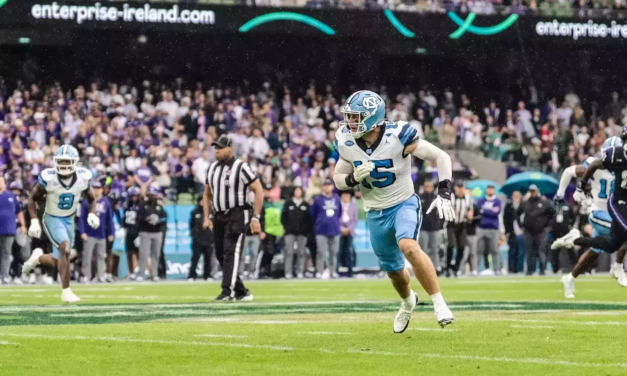
Bill Belichick’s second North Carolina football team is off to a solid 3-2 start largely for two reasons. The Tar Heels are playing high-quality defense, and they are successfully executing a low-mistakes, high-gridiron-IQ formula.
Read More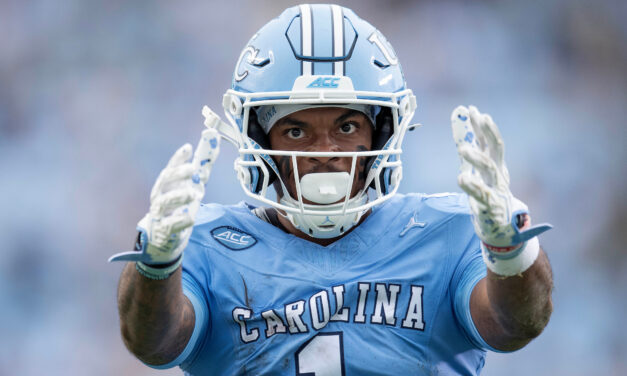
UNC wideout Jordan Shipp may be the best player at any in-state college program who also is a product of North Carolina’s high school ranks.
Read More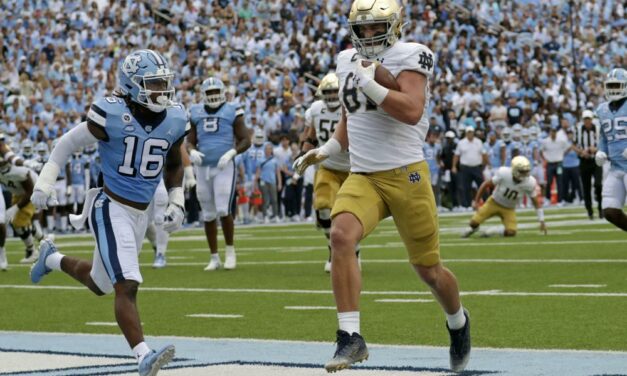
No frequent opponent, however, has dominated the Heels on the gridiron quite like Notre Dame has, going back nearly 80 years at this point.
Read More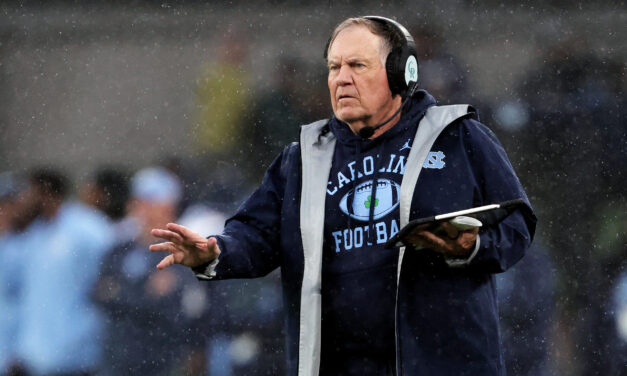
In Bill Belichick’s 24-year National Football League tenure with the New England Patriots, his win-loss records during his time with legendary quarterback Tom Brady and after the pair’s 2020 split represent an extraordinary dichotomy.
Read More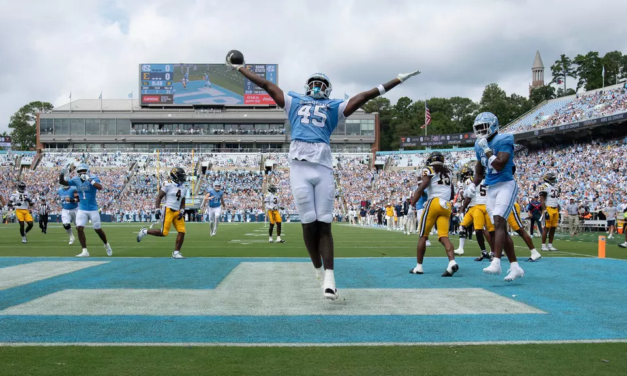
Now in his first year at North Carolina, Jelani Thurman not only has emerged as the Tar Heels’ starting tight end, he’s making national headlines for both his blocking skills and his pass-catching ability, and he might just turn out to be among the team’s top players.
Read More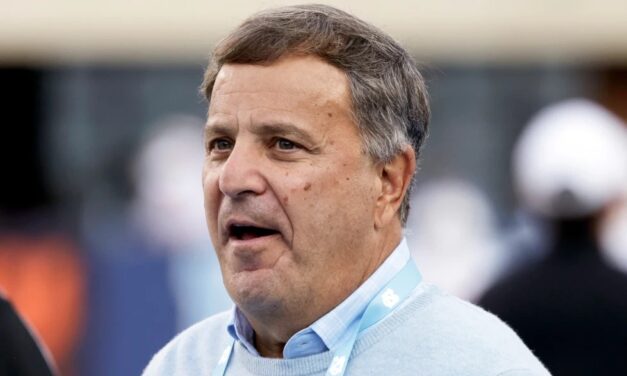
Here are three things to know about the recent resignation of UNC football coach Bill Belichick’s right-hand man, 67-year-old Michael Lombardi, who was the highest-paid general manager in college football, at $1.5 million dollars per year.
Read More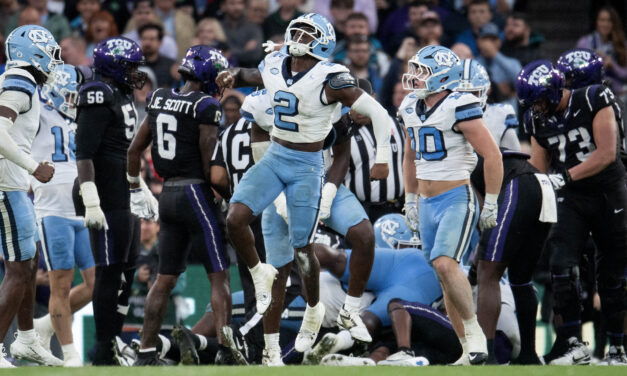
Heading into the team’s 2025 opener against TCU, Belichick and most of his staff had spent only about eight months around a large majority of their players, then had an incredibly short window to prepare the 20 transfers they added after the spring semester.
Read More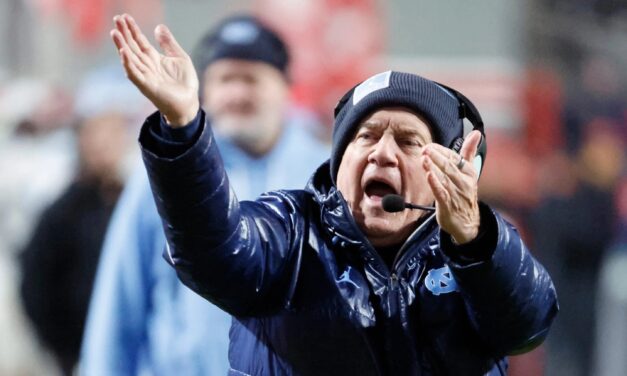
In the early 1990s, Stanford University hired a legendary National Football League head coach with three Super Bowl rings. That Bill Walsh experiment got off to a fantastic start — a 10-3 campaign and a top-10 national finish in 1992 — but Walsh retired at the end of the 1994 season, at 63 years old, after his next two Cardinal teams stumbled to 4-7 and 3-7-1 records.
Read More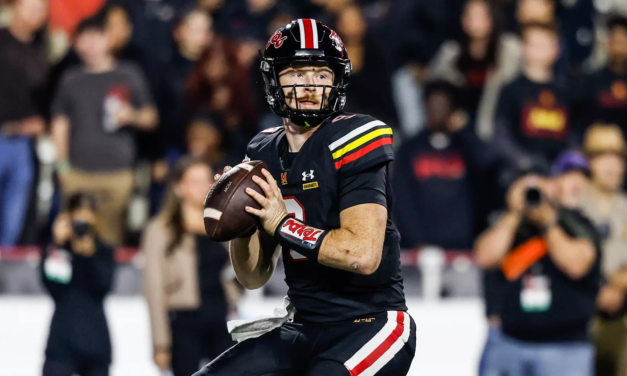
North Carolina football coach Bill Belichick may have tipped his hand on the Tar Heels’ 2026 starting quarterback choice earlier this year, when he summarized his basic philosophy on the position.
Read More