For many, June represents the beginning of the summer — but for local governments, it represents the end of the fiscal year when budgets must be finalized and approved.
The Orange County local governments are set to meet and pass updated budgets throughout the month, deciding the tax rates for residents and what projects are receiving funding priority. In a financial landscape still challenged by federal funding changes and uncertain economic stability, elected officials are weighing public comments and deliberating on paths forward for 2026-27. As those budget are approved, details will be shared below.
Here are the final totals for the budgets, the property tax rates for each community, highlights from the packages and comments from the elected leaders.
Orange County
Total budget: $327.06 million (6.87% increase from FY26’s $306.04 million)
Approved property tax rate: 68.05 cents per $100 of valuation (4.22 cents more compared to FY26)
Board of Commissioners Vote: 5-1 (Commissioner Jamezetta Bedford absent)
Notable details: The Board of Commissioners begrudgingly approved a property tax increase again this cycle after the property revaluation led to significant changes for residents last year. And the elected officials raised the rate even higher compared to the county manager’s initial proposal shared in May. But the board decided that instead of minimizing the tax rate – which Manager Travis Myren said was his top priority – it would have a targeted increase to grant the two public school districts more funding, since the initial proposal fell roughly $2 million short from their combined requests. The result is a 4.5% overall increase in per-pupil spending across both school districts, generated by a .47 cent tax increase. Commissioner Earl McKee voted against the budget package, citing the tax increase rising above four cents as the sticking point.
Despite those changes, the Orange County budget does not go out of its way for other spending increases. Myren’s office constructed the document to react to federal cuts of social service programs, like SNAP benefits, and a significant decrease in property tax revenue caused by loopholes used by rental properties that qualify as affordable housing. Additionally, the county’s debt service is increasing by $7.8 million in FY27 as a result of several ongoing capital projects.
Taking that into account, raises for county staff are below inflation level, the Orange County Visitors Bureau is seeing major funding reallocations, and support for the Chapel Hill Public Library is being phased out. While the board did not cancel the funding cuts for the Chapel Hill institution, it did approve a three-year unwinding of support instead of two years of diminishing funds. Ultimately, those changes and reductions across most county departments helped save $3.8 million to keep in the county’s general fund balance.
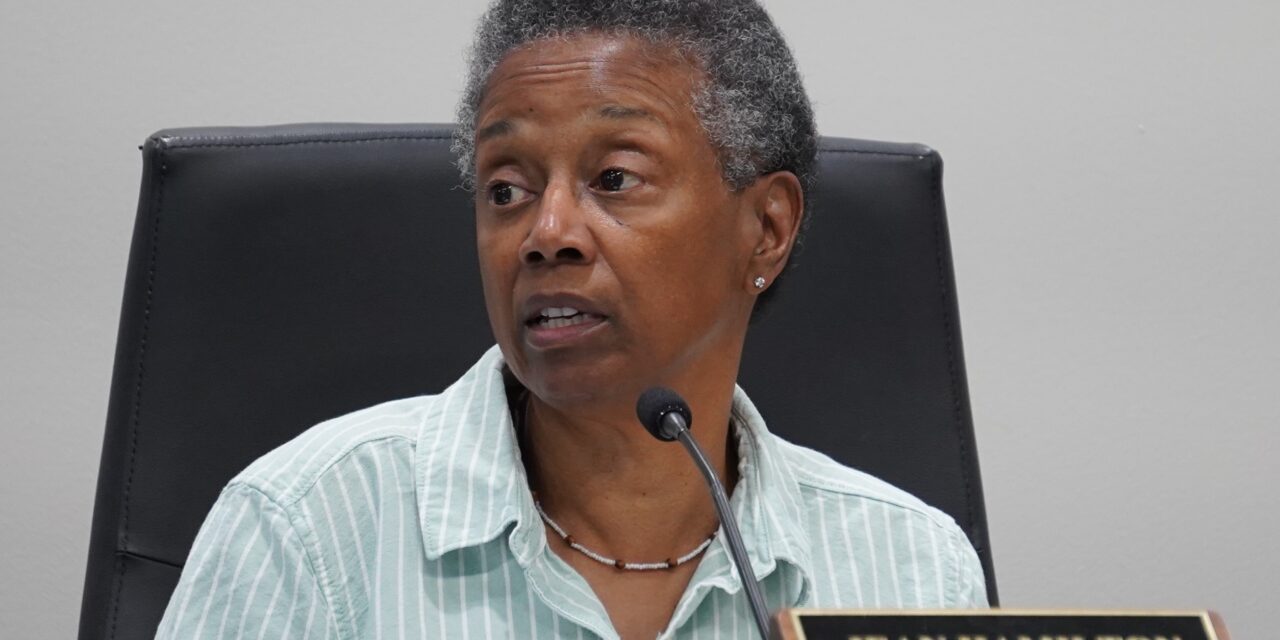
Board Chair Jean Hamilton’s Comments: “There are all these amendments reflecting the challenges of supporting the county services, and the changes, investments in people, and capital…but also trying to minimize the tax increase. There were amendments that reflected that, and commissioners had a chance to make choices given what we heard from the community. To me, we had a robust process.
“I agree that the county will need to find ways to work more effectively and efficiently without raising taxes. We know that there’s going to be a [state] constitutional amendment to limit the county’s ability to raise property taxes, and if that passes, that will constrain us. We may not be able to raise enough to provide the services that are needed and wanted in this community. People have to remember, most of our budget goes to people — the county services are people services, the schools are people. And if you want to recruit and retain them, then we’re increasing for that. We know there are certain positions that are hard to fill…if we want people to fill those positions so they can provide the services when we need them, we need to pay for that.”
Watch the full Orange County Board of Commissioners June 16 meeting here, and visit the town’s website for Fiscal Year 2026-27 budget details.
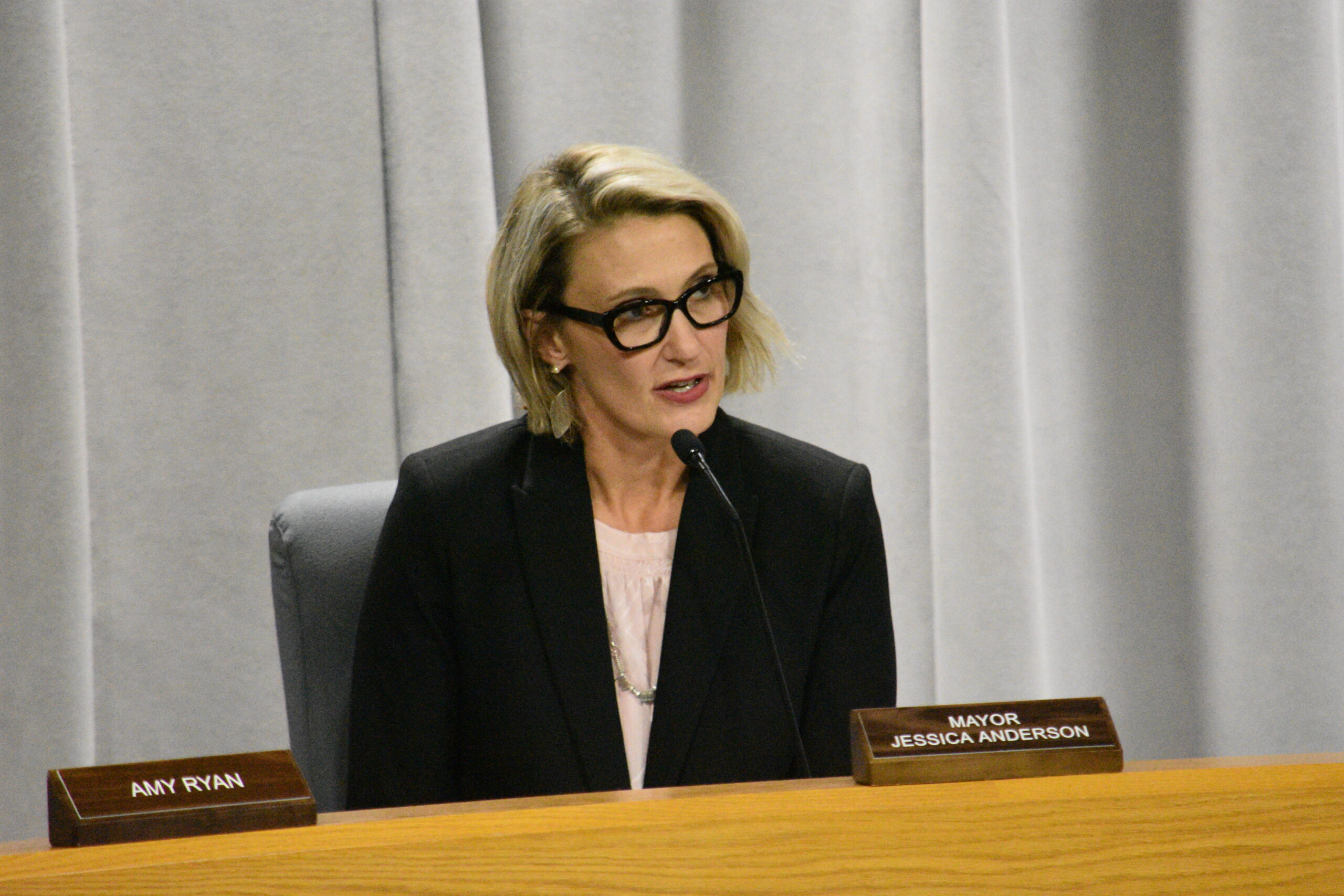
Photo by Brighton McConnell/Chapel Hill Media Group.
Chapel Hill
Total budget: $170 million (3.6% increase from FY26’s $164.1 million)
Approved property tax rate: 50 cents per $100 of valuation (unchanged from the FY26 rate, which had represented a 5.8-cent increase above the revenue-neutral rate following the 2025 property revaluation)
Town Council Vote: 8-0 (Council Member Elizabeth Sharp was absent)
Notable details: While Chapel Hill had a challenging budget cycle in 2025 that resulted in a tax increase and talks of future cuts to programs, this year’s budget cycle was more optimistic. Thanks to a 5% increase in sales tax revenue and another projected increase for the upcoming fiscal year, Town Manager Ted Voorhees’ first budget crafted in the role tackles several of the local government’s priorities — including investments into its staff, strategic council priorities and stability in core municipal services. The plan includes a 4% market-rate raise for town staff alongside a 11.5% increase in health insurance costs, and will fund three new positions.
One of those, however, may quickly be retracted. The most discussed element of Chapel Hill’s budget cycle is what to do with the Chapel Hill Public Library as the Orange County government appears poised to scale back its funding for the institution, citing the need for cuts and opening of the Drakeford Library Complex in Carrboro. The county had not yet approved its budget when Chapel Hill passed its own, but Voorhees told council members his staff plans to “not take any drastic measures” until the county’s plan was cemented and both the town and library leaders could figure out a plan to adjust to $200,000 losses each of the next three years. Some of the early contingency plans floated to offset those cuts include reduced hours of operation for the Chapel Hill library and charging non-Chapel Hill residents access fees for a library card.
Another recent issue during budget season has been the town council’s concern on reliance of using the local government’s fund balance to cover differences in expenditures and revenues. The plan approved on June 10 appropriates $500,000 to be used in FY27 from the fund balance — but Voorhees said he is confident from early estimates the town will not need to draw from those reserves. And while the town still has a plethora of capital needs, the budget adds $250,000 each for facilities maintenance, street projects, and vehicle replacements alongside $500,000 for fire department capital needs and $230,000 to implement the results of a fire department pay study.
Mayor Jess Anderson’s Comments: “There wasn’t really anything particularly hard to take. I agreed with the overall philosophy with the budget, I really appreciated our staff coming with something that didn’t raise taxes again after last year’s big tax increase. I think that was important. Overall, the hardest thing for me to take is, honestly, that we’re so unsure about funding coming from state and federal entities – particularly given that North Carolina is still the only state without a budget from last year.
“I’m really proud and happy that we are moving toward a much more sustainable overall strategy. We’re addressing deferred maintenance and other needs that cost more the longer you put them off. We’re also shifting to a system where we’re not relying on fund balance to fund major needs that we can anticipate. And I’m really excited that staff is going to come in the fall with a recommendation for kind of standing up our own greenway internal team that can start building quick-win, short connection greenways in town instead of having to contract out for all of those, which is quite expensive and takes a long time. So, I’m really excited about that and getting moving toward action on greenway development – which is such an important piece of our overall Complete Community vision, our affordability work, and getting people out of their cars.”
Watch the full Chapel Hill Town Council June 10 meeting here, and visit the town’s website for Fiscal Year 2026-27 budget details.
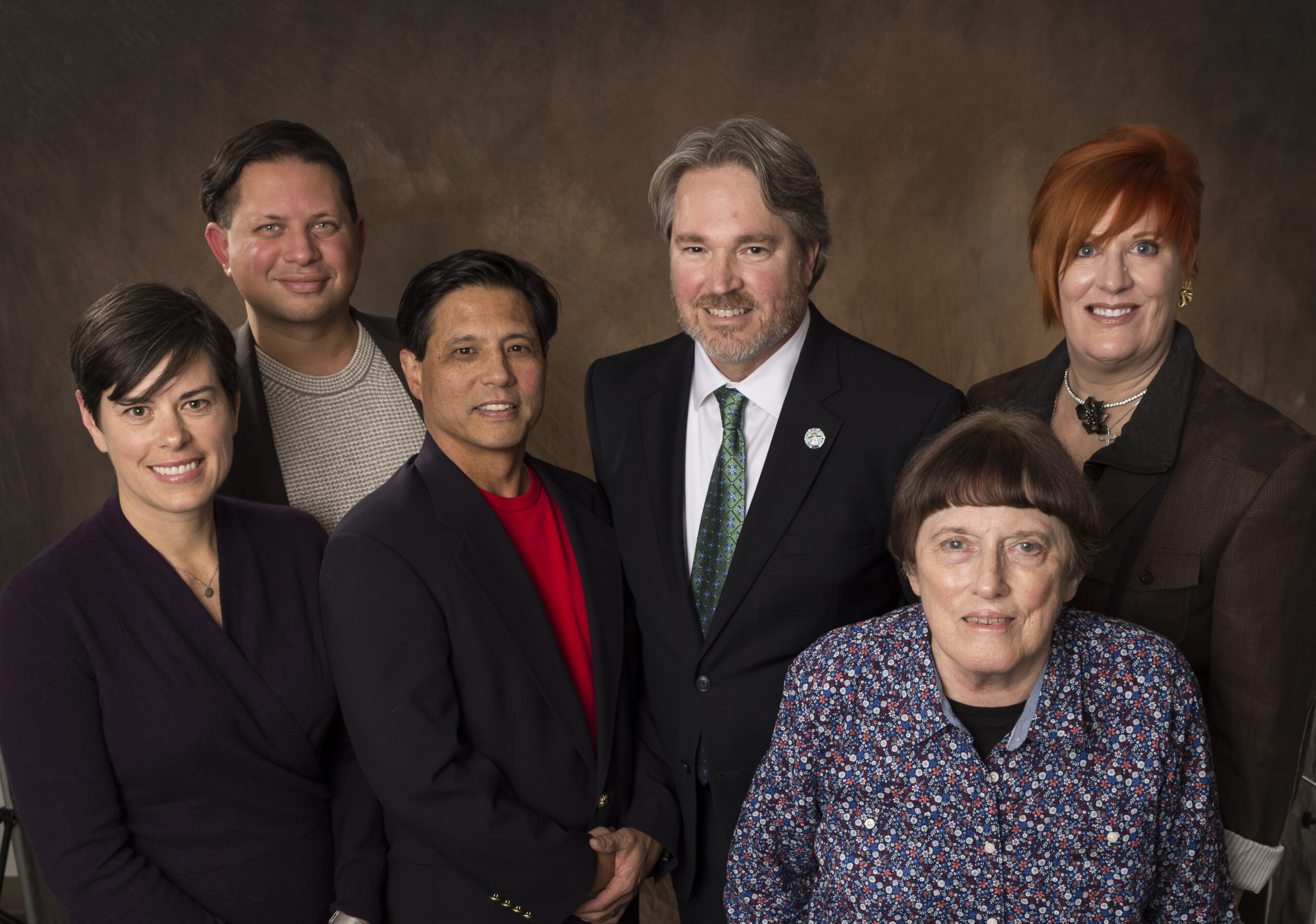
The 2026-2027 Hillsborough Board of Commissioners. (Photo via the Town of Hillsborough.)
Hillsborough
Total budget: $19.5 million (up 7% from the $18.2 million originally budgeted for FY26 – though recovery costs from Tropical Storm Chantal pushed actual expenditures for the year over $20 million)
Approved property tax rate: 51.3 cents per $100 of valuation (unchanged from the FY26 rate)
Board of Commissioners Vote: 3-0 (two board members absent, but supportive of the budget)
Notable details: Town manager Eric Peterson proposed a budget that avoided a tax increase by making various cuts and drawing money from the town’s existing fund balance. Hillsborough town commissioners pushed back at first: particularly after the recent experience of Tropical Storm Chantal, board members were concerned the tight budget would leave the town unable to financially handle another similar disaster. After debating a possible one- or two-cent tax increase, though, the town board eventually settled back on Peterson’s original proposal, drawing from the fund balance to hold the line on taxes this year. (Commissioners said they were especially motivated to avoid a tax hike after Orange County Commissioners approved a 4.22-cent countywide property tax increase.)
The downside: Hillsborough has a number of large capital projects coming in the next few years, so town officials are warning residents that a property tax increase is likely coming in fiscal year 2028 and possibly also 2029.
Mayor Mark Bell’s Comments: “Back in May, when the town manager presented his budget, it had a zero [percent] increase in property taxes for Hillsborough. We were noting things like despite revenues not covering expenses and using our fund balance to make up the difference, the overall fund balance in the proposed budget was over 70% for Fiscal Year 2027-28. But in Fiscal Year 2028-29, we were projecting a $2.5 million shortfall — which, to us, is a very big percentage — and that would take our fund balance down to 54%. That makes us nervous because we’ve had several instances recently where we had to dip into that savings to make up differences [in expenditures].
“At a meeting in May, some of the commissioners proposed increasing the Hillsborough share of the property tax 2 more cents [every] $100, and that would have raised about $480,000 for the general fund. But at [Tuesday] night’s meeting, the commissioners reversed course and, after seeing additional information about our future debt service, they decided that a proposed tax increase next year that is in line with the manager’s budget was not needed anymore. So, we reverted back to the manager’s proposed zero percent increase and using the existing fund balance to make up that difference.
“I felt that the fund balance was reasonable to get us by without having to increase property taxes. And I don’t think the town manager would have proposed that budget otherwise — so, I’m glad the budget was passed…but without any additional increases in property taxes.”
Watch the full Hillsborough Board of Commissioners June 8 meeting here, and visit the town’s website for Fiscal Year 2026-27 budget details.
(Photo via Brighton McConnell/Chapel Hill Media Group.)
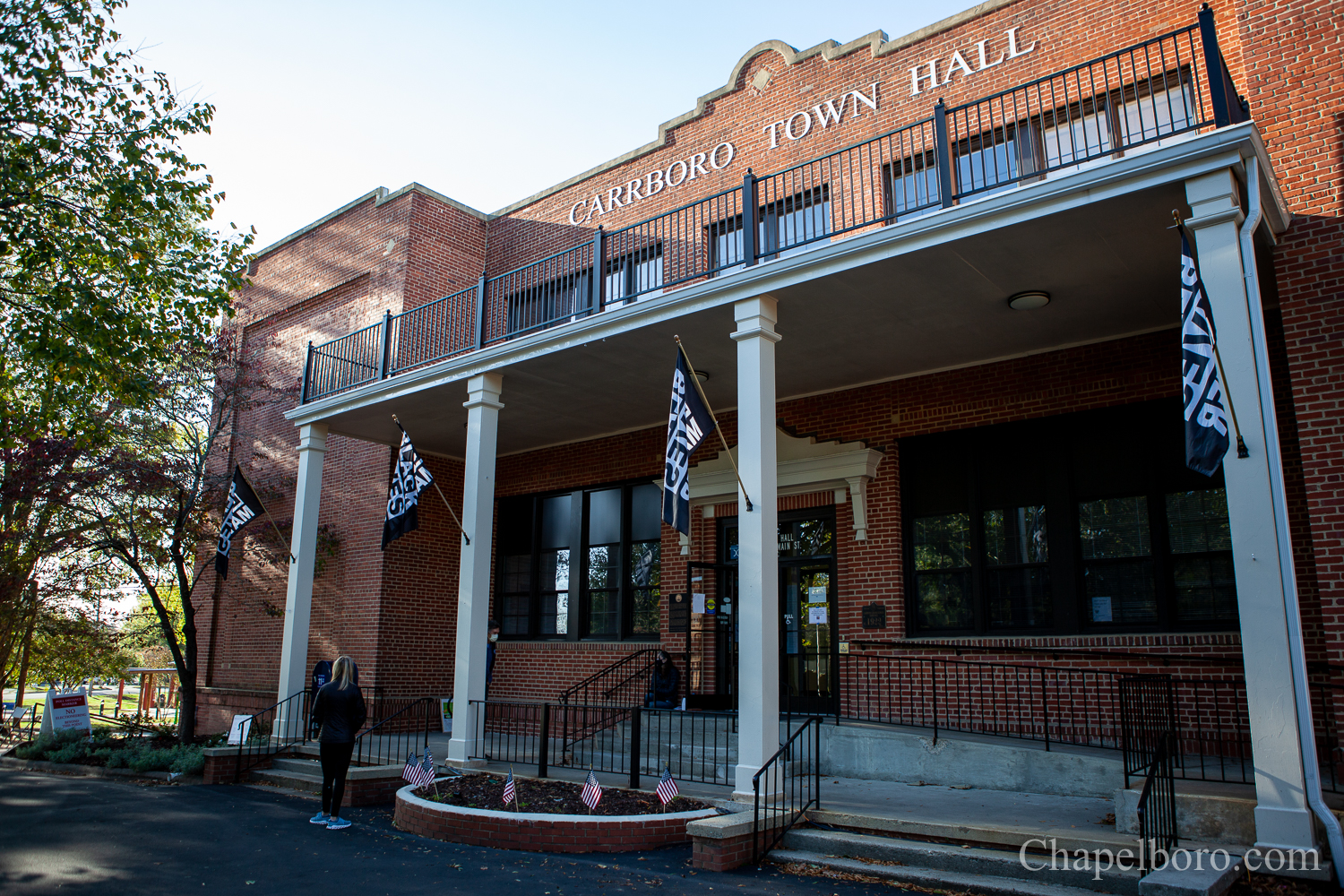
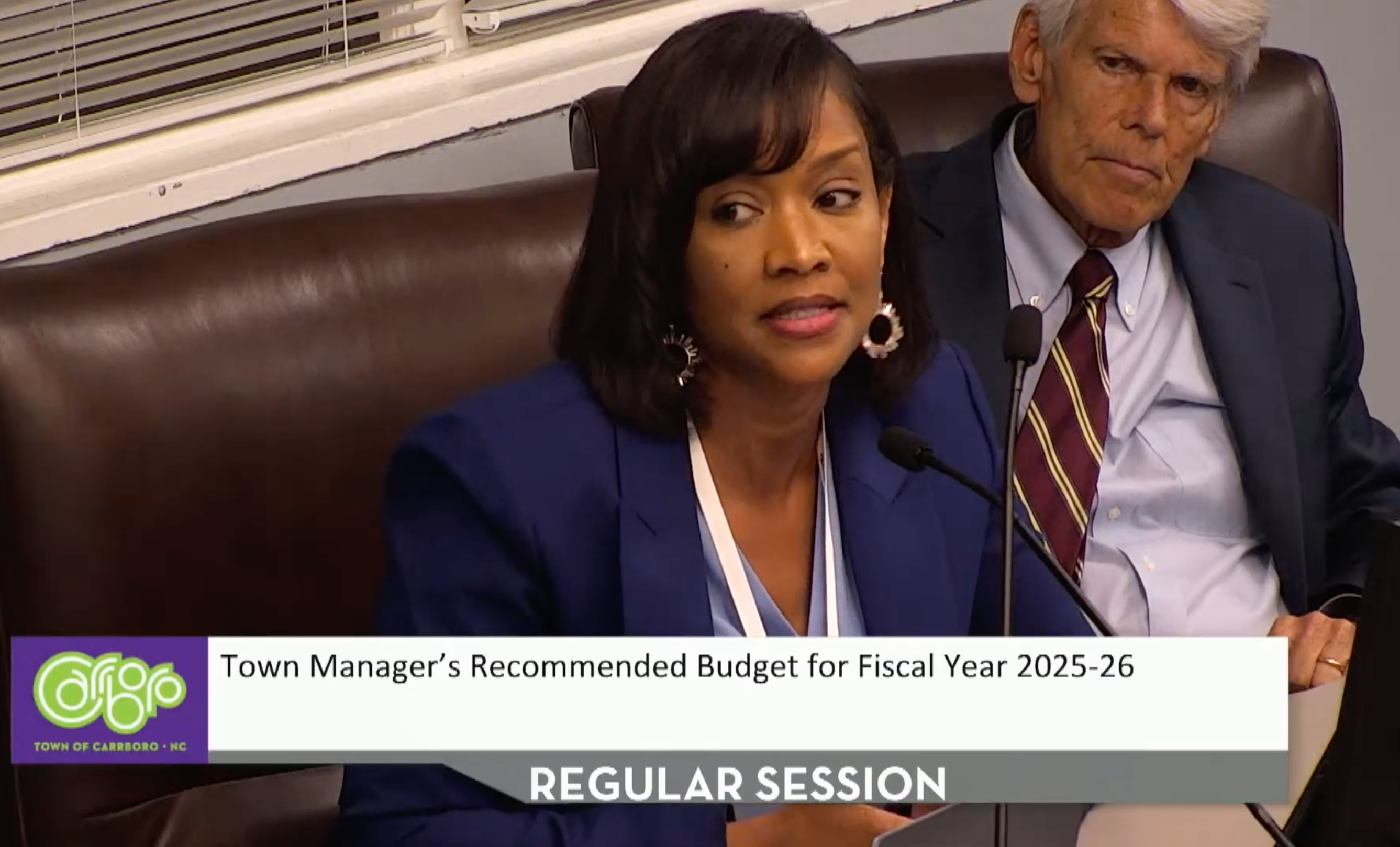
Carrboro
Total budget: $44.8 million (28% decrease from FY26’s $62.5 million)
Approved property tax rate: 56.53 cents per $100 of valuation (unchanged from the FY26 rate, which had represented a 9.72-cent increase above the revenue-neutral rate following the 2025 property revaluation)
Town Council Vote: 7-0
Notable details: After the town staff proposed a budget that would cut 45% of allocations to the town’s Human Services efforts — which largely go toward supporting the Inter-Faith Council and the Orange County Partnership to End Homelessness — council members debated through the spring on whether to sign off on the cuts or use the government’s fund balance to provide support. Ultimately, on June 2, the council took the $197,000 necessary to meet last fiscal year’s funding allocation for the nonprofits from the fund balance. Council Members Cristóbal Palmer and Danny Nowell, who made the amendment to add back the funding, both argued that while relying on the fund balance is not a best practice, the town’s lack of fund balance use in FY26 puts it in a relatively comfortable position to make the allocation. Other council members, like Eliazar Posada-Orozco and Catherine Fray, shared their reservations of continuing to rely on the fund balance to cover annual expenditures — but everyone decided to vote in favor of the budget because of the rest of its components.
Those other components included investments into recovering from Tropical Storm Chantal, like purchasing 20 new vehicles for its public works fleet and commissioning a new design for the damaged Public Works building. Another big-ticket item is funding to advance planning efforts for Stages 3 and 4 of the Bolin Creek Greenway extension. Some community members pushed back against the idea during the June 2 public comment period, saying spending $500,000 on a crossing study should not be a priority — while council members pushed back and said the paving and extension of the greenway is crucial to both Carrboro’s long-term sustainability goals and transit plan.
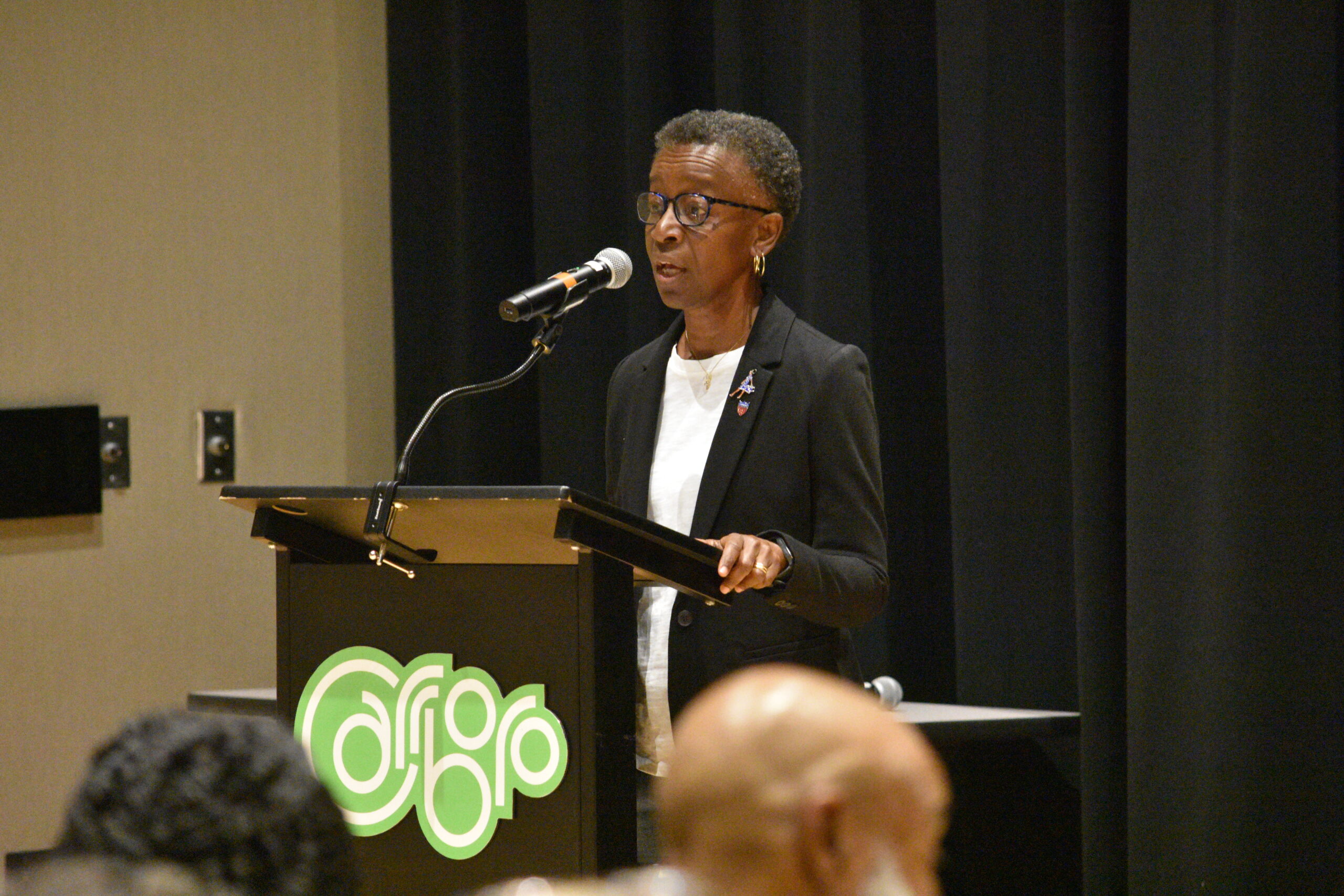
Mayor Barbara Foushee’s Comments: “I feel really good about the budget. There’s no property tax increase for the community to be concerned about. The council did decide that it was okay to fill that gap we were having with funding fully our nonprofits through our Human Services process… But in the end, everyone was okay filling that gap from our rainy day fund, our fund balance. Me, personally, I was always okay with that. Some of my other colleagues were talking about a small property tax increase to help fill the gap, and believe me, I get it — and had not been this year, right after such a large property tax increase last year right alongside the county’s revaluation, I would’ve been on board. But I just did not feel comfortable coming back to our community members with another property tax increase.”
Watch the full Carrboro Town Council June 2 meeting here, and visit the town’s website for Fiscal Year 2026-27 budget details.
Featured photo via Elena Pace.
Chapelboro.com does not charge subscription fees, and you can directly support our efforts in local journalism here. Want more of what you see on Chapelboro? Let us bring free local news and community information to you by signing up for our newsletter.