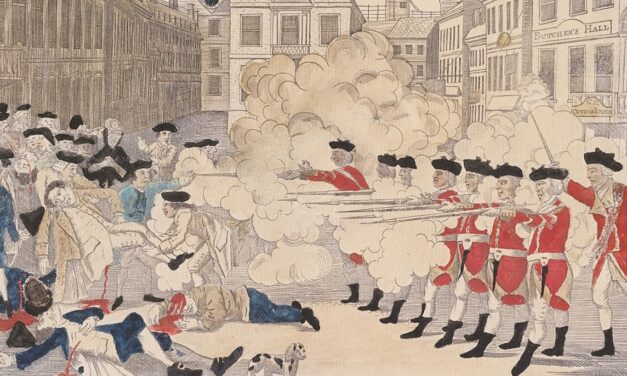

Americans have begun celebrating the 250th anniversary of the revolutionary war that freed our nation from Britain’s monarchy and eighteenth-century empire.
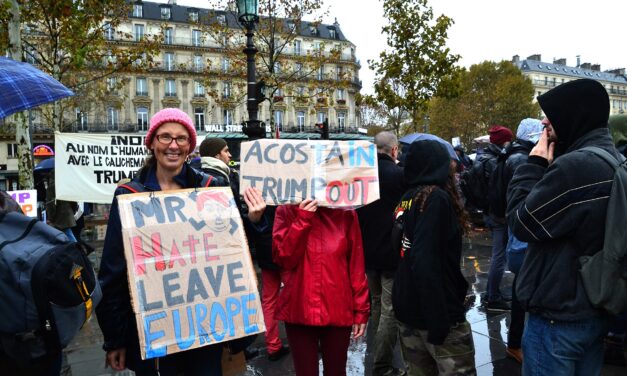
Dismissing carefully developed expertise as a threat to national values, the authoritarian assaults on long-serving experts in military affairs, government agencies, environmental management, judicial systems, immigrant rights, historical museums, public education, and medical research profoundly endanger the expanding knowledge and transnational exchanges that have shaped America’s global influence over the last 80 years.
The recent actions of authoritarian regimes and the dehumanizing violence of current global conflicts evoke haunting historical memories of anti-democratic violence and warfare in the 1930s and 1940s.
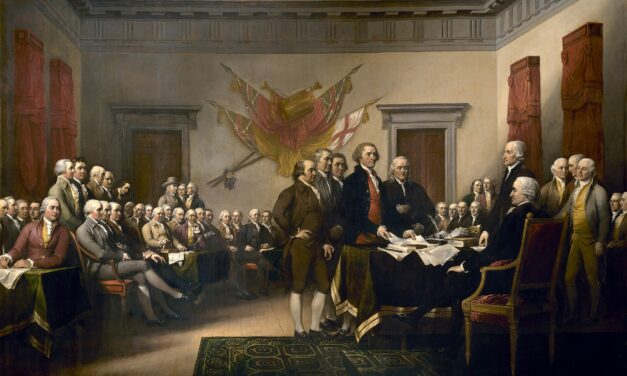
The most important civic descriptions of American identity affirm the beliefs in human equality and democratic self-government that shaped the Declaration of Independence and Abraham Lincoln’s Gettysburg Address.
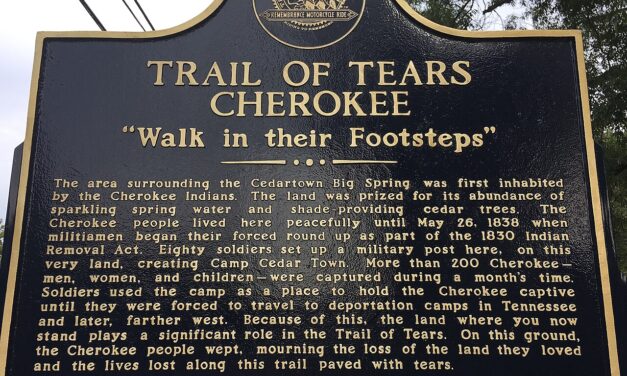
Current government campaigns to deport immigrants, expel foreign students, defund scientific funding, and dismantle all programs for Diversity, Equity, and Inclusion (DEI) have become the most far-reaching crackdown on targeted populations and ideas in modern American history.
The Board of Governors (BOG) that oversees the University of North Carolina’s sixteen constituent institutions has created a new graduation requirement for students who enroll at UNC-system universities this fall.
Some of Trumpism’s most notable recent actions confirm what historians have long asserted: historical knowledge matters because historical beliefs and historical forgetting always influence the exercise of state power and the meaning of national identities.
Autocratic governments consolidate their power by flooding the societies they control with lies and propaganda. Anyone who questions the lies can feel isolated, powerless, and uncertain, but uncertainty helps to sustain authoritarian systems.
Famous foreigners have often attracted large American crowds, but neither the Beetles nor the Rolling Stones nor Winston Churchill could ever match the popular response that Lafayette elicited from the vast throngs who welcomed him to each of America’s 24 states between August 1824 and September 1825.
Americans disagree about all kinds of ideas and public policies, but almost everyone seems to agree on the value of personal and political freedom. Descriptions of freedom are forever diverging, however, because people define freedom from different social positions and with different historical perspectives.