Refugium: See It, Pull It, Bag It, Toss It
Director of the Cullowhee Native Plant Conference Geoffrey Neal opines on false hawksbeard and shares tips for its responsible removal.
Read More
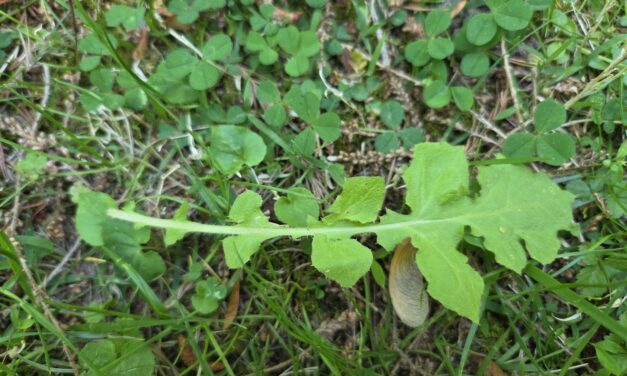
Director of the Cullowhee Native Plant Conference Geoffrey Neal opines on false hawksbeard and shares tips for its responsible removal.
Read More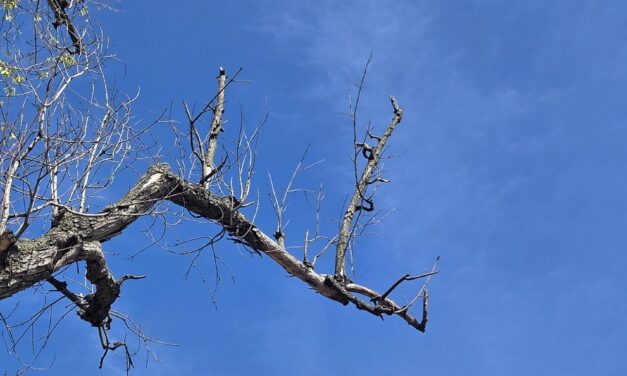
Street trees lead a rough existence. Previous columns have seen a partial inventory of the trees along Franklin St in Chapel Hill, with some commentary on their suitability and/or condition.
Read More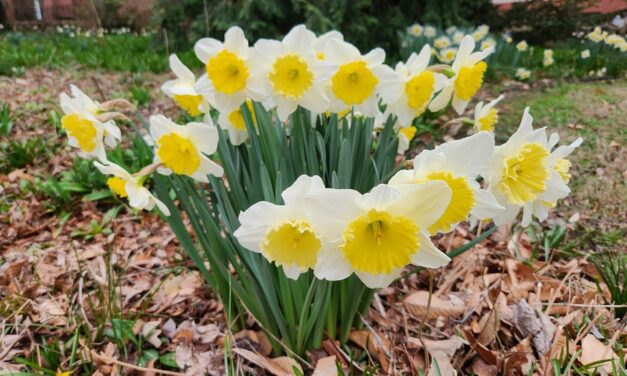
If you’re reading this and you’re not out in a garden enjoying daffodils, then well, I don’t know what to tell you. The chill that rimes the morning, the donning and shedding of layers to keep pace with prevernal energy flows, the anticipation and outright joy that follows the time change and we get our hour back and we’re not driving home in the dark.
Read More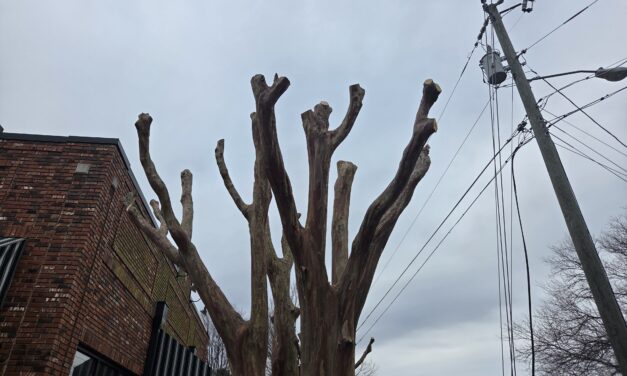
Certified arborist Geoffrey Neal takes on the harmful (and hideous) practice of topping off crepe myrtles in an interstitial edition of “Refugium.”
Read More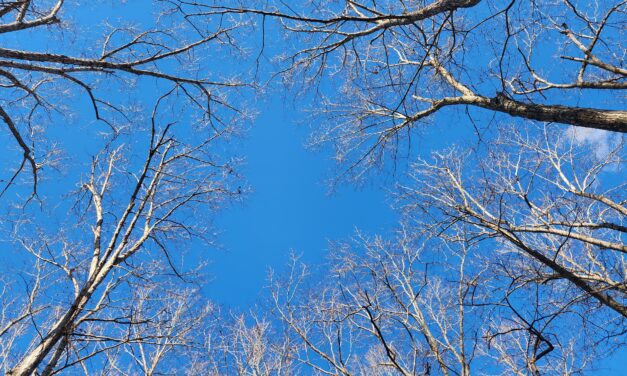
As I’ve noted more than once, being able to name the plants around you is kind of a superpower. At the very least, it allows one to enjoy a deeper level of kinship with the other living things that share one’s living space.
Read More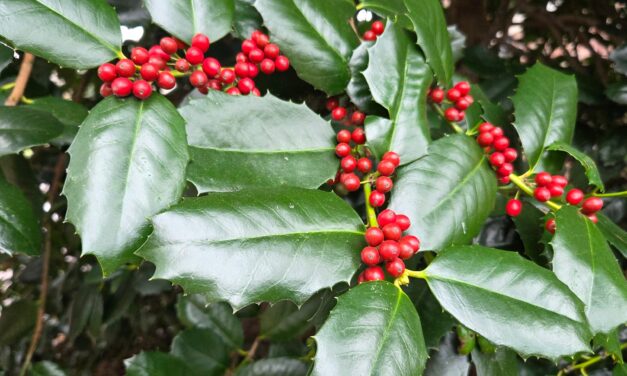
I love a good holly tree. Especially as the woods around me begin to senesce and undress (as is their autumnal wont), I find some comfort in the echo of summer that the splashes of green convey.
Read More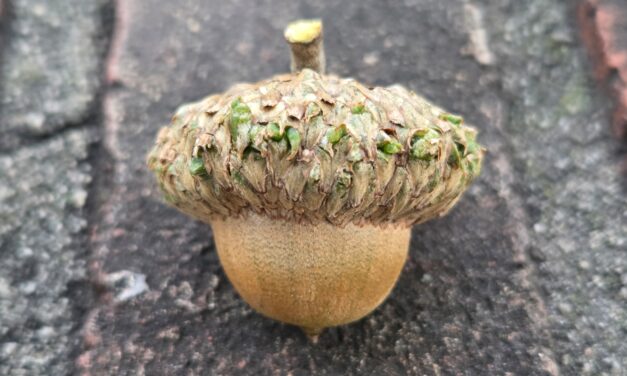
This is the fourth in a series on Downtown Chapel Hill trees, each a guided stroll around some of the most storied and stunning residents of our community.
Read More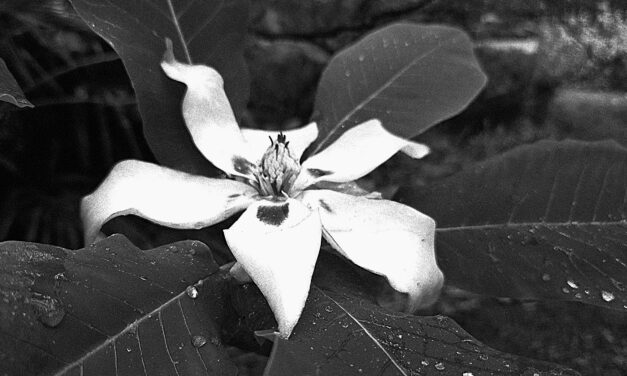
I’m a plant person now, and have been giving tours of the Coker Arboretum for a while and have even led a campus walk in winter once or twice, continuing in the steps taken by William Lanier Hunt and Ken Moore. Follow along, if you’d like.
Read More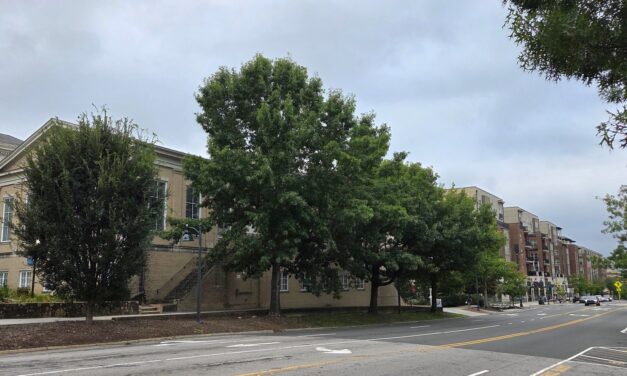
This time around, we’re going to start on the south side of the street, mainly because those are the trees I managed to get more pictures of when I took my first slow walk along this section of streetscape. Let’s take that walk again, together.
Read More
Each year, there is a ripening, a swelling of excitement within the group of folks who follow the media around the horticultural arts, specifically, the wonderful world of native plants.
Read More