Tune in to Focus Carolina during morning, noon and evening drive times and on the weekends to hear stories from faculty members at UNC and find out what ignites their passion for their work. Focus Carolina is an exclusive program on 97.9 The Hill WCHL, sponsored by the University of North Carolina at Chapel Hill.
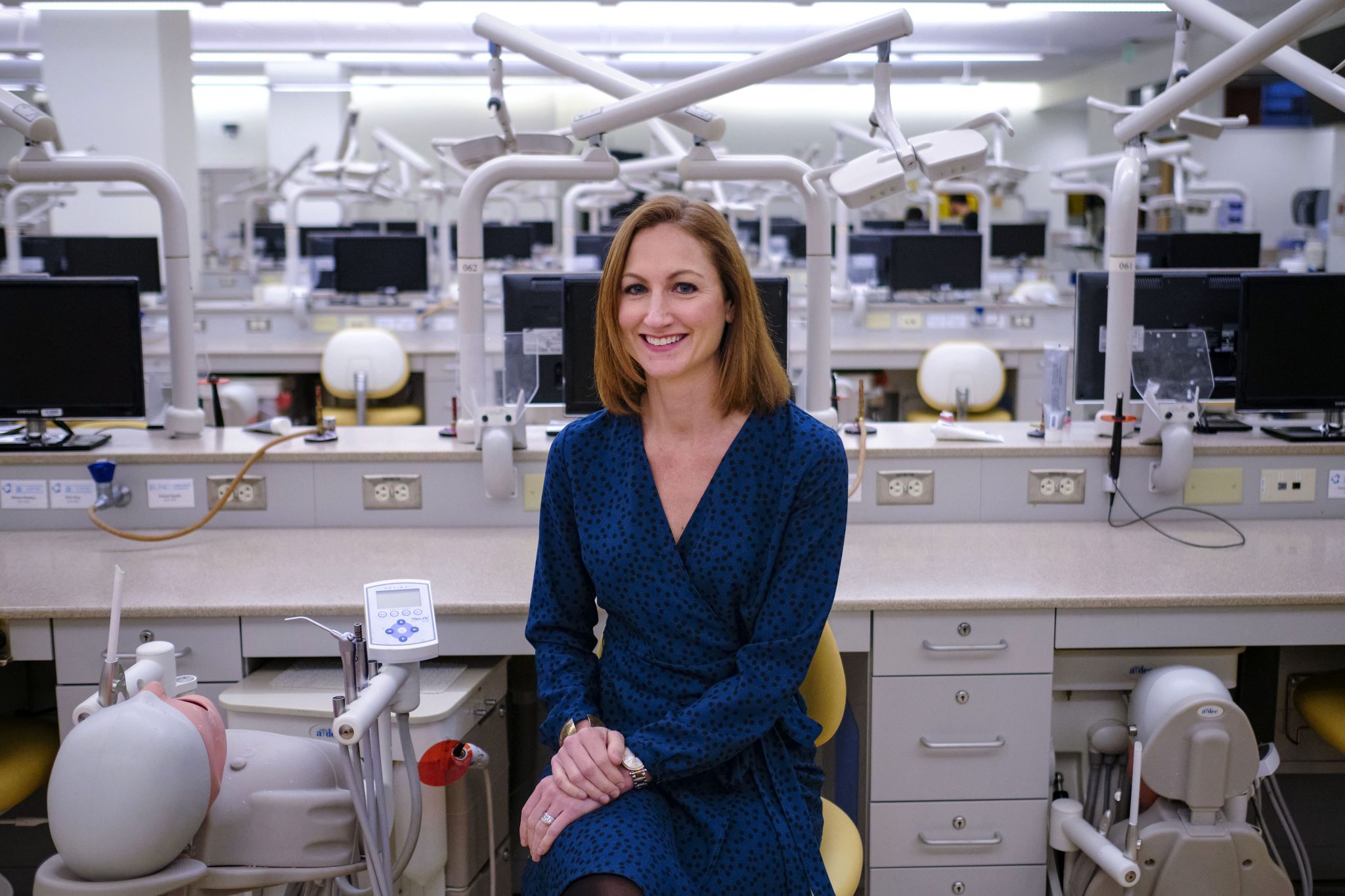
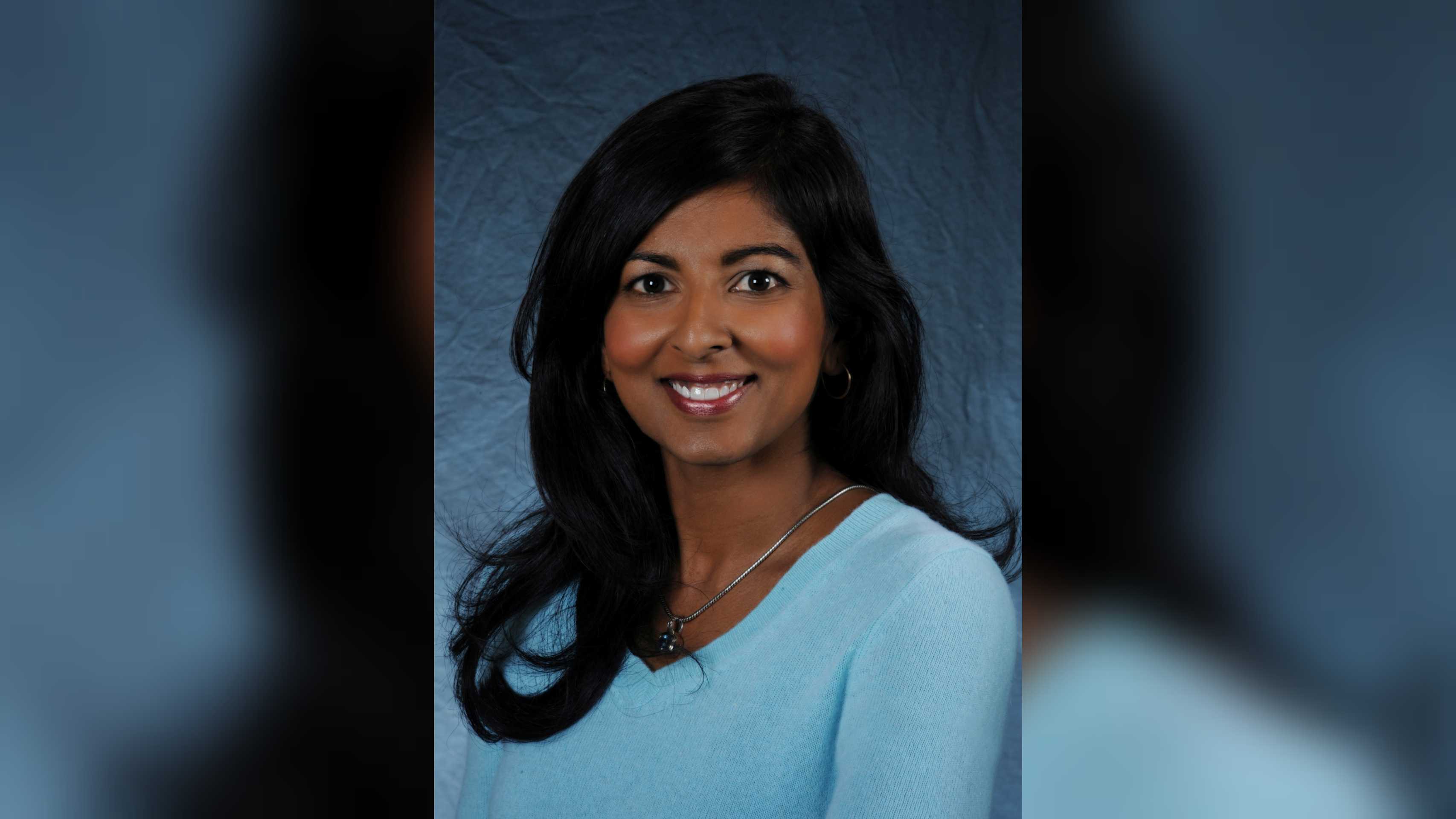
This week’s edition of Focus Carolina shines the spotlight on Jennifer Brame, director of the undergraduate and graduate dental hygiene program at the UNC Adams School of Dentistry. Professor Brame’s work primarily focuses on training dental hygienists and educating patients about oral health care.
“It’s much more than just a cleaning,” said Brame. “We also work very closely with patients to teach them about overall healthcare and the role of oral health and how that intertwines. We do screenings for oral cancer, interpret dental radiographs in addition to what most people think of as removing the plaque and tartar at an appointment, but there’s also education of patients about proper oral health care and how to maintain healthy teeth and gums.”
There are 13 active dental hygiene programs in North Carolina, and UNC offers both baccalaureate and master’s degree paths for students — both hosted within the school of dentistry. Carolina’s program is unique, however, being the only full-time campus dental hygiene course of study.
“Our graduates have access to a great alumni base and our graduates from both the undergraduate and the master’s program are highly sought-after as clinicians and future leaders,” said Brame. “Being in the school of dentistry affords them opportunities that they would not have in other learning settings — and some of these opportunities provides them with that rich experience to prepare them for leadership roles and advanced clinical roles.”
Currently, Brame is involved in a collaborative project involving geriatric patients who benefit from seeing dental hygiene students and training dentists on the same visit.
“The geriatric case study is an inter-professional learning activity where students from all of these different disciplines come together and they actually work on a case study together,” said Brame. “The beauty of it is a dental hygiene student comes in and they think with their dental hygiene hat on — they’re thinking about the nutrition, the oral care of the patient — but they get together at this table with physical therapy students, occupational therapy students and nutrition students, and then they all start to talk about from their perspective what the patient needs.”
According to Brame, students working on case studies together helps them to think about a patient’s care outside of their own scope, and helps them develop professional respect for other students and disciplines — building up to a true “team effort” that helps to take better care of patients.
“We are always working to figure out the best way to teach students,” said Brame. “I view the classroom as my laboratory. I love getting the students involved and learning how best to help them — we get great ideas from our students.”