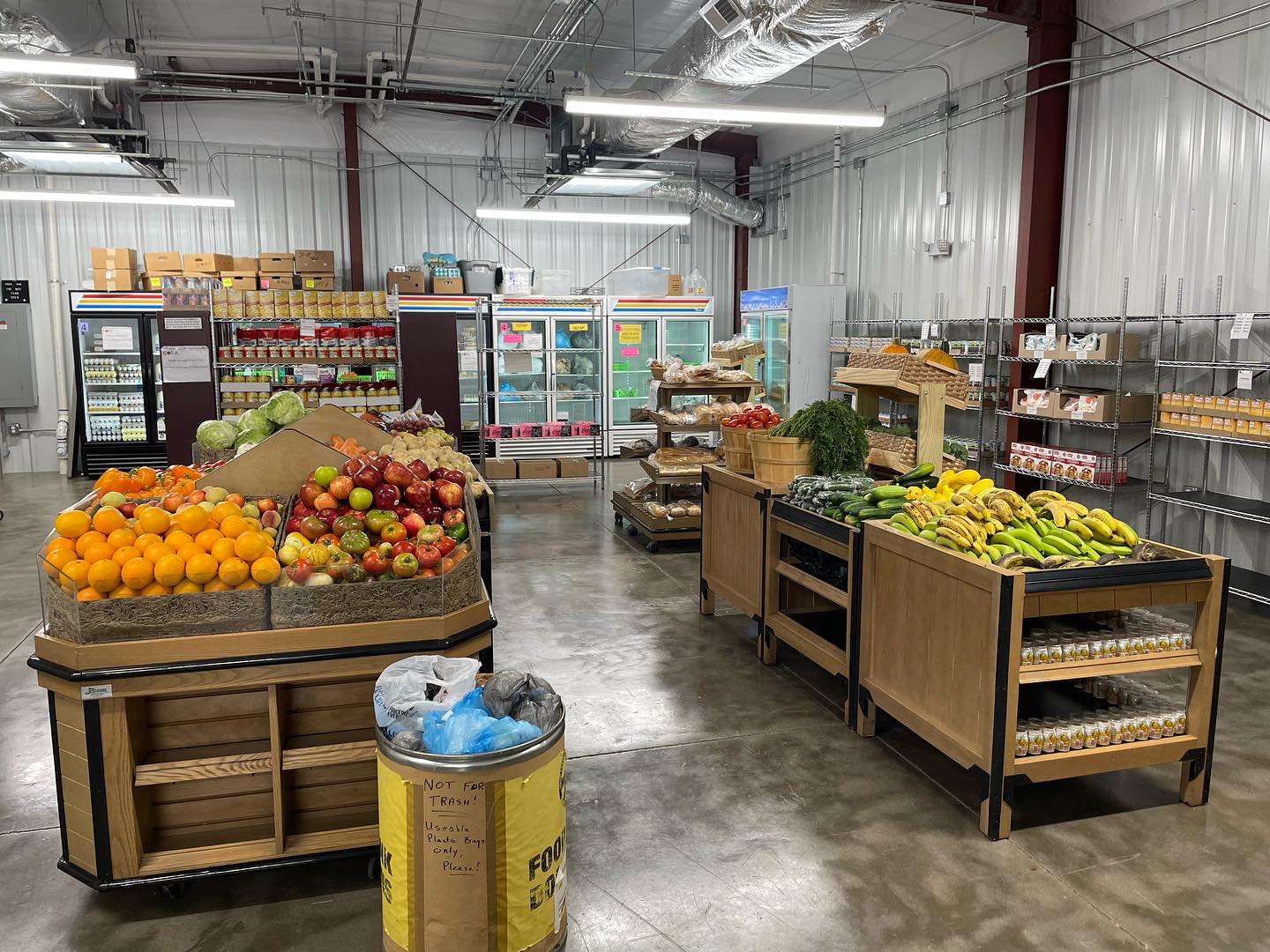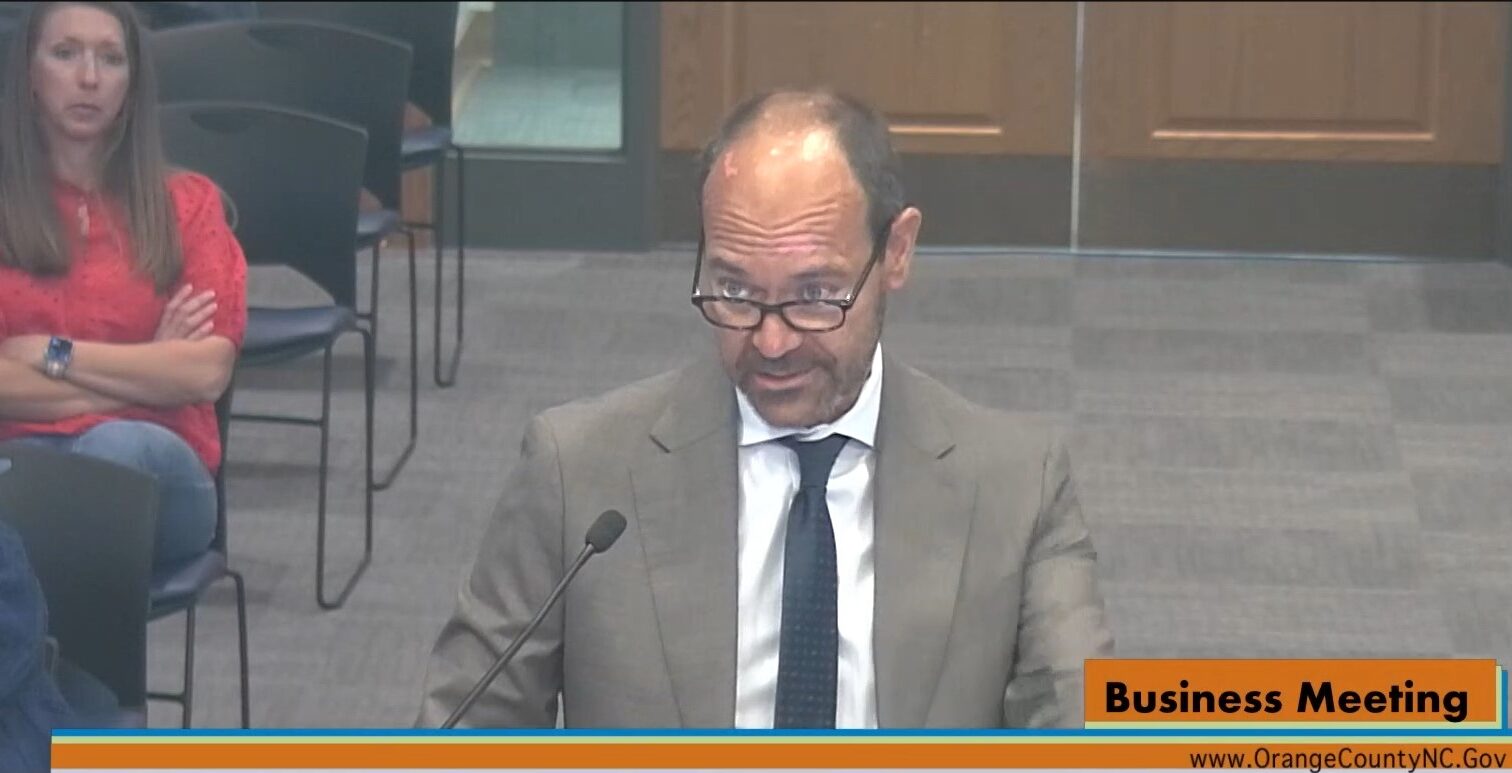
Particularly following cuts to SNAP amid President Donald Trump’s administration changing federal funding norms, nonprofit organizations battling food insecurity in Chatham and Orange counties are struggling to sustain the increasing number of families who depend on them. In a conversation from last month’s Forum On The Hill series, local food banks shared how they are looking to the community for help in providing long term support.
As part of its mission, Executive Director Melissa Driver Beard said CORA, or the Chatham Outreach Alliance, doesn’t turn anyone looking for food away. But when SNAP cuts hit in November, she said the daily crowd visiting its Pittsboro and Siler City locations more than doubled.
She told 97.9 The Hill last month how the organization does not know how it will sustain that increased demand for food long term as federal support for food insecurity programs is dwindling.
“Right now we’re in good shape, but if we keep serving at the level that we’re serving, I don’t know how long that will last,” Driver Beard said. “We’re looking at years of having to think about this.
“Normally when you’re in an emergency like this, you’re thinking about ‘Oh, I [have to] get through the next three months or six months,’” she added. “We’re looking at the next three to six years because even at the end of this administration, if things change, there will be a significant period of time after that where we’re playing catchup.”
The 43-day federal government shutdown that began in October saw the highest rate of food insecurity nationally, even compared to the pandemic – but the local food banks felt the impacts of federal funding cuts all year.
March saw funding cuts to two USDA programs providing more than $1 billion in food assistance by way of the Local Food Purchase Assistance (LFPA) Cooperative Agreement Program and the Local Food for Schools program. As a result, CORA lost more than $300,000 worth of food, including most of the emergency food assistance funding it allocates for meat and protein and a $48,000 grant it uses to purchase produce from local farmers. Last month, the Trump administration began withholding SNAP aid from Democratic-led states unless those states provided information about those receiving the assistance. Although North Carolina complied, the administration is still withholding funding from five states.
Driver Beard explained how the crisis’ unpredictability is the hardest part, stating how food banks are struggling to sustain funding in lieu of cut grants and government programs, without any certain timeline. PORCH Chapel Hill-Carrboro Executive Director Erin Riney said food banks do not know what to depend on or what to expect, leaving them wondering how to help the growing number of food insecure families across Orange and Chatham counties.
“It’s requiring us to build out more because we can’t rely on the systems we relied on in the past, and that’s very different,” Riney said. “We are trying to deal with increased need, while also creating a new process and food security infrastructure because what we established and what we relied on has been — and I want to be very clear about this — intentionally disrupted or chipped away at, and that isn’t coming back anytime soon.”
But in order for organizations to find and purchase food, as well as pay for its transportation and other operational costs, she said the nonprofits need transformational dollars, community support, and partnerships. For example, Riney said monthly sustainer funds are helpful because they allow the organization to plan for what they can consistently depend on each month. But she also emphasized how they need bigger gifts like planned giving, trusts, individual donations, and giving circles.
“We need some bigger dollars to step up,” Riney said. “Because what I hope people are taking away from this is that this is not business as usual for food security nonprofits. It hasn’t been for awhile. But our government is not going to be there. It’s being dismantled, the programs that are going to save us. We need to decide as a community, what are we going to tolerate, and also, how are we going to step up.”
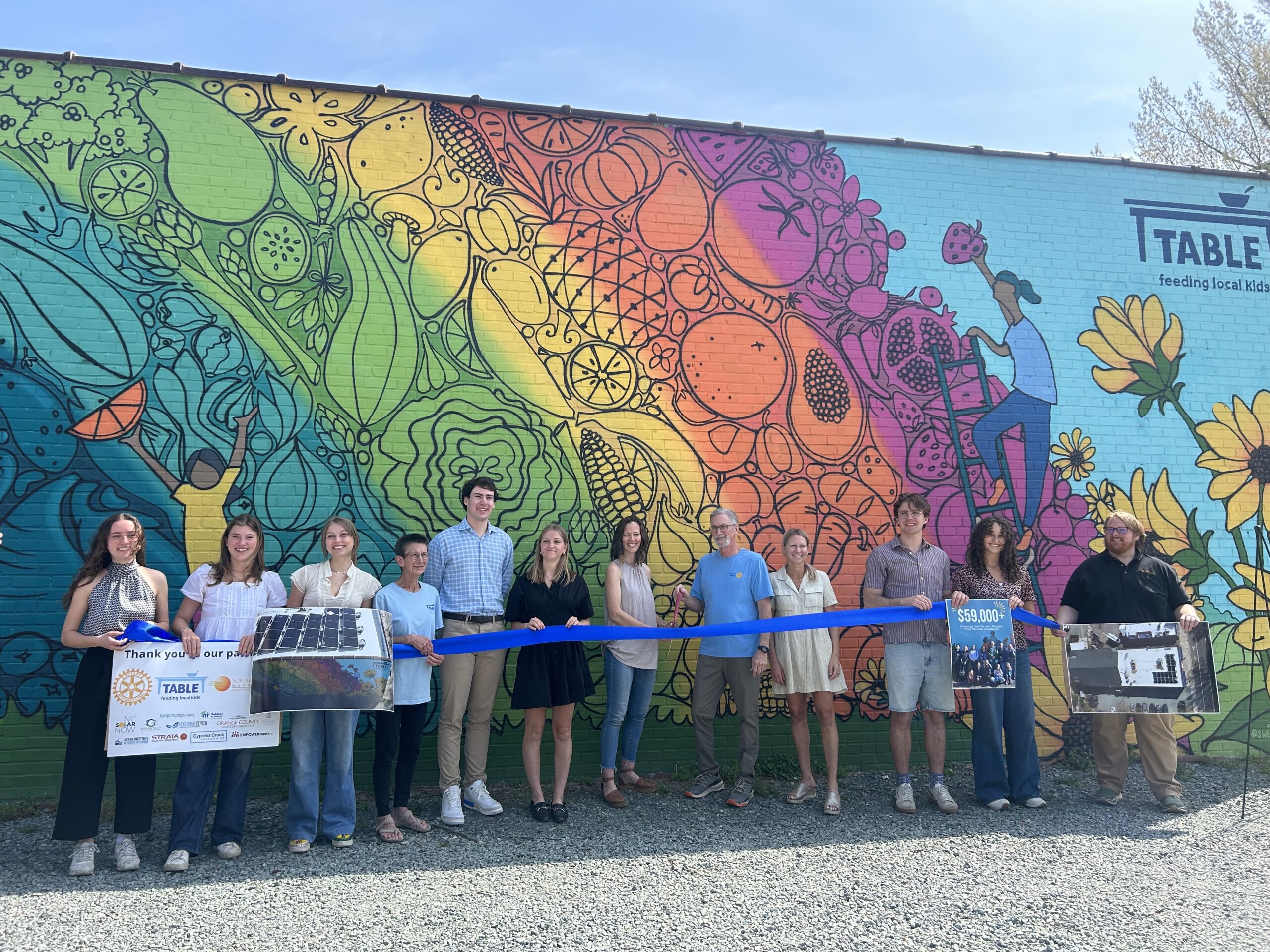
Riney said the need for financial stability is also crucial for helping relieve the emotional toll food insecurity can have on families. She said the food banks simply give people a break, letting them put more funds towards rent or gas to drive to their job. And TABLE’s Suzanne Tormollen said the demand is rising with no signs of slowing down. At the end of 2025, she said the Carrboro-based organization was feeding nearly 1,200 kids a week, with 300 more on the waitlist.
“We are asked daily how someone can help get someone off our waitlist,” Tormollen said. “It’s $1,500 to feed one child for one year, but we need that sustainably. We want to keep providing our children with the food we want to provide them the healthy and nutritious food. We want to provide it to them week by week, but we need reliable, sustainable funding.”
According to Driver Beard, hunger can be a solvable issue when there is both political and community will. But in the absence of government programs, she said local food banks need support from those who have the ability to help them more than ever.
“The $10 gifts, the $100 gifts, the gifts of food drives people give to us, they all matter,” Driver Beard said. “But I think — we‘re all a little afraid to say it out loud — it’s the $100,000 gifts that are transformational.”
To hear the full discussion, click here.
Chapelboro.com does not charge subscription fees, and you can directly support our efforts in local journalism here. Want more of what you see on Chapelboro? Let us bring free local news and community information to you by signing up for our newsletter.