To reflect on the year, Chapelboro.com is re-publishing some of the top stories that impacted and defined our community’s experience in 2025. These stories and topics affected Chapel Hill, Carrboro and the rest of our region.
One of the biggest local stories of the year was neither local nor a single story — but rather the ongoing impact of federal funding cuts, thanks to a series of actions by the Trump administration. Those cuts affected scholarly research at UNC and the work of numerous local nonprofits. It also spurred a strong local reaction, partly in the form of anti-Trump protests but also in terms of a renewed effort to continue providing the vital services whose funding had been slashed.
The year 2025 began with good news from the federal government, as Chapel Hill Transit landed $24 million in funding to help build a bus rapid transit line along MLK Boulevard. But the narrative changed on Jan. 20, when Donald Trump took the oath of office as president – and issued a flurry of executive orders freezing the distribution of federal funds.
Local officials quickly moved to push back against the Trump administration’s funding cuts. Chapel Hill Mayor Jess Anderson pointed out that local governments “rely on federal funding for our transit system, for affordable and public housing, for greenway projects, for new clean energy projects, [and] for library programming.” Meanwhile at UNC — one of the top 10 universities in the nation for federal research funding — officials began lobbying lawmakers to protect funding for what Chancellor Lee Roberts described as “life-saving research.” But the impact was immediate – impeding the work of scientists working on new cancer treatments, as well as cancer patients who were forced to travel hours for their health care. Trump’s cuts primarily targeted “indirect costs,” or the additional expenses associated with research labs, like utilities and equipment; federal officials called it “administrative bloat.” But researchers argued that they wouldn’t be able to do their work without them – and the cuts would also force them to lay off workers and take on fewer students. (Said one student in October: “I guarantee that if you walk around campus and just ask random students, ‘Hey, how has the Trump funding cuts affected you?’ almost all of them will start going on a rant about how it has affected them and how upset they are.”)
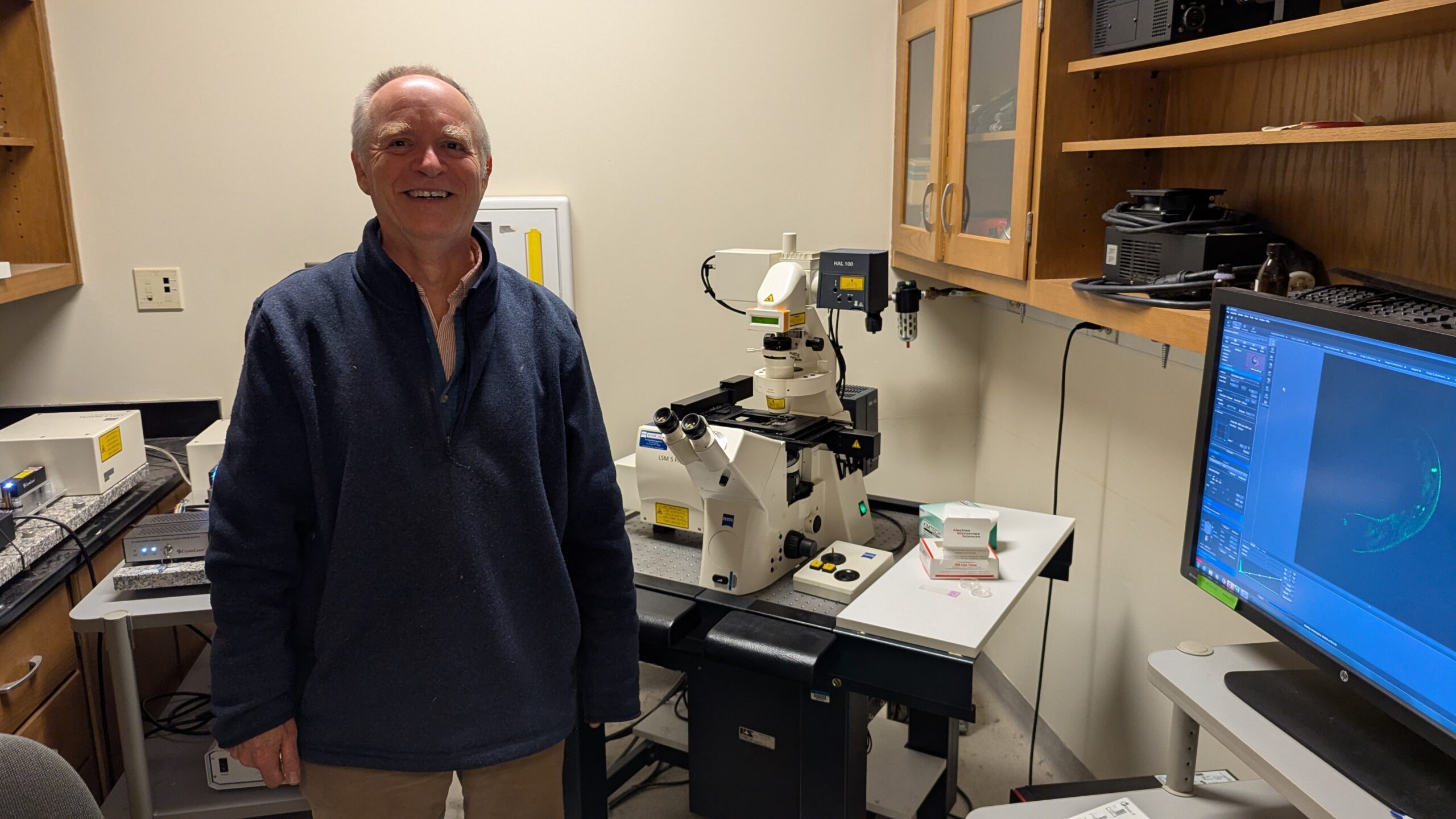
UNC professor and researcher Mark Peifer stands next to one of his lab’s microscopes in a temperature-controlled storage room within Fordham Hall at UNC-Chapel Hill. (Photo by Brighton McConnell/Chapel Hill Media Group.)
The impact of federal cuts was not just limited to campus. At Research Triangle Park, researchers at the Environmental Protection Agency spent much of the year in limbo as Trump announced plans to eliminate their office – along with all the work they had been doing, not only on climate change but also on the health impacts of industrial pollution. (The cuts came from the Department of Governmental Efficiency, or DOGE – an agency run by Elon Musk, not authorized by Congress, which derived its name from a joke cryptocurrency whose value Musk had once caused to skyrocket by tweeting about it.) EPA researchers warned that the cuts would affect not only their projects, but the long-term prospects of recruiting future scientists to work in public health. And they were not the only ones: numerous other RTP-based agencies faced massive federal funding cuts – including foreign-aid organizations like RTI International and the U.S. Agency for International Development, which also provided hundreds of local jobs.
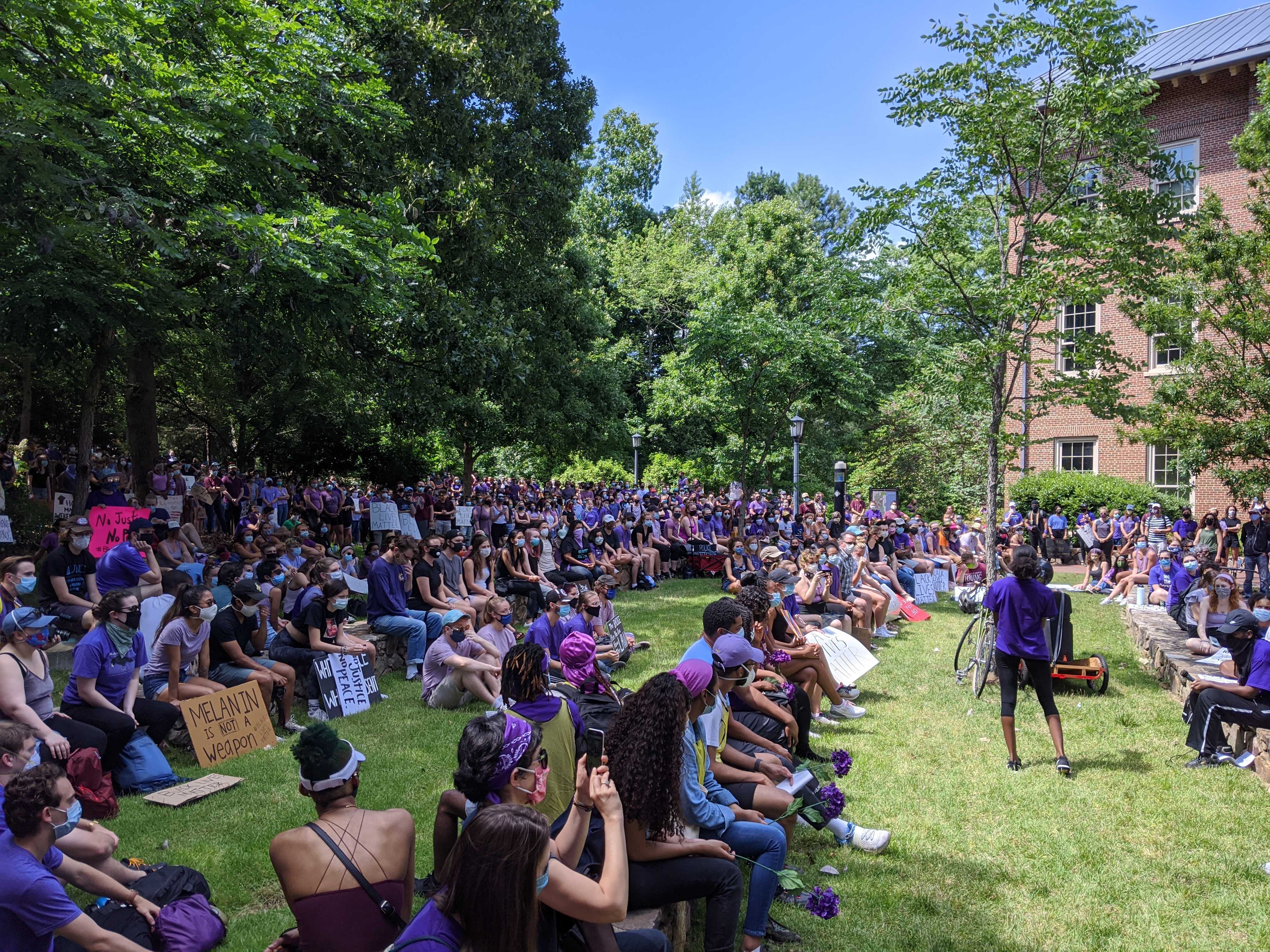
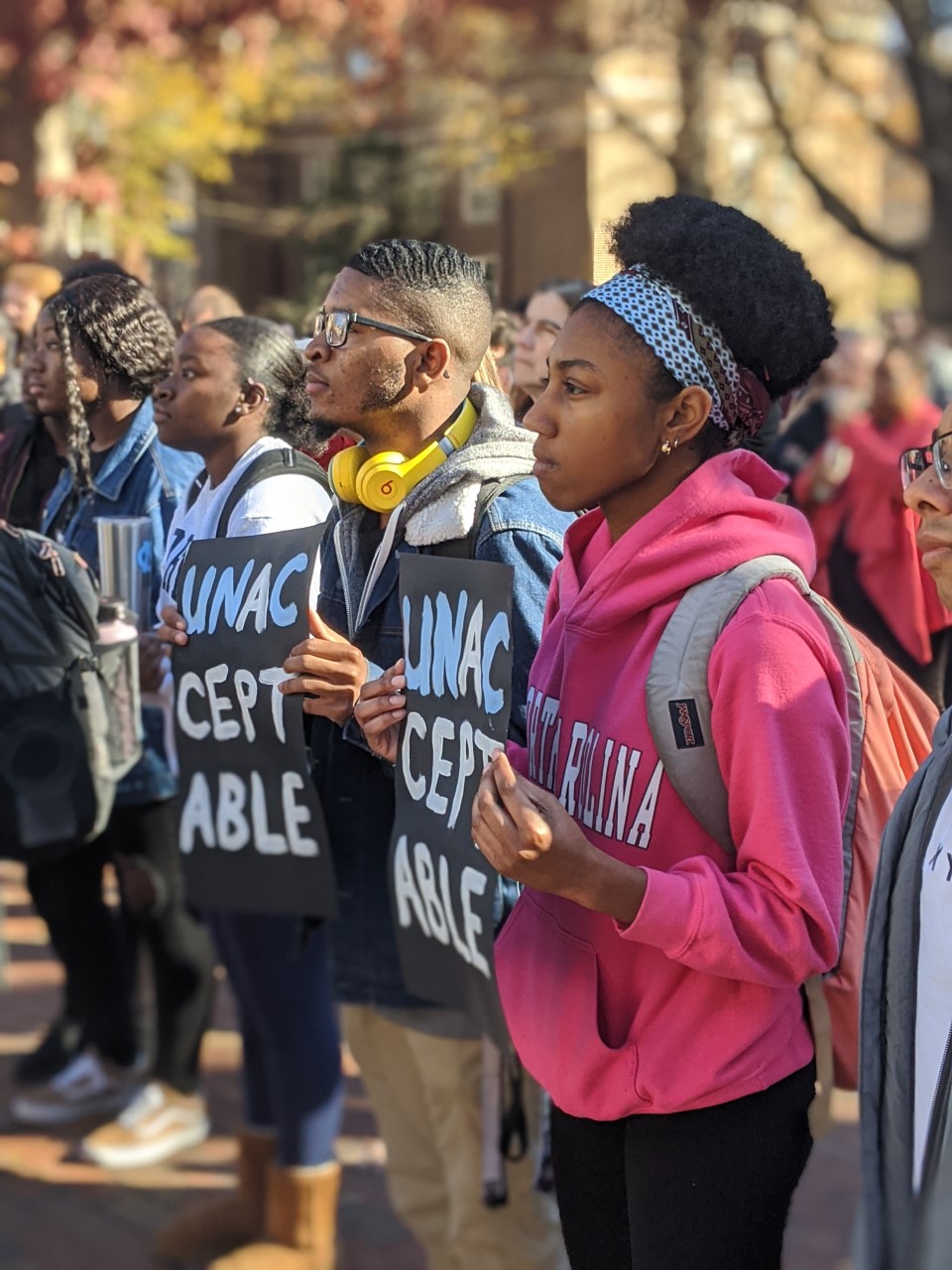
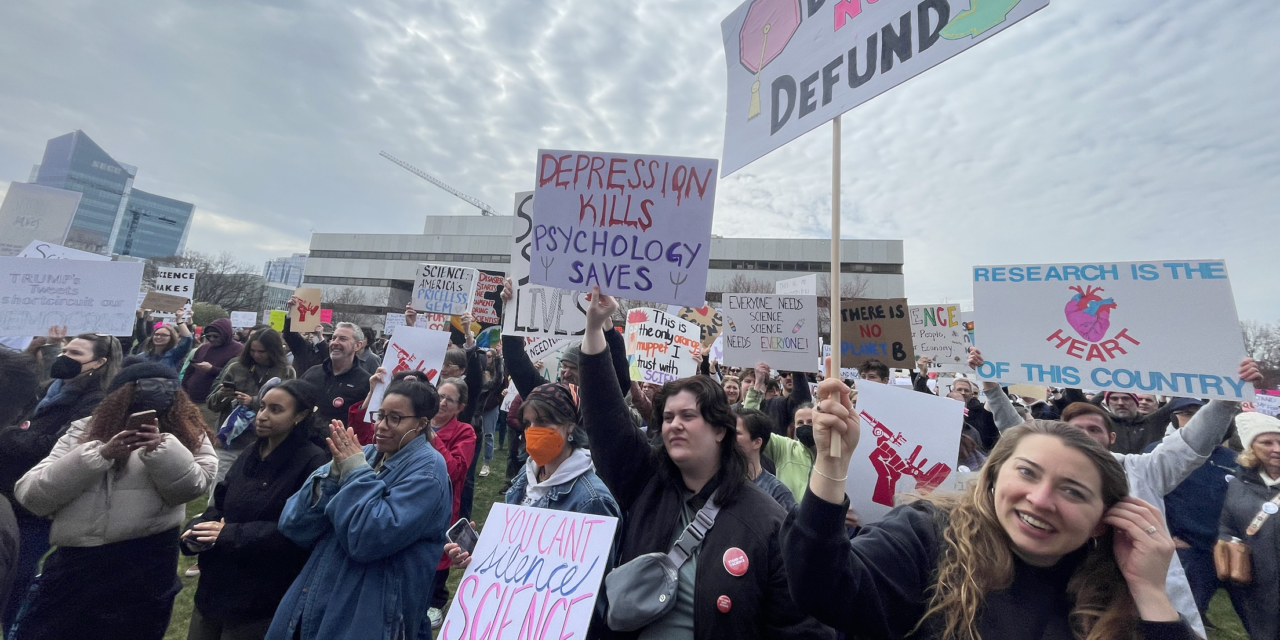
The Trump administration’s cuts did not go unanswered. Thousands of local residents rallied multiple times to protest in support of federally-funded research and international aid, with demonstrations in March, in April, in June, and in October.
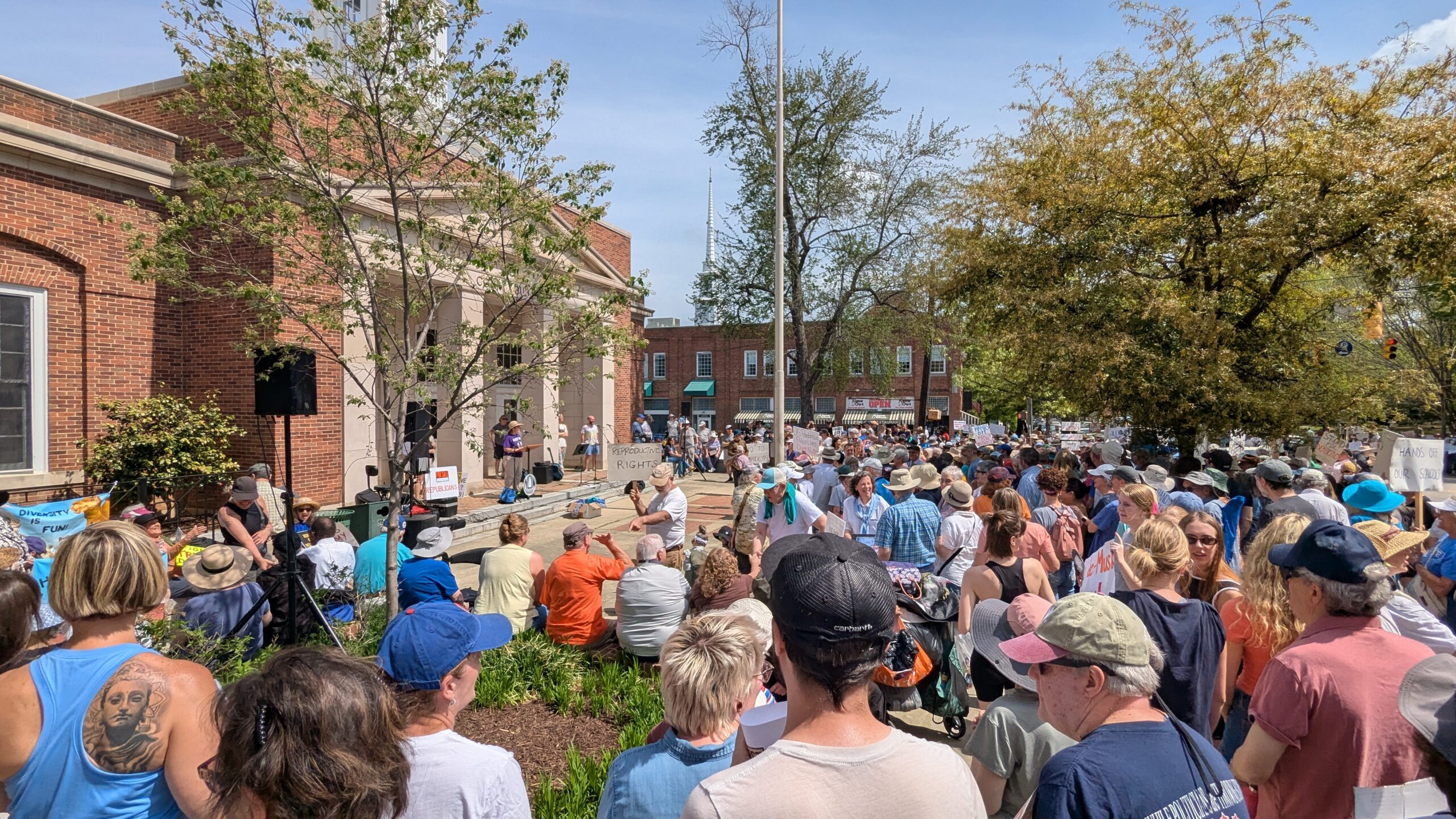
People surround the steps of the historic courthouse on the Peace & Justice Plaza for the Chapel Hill “Hands Off!” protest in April against cuts to federal government jobs, research funding and diversity initiatives. (Photo by Brighton McConnell/Chapel Hill Media Group.)
But the cuts continued, and their impacts stretched far beyond university research and international aid. In Hillsborough, a plan to relocate the town’s water pump station away from a flood plain lost its FEMA funding – just two months before Tropical Depression Chantal, which caused significant damage to that very station. Trump’s actions also negated a grassroots effort by local high-schoolers to fight hunger, clean up litter, and promote healthy living in Hillsborough’s low-income Fairview neighborhood. Additional obstacles for federal disaster-relief funding impeded state officials’ efforts to secure funds for Hurricane Helene recovery efforts – and local officials’ efforts to secure money to recover from Tropical Depression Chantal (though Chantal recovery funds did eventually earn approval). On campus, UNC officials announced a $70 million budget cut in July, affecting jobs, programs, and student tuition rates – though Chancellor Lee Roberts rejected Trump’s so-called “Compact for Academic Excellence in Higher Education,” which would have fast-tracked federal funding for universities that agreed to implement various right-wing policies. In fact, with RTP, UNC, and Duke all experiencing massive funding reductions, North Carolina’s Fourth U.S. House District was the most heavily impacted district in the nation by Trump’s cuts.
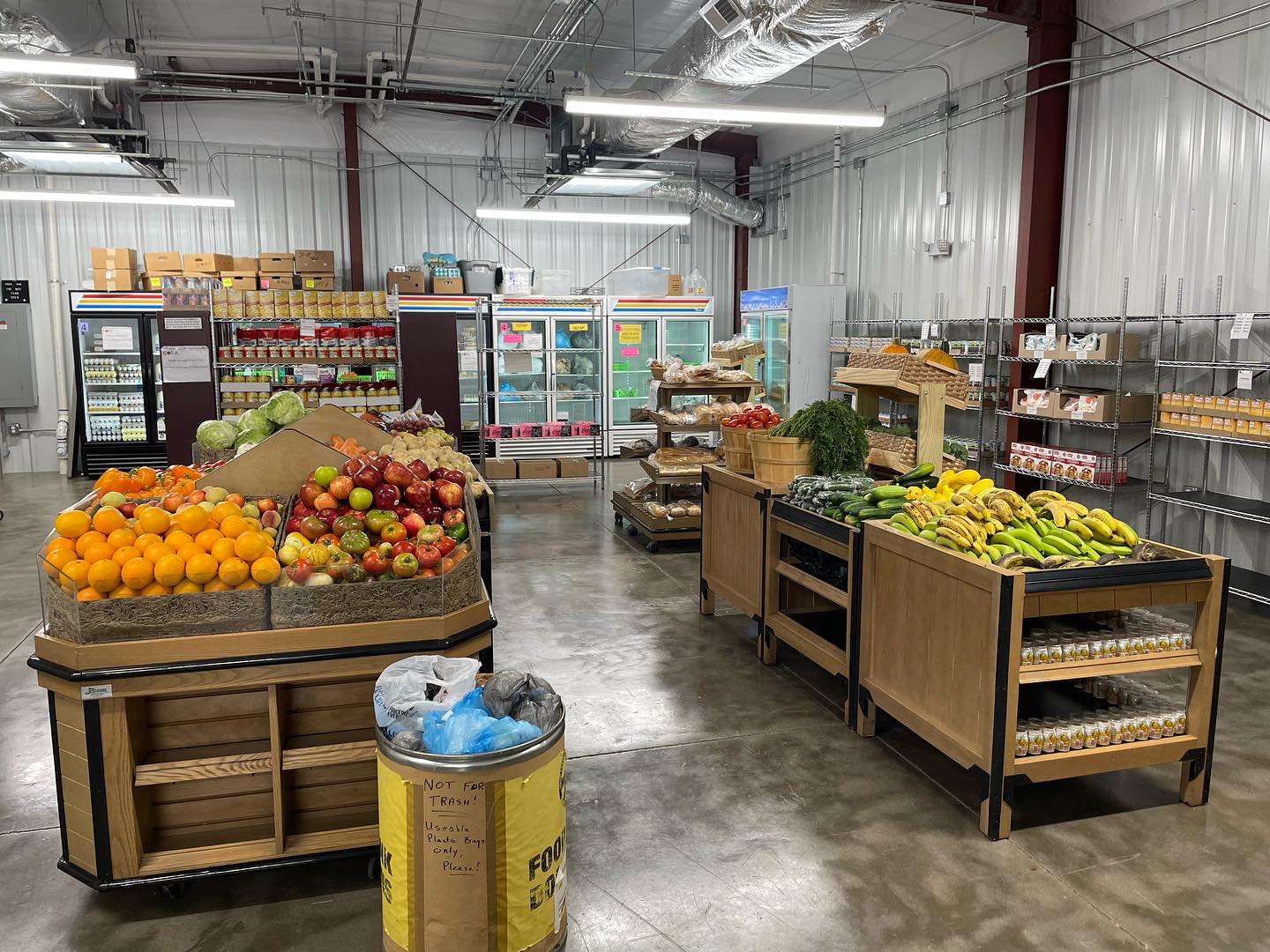
And local nonprofits had their funding rescinded too, particularly when they ran afoul of Trump’s attack on efforts to promote ‘diversity,’ ‘equity,’ or ‘inclusion,’ which effectively ruled out many efforts to help the underprivileged and underrepresented. Notable examples included the Pittsboro-based hunger-relief organization CORA — which saw its funding slashed even as it dealt with a sudden spike in the number of families facing food insecurity — and Hope Renovations, whose efforts to provide skilled-trade training for women ran up against Trump’s attack on diversity.

Hope Renovations lost a $300,000 grant from the federal government because of its application’s emphasize on creating diversity in the trades workforce. While the nonprofit saw robust fundraising in the aftermath, it still fell short of recouping the entire amount. (Photo via Hope Renovations on Facebook.)
“The people coming to us [are] single moms, women coming out of recovery programs, or coming out of criminal justice situations,” said Hope Renovation’s Nora Spencer, who had been named a national “Hero of the Year” by CNN in 2022. “We’re helping them make living wages and support their families, sometimes for the first time in their whole life…and if anybody thinks that’s wasteful, I’d love to have a chat with you.”
The funding saga took a new turn amid the 43-day federal government shutdown that began in October: Trump administration officials announced plans to freeze payments to the Supplemental Nutrition Assistance Program, or SNAP — cutting off food assistance for millions of Americans, including more than 9,000 in Orange County. Already struggling with less funding, local hunger-relief agencies spent weeks scrambling to meet the resulting spike in need, which coincided with a separate increase driven by local job losses caused by earlier federal cuts. PORCH-Chapel Hill Executive Director Erin Riney called the situation a “crisis,” but added: “If we come together as a community and channel our collective care and generosity, we can make a real, tangible impact in the lives of our neighbors.”
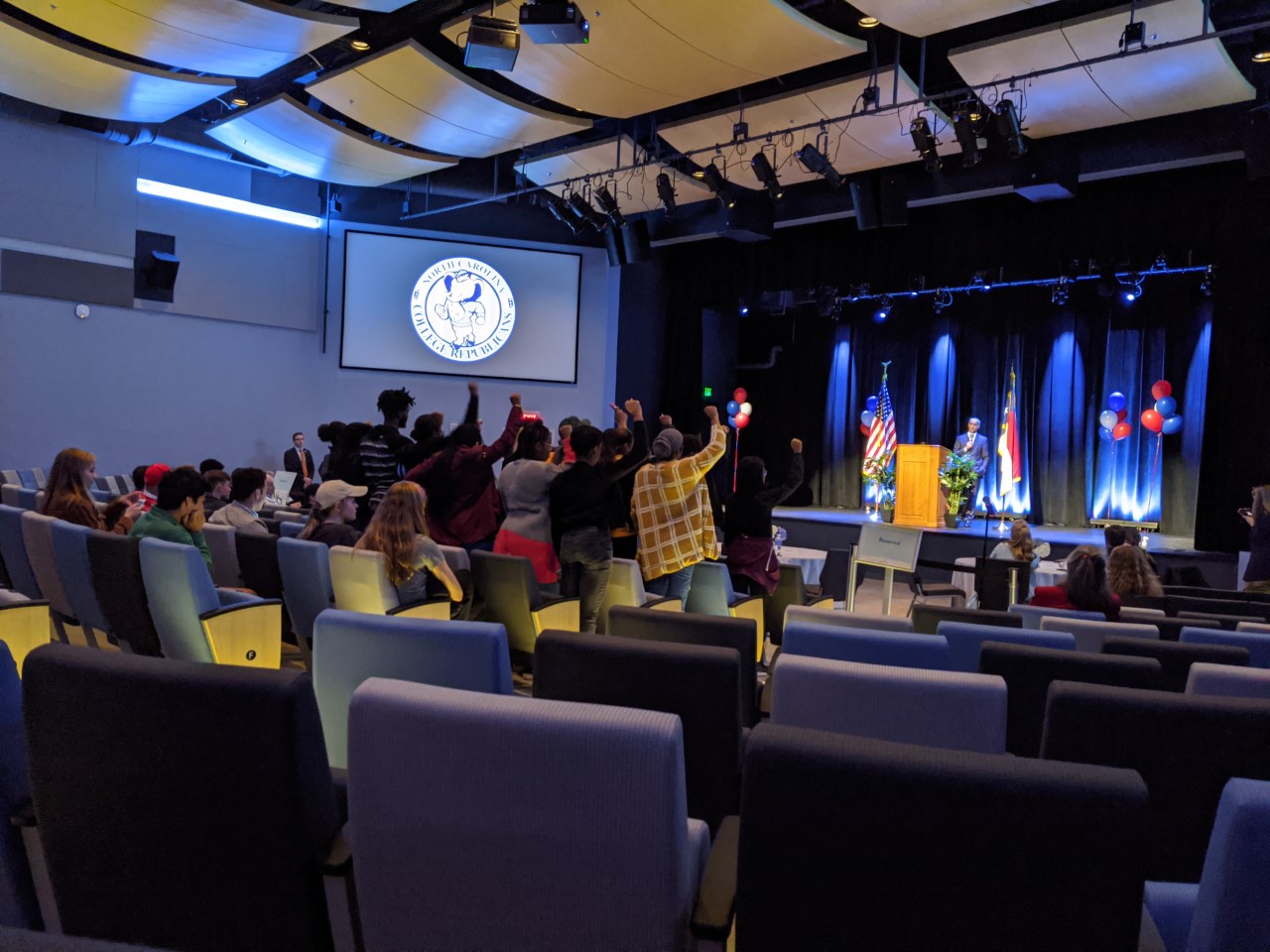
The threat to SNAP benefits subsided with the end of the federal shutdown, but the impact of the other cuts continues to linger. Another federal government shutdown may be looming in January and could create additional challenges. And while funding cuts grabbed much of our attention, other federal actions had major effects on our community — most notably a string of anti-DEI executive orders that pushed UNC to alter its curriculum and shut down a campus lounge that had been used by the Black Student Movement for more than 50 years. What 2026 will bring remains to be seen.
Featured photo by Ben Crosbie/Chapel Hill Media Group.
Chapelboro.com does not charge subscription fees, and you can directly support our efforts in local journalism here. Want more of what you see on Chapelboro? Let us bring free local news and community information to you by signing up for our newsletter.