Update: The Town of Pittsboro said Wednesday night that the 1,4 Dioxane slug has passed by the town’s raw water intake without incident. The town said it appears to have “dodged the bullet” with the Greensboro water release. Samples showed nearly non-detectable levels of 1,4 Dioxane and the tanks, which hold water for days after treatment, showed “no alarming amounts” of the chemical.
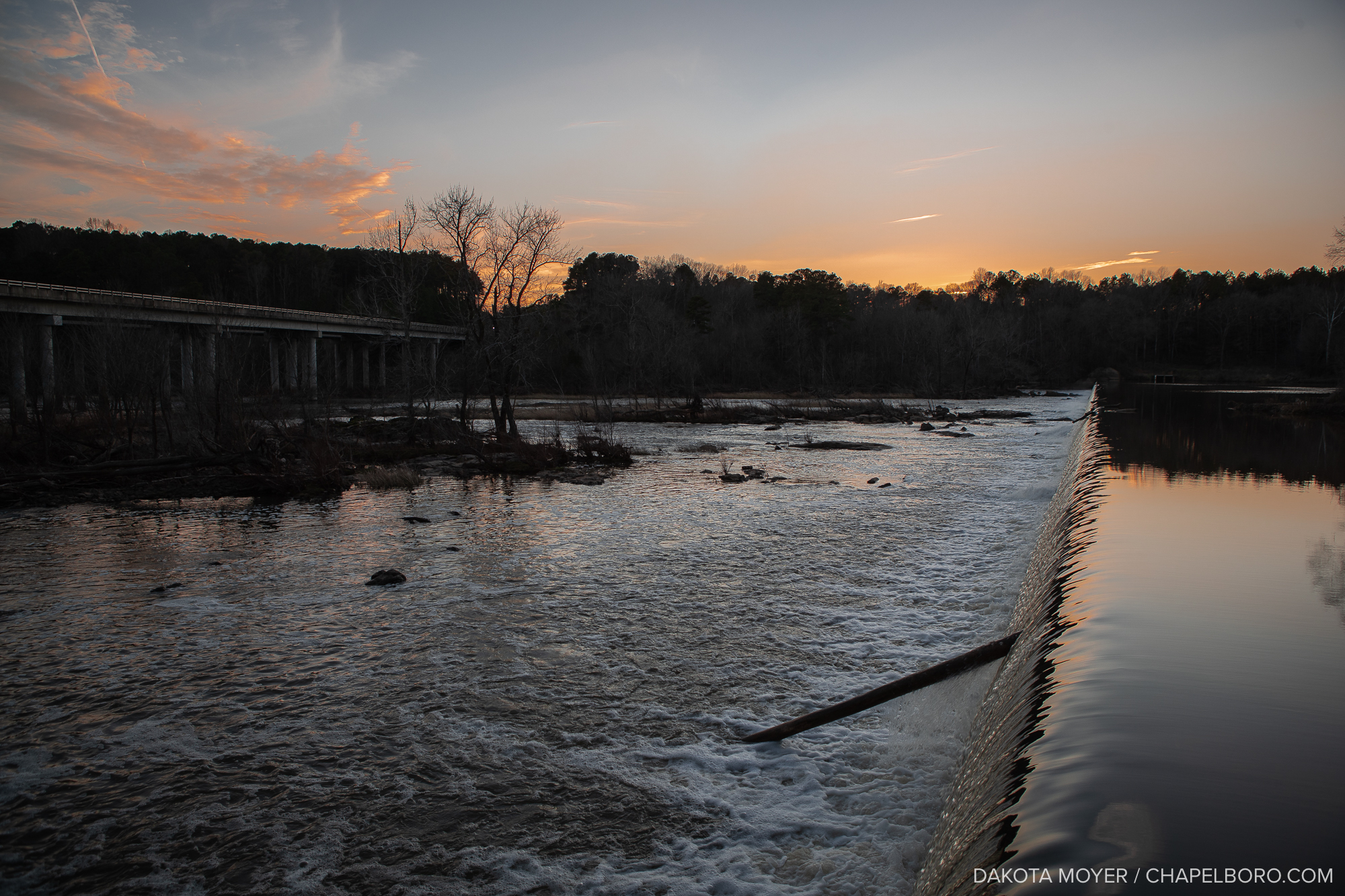
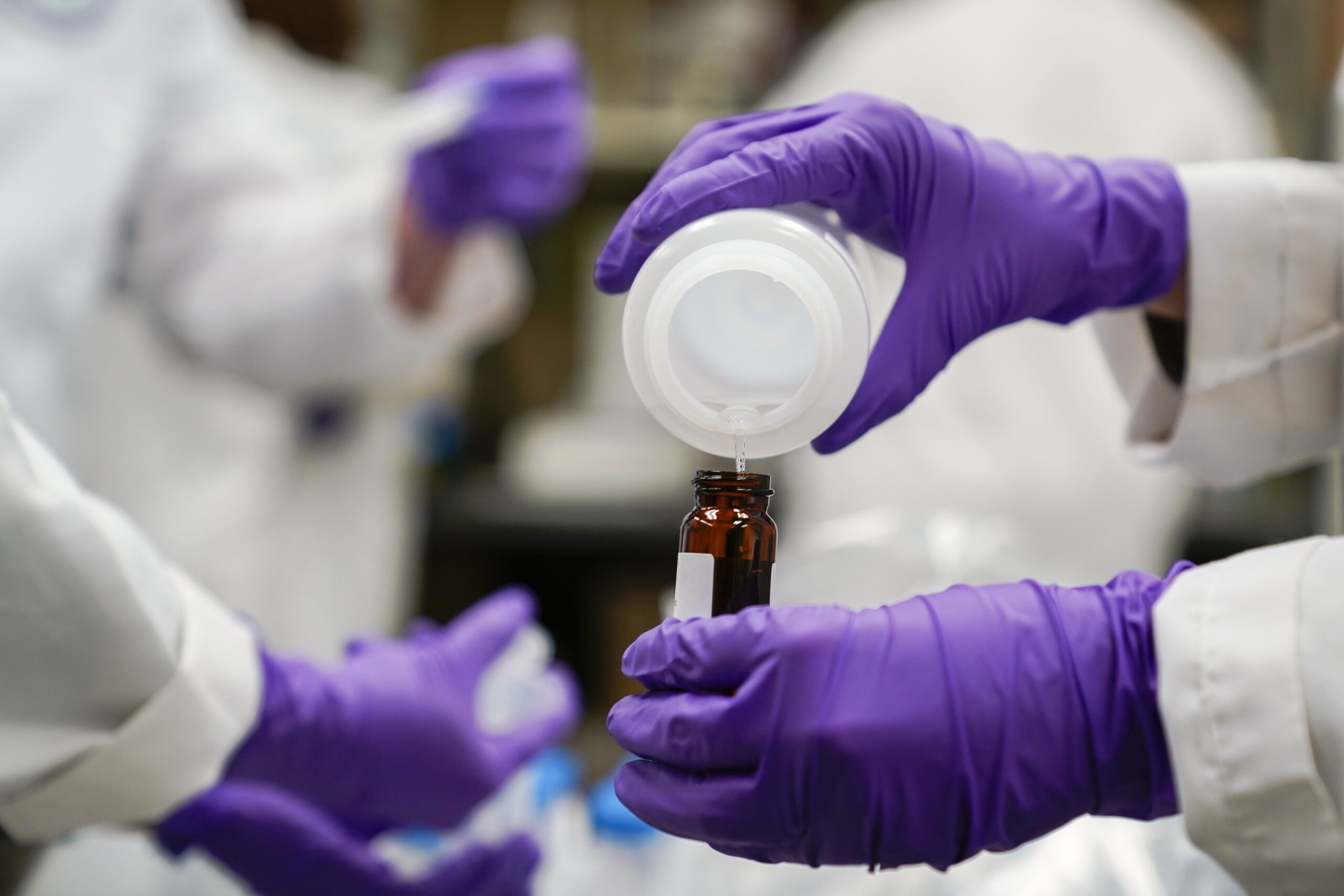
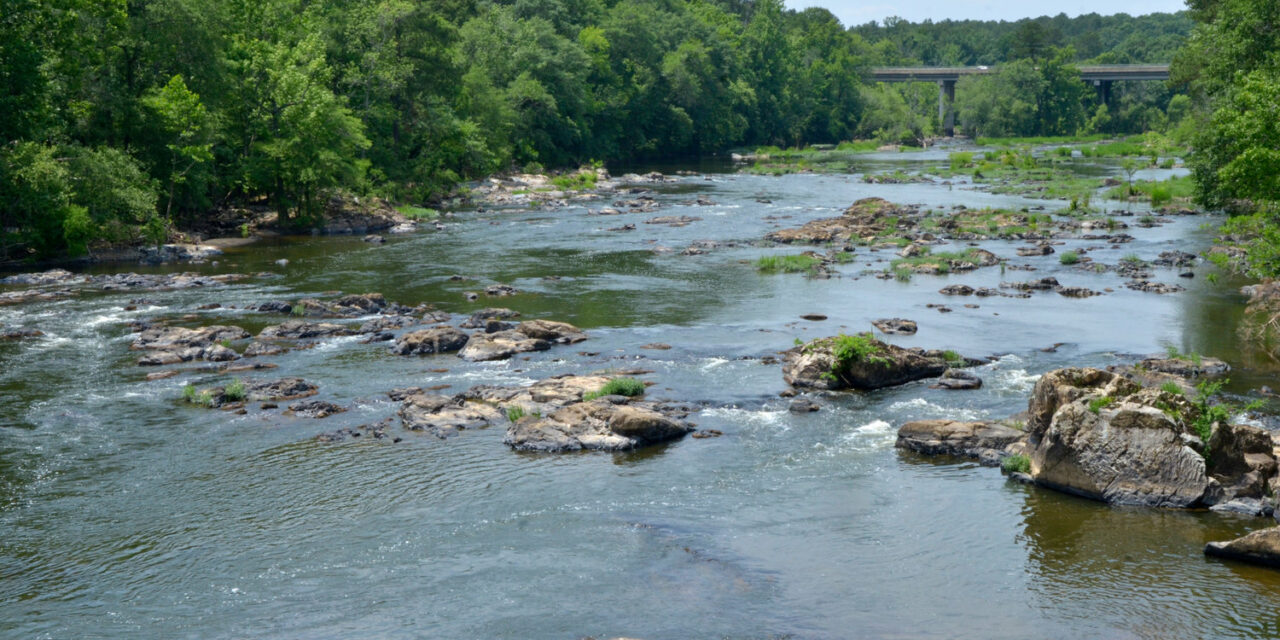
Greensboro’s wastewater treatment plant has discharged high levels of the chemical 1,4-Dioxane into the Haw River for the second time in just a few months. This could affect the drinking water supply for the Town of Pittsboro and other downstream communities along the Cape Fear River.
According to the U.S. Environmental Protection Agency (EPA), 1,4-Dioxane is a “likely” human carcinogen. It’s found at many federal facilities because of its widespread use as a stabilizer in certain chlorinated solvents, paint strippers, antifreezes, greases, and waxes.
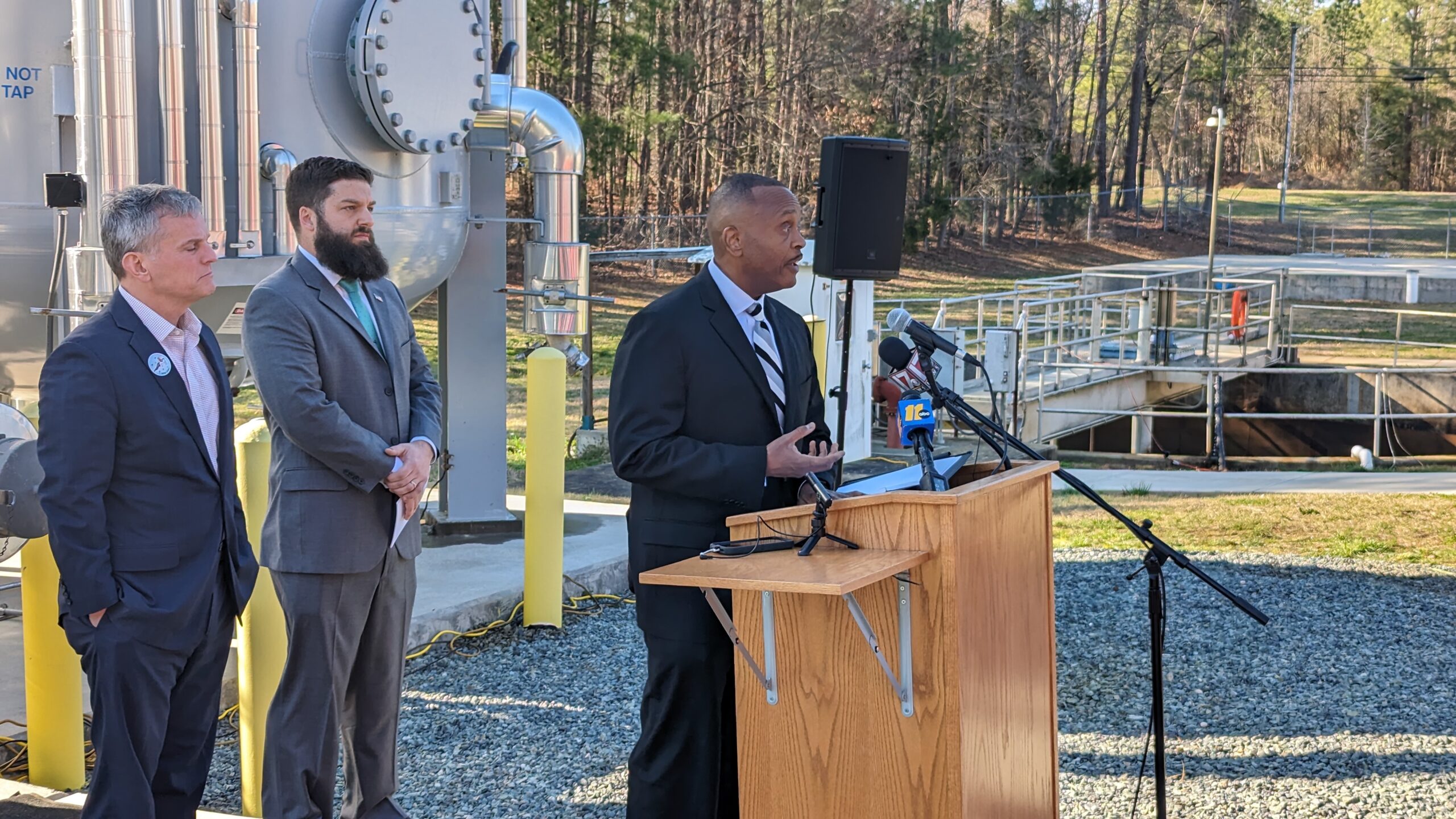
“This is brand new information to us as of this afternoon,” Pittsboro Town Manager Chris Kennedy said on Monday, as he announced the water contamination at the town’s board of commissioners meeting. “I’ve spent a number of my days trying to determine what our next path is, discussing with Greensboro, and going from there to see what we can do.”
The latest discharge of this likely carcinogen occurred on November 3, however downstream communities like Pittsboro weren’t notified until November 8. Town commissioners like John Bonitz said that is unacceptable.
“Citizens are asking why hasn’t this gotten out and why is this board learning about it so late,” said Bonitz. “It’s just a really bad situation that Greensboro is able and allowed to do this and not notify us so that we can turn off our intake and shut off water withdrawals from the river for the time when the slug [of contaminants] is passing our town.”
The reported discharge into the Haw River found 767 micrograms of 1,4 Dioxane per liter according to town officials, which is far higher than the EPA recommended 35 micrograms per liter. At this time, the source of the contamination is unknown.
Short-term exposure of 1,4-Dioxane may cause eye, nose, and throat irritation. Long-term exposure could lead to kidney and liver damage, according to the EPA.
This is not the first time Greensboro’s T.Z. Osborne Wastewater Treatment Plant has been non-compliant this year. On June 30, the City of Greensboro reported another excessive discharge of 1,4 Dioxane into the South Buffalo Creek – an offshoot of the Haw River. Kennedy said the source of that water contamination has still gone unidentified.
“I did speak with the state that there was an independent investigation mandated by the EMC that found that they could not determine the source,” Kennedy said Monday. “Obviously that was a very frustrating answer for the town, but now here we are again, some five to six months later, with a 20 times over the limit discharge of 1,4 Dioxane to the whole river.”
Water samples taken in July showed chemical levels to be 15 times higher than what is allowed and 20 times higher than what is recommended by the EPA. This placed Greensboro in violation of the Special Order by Consent held between the North Carolina Environmental Management Commission and the city, which was established in February of 2021.
This summer, town leaders said Pittsboro’s drinking water was again devoid of 1,4-Dioxane after considerable levels of the chemical were released into the water source at the end of June.
Now, with the original discharge of the 1,4-Dioxane occurring five days before the town was alerted, the town manager said it’s likely the chemical has already made its way downstream into the town’s drinking supply, however they won’t know for certain until samples are tested.
Commissioner Kyle Shipp said this contamination should be preventable, and he is willing to formally ask for both assistance and answers from the state.
“We’re clearly passed good faith at this point with the City of Greensboro and the state in terms of how they are dealing with this,” Shipp said. “They’re not taking it seriously because it doesn’t affect their water, it only affects our water. It’s hard to imagine that this happens again with such late notice.”
The TZ Osborne Wastewater Treatment Plant in Greensboro receives discharges from both residential and industrial customers in Guilford County. The plant treats the discharge before sending it into South Buffalo Creek, a major headwater stream in the Cape Fear Watershed that affects downstream drinking water supplies, including Jordan Lake.
While the Greensboro plant treats its discharge, the EPA states that traditional treatment methods for drinking water do not remove the known 1,4 Dioxane contaminant, nor is it biodegradable.
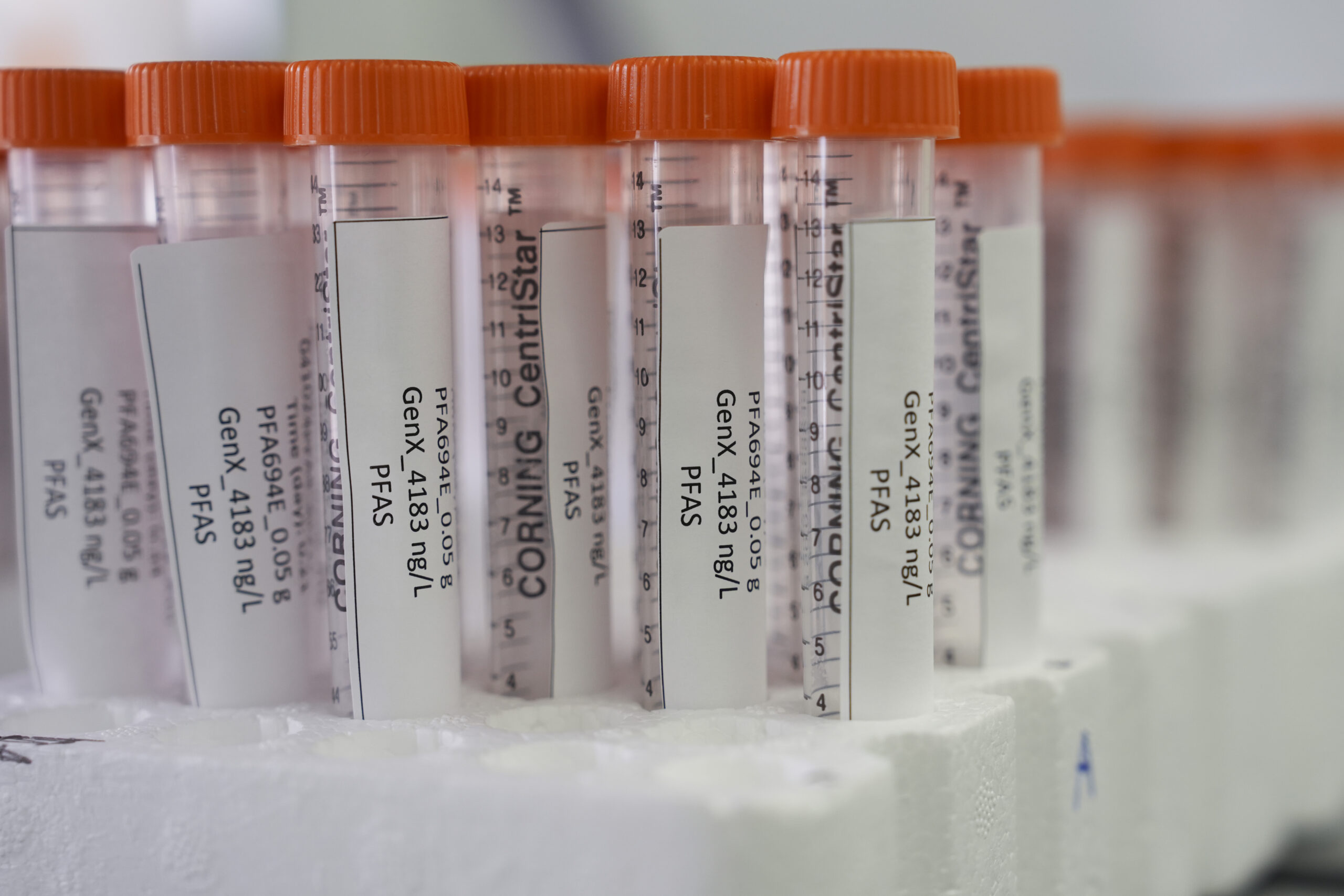
Outside of 1,4-Dioxane contamination, Greensboro factories are also regular dischargers of PFAS (per- and polyfluoroalkyl substances), another carcinogenic family of chemicals. In 2020, samples taken from around Pittsboro measured PFAS levels between two and fives times higher than the national average. Now, preliminary results of a new Duke University study have found that the concentrations of PFAS is two to four times higher in the blood of Pittsboro residents than the U.S. population as a whole.
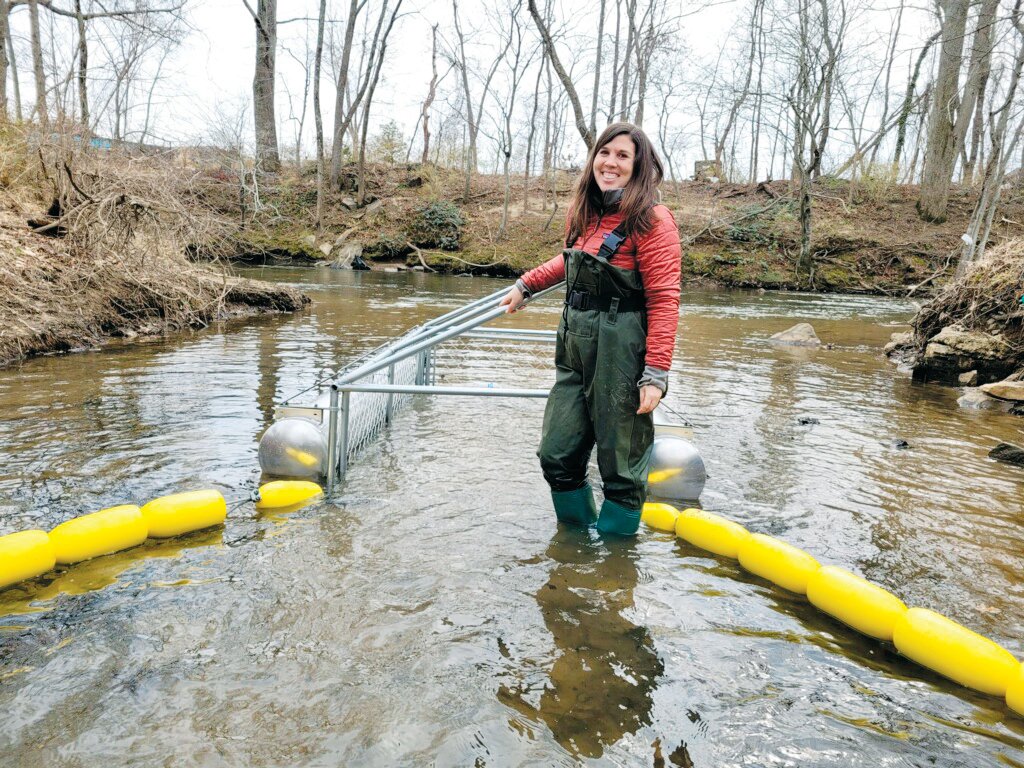
Photo via the Chatham News + Record.
Chapelboro.com does not charge subscription fees. You can support local journalism and our mission to serve the community. Contribute today – every single dollar matters.