As we all know, one key downside of social media is the rapid spread of misinformation about critical issues – including health issues, which can be dangerous for people who need reliable facts. We often think of misinformation as being spread by bad actors – but a lot of bogus information actually gets shared by well-meaning people, who don’t realize the info is wrong and simply think they’re being helpful.
What can be done about that? A new study out of UNC has found that warnings or content flags can make a very big positive difference.
Aaron welcomes the lead author of the study, Allison Lazard of the UNC Hussman School of Journalism and Media.
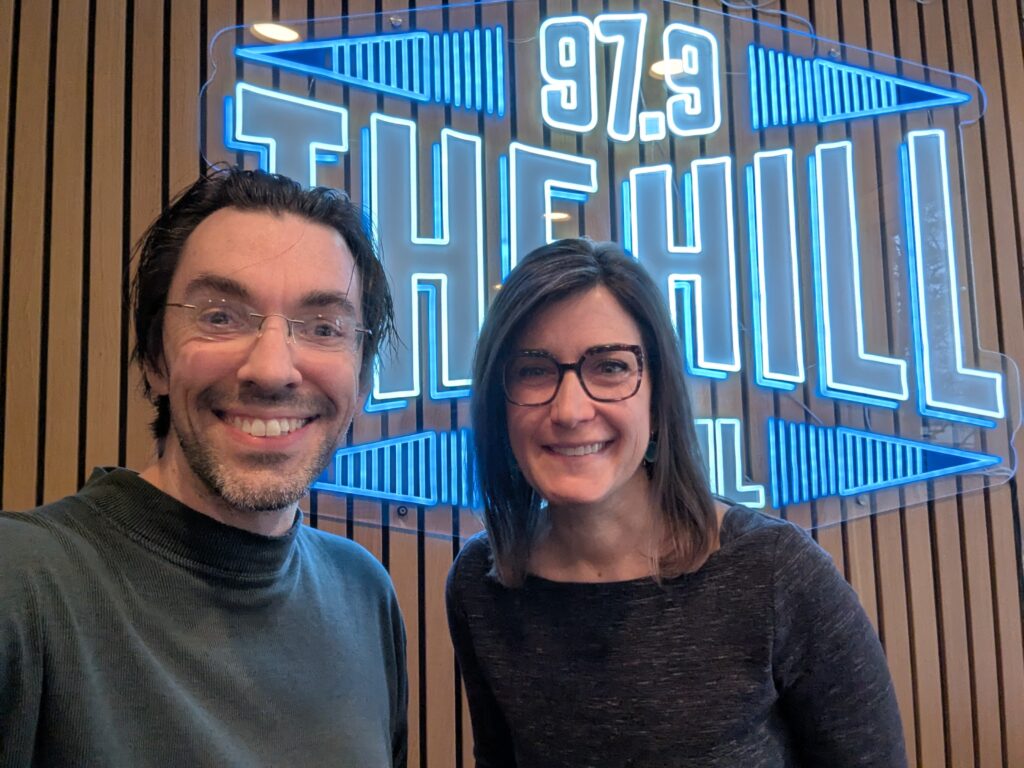
97.9 The Hill WCHL and Chapelboro.com are your headquarters for local news and local voices in Chapel Hill-Carrboro. Every weekday morning, 97.9 The Hill’s Aaron Keck chats with government officials, UNC scholars, business and nonprofit leaders, area musicians, and others in our community as they share their thoughts, their experience, and their expertise on the central issues of today. Click here to listen back to all of Aaron’s conversations – and tune in to “This Morning with Aaron Keck” at 7:30 a.m. on 97.9 The Hill to hear those conversations live.
You can also listen to “This Morning with Aaron Keck” on Spotify. Click here to follow Aaron and listen to all his segments, from local news to fun features to hard-hitting interviews.
Listen:
Podcast: Play in new window | Download
Subscribe:
Related Stories
‹
Misinformation, Disinformation, Social Media, and YouUNC scholar Shannon McGregor discusses misinformation and disinformation in politics - and what we can do about it.

Russia Amplified Hurricane Disinformation To Drive Americans Apart, Researchers FindRussia has helped amplify and spread false and misleading internet claims about recent hurricanes in the United States and the federal government’s response

Elon Musk Has Often Inflamed Politically Tense Moments, Raising Worries for the US ElectionWritten by ALI SWENSON Hours after an apparent attempt on Donald Trump’s life over the weekend, Elon Musk took to his social platform X to post a thinking emoji and a comment that “no one is even trying to assassinate” the Democratic president and vice president. In the midst of anti-Muslim riots in the U.K. — which were ginned […]

UNC Grad's New Job Leads to Going Viral, Hanging With Simone Biles' HusbandJasmine Baker, a recent alumna of the UNC Hussman School of Journalism and Media, found her big break in an unexpected way at the Olympics.

Community Members, Alumni Share Messages of Support for UNC After ShootingFollowing news of an armed and dangerous person on the UNC campus, community members from around Chapel Hill, current UNC students and alumni shared messages of support online. Both as the events of the afternoon unfolded, and after learning that a faculty member was shot and killed, people shared their reactions to social media. That […]

The Best of Social Media From Chelsea vs. Wrexham in Chapel HillThe action in Chelsea and Wrexham’s preseason friendly on Wednesday may have been exciting, but it was hard to top the excitement created by the match in Chapel Hill. That buzz carried over onto social media, as fans, the teams, and organizers of the event shared posts detailing the special night of international soccer. While […]

Pro-Moscow Voices Tried To Steer Ohio Train Disaster DebateWritten by DAVID KLEPPER Soon after a train derailed and spilled toxic chemicals in Ohio last month, anonymous pro-Russian accounts started spreading misleading claims and anti-American propaganda about it on Twitter, using Elon Musk’s new verification system to expand their reach while creating the illusion of credibility. The accounts, which parroted Kremlin talking points on myriad topics, claimed without […]
UNC Study: 'Habitual' Social Media Use Changes Kids' Brain DevelopmentDo you remember the time before social media? For children and young adults, social media is a significant part of their lives — and we’re still learning how it’s affecting them.
A study conducted by UNC researchers found a habitual checking of social media can impact brain development in adolescents.
Tar Heels Share Outpouring of Gratitude for Retiring Coach Karen SheltonAfter earning yet another perfect season and national championship to her name on November 20, UNC Field Hockey’s Karen Shelton is going out on top. The program’s head coach announced Wednesday she plans to retire from the sport after UNC conducts a national search for her replacement. After tallying the 10 national titles and becoming […]
Misinformation and the Midterm Elections: What To ExpectMisinformation about the upcoming midterm elections has been building for months. What should people keep in mind on Election Day?
›