The newest financial report from the UNC athletic department to the NCAA shows the department operated at a deficit of more than $15 million during the 2024-25 fiscal year. The department reported revenues of $172,951,034 and reported expenses of $187,967,260.
The UNC athletic department had operated at a profit in each of the past three fiscal years, including setting a new record for revenue during the 2023-24 year. Prior to that, the department had operated at deficits during the 2018-19, 2019-20 and 2020-21 fiscal years.
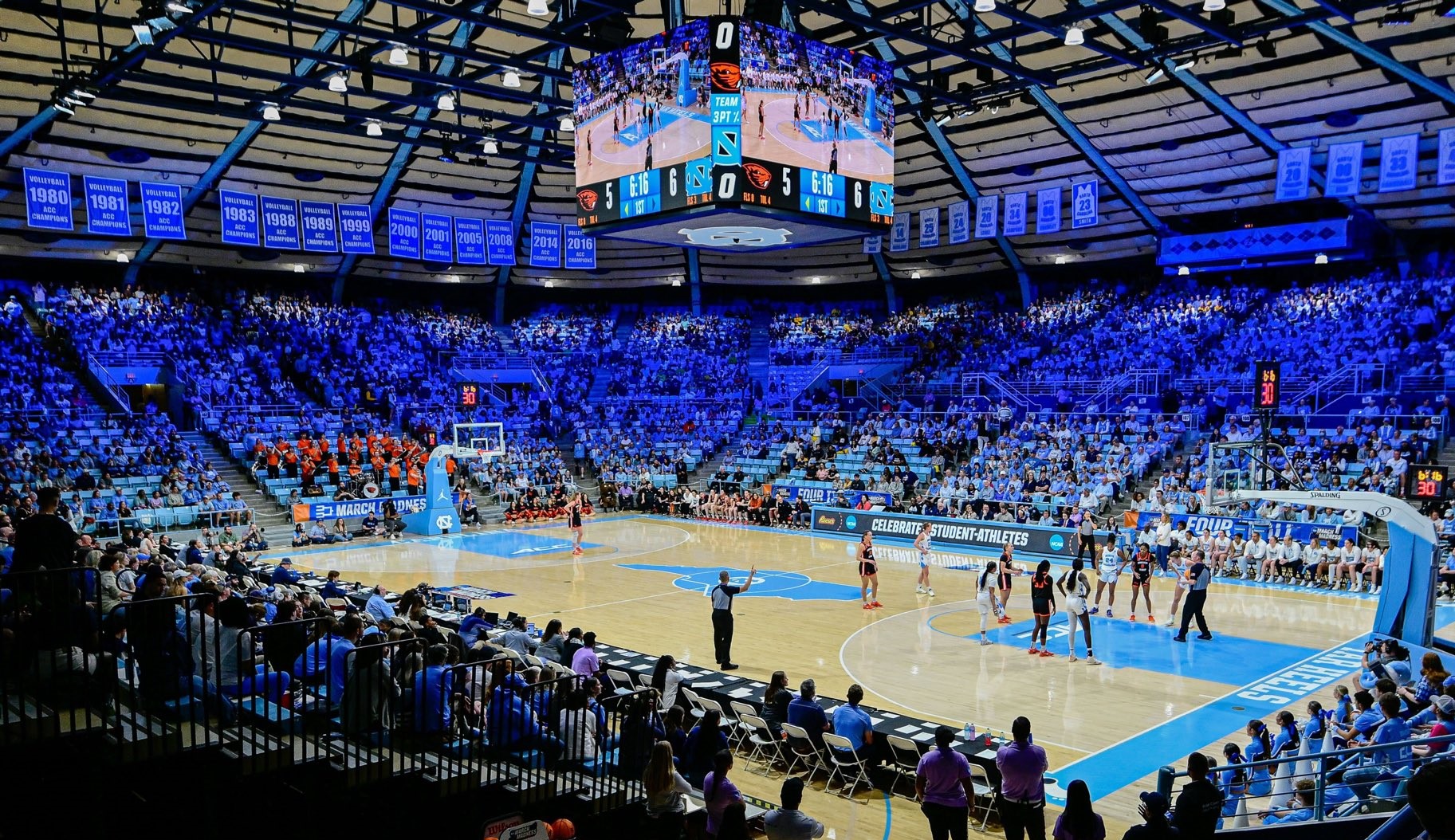
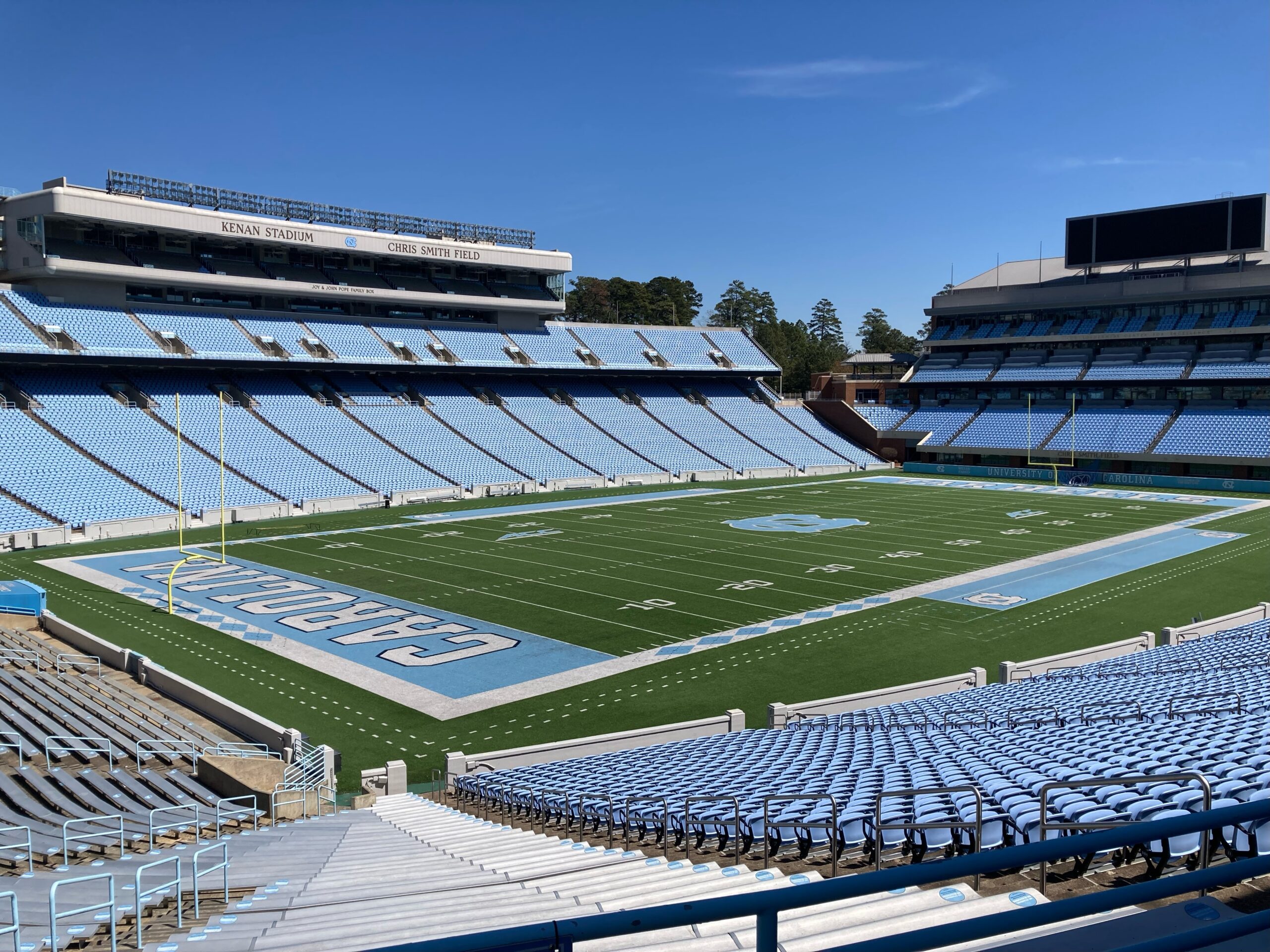
Roughly $32 million of UNC’s athletic revenue came directly from ticket sales. Men’s basketball led the way, accounting for $17.1 million of that total. Football accounted for $12.1 million, and baseball was the only other sport to break $1 million. These totals represent the 2024 season for football (Mack Brown’s last as head coach), the 2024-25 season for men’s basketball (in which the Tar Heels were the last team in to the NCAA Tournament) and the 2025 season for baseball (which saw the Diamond Heels reach the NCAA Super Regionals).
The largest cash cow for the athletic department was direct contributions; that is, amounts received from individuals or groups specifically designated for the operations of the department or particular programs. These contributions totaled nearly $40 million. UNC’s media rights deals, which include rights received for radio and TV broadcasts, totaled more than $34 million in revenue. Royalties, licensing and advertising sponsorships made the department nearly $24 million.
UNC’s biggest athletic expense for the 2024-25 year was coaching salaries: the department paid out nearly $35 million, including bonuses, to the coaches of its 28 varsity programs. Administrative and support staff weren’t far behind, receiving more than $29 million in combined wages and bonuses.
Elsewhere, UNC spent $12.1 million on team travel (the 2024-25 year was the first with Stanford, Cal and SMU in the ACC), $15.2 million on facilities maintenance, $4.1 million on recruiting expenses and $8 million on game expenses.
One particular area on the department’s expense list made a major leap in the 2024-25 year. The athletic department spent $14.2 million on fundraising, marketing and promotion costs after spending less than $1 million in that area during the 2023-24 year. UNC defines these costs as covering “media guides, brochures, recruiting publications and such.”
When surveying the school’s total operating expenses, football was the costliest sport by far at more than $49 million. Men’s basketball was the only other sport to cost more than $10 million, while baseball and women’s basketball both cost between $6 and $7 million. Every other varsity sport except for men’s and women’s fencing landed between $1 and $3 million.
Brown raked in the highest salary of any UNC head coach in 2024-25, making more than $7.5 million including bonuses prior to his dismissal. Brown’s staff of 10 assistants made a combined $7.9 million. Hubert Davis was the only other men’s coach to make more than $1 million – he took in $3.4 million. Women’s basketball head coach Courtney Banghart made by far the most money of and women’s coach at $765,266.
Support staff expenses for football alone totaled nearly $7 million, or more than a fifth of UNC’s nearly $30 million total expense. But football was not the costliest program for travel expenses; that honor went to men’s basketball, which racked up more than $3.2 million in travel bills during the 2024-25 year. Football accounted for $2.4 million and women’s basketball $1.7 million; no other program cracked $1 million.
In total, football made more than a third of the athletic department’s total revenue at $63.3 million against expenses of $49.1 million, making a roughly $14.2 million profit. Men’s basketball actually made more money than the football program, reporting total revenues of $39.7 million against expenses of $16.8 million. They were the only two programs to make profits; women’s basketball lost more than $4 million, the rest of UNC’s sports lost more than $18 million and non-program specific losses totaled more than $29 million.
To read the full report, click here.
Featured image via Chapel Hill Media Group/Michael Koh
Chapelboro.com does not charge subscription fees, and you can directly support our efforts in local journalism here. Want more of what you see on Chapelboro? Let us bring free local news and community information to you by signing up for our newsletter.