Orange County recently approved a one-year moratorium on the construction of large-scale data centers.
The commissioners unanimously passed the ordinance at an April 21 meeting, which will prohibit the county from approving any development proposals for the construction or expansion of any large-scale data center, including artificial intelligence data centers, cryptocurrency mining facilities, data centers, data processing facilities, and similar uses.
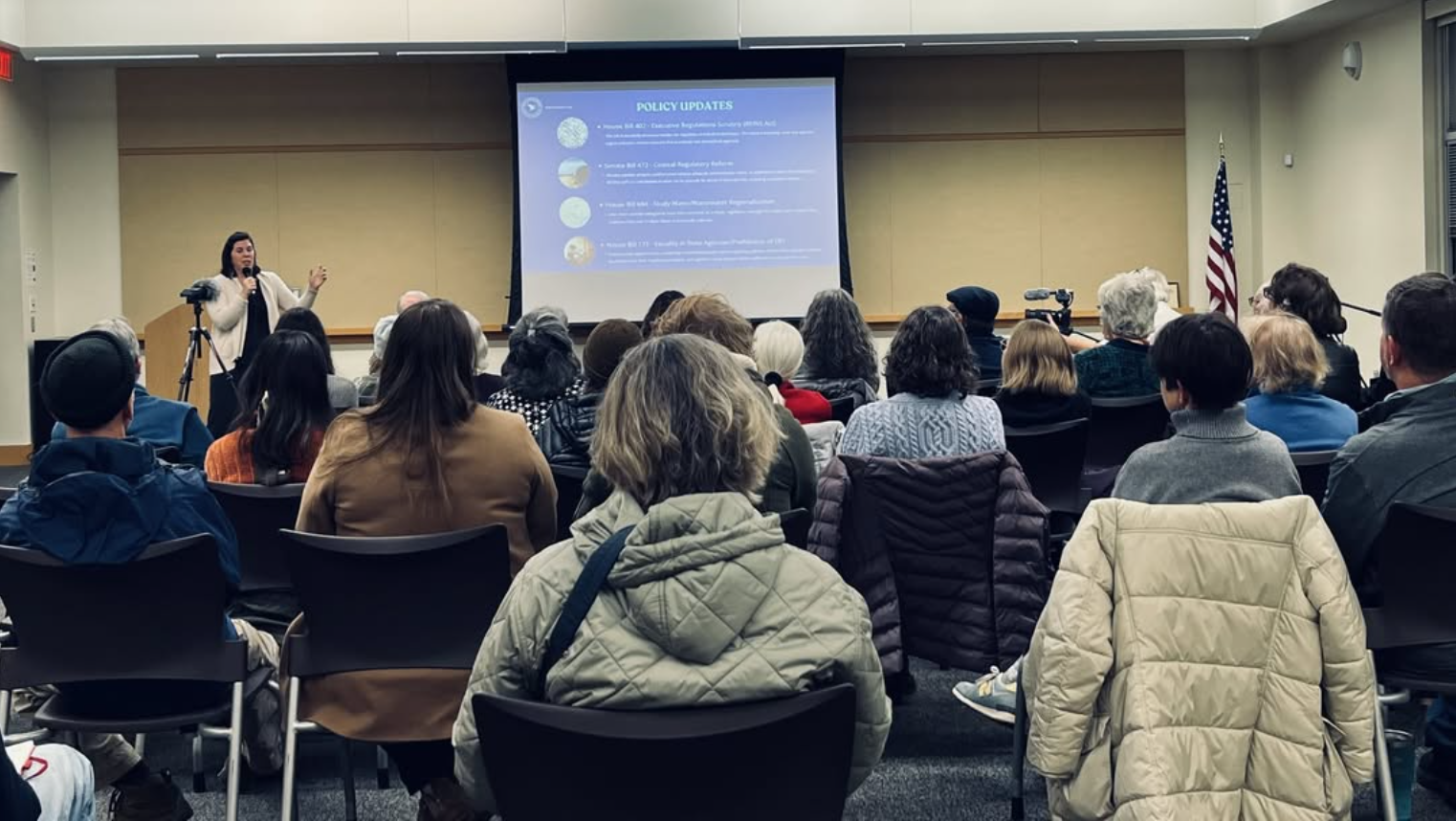
Leading the presentation, county attorney John Roberts said the decision will allow staff to study the potential impacts of the industry on water, energy, and noise, to then amend the Unified Development Ordinance (UDO) and regulate future facilities. Orange County currently has no large-scale data centers, nor are they defined in the land planning document.
Roberts explained why the lack of specificity for data centers is the county’s biggest worry as they continue to populate the country.
“That means there are no standards that can be applied to those under our ordinance,” Roberts said. “And so that’s why staff brought [the board] its suggestions on March 17 [to] examine what land use categories are appropriate, what standards can be appropriately applied to data centers.
“Without those, staff would have a difficult time with any application that came in,” Roberts explained.
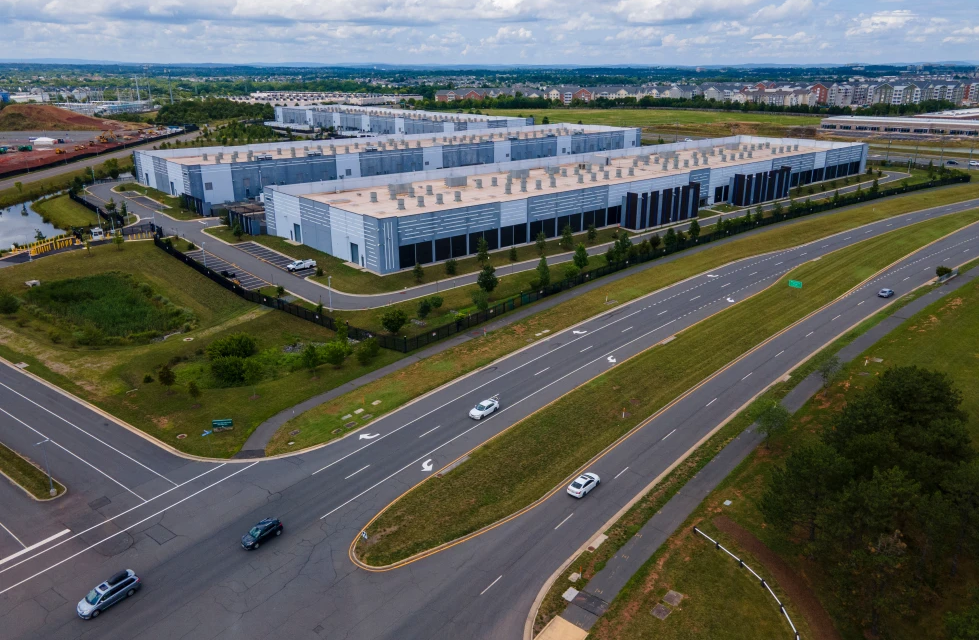
The networked computer servers are typically used by organizations for the remote storage, processing, or distribution of large amounts of data. The attorney said they have considerable environmental implications for those in close proximity to them. Those residents, particularly low-income and communities of color, experience worse air quality and more noise pollution. And because data centers can use energy amounts “comparable to a medium sized city,” he said providers can offset the increased service with higher bills for households.
“The average size of a data center is about 100,000 square feet, and they can go all the way up to 10 million plus square feet,” Roberts continued. “And so there are limited areas in Orange County where anything like that could be cited because of the lack of water. And they do use substantial amounts of water.”
With those environmental considerations in mind, the moratorium’s approval did not require much deliberation by the board.
“We have heard enough about the negative effects,” BOCC Chair Jean Hamilton told 97.9 The Hill. “And given that this is something new, it’s not in our UDO, it makes perfect sense to take a year to look at the research and see where it fits and put the regulations on as we do with other land uses.”
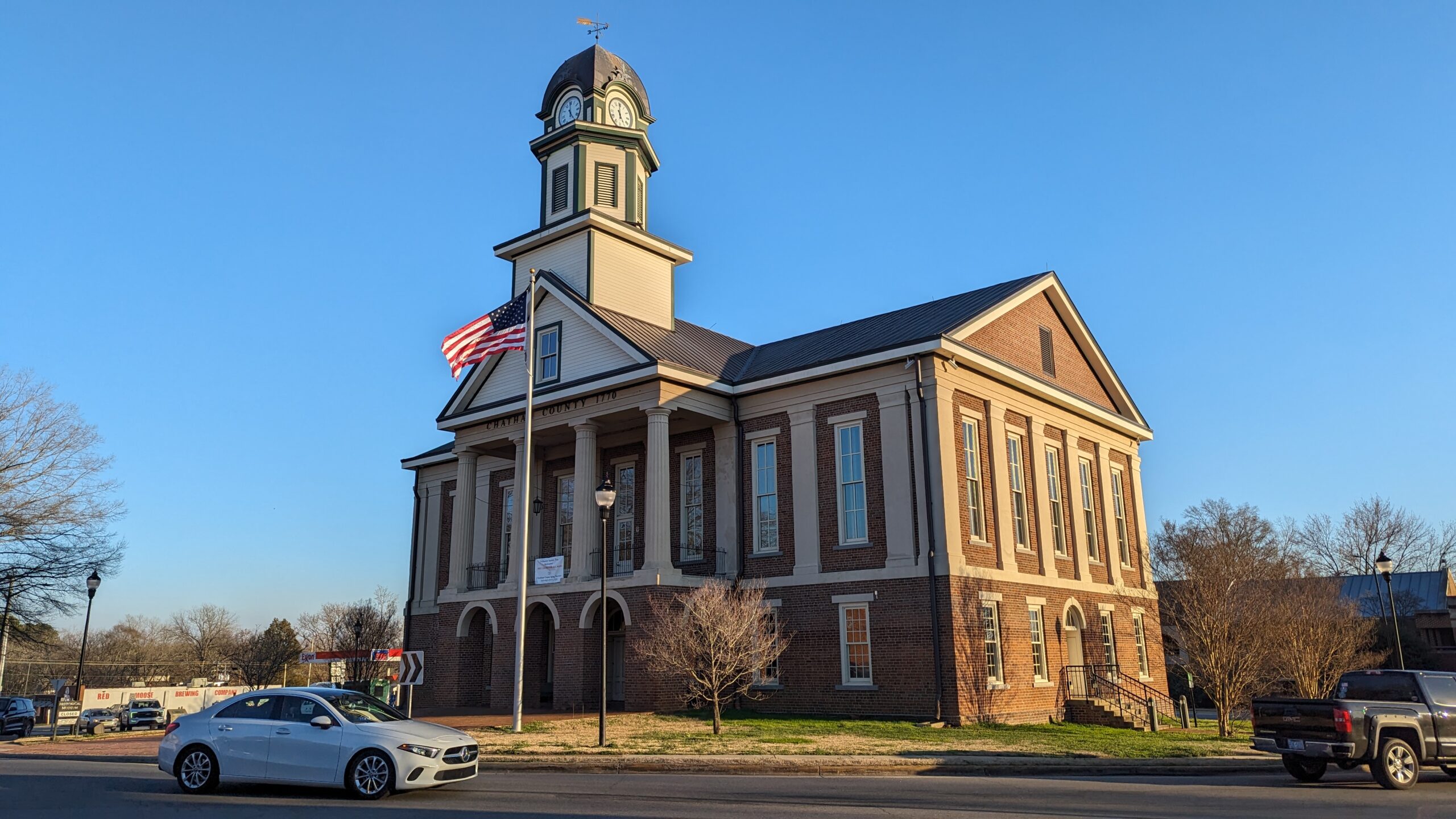
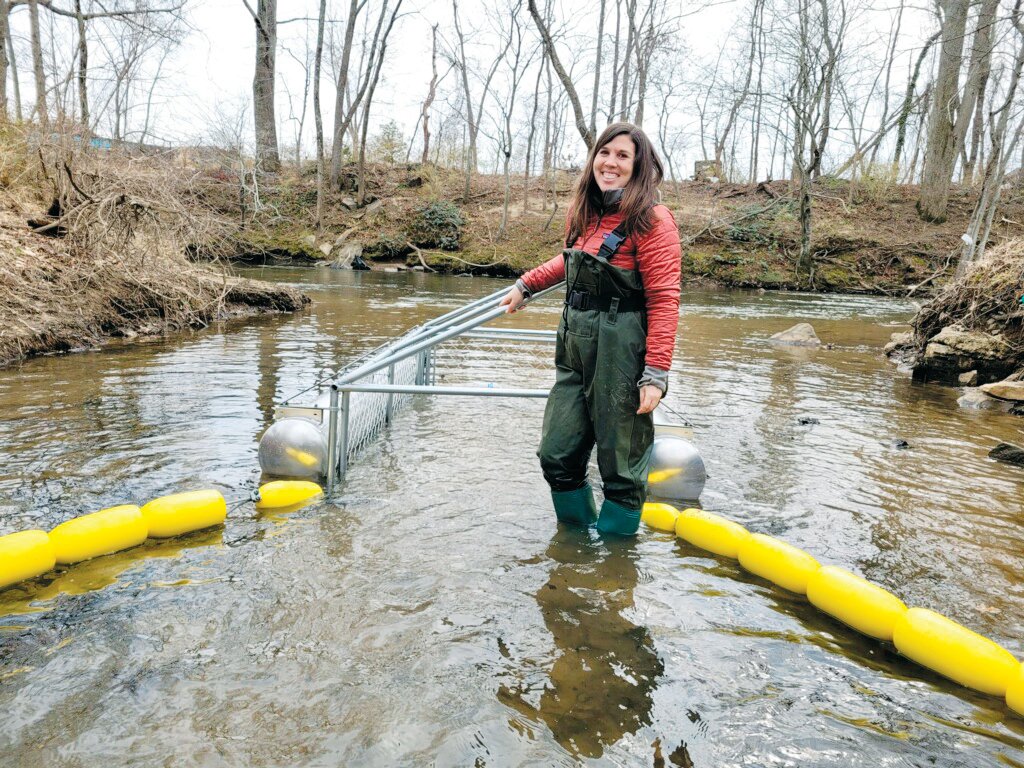
In February, Chatham County passed its own 12-month moratorium on AI data centers and data mining facilities, joining the municipal effort to regulate them and protect natural resources. But like on the local level, Haw Riverkeeper and Executive Director of the Haw River Assembly Emily Sutton said restrictions are also lacking from the state government.
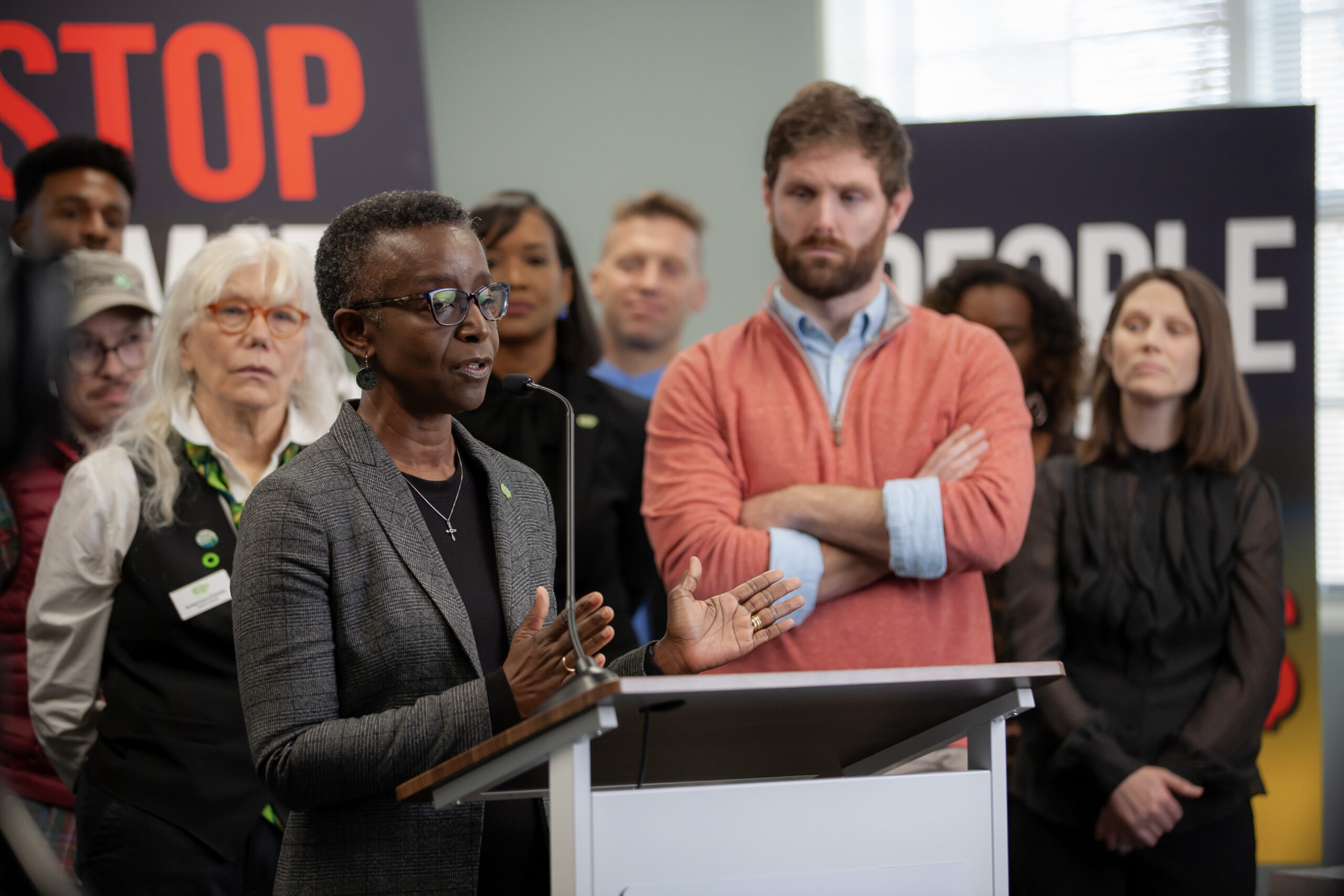
“North Carolina doesn’t have any guardrails for these industries. And also, our state does not have water withdrawal permits,” Sutton told 97.9 The Hill. “And so a data center can just come to Wake County and stick a pipe into Jordan Lake, or into the Haw, or into the Cape Fear and pull out as much water as they want.”
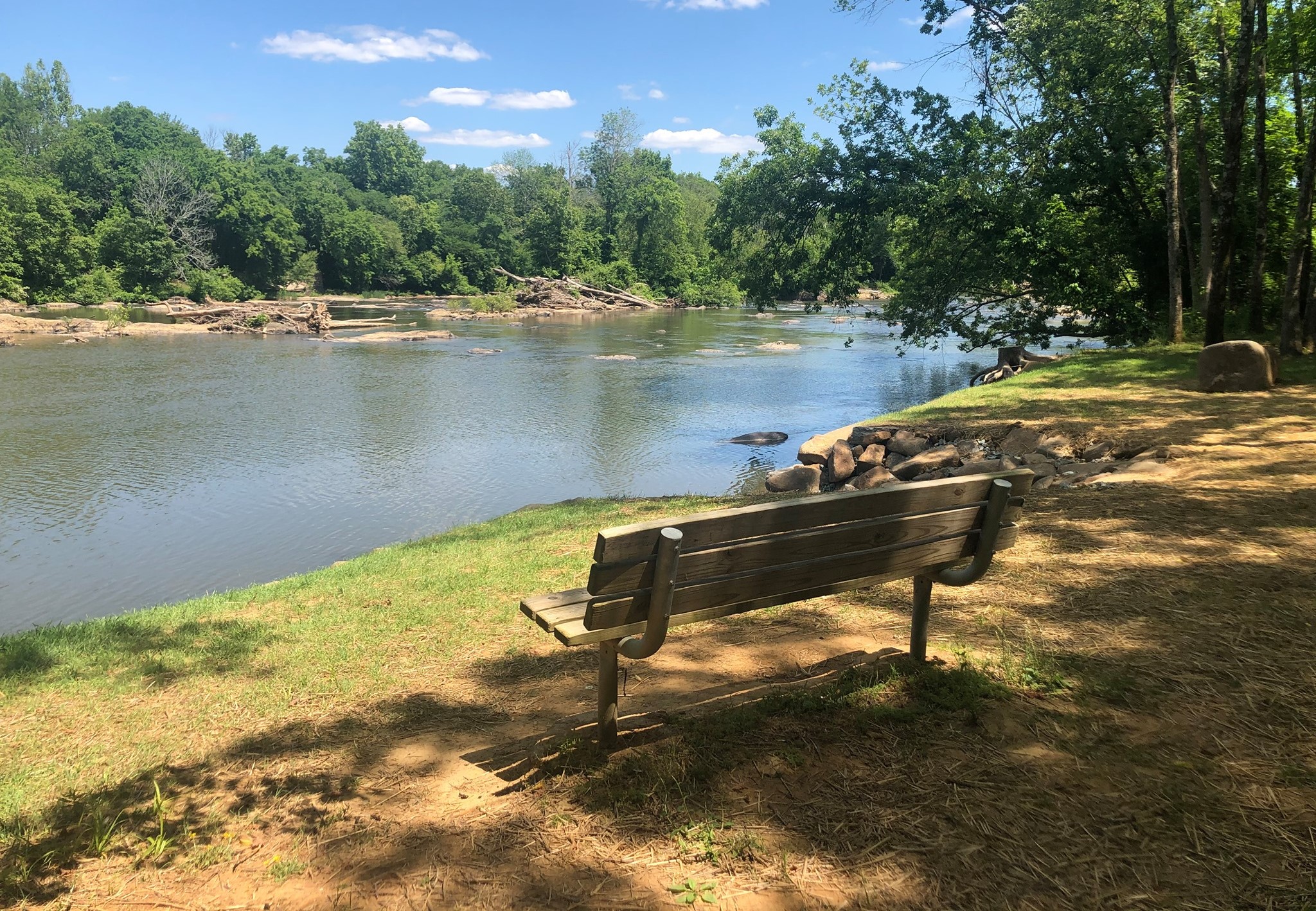
Sutton said little transparency and regulation makes watersheds like the Haw River, which provides more than 300,000 people with drinking water, vulnerable to water quantity issues. She said the centers are also not required to report how much water they withdraw. Looking at averages from existing centers in other states, however, she said the number can be “astronomical.”
“We want these counties and our watershed to put moratoriums in place to buy us some time,” Sutton said. “We’re not saying that we can ban data centers inevitably right now, but we need time to figure out what this means for our state, what this means for our counties, and what policies counties or the state can put in place to protect our resources and protect our communities.”
To watch the full BOCC meeting, click here.
Featured image via AP Photo/Ted Shaffrey.
Chapelboro.com does not charge subscription fees, and you can directly support our efforts in local journalism here. Want more of what you see on Chapelboro? Let us bring free local news and community information to you by signing up for our newsletter.