With ongoing uncertainty to federal welfare programs amid President Donald Trump’s administration changing federal funding norms, upcoming policy changes to Medicaid and other programs will impact who has access to affordable healthcare. In a conversation from last month’s Forum On The Hill series, local public health officials shared how they are worried about the potential impact on the wider Orange County community, not just those who rely on the programs.
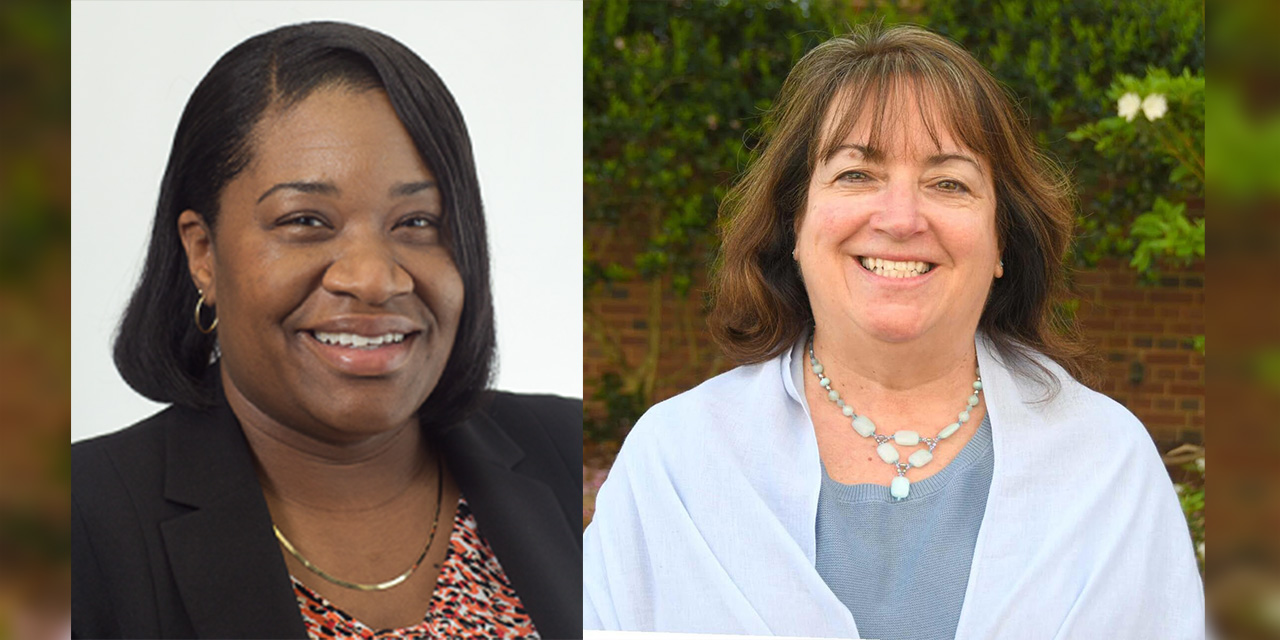
UNC Family Medicine’s Dana Iglesias said every individual person who has access to healthcare makes for a healthier community at large. So if the programs making that access possible are not funded or cut altogether, she told 97.9 The Hill how it creates barriers that ultimately impact everyone.
“The average American thinks of health as a commodity, thinks of health as an individual thing that I want or for myself or my family,” Iglesias said. “They don’t think about [it], as we would say, is greater good or what’s important for the community. But if my health is failing, it will ripple to the rest of the community.”
Iglesias said the gap between who has access and who does not is continuing to widen, stating how it can feel like every week that the fate of healthcare changes. On Jan. 8, the House voted to extend the Affordable Care Act’s health insurance subsidies for another three years, but there is still uncertainty if the Senate will do the same or if a bipartisan compromise bill will be favored instead.
She said she is also worried for the 5,000 Orange County residents currently enrolled in the Medicaid expansion program, which the Trump administration’s H.R. 1 bill plans to cut. New work requirements for Medicaid recipients could also make it easier for people to lose their eligibility, and the Orange County Health Department’s Jean Phillips-Weiner said she often feels “disillusioned and hopeless,” thinking about it. When people ask her whether the potential cuts will happen, she said the answer is a constant, “I don’t know.”
“When public health is working as it should, nobody notices it,” Phillips-Weiner said. “And it’s when public health services break down that [people say], ‘Oh we needed that.’” We’re seeing it with the measles outbreaks where people were saying ‘Oh, measles has been eradicated, I don’t need to vaccinate my child against measles,’ and once you get below a certain percentage of folks who are immune, it starts coming back. And nobody wants that.”
Day-to-day, Phillips-Weiner said people often delay receiving any care if they cannot afford it, contributing to worsened health conditions in the community over time. Alternatively, they may end up in emergency care, not knowing where else to go.
“If they can’t pay their emergency room bill, they either end up with a crazy, life-ruining amount of medical debt, or it gets eaten by the state,” she said. “And that costs us all more in taxes and general expenses. Ultimately, paying for Medicaid is more cost effective than us as taxpayers just eating the cost of unpaid medical bills.”
UNC Gillings School of Global Public Health’s Ciara Zachary said she thinks cutting people off of healthcare is ultimately more expensive and burdensome for the wider community, despite the bill’s intention to address efficiency and spending. And because 80% of health outcomes have nothing to do with the healthcare system at all, she said improving the overall state of public health means investing in affordable housing, SNAP, and other welfare programs.
“My wish would be for us to all really take a hard look at all those isms in our country that have led to these inequitable outcomes,” Zachary said. “That’s really nasty and hard to do and uncomfortable, but I think that’s the way to truly get to a place where folks can thrive.”
Iglesias said she thinks funding the already-present initiatives is the easiest path forward to help achieve equity in healthcare. But as political will for them continues to fade, she said it feels like the country is nearing a “fever pitch” for finding an alternative way forward.
“We’re at a point where things are being removed and the system is somewhat crumbling,” Iglesias said. “And I’m being almost gentle in saying that. We’re going to get to a part, from my point of view, that pushes us to more of a radical change. And my hope would be that the radical change is for the better as opposed to a minimal way to just barely keep this afloat.”
To hear the full discussion, click here.
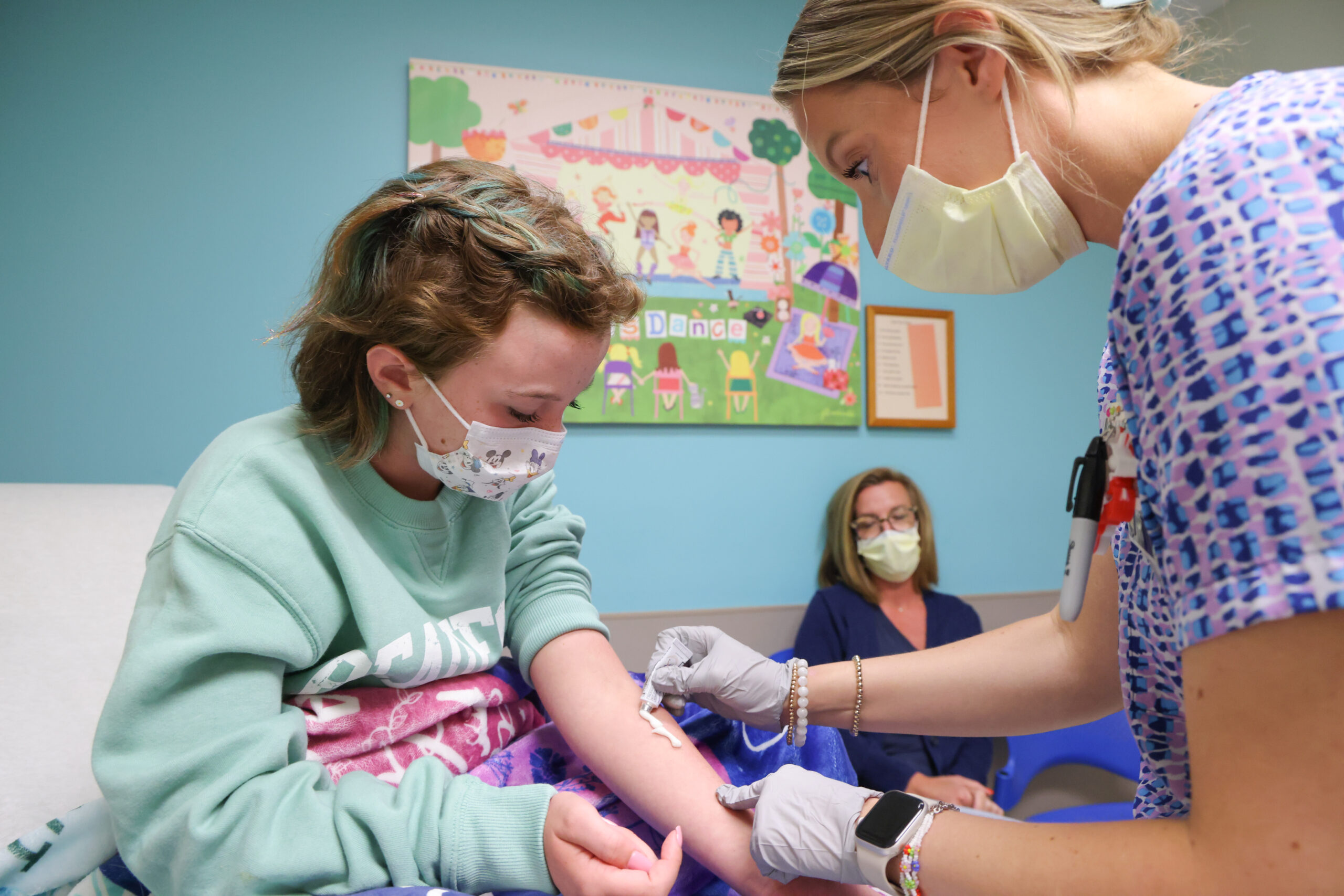
Featured image via Duke University Health System.
Chapelboro.com does not charge subscription fees, and you can directly support our efforts in local journalism here. Want more of what you see on Chapelboro? Let us bring free local news and community information to you by signing up for our newsletter.