Many children in the community rely on lunches provided to them by their schools in order to eat during the day. With the coronavirus pandemic forcing people to create new ways of doing things, the Chapel Hill-Carrboro School System has put together a volunteer-driven effort to ensure the kids are still getting their meals.
Julie Hennis — the volunteer coordinator for the Food for Students initiative — recently spoke with 97.9 The Hill’s Aaron Keck about how the program has adjusted to the situation.
Meals are prepared at two main hubs: the kitchens at McDougle and Northside Elementary Schools. From there, they are packaged and sent to 35 different feeding sites. Around 2,000 kids per week receive meals through the program, with Hennis estimating the school system having served more than 100,000 meals to this point.
“It’s a daunting task, but it’s not as difficult as one would think because we have such a rich group of volunteers in the community — they’ll drop anything they’re doing just to show up,” Hennis said. “And they’re ready to go and ready to go anywhere that you need for them to go. It’s been really wonderful to see this kind of work in action and the community coming together like this.”
In recent weeks, however, multiple employees of the school system — some of which have been involved in the food distribution chain — have tested positive for COVID-19.
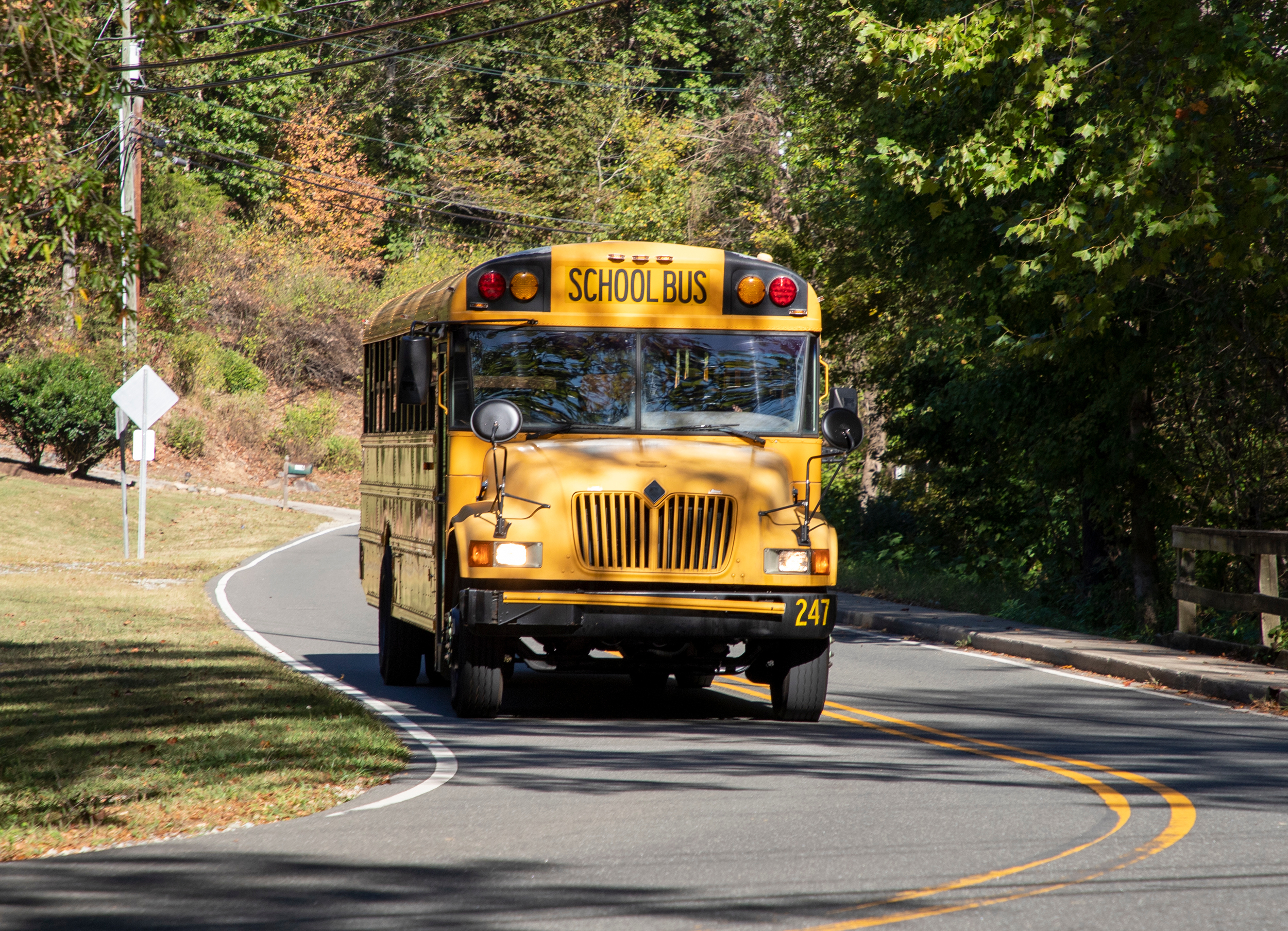
This has forced the initiative to temporarily move away from using buses and bus drivers to deliver the food, instead relying on volunteers to pick the meals up with their cars and drive them to the feeding sites.
Hennis said there are approximately 150 volunteers spread across the sites, with a goal of using the same people at the same sites to limit the amount of contact at any given place. Volunteers who drive the food from the packaging sites also have the meals put in their cars at the curbside in a similar effort to try and avoid the spread of the virus.
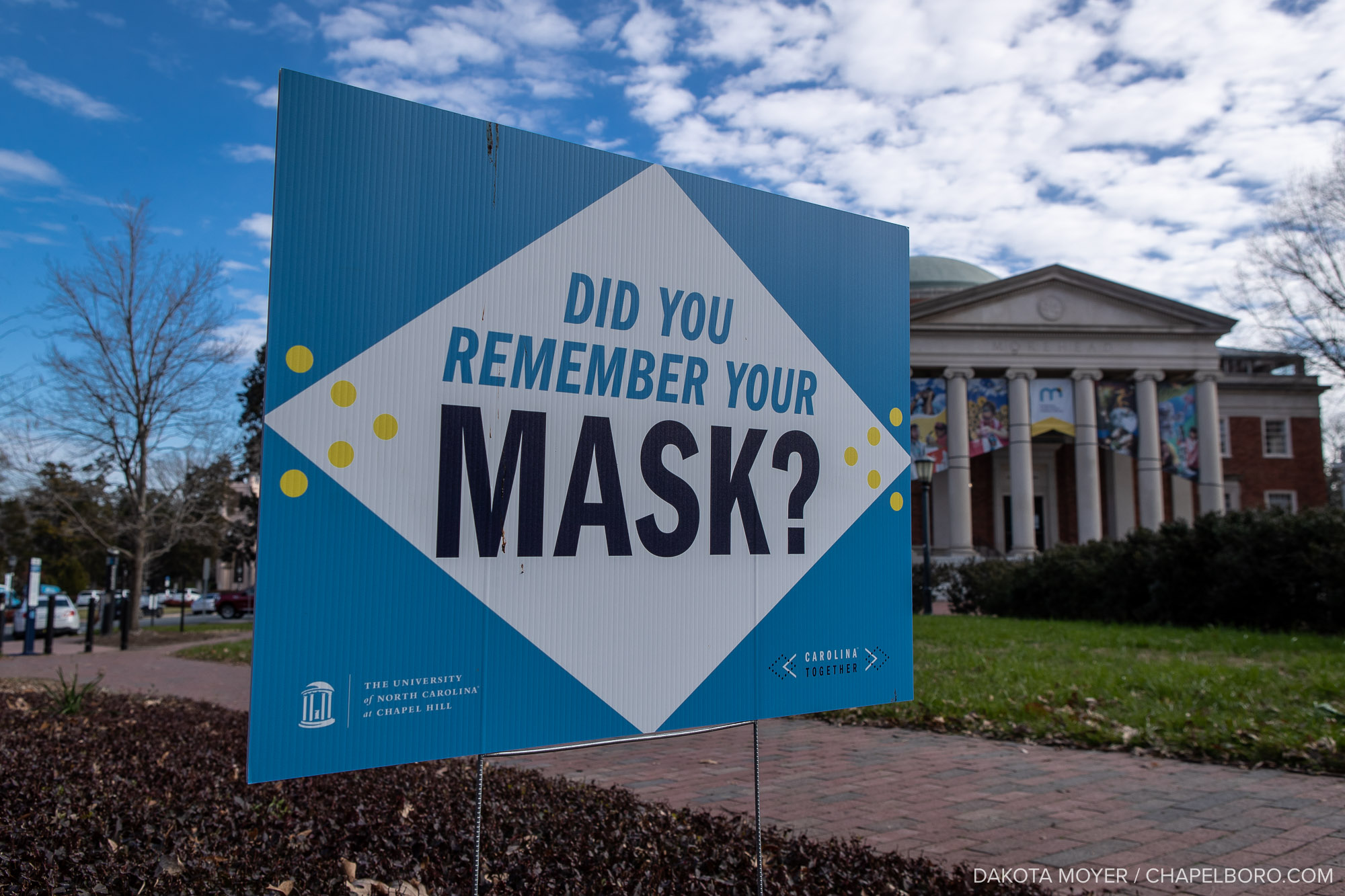
“We’re using all the same practices that the doctors and scientists have said work with this virus,” Hennis said. “We’re encouraging everybody to wear the mask when they’re there and keep their social distance. We never turn down any hand sanitizer if we can find some of that. And gloves. We’re just trying to be very safe and have limited amount of contact with individuals and still get the food out to the kids.”
Much of the school system’s energy and resources are focused on this project, Hennis said, which will likely take the place of the normal program that provides meals to underprivileged kids during the summertime when school is out of session.
As the pandemic continues to linger with no visible end in sight, it brings along uncertainty. Having gained valuable experience already with making adjustments on the fly, though, Hennis said she is confident the school system has what it takes to keep providing meals no matter the scenario.
“If this is something we need to continue doing down the road, or if there’s another situation in the fall or anything that comes of this virus lingering in the next however long this is gonna be,” Hennis said. “I think this is something that we can sustain.
“We’ll be ready to do this again if we ever need to do this,” she added later. “We learn by doing. We can do this.”
Photo via the Town of Chapel Hill.
Chapelboro.com does not charge subscription fees. You can support local journalism and our mission to serve the community. Contribute today – every single dollar matters.