July was the hottest month measured on Earth since records began in 1880, the latest in a long line of peaks that scientists say backs up predictions for man-made climate change.
The U.S. National Oceanic and Atmospheric Administration said Thursday that July was 1.71 degrees Fahrenheit warmer than the 20th century average of 60.4 F for the month.
Because July is generally the warmest month on the calendar, meteorologists say this means it also set a new all-time monthly record for the past 140 years.
Last month’s temperatures narrowly topped the previous July record, set in 2016, by 0.05 F.
The results had been expected after several European countries including France, Belgium and Germany reported that July smashed previous national temperature records. The Swedish hamlet of Markusvinsa recorded a sizzling 94.6 F, the highest temperature measured north of the Arctic Circle.
According to NOAA’s records, 9 of the 10 hottest Julys on record have occurred since 2005 and last month was the 43rd consecutive July above the 20th century average.
The record temperatures notched up in July were accompanied with other major landmarks. Average Arctic sea ice, for example, was almost 20% below average in July, less even than the previous historic low of July 2012.
The July peaks came hot on the heels of a sizzling June, which ended up being the hottest June recorded over the past 140 years.
The year to date is also 1.71 F above the long-term average, still slightly behind 2016 and on a par with 2017, NOAA said.
Meteorologists expect 2019 won’t beat the current record for warmest year, set in 2016.
Related Stories
‹
Earth Shattered Global Heat Record in ’23 and It’s Flirting With Warming Limit, European Agency SaysWritten by SETH BORENSTEIN Earth last year shattered global annual heat records, flirted with the world’s agreed-upon warming threshold and showed more signs of a feverish planet, the European climate agency said Tuesday. In one of the first of several teams of science agencies to calculate how off-the-charts warm 2023 was, the European climate agency […]

Local Heat Expert Warns of Warm Summer, Shares Cooling Tips and Policy SuggestionsA Triangle-based climate policy advocate is educating community members on ways to stay cool ahead of two summers likely to have extreme heat.
![]()
Climate Thursday: Ashley Ward on Planning and Policies for Summer HeatAshley Ward, a senior policy associate at Duke’s Nicholas Institute, speaks with 97.9 The Hill’s Andrew Stuckey on Thursday, May 18. As we prepare for summer weather, Ward shares tips on how people can stay cool at a lower cost. She warns, though, that more policy changes must be taken to prepare for extreme heat […]
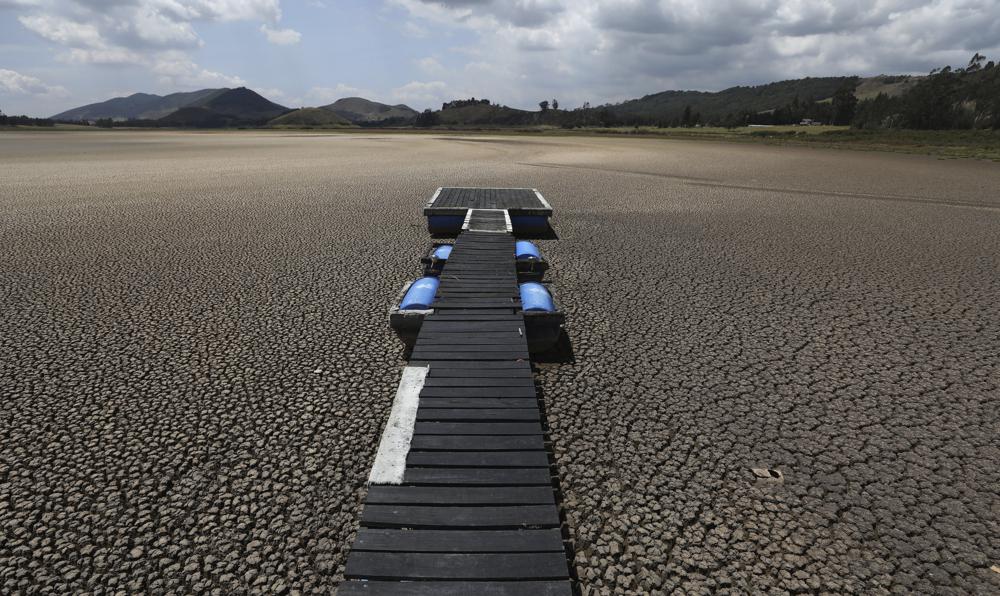
The World Inches Toward Catastrophic Climate Events: ‘Bigger Shocks Are on the Way’Scientists have long warned that the world will experience more intense extreme weather events like heat waves, storms, floods and droughts. Why do people struggle to understand?
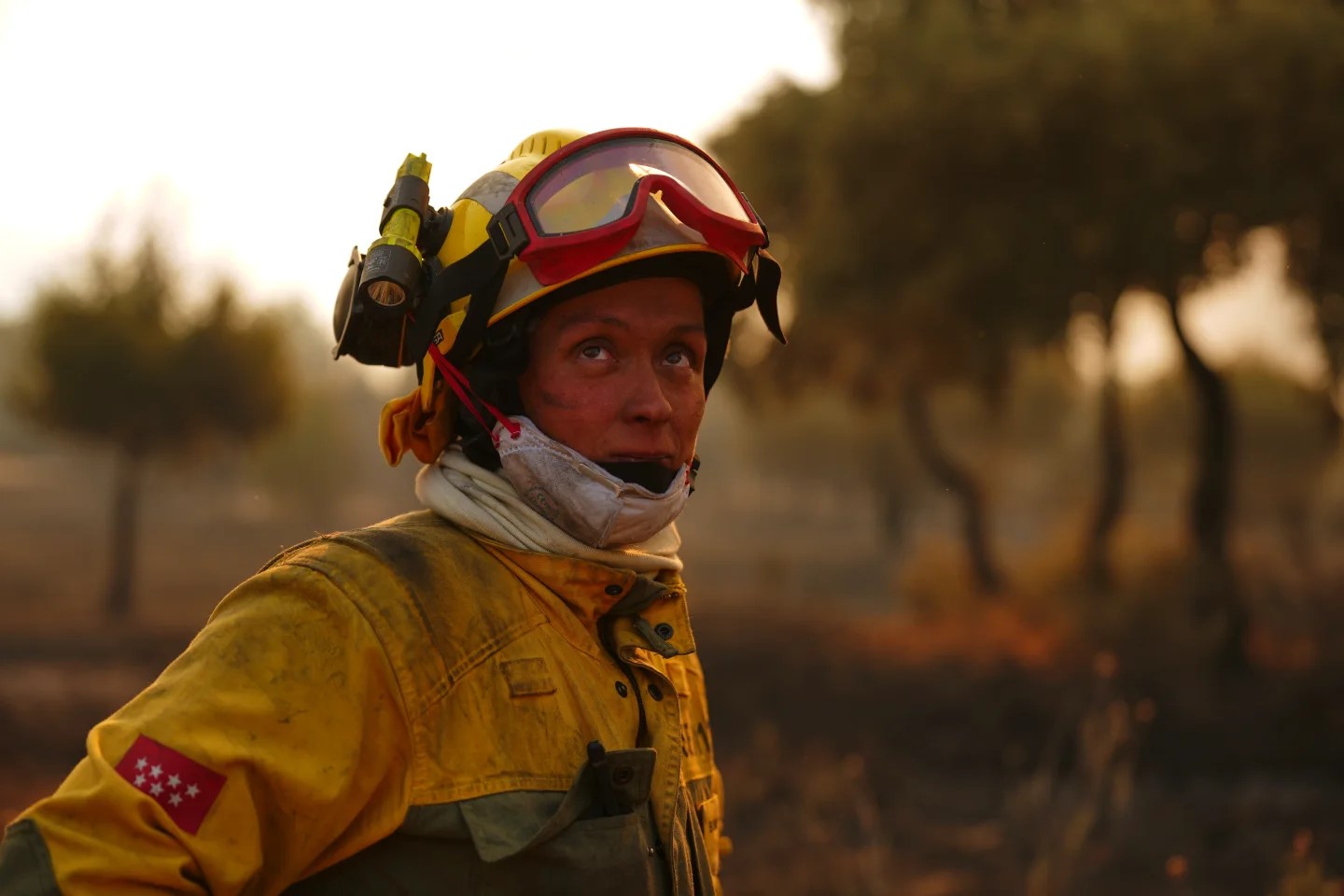
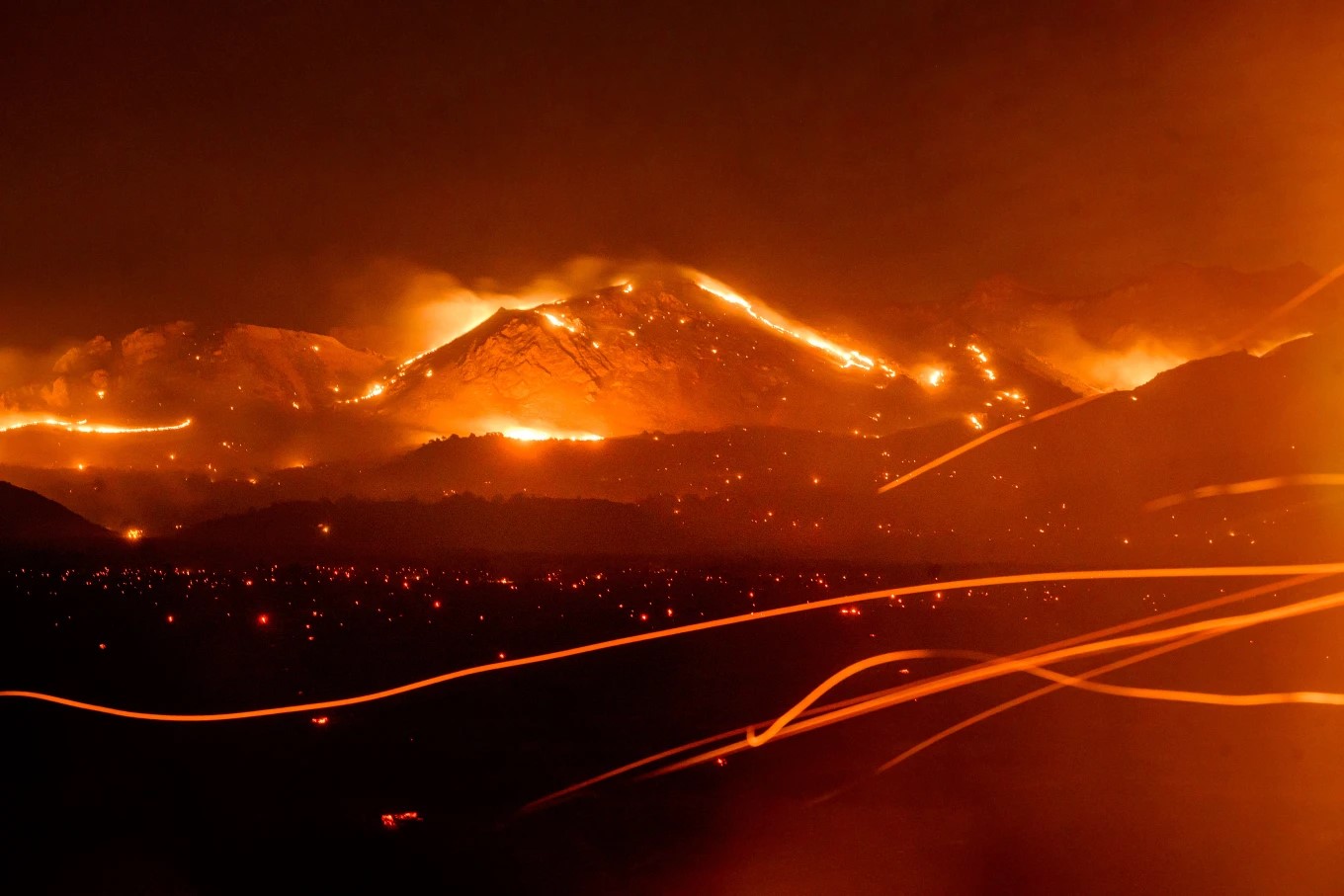
What to Know About the Historic Wildfires in France and SpainHeat waves and scant rainfall in Europe have contributed to historic wildfires in France and Spain that have forced hundreds of thousands of people to flee their homes.
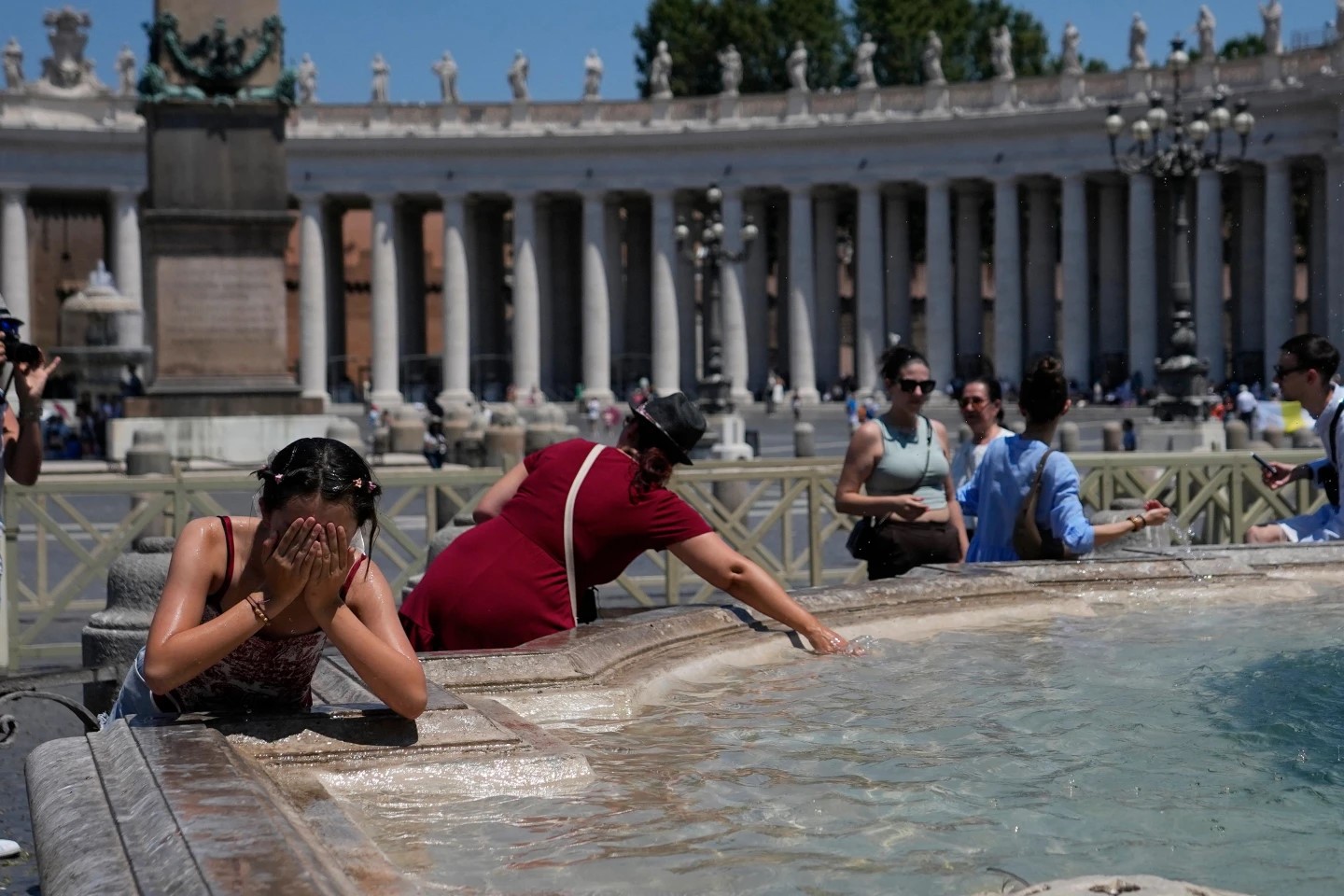
France Records Around 1,000 Additional Deaths as Extreme Heat Breaks European RecordsWorld Health Organization warned that Europe is now the fastest-warming continent and needs to do more to protect its citizens.

'Water, Rest And Shade.' Local Officials Share Advice For Dealing With HeatThings are hot, and they’re only going to get hotter. Here's what officials had to say on mitigating the danger heat poses.
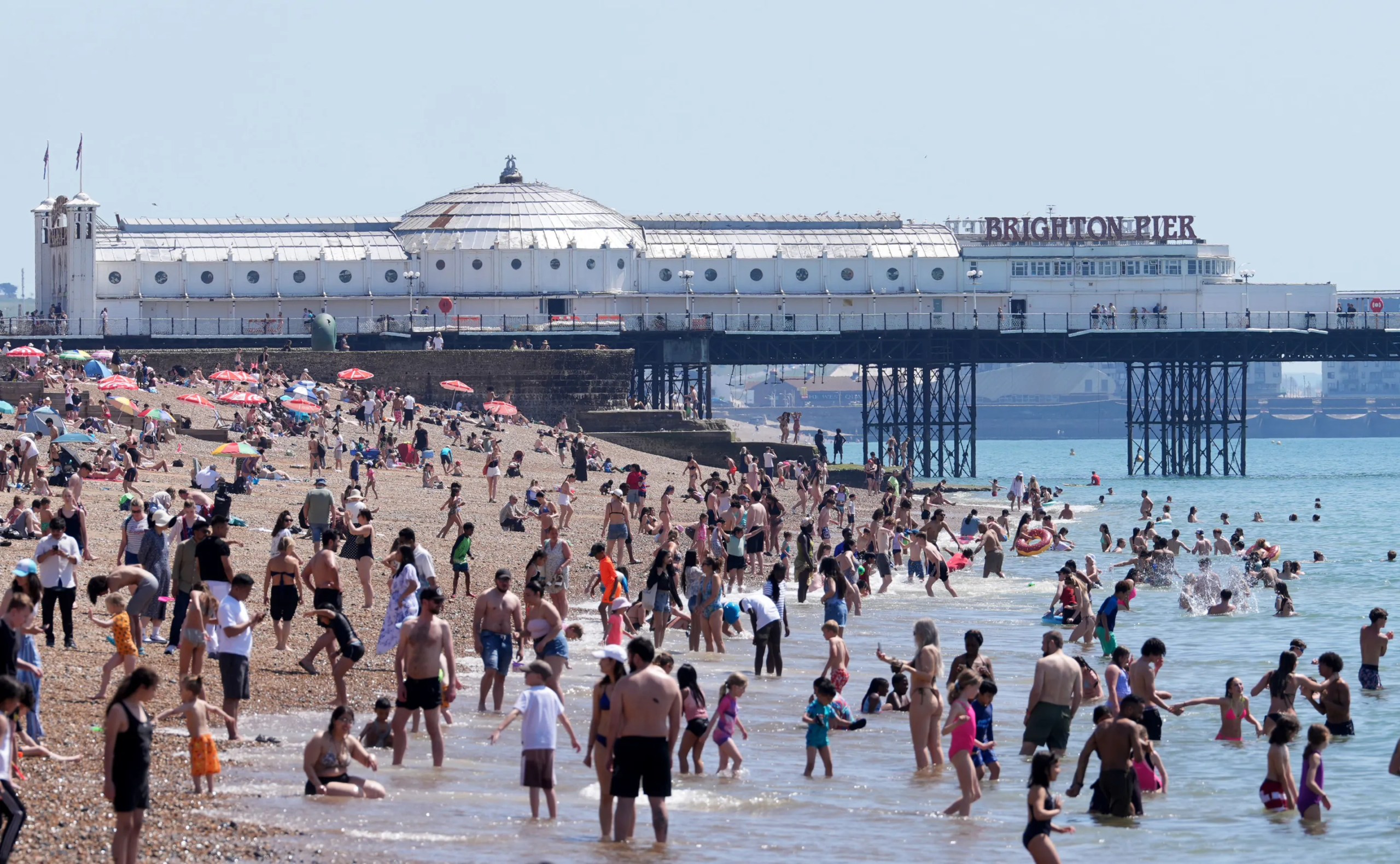
Exceptionally Early Heat Wave Shatters Records and Brings Deaths in EuropeThe United Kingdom smashed a century-old temperature record for the second time in 24 hours on Tuesday amid a spring heat wave.

Somalia Is in a Deadly Drought Again. Most Humanitarian Aid Isn’t There This TimeYet another drought is affecting millions of people across Somalia as it feels climate shocks. Cuts to aid are compounding the crisis.

As the Planet Warms, Scientists Burn Homes to Figure Out How to Best Protect Them in WildfiresFrom 2016 to 2025, wildfires in the United States on average burned an area the size of Massachusetts each year, costing billions in damages.
›