
Look Beyond the Score: The Real Champions of 2025 ACC Football
Have you ever been hurt or dismissed and later come to realize that there was a blessing for you that surpassed the harm? How often are we reminded to see the “big picture” as we navigate life’s twists and turns? Well, while getting amped up for the Atlantic Coast Conference’s (ACC) football championship game this past Saturday, I came to understand that there is a reality that needs to be amplified and applauded.
Due to hateful comments and lies that foster fear and policies that “close the door” or reduce opportunities, most people of color in the United States have experienced a tough year. We (or people we love) often feel unsafe and unwanted. So, as we close out 2025, it is much more than a notion to acknowledge that the athletic leaders at Duke University and the University of Virginia (UVA) are role models and an inspiration to many. The athletic directors (ADs) and head coaches for the top two teams that competed in Charlotte hail from communities of color. The ADs—Nina King (Duke) and Dr. Carla Williams (UVA)—are African American women. The head coaches guided highly ranked academic institutions known more for their prominent researchers and political alumni into the world of big-time National Collegiate Athletic Association (NCAA) Division I football. Manny Diaz, an immigrant from Cuba, and Tony Elliott, an African American who lost his mother in a car accident when he was a child, are beacons of hope for their respective universities and fans.
I am confident that these high-achieving leaders do not want to be highlighted because of their race. However, I don’t have the luxury of not talking about race and racism. I am conscious of race realities; I don’t have rose-colored glasses on when analyzing sports. The inequities and commercialization in sports have created bitterness, confusion, pain, and stress at all levels. Unquestionably, these ACC leaders have been the “only one in the room” many times and have been doubted by those who historically wield the direction and dialogue in sports. Diaz, Elliott, King, and Williams have overcome much and remain in battles that most cannot imagine are still taking place in America.
And yes, what is being mandated by the regime in Washington, D.C., in higher education touches the college sports landscape. It is disturbing that so many universities are participating in anticipatory compliance by shunning the research on racial disparities that exist in systems. The momentum that was underway—with many administrators requesting and convening workshops, conferences, and inquiries into disparities, including topics such as culture, compensation, hiring, firing, and performance—has been lost. Sadly, even a cursory observation since the founding of the NCAA and the growth of billion-dollar profits of the Big Four professional sports leagues reveals that people of color are strikingly absent from the halls of power, from professional ownership to college commissioners and head coaches. If we have the will, then how can we right the wrongs if we are not discussing, organizing, applying what we learn from the research, and evaluating the measures applied? Nothing changes without intentionality.
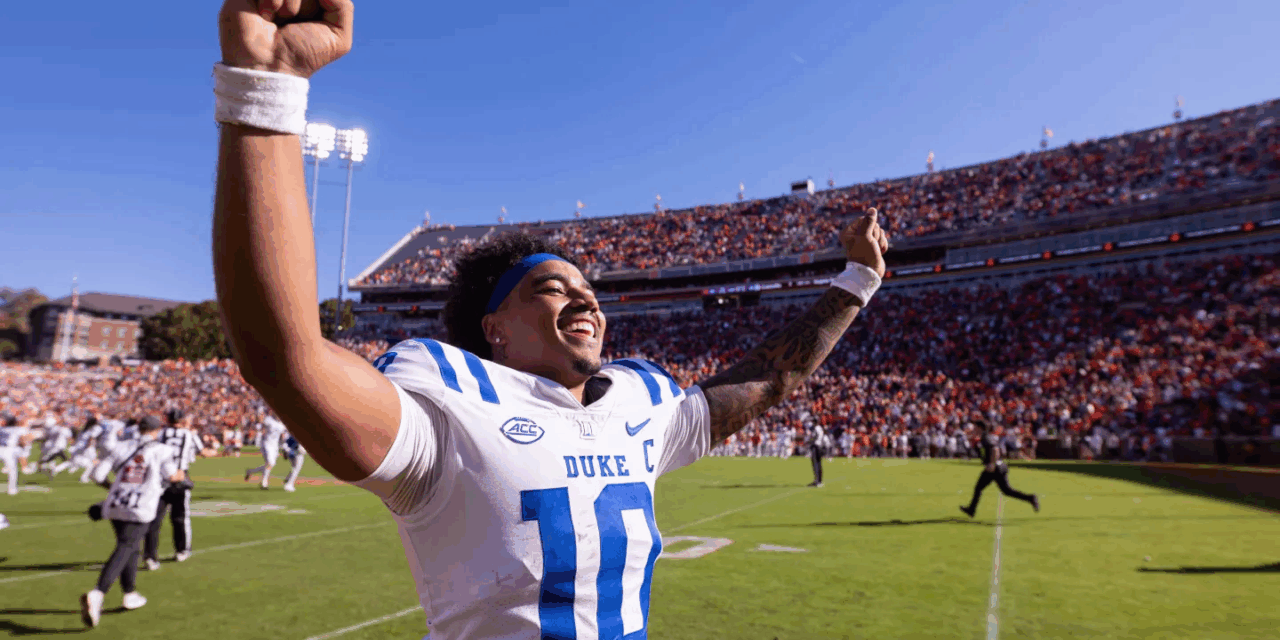
As a former basketball player at UVA and a coach at the University of North Carolina, I recognize my bias for all things UVA, UNC, and the ACC. I don’t consider myself a college sports fanatic, but there is no doubt that I continue to pay close attention to outcomes that derive from the commitment of dedicated ACC athletes, employees, and volunteers who keep the conference in the national spotlight. It’s much more than just doing my work as a professor who examines the sport industry. Although I nearly lost my voice from having multiple conversations about the matchup and then cheering for UVA in the championship game, I had to put it all in perspective and look through my racial-equity lens to avoid becoming heartbroken and miserable from the Virginia overtime loss. What really mattered is that Duke won the game—and, more importantly, that we all won as a nation.
In college sports, the transfer portal and the ability for athletes to make money without jeopardizing their eligibility have changed the game. Many elite athletes want to capitalize on this short window of time to showcase their skills, which makes for a very challenging effort for athletic administrators to manage their staff, ensure compliance, fundraise, reimagine operations, upgrade facilities, and more. Coaches have the task of molding young athletes into mature adults who need to learn that “tough love” is not a reason to transfer to another college and must prepare them for life after sports. Champions Diaz, Elliott, King, and Williams have mastered these responsibilities at the highest level of college sports.
We are blessed to witness the management styles of these ACC leaders. Each one is making a difference to create a winning environment for success. In the boardroom or the locker room, their voice and vote are changing how people of color are perceived and accepted. Their accomplishments remind us that when qualified people are given the opportunity to get in the game and compete, better ideas and outcomes are possible.
During this holiday season, we have much to be grateful for, including sports, which give us a fun break from our daily stressors. Please join me in thanking Diaz, Elliott, King, and Williams for their courage and grace to stand tall. I am hopeful that young ACC athletes can look past their short-term athletic goals and appreciate this moment in time as much as I do.
Go ACC!
(featured image via Associated Press/Scott Kinser)

“Never Too Far” contains perspectives and insights from an inquisitive and engaged Orange County transplant from Philly. Deborah Stroman is an entrepreneur and UNC leadership professor who has seen too much and not enough, and thus continues to question and explore the thoughts and actions of humankind.
Chapelboro.com does not charge subscription fees, and you can directly support our efforts in local journalism here. Want more of what you see on Chapelboro? Let us bring free local news and community information to you by signing up for our newsletter.

