The Link Between the Mediterranean Diet and Lower Risk for Dementia
Memory loss, confusion, and difficulty concentrating are some of the signs and symptoms of dementia. But scientists say there is a way to decrease your risk of developing such cognitive decline. By eating a Mediterranean diet, you could decrease your risk for developing dementia or prevent it entirely.
When someone has dementia, memory, language, understanding and judgment can all be affected. It’s a fact that you are more likely to develop dementia as you get older, but certain lifestyle factors have a huge influence on reducing that likelihood. One of the most influential is good nutrition, especially the “Mediterranean Diet”.
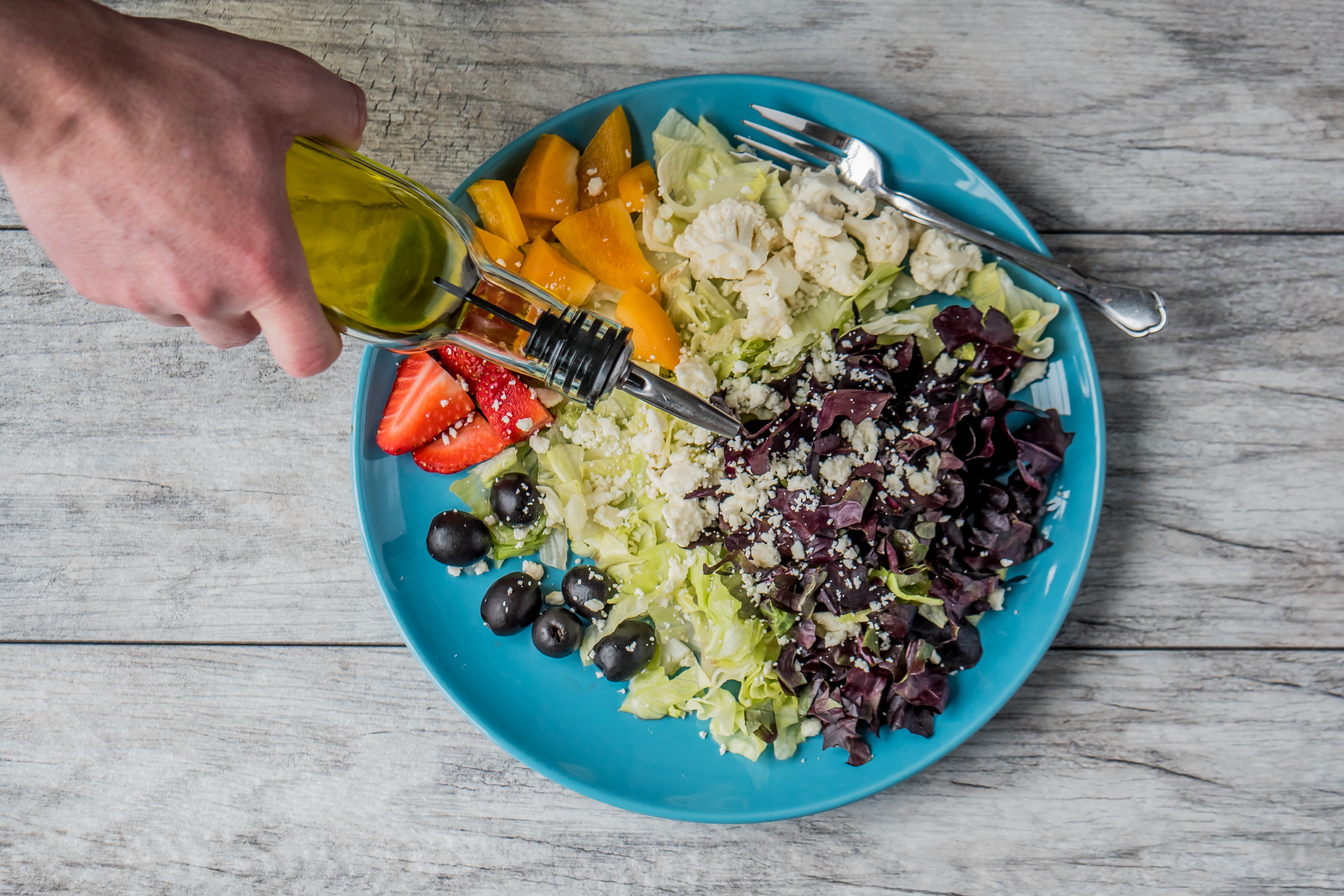
A Mediterranean Diet is rich in vegetables, fruit, fish and grains. It contains large amounts of fat from vegetable sources, such as olive oil and nuts. Such a diet contains a lot of antioxidants and has anti-inflammatory nutrients, both of which are good for your brain. It’s also protein-rich, which also helps prevent inflammation.
If you are concerned about dementia, start with diet, but don’t stop there! Regular exercise, avoidance of smoking, and staying mentally active through professional or social pursuits are all significant ways to keep your brain sharp. The good news is that most of these activities are fun and enjoyable.
About the Author:

Lorenzo Mejia and his wife, Mary Lynn Ryerson, are the owners of Acorn, a caregiver registry located in Chapel Hill.
They founded Acorn based on their experiences caring for his mom, who suffered with Alzheimer’s Disease. In 2013, he became a Qualified Dementia Care Specialist. In 2014, the Alzheimer’s Foundation named him the Dementia Care Professional of the Year in the United States.
Lorenzo is the founder of Dementia Friendly Orange County an effort to make local businesses more accommodating to people with dementia.
Lorenzo speaks often on dementia and the challenges associated with caring for loved ones. He has been interviewed by ABC News and National Public Radio. He is an advisor to Orange County’s OC-CARES Dementia Capable Community Project.
Related Stories
‹

UNC Study Advances Understanding of High-Fat Foods' Impact on Memory, Brain FunctionWhile diet changes have long been credited for long-term health benefits, it's not often for brain health. A new UNC study may update that.

UNC, Duke Establish Joint Alzheimer's Research Center with NIH GrantUNC and Duke are teaming up to establish a joint Alzheimer’s Disease Research Center. One of 33, the UNC-Duke center plans to focus on how factors relating to the development of Alzheimer’s arise later contributing to racial, ethnic, and geographic disparities in developing dementia.

What Helps Prevent Dementia? Try Exercise, Not Vitamin PillsIf you want to save your brain, focus on keeping the rest of your body well with exercise and healthy habits rather than popping vitamin pills, new guidelines for preventing dementia advise. About 50 million people currently have dementia, and Alzheimer’s disease is the most common type. Each year brings 10 million new cases, says […]

Companies Navigate Dementia Conversations with Older WorkersFaced with an aging American workforce, companies are increasingly navigating delicate conversations with employees grappling with cognitive declines, experts say. Workers experiencing early stages of dementia may struggle with tasks they had completed without difficulty. Historically punctual employees may forget about scheduled meetings. And those who have traveled to the same office day after day, […]

The Caring Corner, presented by ACORN: Does the President have Dementia?According to one of his sons, Ronald Reagan’s fight against Alzheimer’s started while he was President. The fortieth president was officially diagnosed with the disease in 1994, half a decade after he left office. But his son Ron has shared that he had become increasingly concerned with his dad’s cognitive abilities as early as his […]

The Caring Corner, presented by ACORN: The Link Between Head Trauma, Football and DementiaIf you’re aware of the goings-on at Chapel Hill High School, you may have heard that the school this year is not fielding a varsity football team. Sadly (or un-sadly), there are not enough upperclassmen who want to (or are allowed to) go out. The school will still have a JV team. Our own son is at Chapel Hill […]

The Caring Corner, presented by ACORN: Caring Options for Parents with DementiaMom Has Dementia… Should I Put Her Into Long Term Care? When you reach this stage with a loved one, there are two basic options. Care for your mom at home. This probably includes getting part-time care with a nursing assistant and/or having her go to an adult daycare center for certain portions of the […]

The Caring Corner, presented by ACORN: An Old Drug for a New DiseaseA drug that cures dementia? It’s the headline we are waiting for. It may be premature to celebrate, but researchers had a major breakthrough by achieving an important result in mice. They showed that tau pathologies, the second most important lesion in the brain of people with Alzheimer’s, can be reversed by a drug used […]

The Caring Corner, presented by ACORN: Finding the Right Caregiver for MomLocate caregivers directly or engage an agency? It’s one of the biggest questions facing families when mom or dad needs help. The costs of care add up, so doing it yourself is a workable option, as long as you are prepared to invest time and energy in the process. Plan on spending at least a few […]

The Caring Corner, presented by ACORN: The Mediterranean DietThe Link Between the Mediterranean Diet and Lower Risk for Dementia Memory loss, confusion, and difficulty concentrating are some of the signs and symptoms of dementia. But scientists say there is a way to decrease your risk of developing such cognitive decline. By eating a Mediterranean diet, you could decrease your risk for developing dementia […]
›