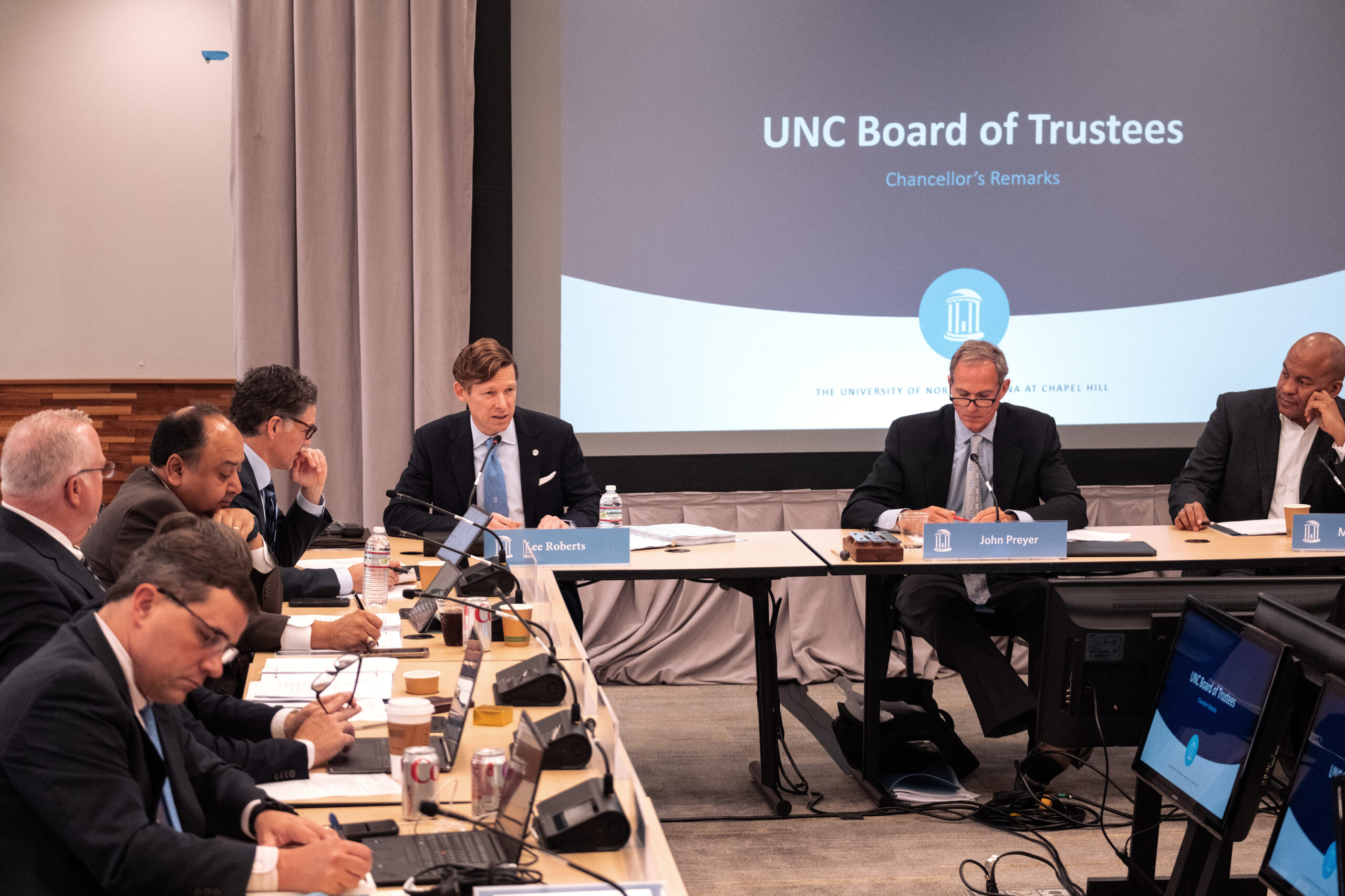

The UNC Board of Trustees balked at an initial proposal to consider increasing undergraduate tuition for the first time in nine years, requesting it stay flat for another class of students and sending the university administration back to the drawing board.
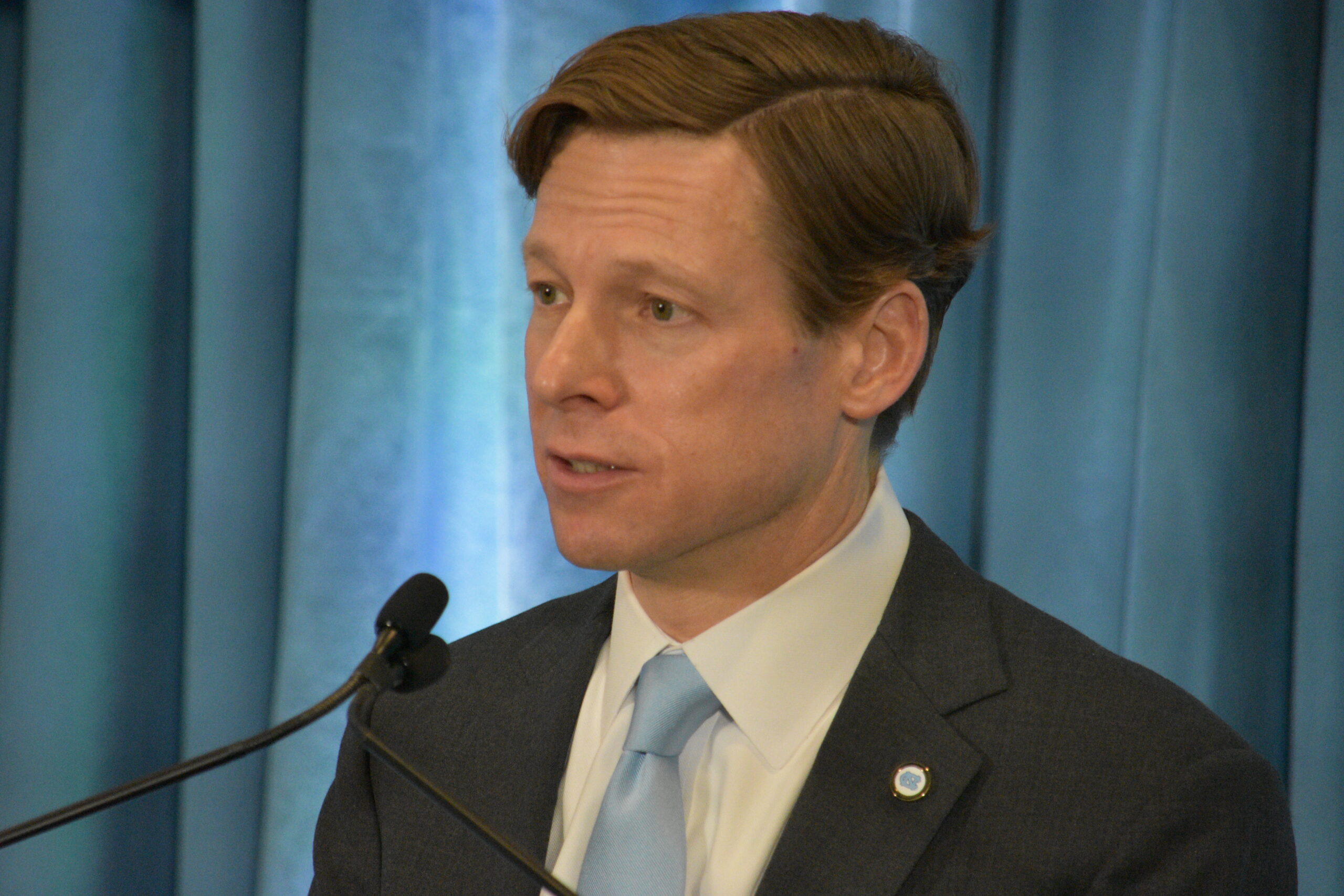
During the board’s Budget, Finance, and Infrastructure Committee meeting on Wednesday morning, trustees shared their feedback with Vice Chancellor of Finance and Operations Nate Knuffman about a potential 3% increase on tuition for in-state students, 10% increase on tuition for out-of-state students and a $53 increase on student fees. Those rates would translate to a $211 increase per year for in-state undergrads and a $4,320 increase per year for out-of-state undergrads.
With the support of Chancellor Lee Roberts, the plan was shared in an effort to mildly aid the university’s finances and make up for the inflation increases since the last tuition increase in 2016-2017 — the last class of students before the UNC System held tuition rates flat. But the committee instructed the administration to craft a new proposal with no tuition increase on in-state undergraduates and instead an increase on out-of-state graduate students’ tuition. The item, in its originally presented form, will be brought back during the board’s full meeting scheduled for Thursday morning — and if approved, would be submitted to system office in December.
UNC System’s Board of Governors allowed the public universities to begin considering tuition increases earlier this year. Beyond the prior commitment of keeping rates flat, the flagship Chapel Hill campus has also followed a Fixed Tuition Program, which is a pledge to keep the same rate of tuition for students who attend eight consecutive semesters. Another factor leading to UNC’s lag compared to its peers, Knuffman said, was the UNC System’s cap on tuition charges at 12 credit hours — which allows students to take additional credit hours at no further cost. The vice chancellor credited all those efforts as prioritizing affordability, but affected how the university has been able to make money from tuition.
The $53 student fee increase, meanwhile, would to go toward UNC’s debt service to support finance for a new student recreation and wellness center. The university projects needing $120 million for the renovations and new construction, but plans to increase total mandatory fees by the maximum rate of 3% for four consecutive years. The rest of the funding is expected to come from university reserves and donor funds.
“Even with that increase,” Knuffman said during the discussion, “we are still by far the lowest fee level within the [university] system — by even more than $350. In terms of what to expect, this is Year Two of a four-year plan, so we plan to put this in front of you again next year and the following year.”
“I do think we start from a relative position of affordability,” he later said, responding to comments about financial aid resources. “On top of that, our aid programs are generous — it’s been recognized by Princeton Review, it’s been recognized by multiple publications — and again, that value proposition [of getting a degree at UNC] here is incredible.”
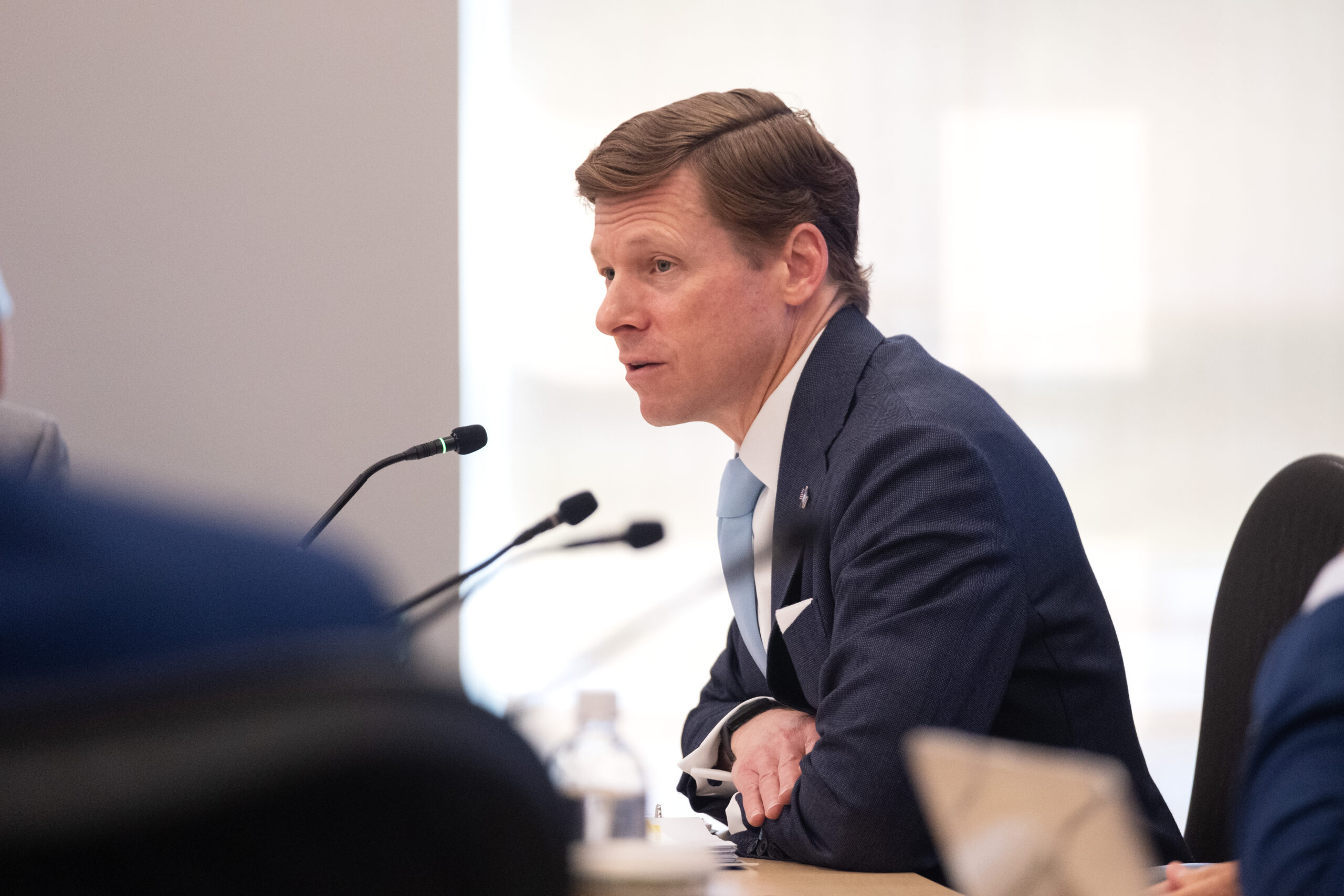
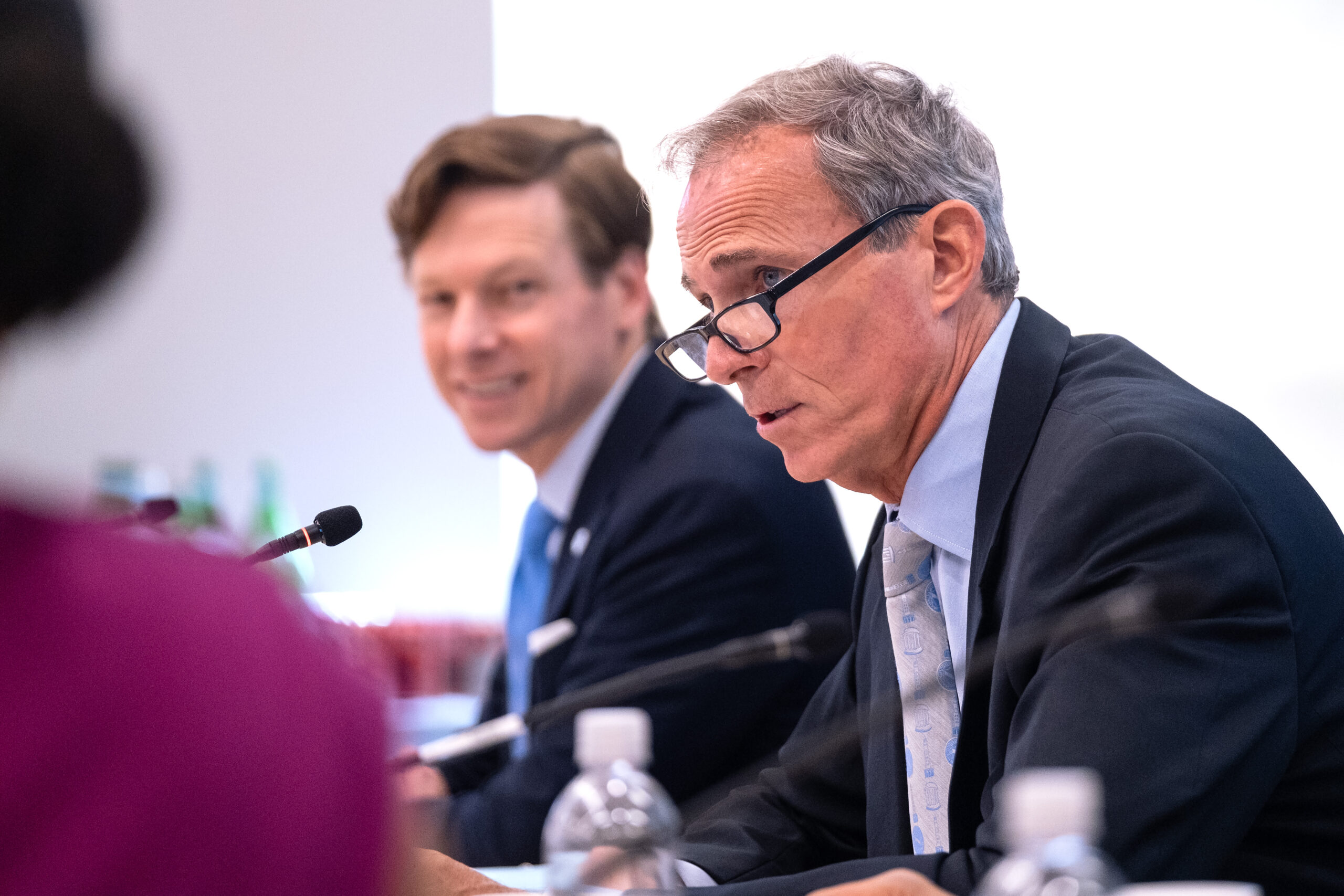
Some trustees, however, remained skeptical of raising tuition for the Class of 2030, who would be the first class to experience the proposed increases. Trustee and committee chair Marty Kotis said his interpretation of the North Carolina Constitution and UNC System policy means the Board of Trustees must keep tuition as low as possible for in-state students and explore raising it for other student groups.
“What that practically means is if we have the ability to raise out-of-state tuition — and we have plenty of demand for that — and we have the ability to raise out-of-state graduate,” he said, “those are all levers that could be pulled before we do a resident undergrad tuition increase. So, I think in complying with constitutional requirements, state law and BOG policy, we must explore every other lever before we increase in-state tuition.
“And I know,” Kotis added, “the system guidance is 3% [increases] and what our sister institutions — so far, from what I’ve heard — are all doing is taking 3%. Well, just because everyone jumps off a bridge, we don’t need to — and I think we need to show decisive leadership here.”
Other trustees questioned the value of raising tuition amid the UNC System’s recently updated performance model, with the campuses contributing money to a $30 million pool based on their operating revenues and state appropriations and earning back amounts based on their performance. For this school year, UNC-Chapel Hill paid roughly $6.9 million — the most of any system school — largely based on its imbalanced amount of operations and appropriations, and some trustees referred to the cost as a “tax” on the campus.
“How do we know, or is there any assurance we can have, that any tuition increases we might have here… those dollars won’t end up going off of our campus through an increase in this transfer through performance funding,” Trustees Ritch Allison asked on Wednesday. “That’s really the primary concern I have when we talk about this. Because all of the market data makes sense to me, I understand inflation and everything else…but that’s really the main concern I have in all of this.”
Knuffman responded by saying he has not heard of any continued interest in changing how the performance funding would be done moving forward — signaling no likely change any time soon.
The Board of Trustees will hold its full board meeting, where it will take final action on any items from committee meetings, at 9 a.m. on Thursday morning. The full video of Wednesday’s committee meetings can be watched on the university’s YouTube channel.
Featured image via Jon Gardiner/UNC.
Chapelboro.com does not charge subscription fees, and you can directly support our efforts in local journalism here. Want more of what you see on Chapelboro? Let us bring free local news and community information to you by signing up for our newsletter.