CHAPEL HILL – The UNC Board of Governors is working to cut energy and water costs for the schools to make a more efficient system and President Tom Ross says the schools are making small changes to save big.
“You may recall that our strategic plan identifies some key areas of work, like including energy-related research, analysis, instruction, and outreach, where with targeted investments UNC, we believe, can make a real and meaningful difference,” Ross says.
The UNC system averages $225 million per year on energy and water costs. Since last year the university system has saved $63 million in energy costs and $13.7 million in water costs. Since the 2002-2003 school year the total equals $297 million in savings.
System wide, the schools have managed to cut electricity by 20 percent and water by 40 percent, and President Ross says there are more plans to continue making the University more efficient.
“To date, this board has authorized 15 guaranteed energy performance projects across the system,” Ross says. “Ten of these projects are currently under contract producing energy savings of more than $10 million per year.”
Current energy sources can be costly in terms of money and for the environment. The UNC system has often been at the forefront of innovation and new ideas, and energy is no different. Ross says that UNC will stay at the forefront when dealing with energy and water to improve the system.
“Recognizing that most sources of easily accessible energy are limited and that many are non-renewable, the plan calls for UNC to be in the forefront, in collaboration with private industry and non-profit organizations and making discoveries that will fuel our state and the world in the future,” Ross says.
The University schools have worked to reduce costs of energy and water by substantial amounts. However, Ross says that they will continue to work and cut costs for expenses like water and energy.
“But we know we can do more, and we have as a collective goal in our university system to save $1 billion over the next 20 years in water and energy costs,” Ross says. “And while the financial savings are important, we will also be helping to preserve our natural and environmental resources for future generations. “Water, for example, is, we believe, the new precious metal, and we have to be sure its preserved as a public asset and that we protect our water supplies and find new ways to reduce consumption.”
UNC has implemented many ways to conserve water, like grey water in the bathrooms. The University says plans like these will continue to appear as it works to conserve resources.
Related Stories
‹
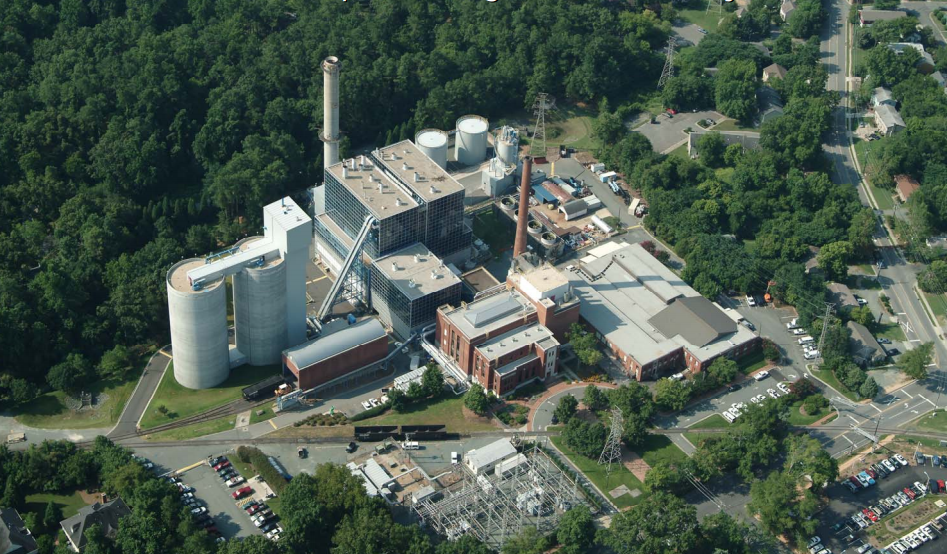
No More Coal? Chapel Hill Prepares for Hearing on UNC's Co-Gen Plant and Potential New Fuel SourceChapel Hill Town Hall will host a hearing on Thursday to take comments on a potential alternative fuel source for UNC's cogeneration plant.
UNC Making Progress on Reducing Emissions, But Coal Replacement Still Far Off at Steam PlantDuring a recent panel updating where UNC stands in those efforts, sustainability officials pointed to improvements in overall and energy-specific emissions rates – but detailed the challenges of moving entirely away from using coal in the short-term.

Lead Detection in UNC Library Leads to Removed FountainsAfter detecting lead in multiple tests, UNC announced it is removing several drinking fountains from Wilson Library. The University’s Office of Environment, Health and Safety shared the news in an email to the campus community on Thursday around 3:30 p.m. “Other drinking fountains in the building were tested, showed no detectable levels of lead and […]
Dwight Stone Honored at Final UNC Board of Trustees MeetingDwight Stone served on the UNC Board of Trustees for six years. Now, he will serve the UNC community in a new way: as a member of the UNC System Board of Governors. The Board of Trustees recognized Stone at its final meeting of 2019 in November. It passed a resolution honoring the former chairman […]
Former UNC Board Chairman to Step Off Board EntirelyThe former chair of the governing panel for the University of North Carolina system says he’s leaving his spot on the board. News outlets report Harry Smith announced on Monday that he was leaving the UNC Board of Governors in February 2020. Smith said he doesn’t have time to be on the board after starting […]
UNC Governing Board Elects New Chair, Vice ChairThe governing body of the University of North Carolina system has two new top officers. UNC officials said in a news release that the Board of Governors elected Randy Ramsey to serve as chairman and Wendy Murphy as vice chairman. They were elected Tuesday at a specially called phone meeting of the board. Ramsey is […]
UNC Board Chair Resigning from Leadership RoleHarry Smith is resigning as chair of the UNC System Board of Governors. Kari Travis of the Carolina Journal was first to report Smith stepping down. WRAL and the News & Observer then quoted Smith saying that the amount of work and the politics involved had been wearing him down. The UNC System confirmed that Smith […]

Wonderful Water: OWASA, UNC Reclaim Water Together for More Than 10 YearsThis week on “Wonderful Water,” join Aaron Keck for a conversation about conservation with OWASA wastewater treatment plant and biosolids recycling manager Monica Dodson and Brad Ives, the chief sustainability officer at UNC-Chapel Hill. “Over the last 15 years I’ve worked my way through [OWASA’s] laboratory,” said Dodson. “Then I was actually the operation supervisor […]
Senate Picks 6 to Serve on UNC Board of GovernorsThe North Carolina Senate has chosen five current members of the University of North Carolina Board of Governors to serve another four years. Senators elected six candidates on Thursday from a list of seven. Newcomer Martin Holton III of Winston-Salem was elected along with incumbents Darrell Allison, Thom Goolsby, Anna Spangler Nelson, Temple Sloan and […]
Republicans Re-elect Members to UNC Board, Despite TurmoilNorth Carolina legislators are re-electing current members of the state university system’s governing board despite months of turmoil in which top administrators were forced out or left earlier than planned. On a largely party-line vote, the state House elected on Wednesday a slate of six candidates to the University of North Carolina Board of Governors […]
›