
As UNC nears the end of the fall semester, its employees are voicing concerns about an upcoming initiative aimed to identify operational efficiencies and cost-saving strategies in its HR, IT, and communications services.
In its final meeting of the calendar year, the UNC Employee Forum met to hear an update on ServiceFirst. Approved by the Forum in October, it seeks to improve service delivery across campus by consolidating core services into expert teams serving multiple departments. The initiative’s goal is to create a more consistent and efficient process that would also free up university resources, and the Dec. 5 conversation specifically focused on reviewing staff feedback before the UNC moves into the next planning and implementation phases of the project.
The survey largely revealed staff hesitancy for the initiative, with negative views towards it outweighing the positive 3:1. Most respondents expressed how they expect difficulty with recruitment, job impact, retention, and workload as ServiceFirst moves forward. And while UNC Policy Office Associate Director Matthew Teal said he thinks most staff understand why the initiative exists, most all reported they are concerned about its rollout. He also called the three main themes revealed in the survey “early warning signs” for issues to be addressed next.
The first concern widely held by surveyed staff is how ServiceFirst’s goal of centralizing services could pull expertise away from the university’s individual departments, replacing it with generalized support and staff who are removed from the programs and units they are serving. Another key worry expressed in the feedback is how positions could be consolidated or quietly eliminated as a result of the initiative, not only making it more difficult to retain staff, but also causing burnout for the remaining staff who could then have a higher workload.
The third major theme revealed in the survey centered on the lack of trust and transparency throughout the planning process so far. Although feedback noted the university’s high-level messaging about collaboration, many responses cited how they see little evidence for how staff input is being incorporated so far and how they feel they are being talked to, rather than being talked with.
“People are asking basic questions like, ‘What will this mean for my job, my workload, my unit?’” Teal said. “They don’t feel they are getting clear answers, and that gap between what’s promised and what’s on the ground is feeding skepticism not only about ServiceFirst, but sometimes about university leadership overall.”
Several employees shared additional concerns during the forum meeting regarding the level of staff collaboration, job security, and continued skepticism for the initiative. But helping lead the presentation, Associate Vice Chancellor for Organizational Strategy and Performance Scott Savage said not every unit on campus is currently on the same playing field in terms of service expectations and how the goal is to ensure service efficiency across all campus departments.
“Every unit I’ve been in, they say there’s great service,” Savage said. “But then when I ask the question, ‘Have you measured it?’ I’ve only gotten two units that have sent me results.”
“If everything is great in Global Affairs, we want that across campus,” he added. “And [from] what I’ve seen due diligence wise right now, there’s just a gap. And so the commitment of what I’m trying to do is the data will carry us there. Establishing bare-minimum service expectations should be there, helping with workload balancing has to happen. That really is the intent.”
Teal said considerations for university and ServiceFirst leadership include reassurance staff expertise will be preserved or rebuilt, honest information about job security and workload expectations, and concrete evidence of where staff input has been implemented and what is still open for feedback. The meeting also highlighted how starting in January, nominated staff members from each impacted area will be incorporated into the teams working on the initiative design and implementation.
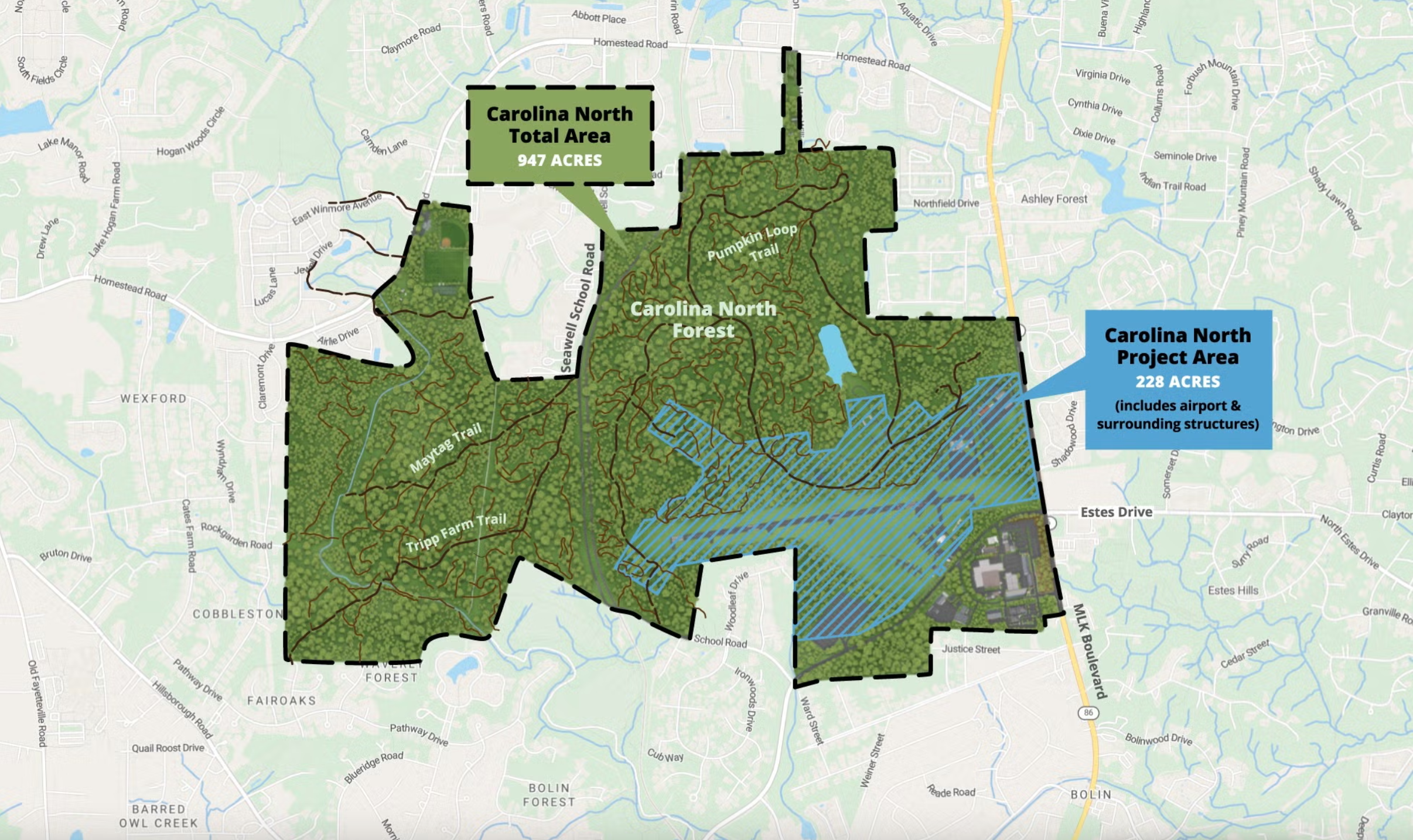
In addition to operational efficiency, UNC Chancellor Lee Roberts shared his 2026 priorities during the forum, including enrollment growth and continued design and planning for Carolina North, a mixed-use, centralized campus with workforce, graduate student, and undergraduate housing.
The Employee Forum will meet again on January 9. To learn more about ServiceFirst, click here.
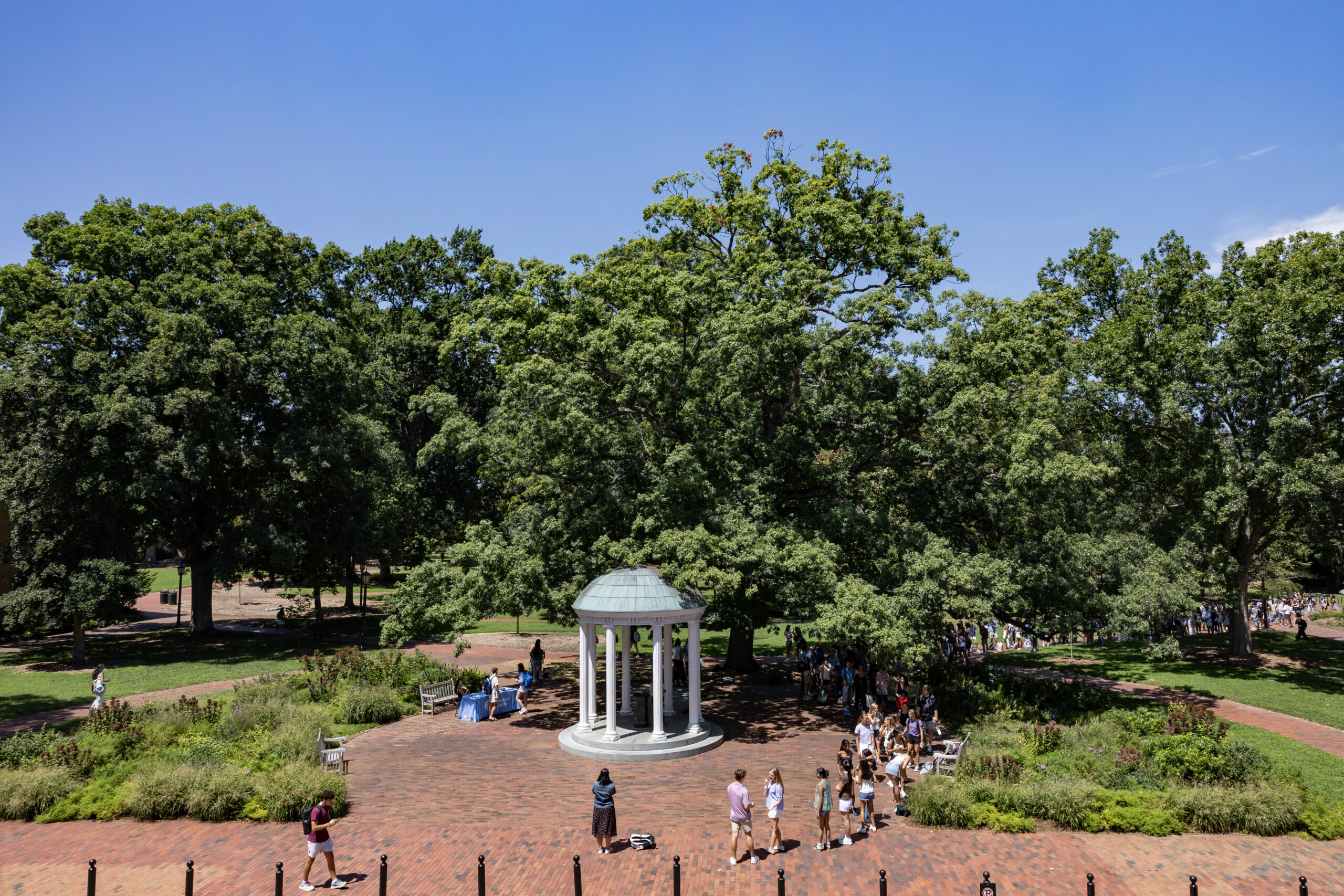
Featured image via Johnny Andrews/UNC-Chapel Hill.
Chapelboro.com does not charge subscription fees, and you can directly support our efforts in local journalism here. Want more of what you see on Chapelboro? Let us bring free local news and community information to you by signing up for our newsletter.