Recently, at their respective town council meetings, Chapel Hill and Carrboro recapped their current financial standings after an unprecedented year. As sales and property tax reports from the past year are analyzed, town officials say they are faring better than initially anticipated.
Fiscal years for the towns end on June 30 and start anew on the first of July. The way the year is split up, the 2020 fiscal year had three months of pandemic hardships built in.
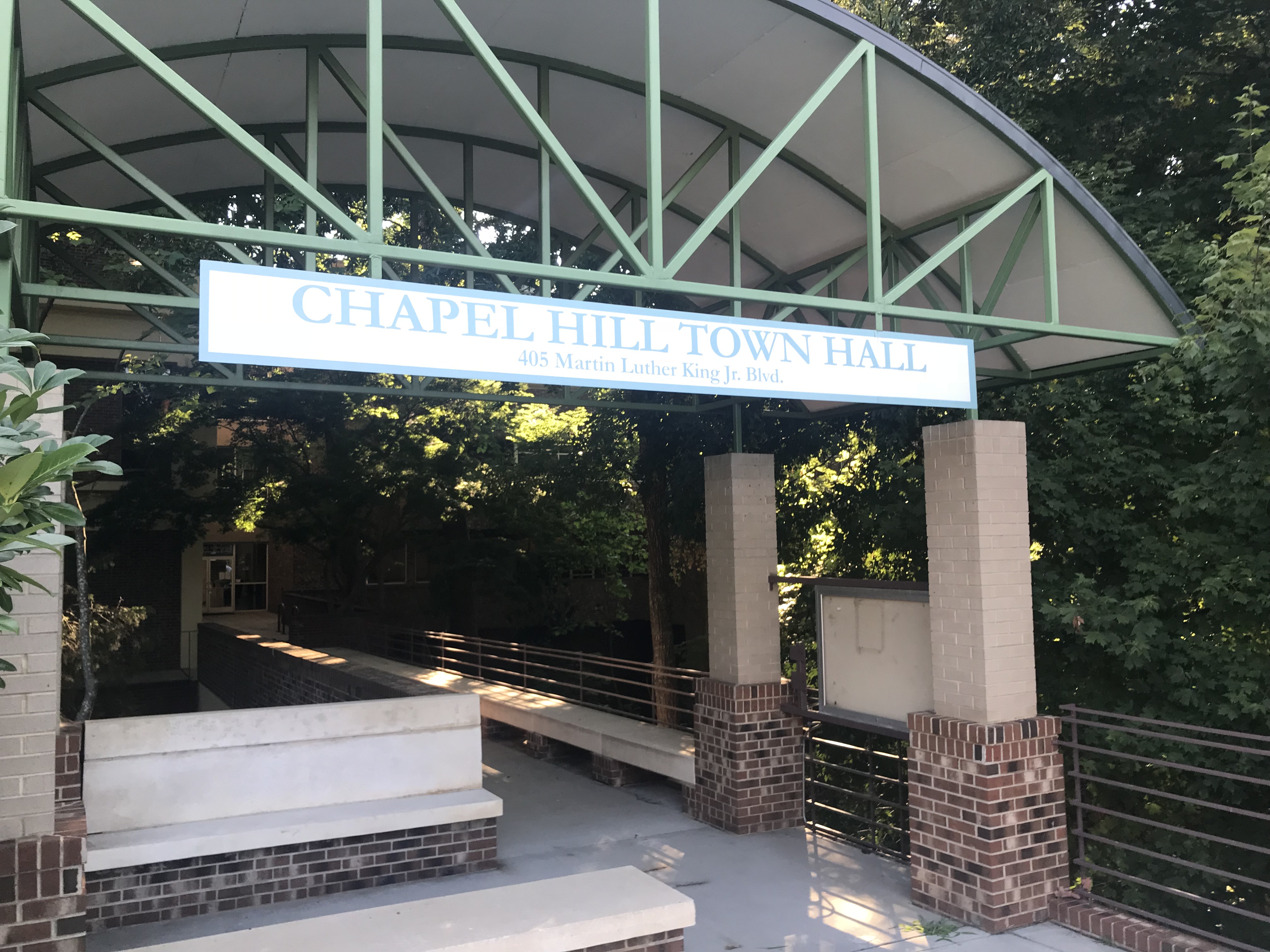
While reviewing Chapel Hill’s financial standing for the 2020 fiscal year, Chapel Hill Mayor Pam Hemminger said, overall, the town is doing “okay.”
“We held very well for that year because we’d had pretty good returns in the first nine months of the year,” Hemminger said. “This year, we’re doing okay. We’re really losing in our parking fund, but because we had a healthy fund balance – that savings account that you keep for rainy days – we’re going to be okay. That’s an amazing thing to be able to say in a community is that we’re going to be okay – we don’t have excess funding but we’re going to be able to make things work out if we stay on track the way we are right now.”
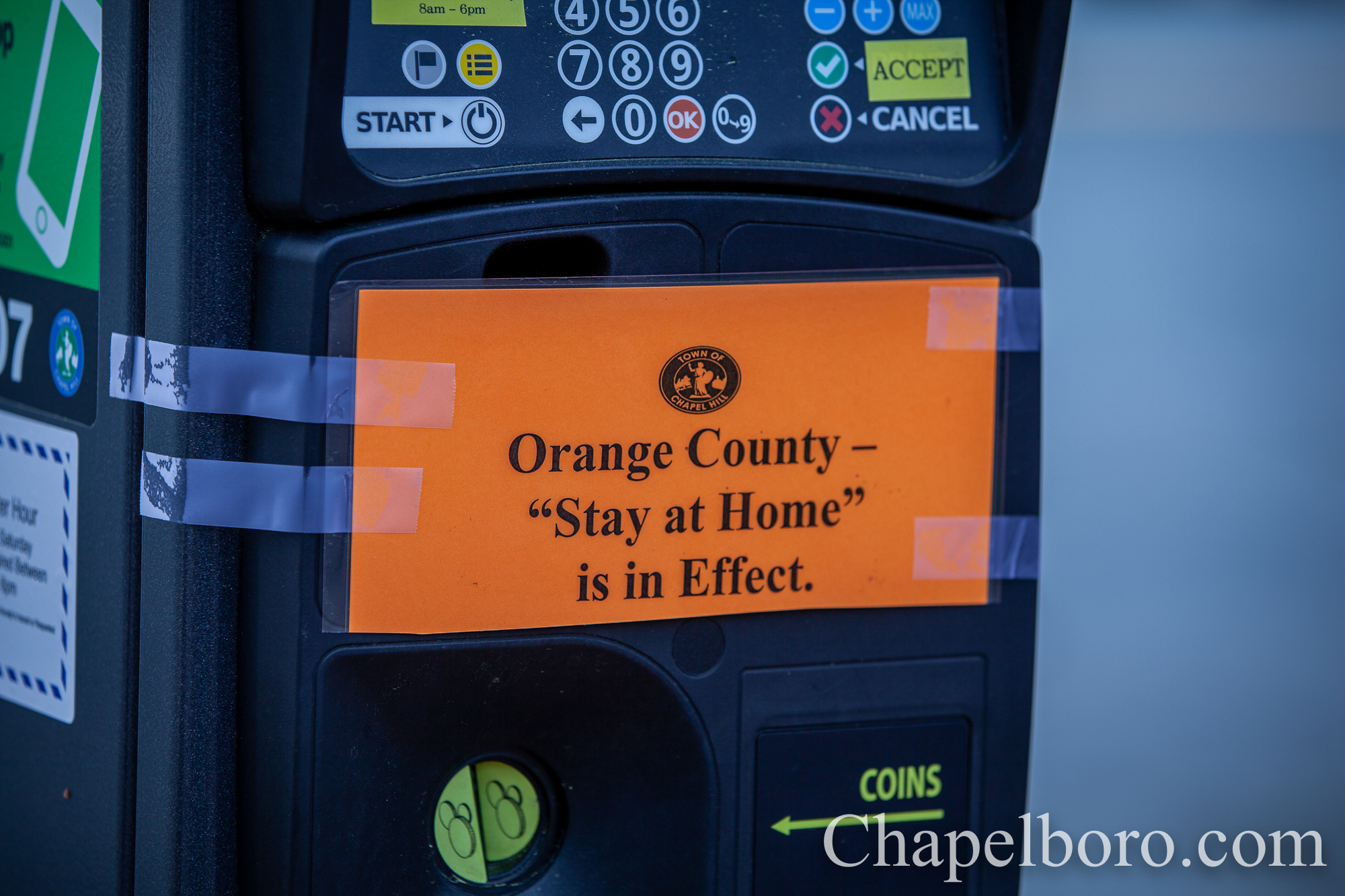
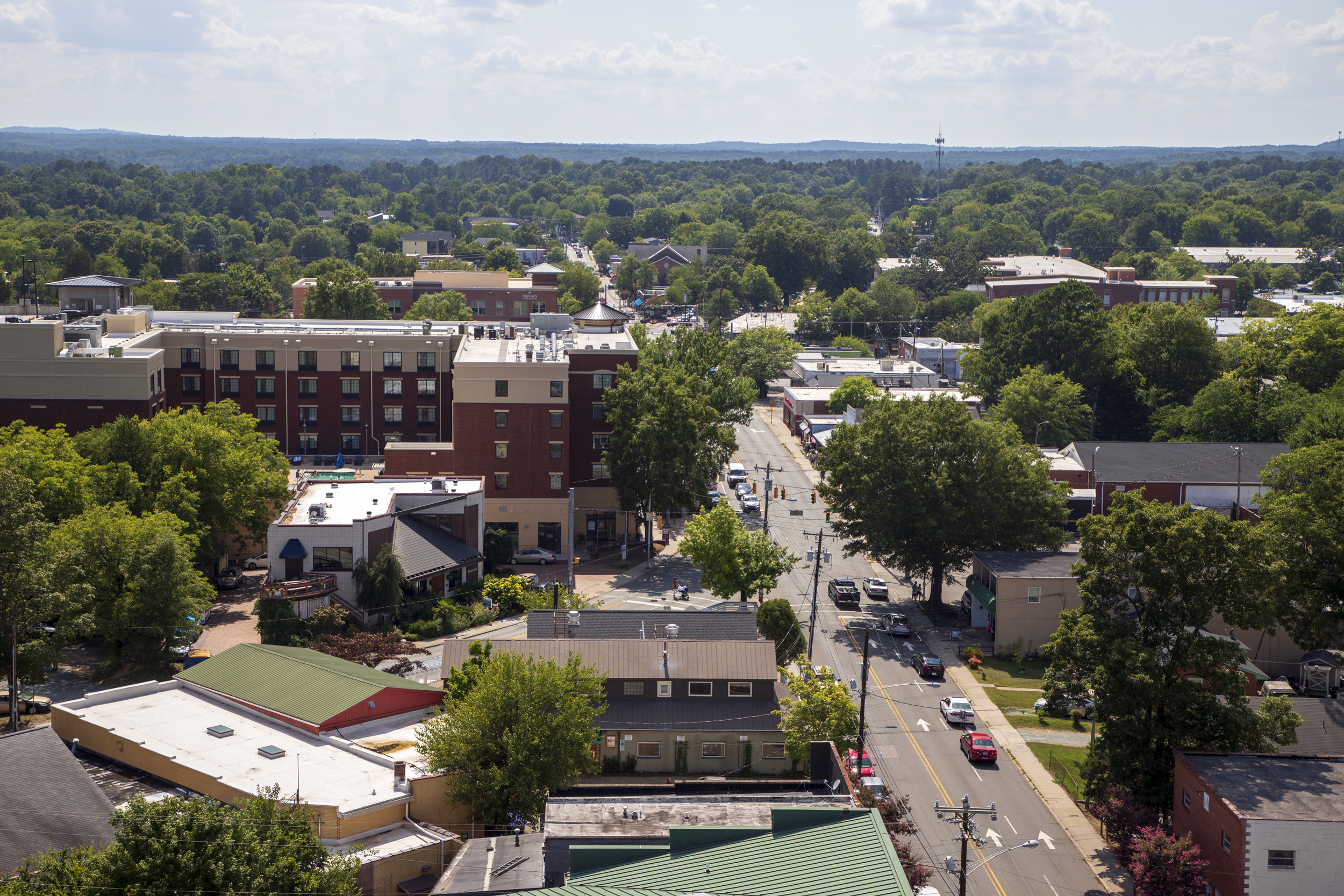
Some of the most prominent financial strain for the town came from lost parking revenue. Chapel Hill ended the 2020 fiscal year with a loss of $500,000 dollars from the parking fund. This deficit mostly stemmed from the town not charging for parking from March to July in an attempt to stimulate downtown business. Parking fees resumed August 1 at new, increased rates at $1.50 per hour.
From July to December of 2019, the town collected just less than $1.5 million in parking revenue. This past year, from July to December of 2020, it collected just less than $500,000 dollars.
The town’s parks and recreation department also saw big financial losses stemming from no facility rentals, no pool passes sold and all summer camps being cancelled.
Despite this loss of revenue, the town’s financial stability was cemented with a surprising influx of collected sales tax.
“Sales tax collections were all over the place,” Hemminger said. “We had two of our highest sales months ever – we think because of the stimulus money that came about at the beginning of the summer – but most of the budget cutting that we’ve done has been our hiring freeze.”
Since the end of December, the Town of Chapel Hill has saved $1 million dollars in personnel savings from an internal hiring freeze. Additionally, the town has saved $1.2 million in operating costs resulting from budget cuts in the areas of street and vehicle maintenance and the close monitoring of large purchases.
The overall fund balance, or the town savings account, is up $1.08 million after the 2020 fiscal year. Hemminger said she is hopeful that things will continue to improve as more and more people are vaccinated, schools reopen, and people return to work.
Ahead of the first six months of the 2021 fiscal year, which wrapped up this December, the Town of Chapel Hill projected a 5 percent decrease in revenue collections. However, that prediction has since been proven wrong.
Just four months into the year, more than $485,000 dollars in additional sales tax was collected – a 4.13 percent growth. Hemminger said the state’s stay at home orders, online sales and second round of stimulus checks potentially all impacted this growth.
Additionally, despite initial concerns, the town’s property tax collections were on par with last year’s after the recent January 5 deadline.
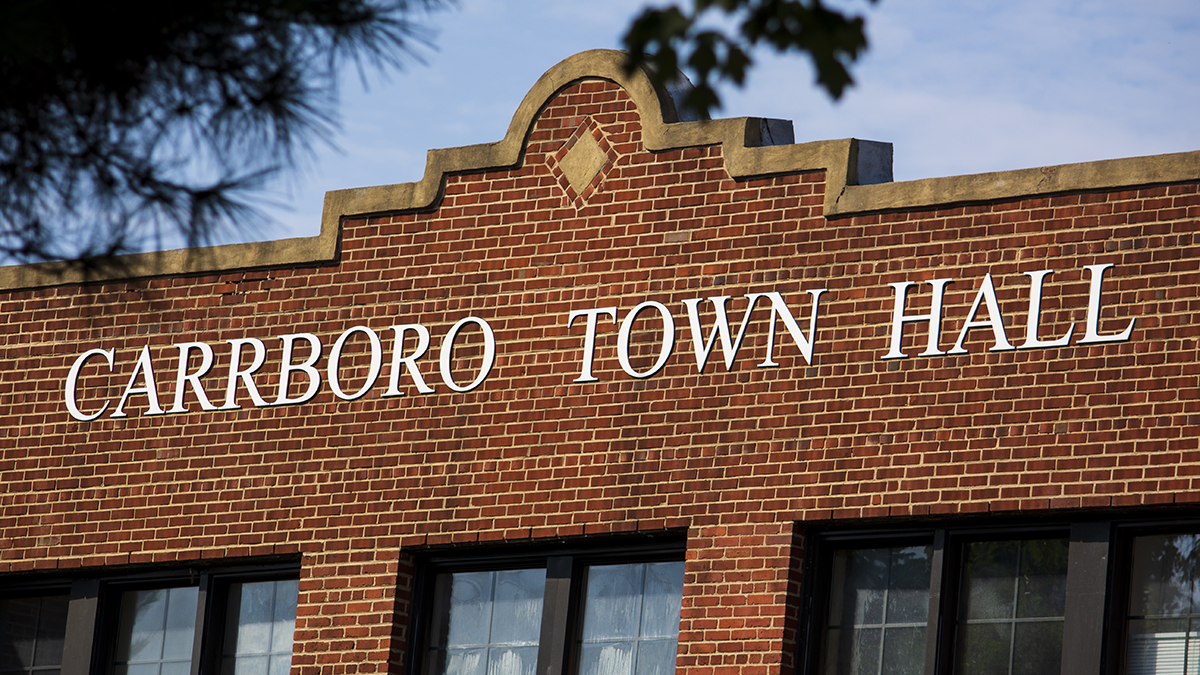
Right next door in Carrboro, finances were also the main topic of discussion during February’s first town council meeting.
Much like Chapel Hill, Carrboro Mayor Lydia Lavelle said their financial situation is not as dire as they previously expected.
“You look at our two biggest sources of income for the town – number one is property taxes and that has remained fairly stable through this year – and the second is through sales tax,” Lavelle said. “We weren’t sure how COVID would affect our sales tax and it turns out that a lot of folks in Carrboro are still spending money.”
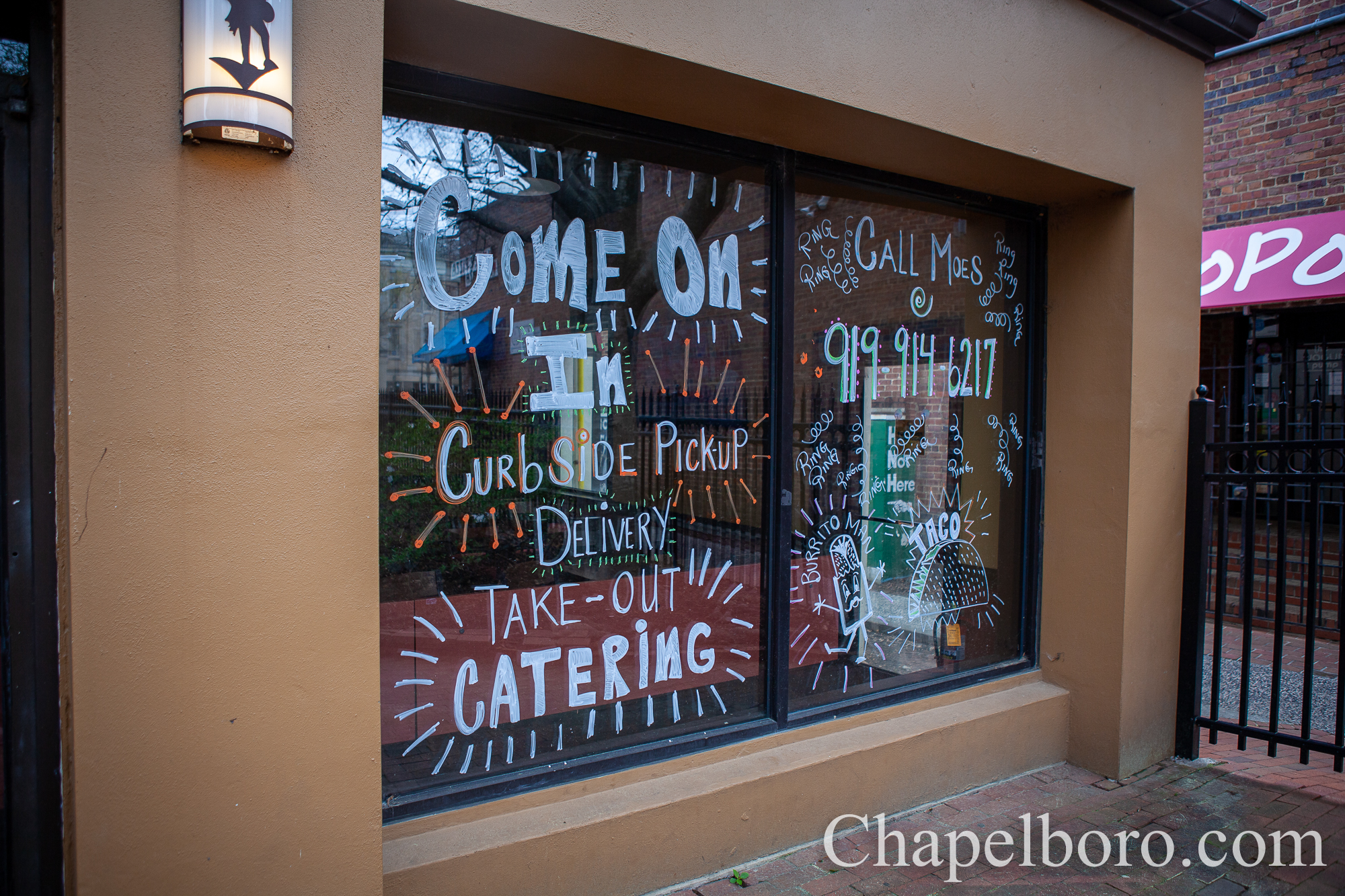
Lavelle said residents have continued to ramp up home improvements, order food from local restaurants and shop local. Sales tax from July through October of 2020 was 2.3 percent higher than it was during the same time period in 2019.
According to Lavelle, the town’s general budget is also in decent shape with its own hiring freeze and deferment of multiple projects. Carrboro initially enacted a hiring freeze in March and subsequently halted pay raises for employees for the fiscal year.
Despite a steady sales tax, tourism and travel in Carrboro have taken a big hit. 2021 fiscal year revenues from July to November are down 70 percent as compared to the year prior.
Overall, the town is currently down about $708,000 dollars in spending after the first 6 months of the 2021 fiscal year, as compared to this time last year. Outside of the hiring freeze, Lavelle said this savings is mostly due to the deferment of training conferences, travel, and major town repairs.
Learn more about the Town of Chapel Hill’s 2020/20201 budget and financial update here.
Learn more about the Town of Carrboro’s financial update during its February meeting here.
Chapelboro.com does not charge subscription fees. You can support local journalism and our mission to serve the community. Contribute today – every single dollar matters.