After briefly implementing a policy around recording faculty members without their permission, UNC is reversing course and rescinding the practice until new language can be agreed upon.
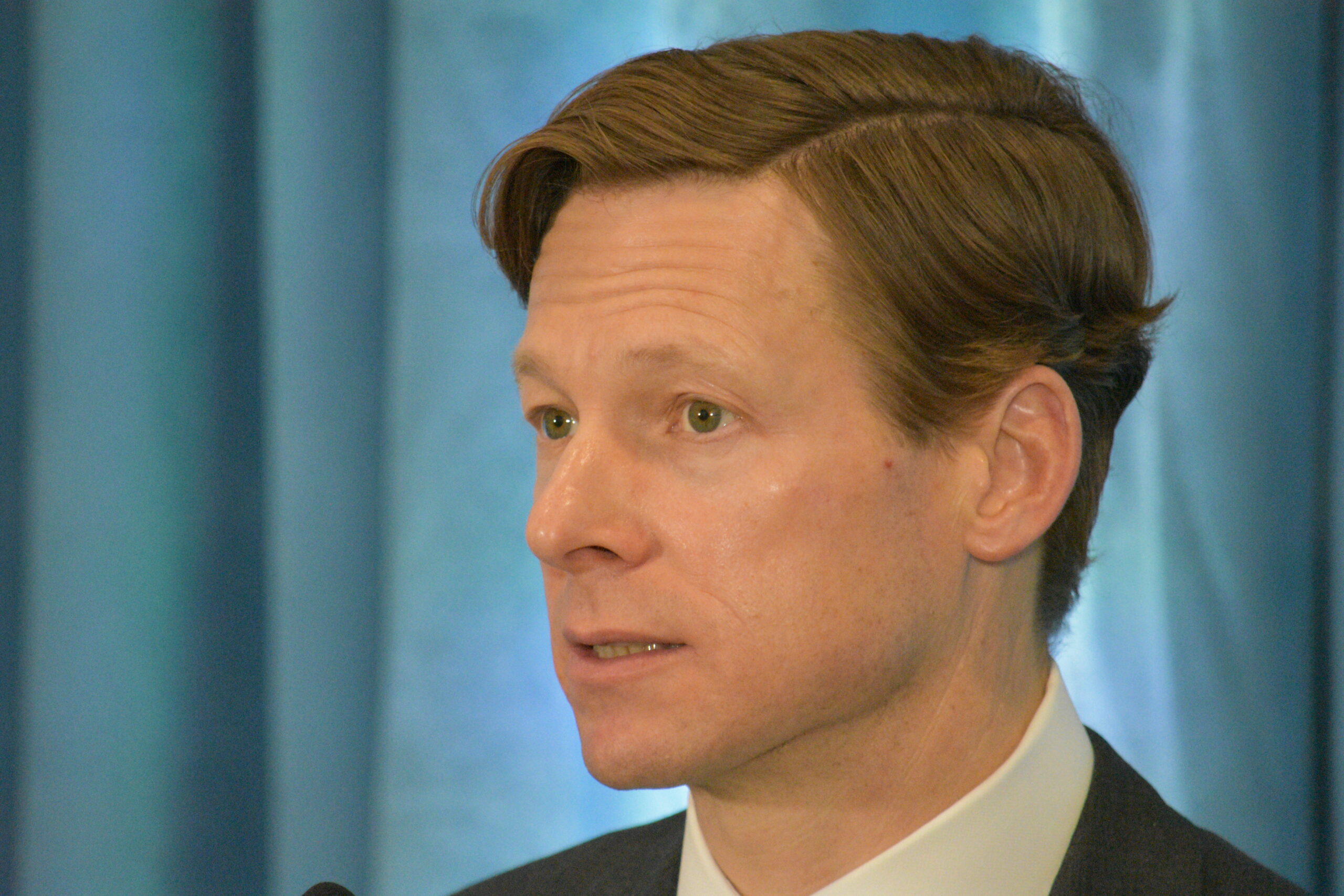
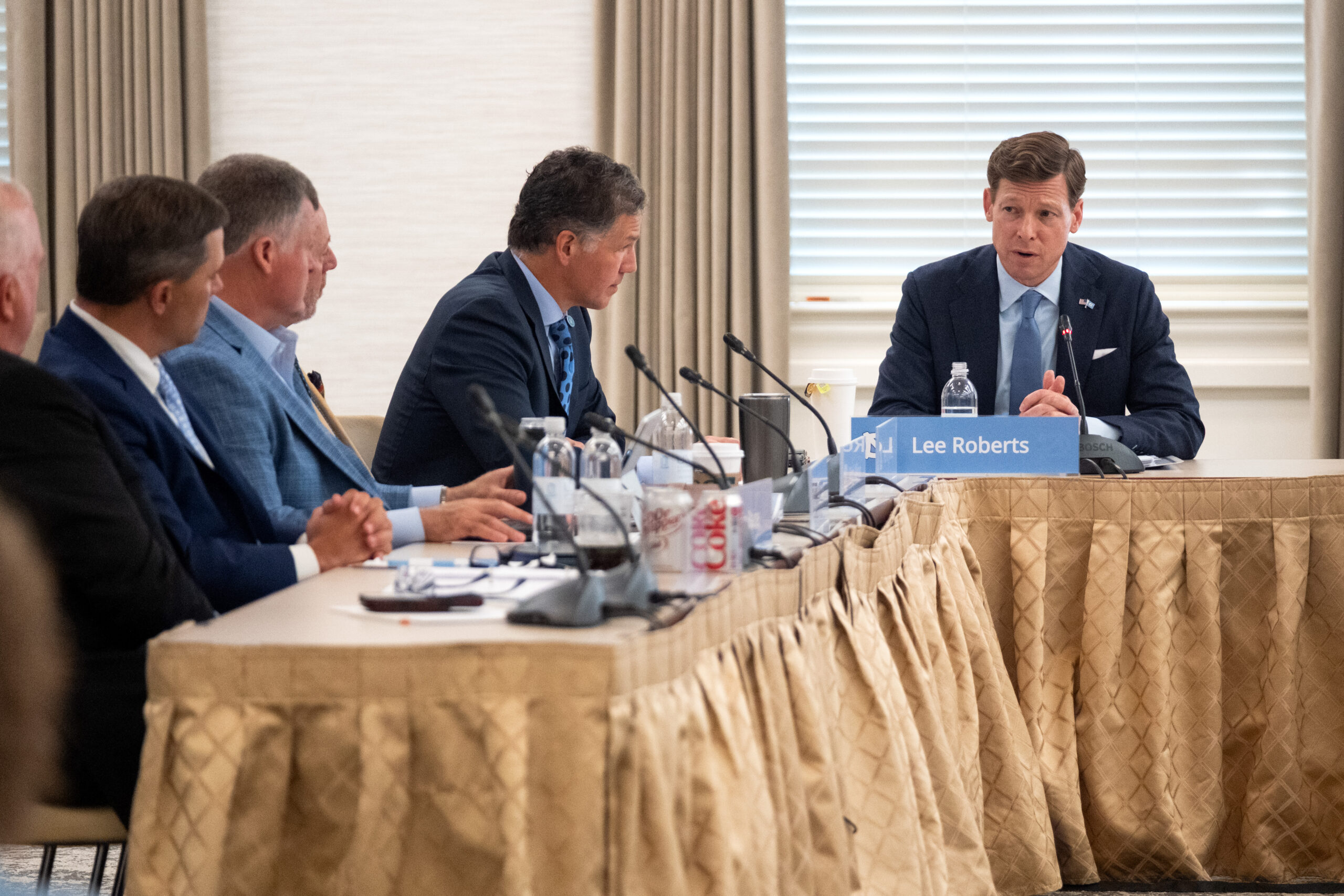
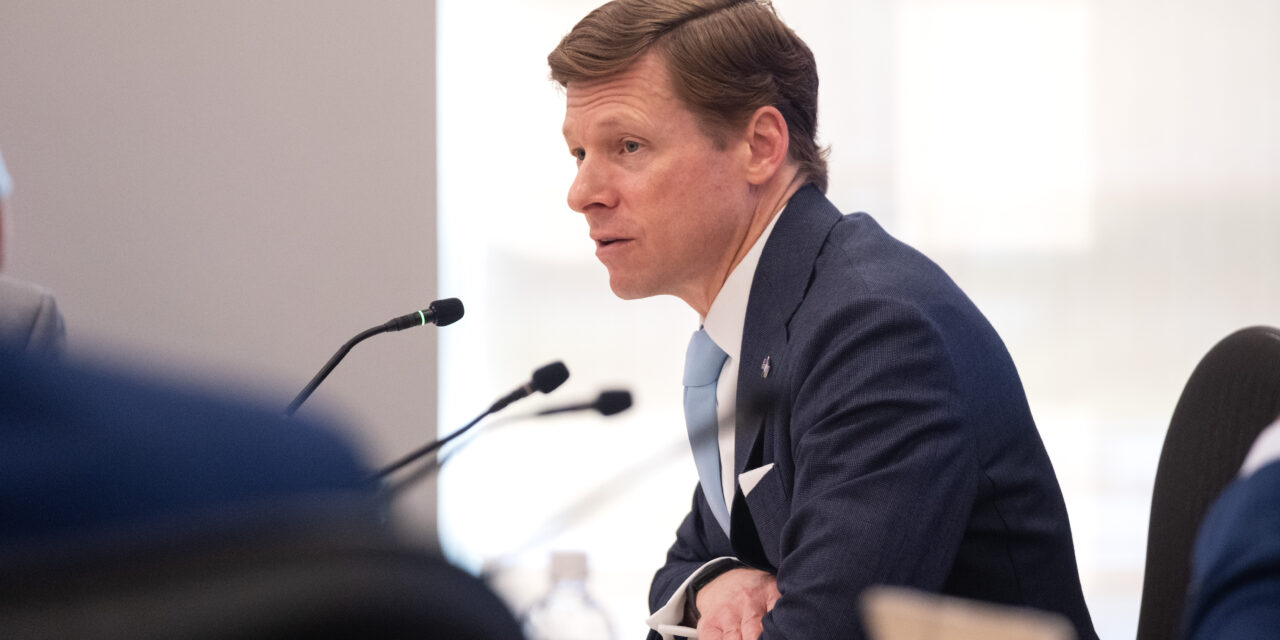
UNC Chancellor Lee Roberts addressed the campus’ Faculty Council during its monthly meeting Friday afternoon and shared the update, saying his administration would go “back to the drawing board” after adopting the change on Feb. 10.
“The whole idea was to create clarity and reassurance,” Roberts said. “That policy clearly has not achieved that aim. So, I’ve talked to the provost and to the faculty chair about it. We’re going to scrap it.”
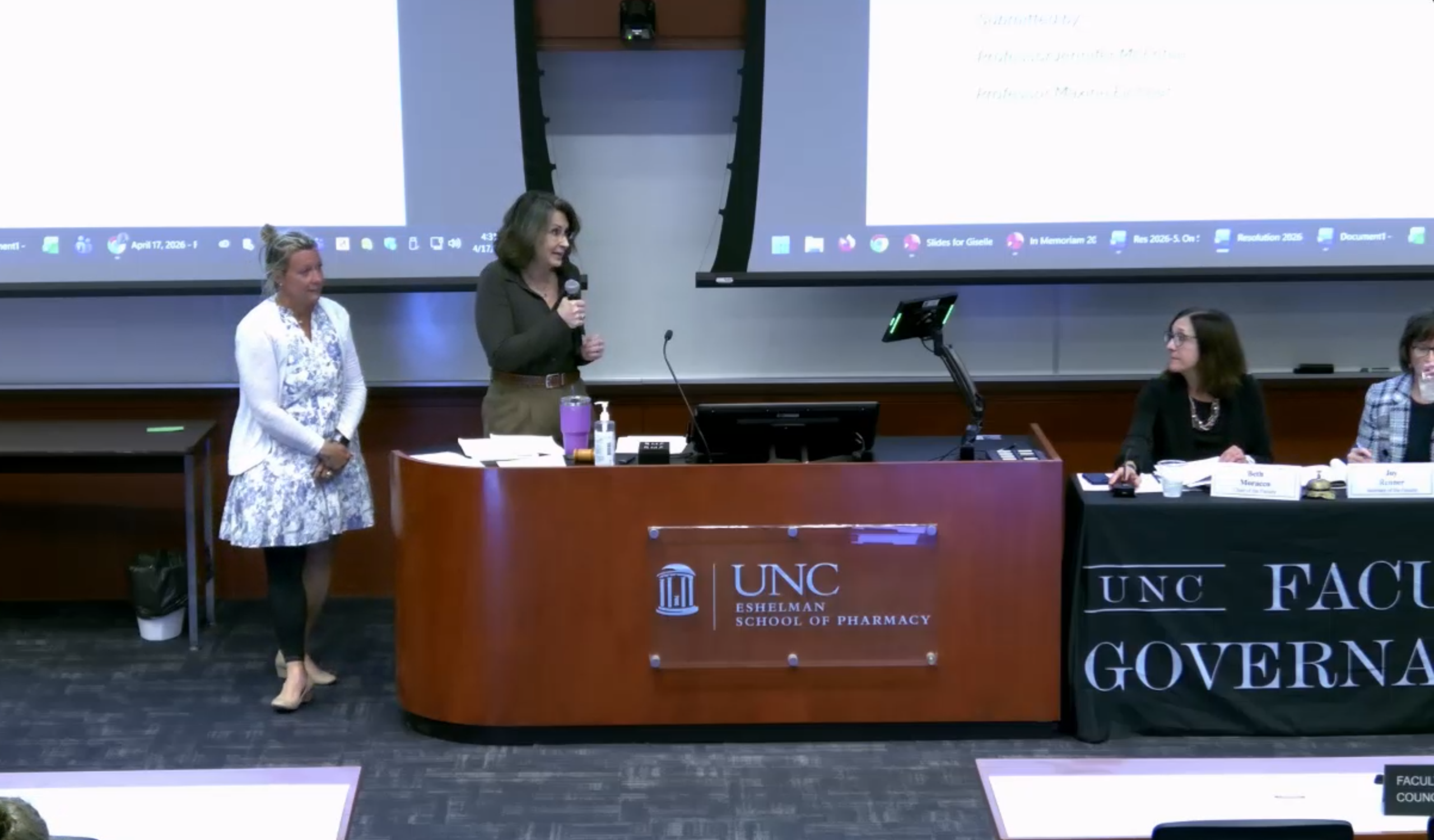
Roberts’ comments were met by applause by the dozens of faculty members in attendance at the meeting before the group began asking questions of the chancellor, which is traditional during Faculty Council meetings where Roberts is present.
The issue dates back to the spring 2024, when UNC business professor Larry Chavis said the university alerted him to recording his lectures without his knowledge to conduct a review following student complaints. The language shared with Chavis by Senior Associate Dean for Faculty and Research Christian Lundblad referenced the university not needing to give Chavis notice for the Panopto camera to be used, which sparked questions of how often UNC leaders did such recording. The university ultimately did not renew Chavis’ contract, ending his time at the Kenan Flagler School of Business after 18 years.
The incident happened within the first few months of Roberts’ interim leadership at Carolina and his administration attempted to craft new language to add to UNC’s classroom recordings policy to clarify when the university could record without a faculty member’s knowledge. But Roberts said Friday that type of recording happens so infrequently, he was not sure the measure was worth the uncertainty it had created.
“[Since] the original incident,” he said, “I have not heard of a single instance — not a single case — in which we debated surreptitious recording and decided to do it. It just hasn’t come up. And so, why go through this exercise that’s creating so much disquiet when this seems to be an extraordinarily rare type of occurrence?
“To answer your question squarely,” Roberts concluded, “no, there will be no surreptitious recording of faculty without their consent, and we’ll evaluate whether we need some kind of other policy.”
In addition to praising the faculty’s work and saying he believes UNC is operating in a positive position to react to the shifting world of higher education, Roberts also acknowledged the pressure felt by the university community from those changes.
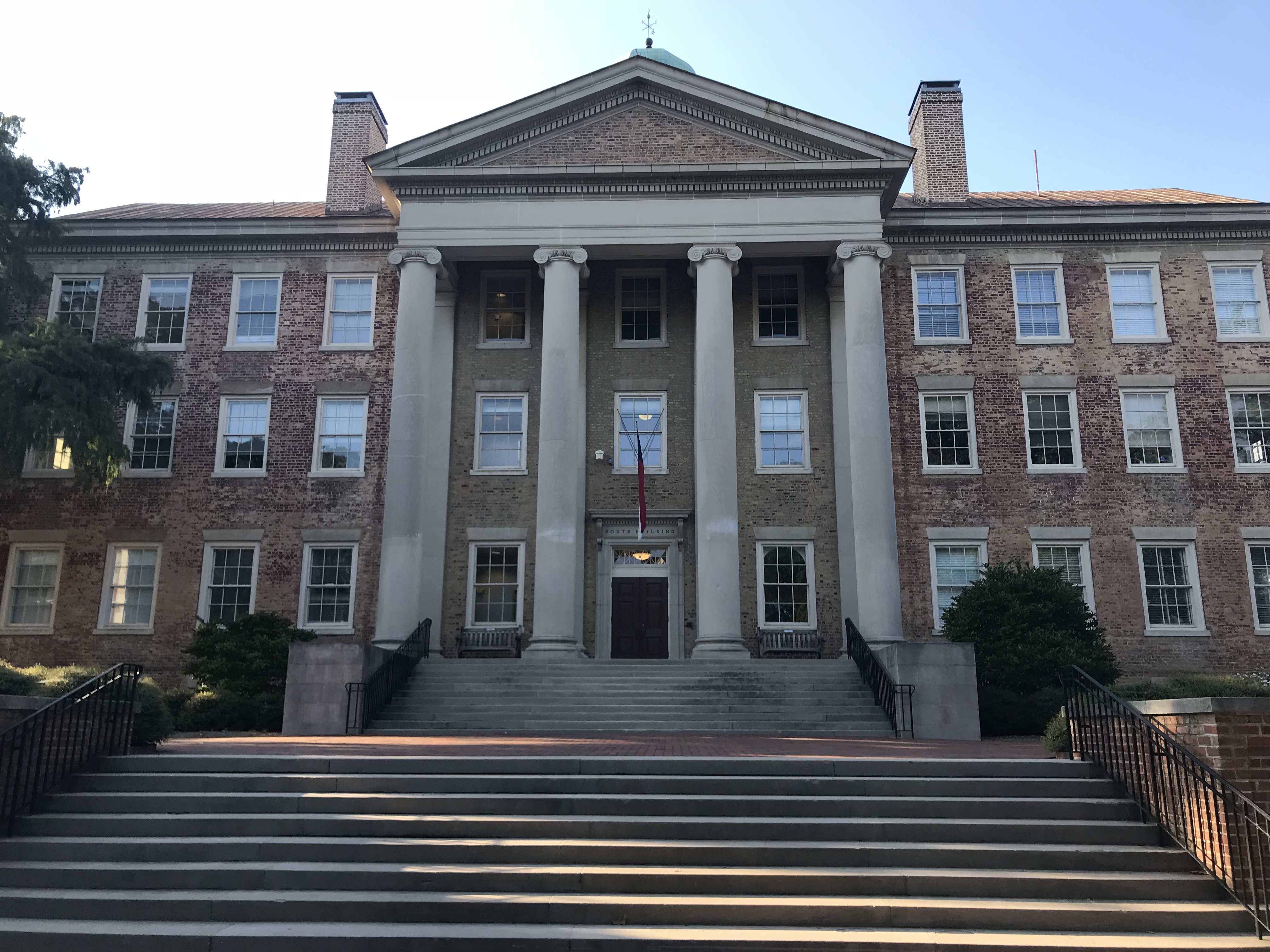
“I don’t think I say often enough that I recognize — and everyone in South Building recognizes — that it is a difficult and unsettling time to be a faculty member here and, I think, across the country,” said the chancellor. “The structure of our funding is clearly in flux, both at the federal and state level. We’ve got to figure out how to grapple with the challenges of artificial intelligence while protecting everything that is worthwhile and good about a liberal arts education. And we’ve got to respond to the public’s justifiable interest in what we do, we’ve got to balance that with protecting an atmosphere of open inquiry and curiosity that’s crucial to a great academic institution.”
Faculty Chair Beth Morocco said that when the chancellor told her on Thursday of the administration’s plans to rescind the revised policy, it “made my day with that news.” She also said there are aspects of the current policy around student recording abilities that she believes may merit revisiting “in a different type of policy” that Faculty Governance could weigh in on in the future.
UNC history professor Miguel La Serna took time during the Q&A period of the meeting to thank Roberts and his administration for being willing to scale back the change. He added that he hopes there will be “continued dialogue [around] these types of decisions going forward.”
“Thank you for hearing from us and really considering the potential ramifications of that policy, and how much anxiety that was giving students and faculty alike,” La Serna said. “I just want to acknowledge a moment when your administration has made a decision, gotten feedback, listened to that feedback and then tried to reconsider it…those are moments that really create a sense of trust with the faculty, the staff and the students. They create a sense of shared governance.”
The full UNC Faculty Council meeting from Friday, Feb. 27 can be watched here.
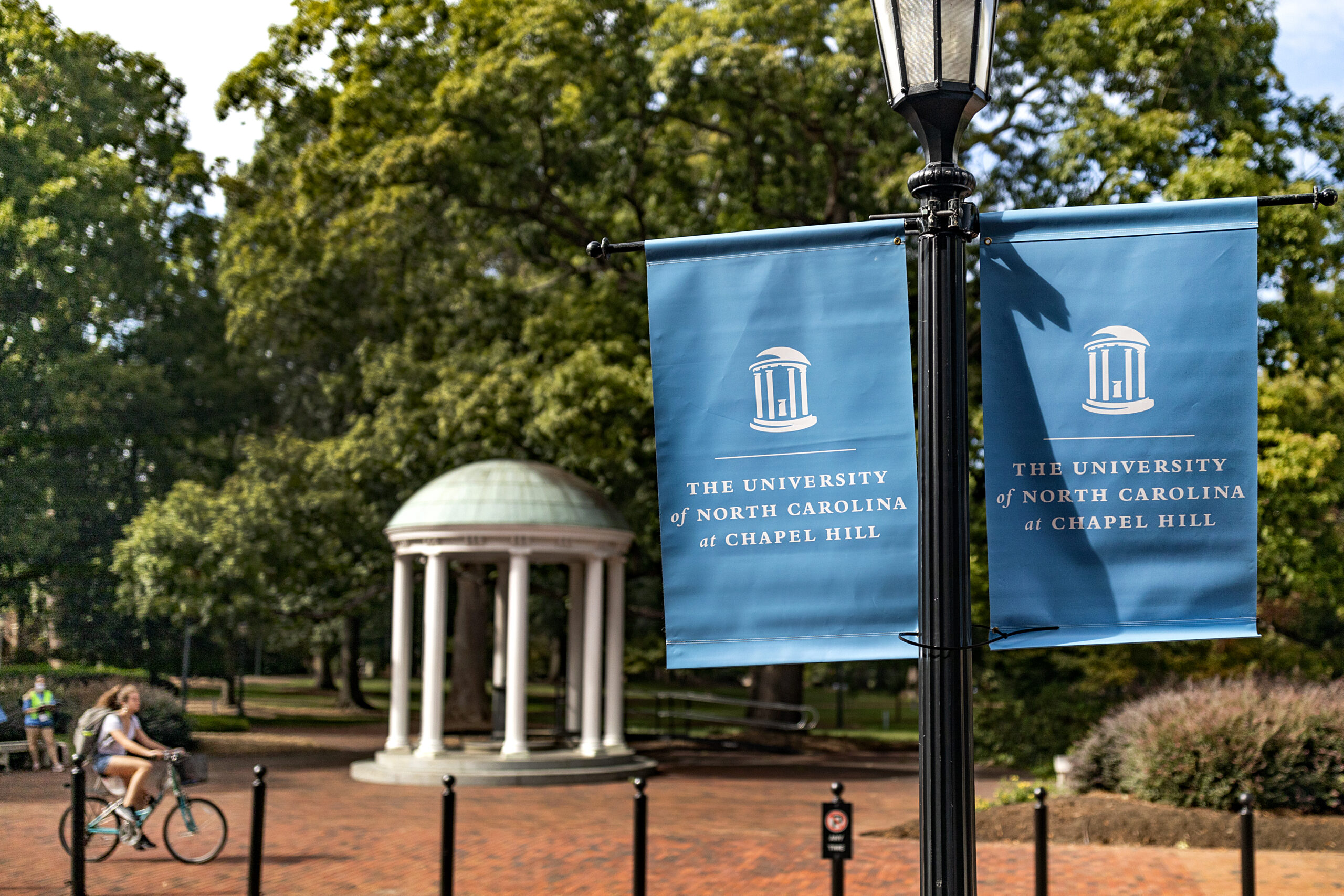
Featured image via Jon Gardiner/UNC-Chapel Hill.
Chapelboro.com does not charge subscription fees, and you can directly support our efforts in local journalism here. Want more of what you see on Chapelboro? Let us bring free local news and community information to you by signing up for our newsletter.