
Health experts are warning the community about underage and high-risk drinking, both of which spiked during the pandemic. The Orange County Health Department says preventing the harms of drinking locally involves monitoring, recognizing and educating everyone about sustainable best practices.
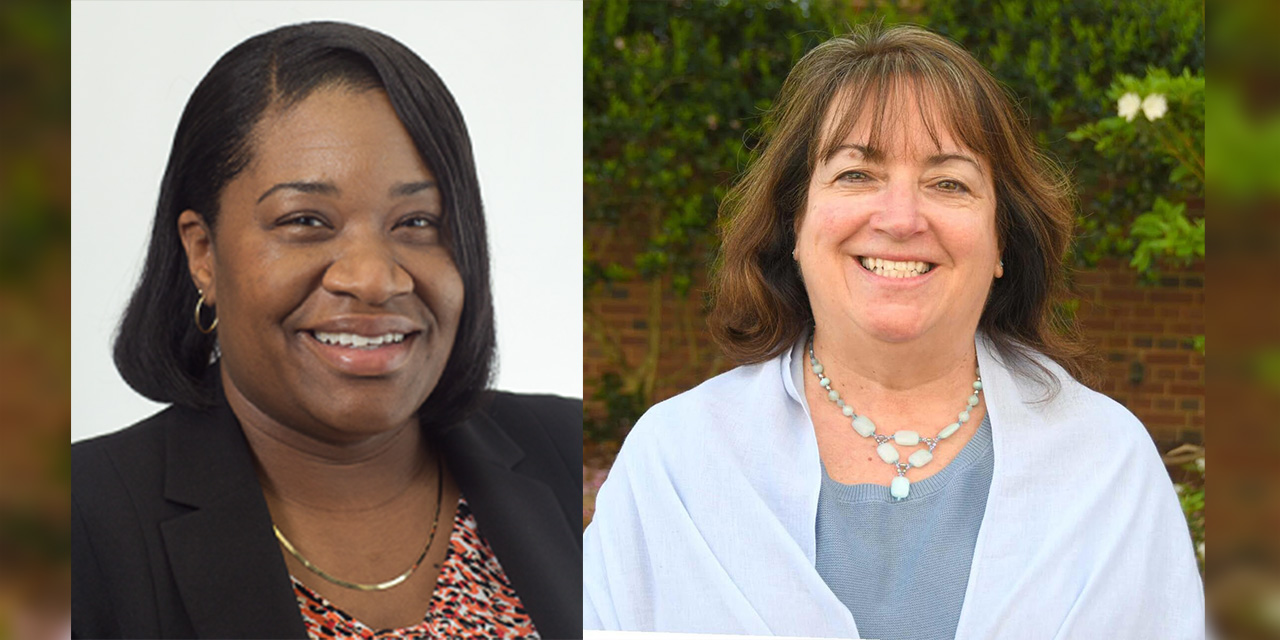
Last week, the Orange County Health Department held a community panel to talk about the dangers of drinking. Health director Quintana Stewart said alcohol continues to be a local problem.
According to county health rankings, 18 percent of Orange County’s adult population reported binge drinking or heavy drinking, compared to 17 percent statewide. Orange County’s alcohol-impaired motor vehicle crash deaths are 31 percent compared to 29 percent in North Carolina.
Stewart said the pandemic has exacerbated drinking issues throughout the state. North Carolina saw a 36 percent increase in drinks per month and a 33 percent increase in binge drinking in 2020.
Elinor Landess is the director of the Chapel Hill Campus and Community Coalition, which aims to prevent the harms of excessive drinking in town. She said one way to prevent this issue is by reframing it through what she calls the prevention paradox, which shows the most harm of alcohol comes from people in low-risk activities.
“This prevention paradox illustrates that alcohol use and abuse isn’t something we can relegate off to the side,” Landess said. “It is not an isolated problem. When we are thinking about alcohol in our community, we should be thinking about it at a population level, thus our strategies should be designed to reach the entire population.”
Landess said some strategies include implementing policy solutions to change socioeconomic factors, which can help create a better environment for healthy decision-making.
Those solutions become especially important when considering the racial disparities present in alcohol harm. While white people have the highest rate of heavy drinking, African American and Latino communities experience higher rates of persistent alcohol abuse. These groups also experience more profound consequences due to inadequate treatment options in communities of color.
“We have a white population that is using at the highest rate, but just like other public health problems, disparities exist in this realm,” Landess said.
These disparities have only gotten worse during the pandemic because of increased access to alcohol, and increased desires to drink as a coping mechanism. Nationally, communities of color have all increased their alcohol consumption since 2020.
Landess said another important factor to consider is that the harms of alcohol aren’t confined to drinkers. She said drinking has second-hand harms we often don’t consider like children not being able to sleep from loud parties, fights that break out or increased car crashes, all of which hurt our quality of life.
“This is yet another way we need to expand the way we are thinking about alcohol and not think of it as just those people over there who have a problem but really as something that affects all of us.”
In North Carolina, Landess said one group that has seen prevention successes is young people. Over the past decade, underaged drinking in the state has declined dramatically, from 42 percent in 2005 to just 24 percent in 2019.
The state has also seen young people having their first drinks later in life. Something Landess said is vital for ensuring healthy habits down the line.
“What we do know is that the longer we can delay a young person’s first sip of alcohol, the better their outcomes will be in the long-term,” Landess said.
That success, however, hasn’t always translated to the whole population. According to a 2017 study from UNC Gillings School of Public Health, alcohol was responsible for more than 100 violent crimes and more than 600 property crimes in a typical year. The study also revealed alcohol cost the local health department more than $111 million in 2017.
While there are clear harms associated with alcohol in our community, Landess said the good news is we know what works to mend these issues.
“Things like affordable housing, things like jobs that support a family, things like equitable access to education,” Landess said. “All of those things that we’re really wrestling with here in Orange County right now are preventative factors to help us tackle the issues with regards to alcohol.”
Chapelboro.com does not charge subscription fees. You can support local journalism and our mission to serve the community. Contribute today – every single dollar matters.