Written by BILL BARROW
ATLANTA (AP) — President Donald Trump has tried many ways to tighten his grip on U.S. elections, from signing executive orders to pushing restrictive legislation in Congress. Monday’s Supreme Court ruling siding with states that accept late-arriving mail ballots was the latest example showing the limits of his reach.
It followed back-to-back rulings last week that barred his two sweeping executive orders seeking to change national election rules, more court rulings preventing his Department of Justice from obtaining detailed state voter data and his stalled attempts to get the Senate to pass the SAVE Act. That measure would eliminate nearly all absentee voting, require citizenship documents to register to vote and impose photo identification requirements nationwide right before the midterm elections.
“It’s been a mixed bag for Republicans,” said University of Notre Dame law professor Derek Muller. But the president, he added, “has come up mostly empty-handed.”
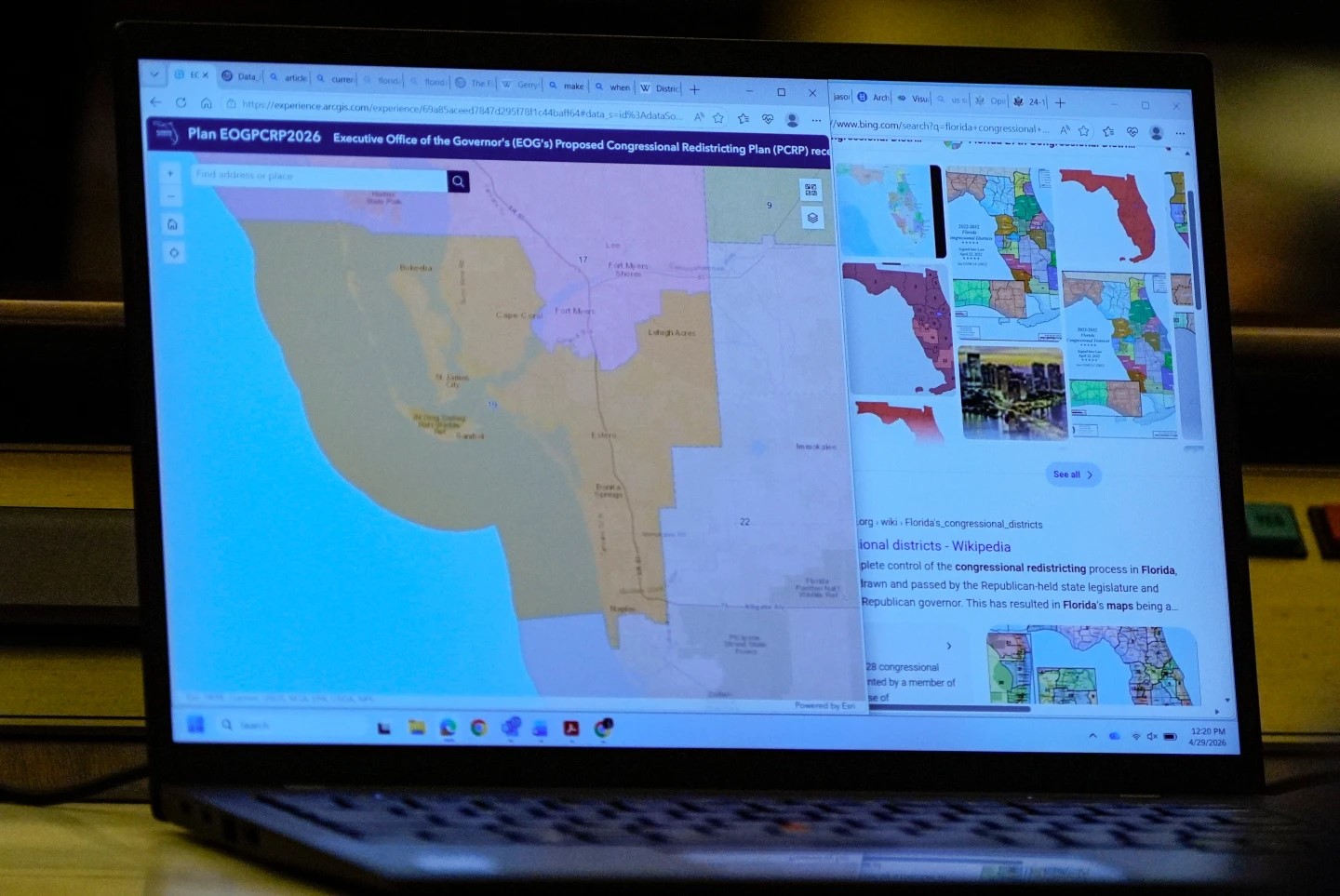
Trump’s efforts have not been entirely fruitless. Republican-run states have satisfied his demands to redraw congressional district lines, efforts buoyed by the Supreme Court striking down a key section of the Voting Rights Act, and he has been directing his Department of Justice to investigate voting and election operations, which Democrats see as a possible prelude to their involvement in November.
All the activity around how the nation votes and runs its elections is a reflection of the Republican president’s long fixation on his false claim that his 2020 election defeat was rigged. He has been so frustrated by the inability of the Senate to pass the SAVE Act that he has refused to sign a bipartisan housing bill.
He weighed in again Monday after the Supreme Court’s decision in the mail ballot deadline case, saying on his social media account that he is trying to “save America from crooked elections.” Voting rights groups and Democrats see him abusing power and attempting to suppress legal voters to gain an advantage in the midterms, when control of Congress is at stake.
Regardless, Muller said Trump faces legal and political realities: The Constitution gives the states and Congress authority over elections while providing no such role for the president.
“That’s how federalism works,” Muller said.
Here’s a look at Trump’s efforts to reshape election rules and what options he might have left for the November midterms.
Focus on noncitizens and voter data has met roadblocks
The president has repeatedly said U.S. elections are riddled with fraud in part because of noncitizen voting. Research shows the problem to be rare, accounting for a minuscule percentage of fraud cases. Convictions are measured in the hundreds over periods in which tens of millions of ballots are cast.
Trump’s view resulted in a multiagency push to nationalize voter data and use federal resources to help states remove voters from the rolls. The Department of Justice has sought detailed voter files from multiple states, data that would include dates of birth and partial Social Security numbers. Democratic and some Republican secretaries of state balked, and federal lawsuits followed. The administration has lost every case so far.
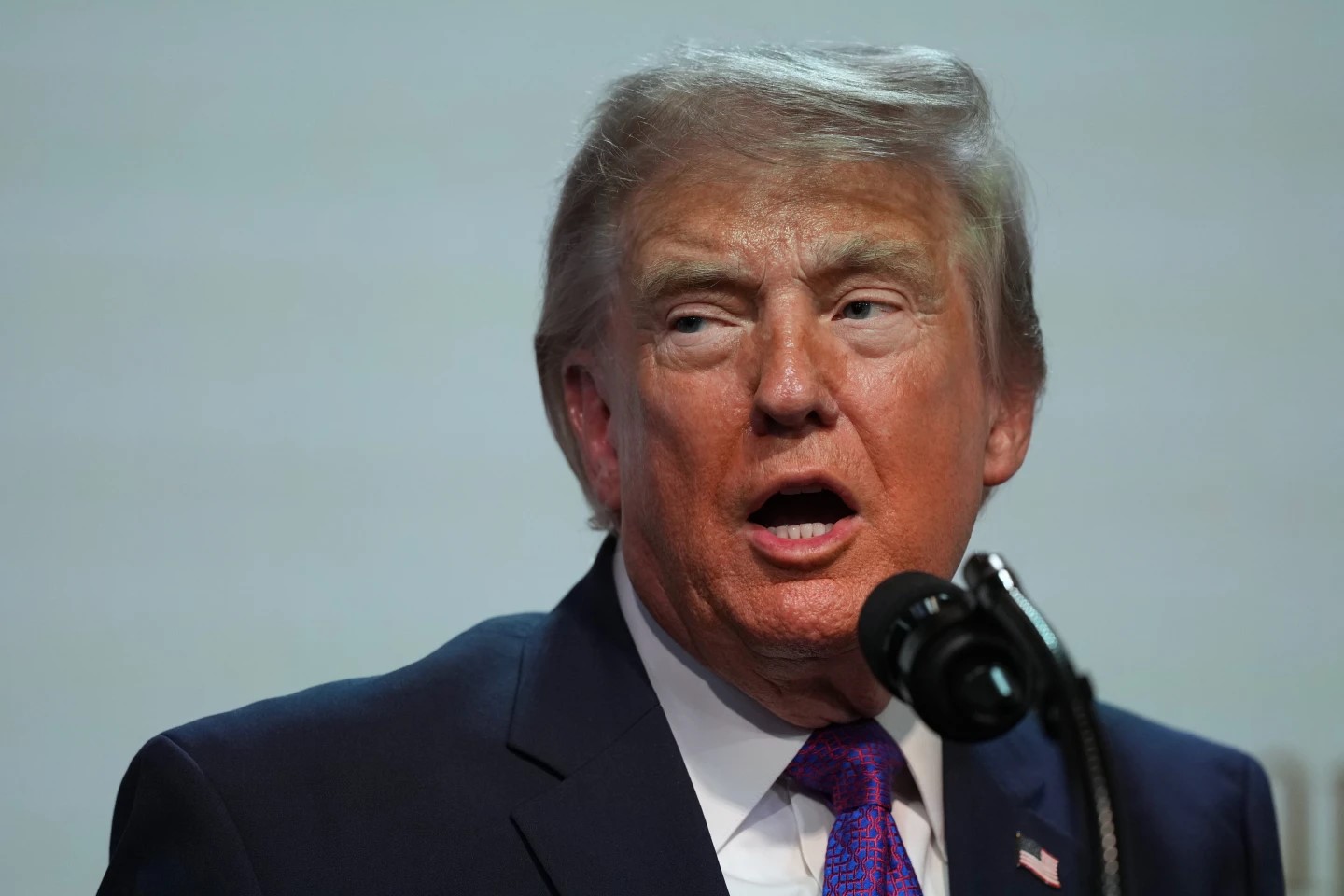
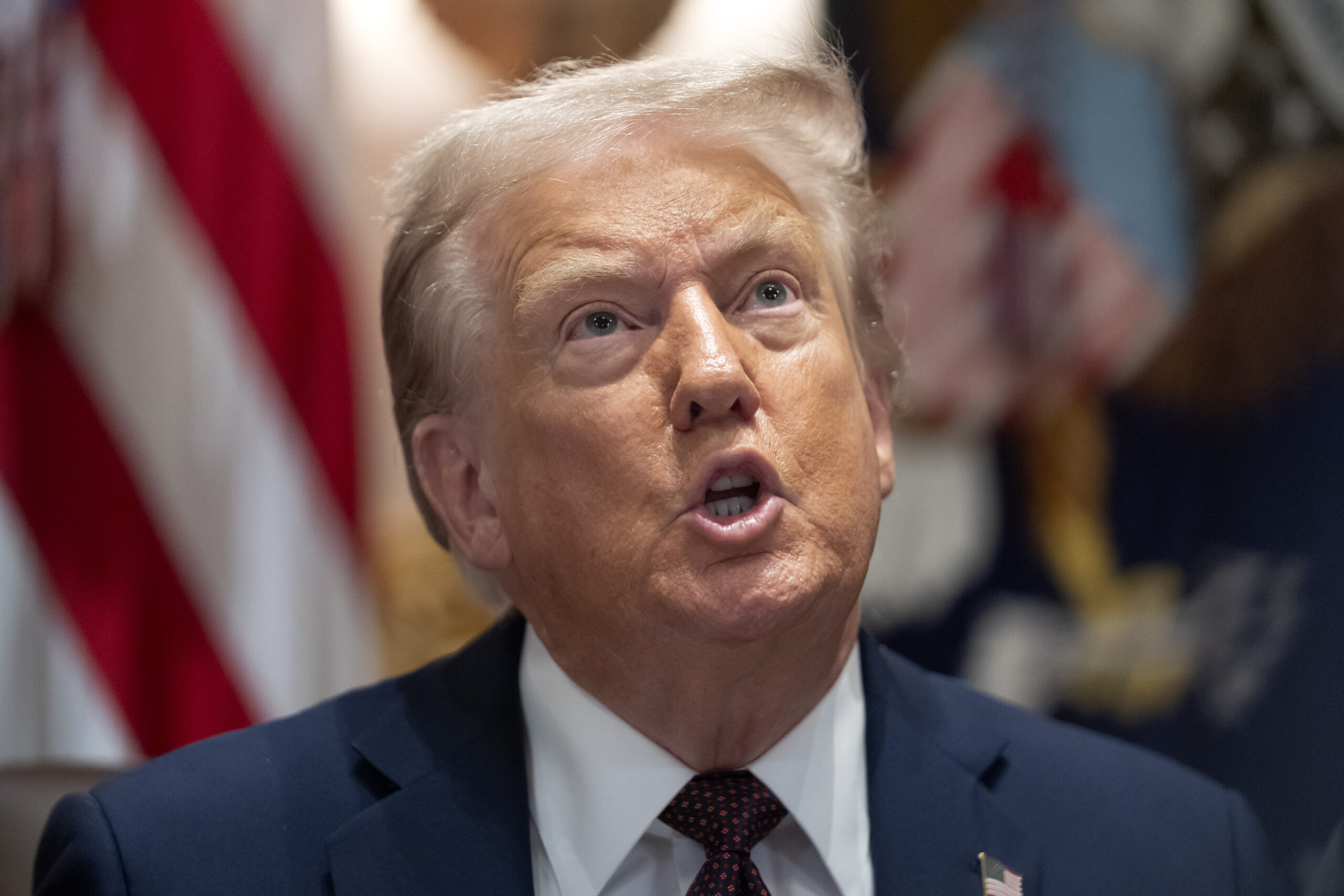
President Donald Trump speaks in the South Court Auditourium of the Eisenhower Executive Office Building on the White House campus in May 2026. (Photo via AP Photo/Julia Demaree Nikhinson.)
Homeland Security citizenship check rejected in court
Trump’s Department of Homeland Security, with help from the DOGE effort led by Elon Musk, revamped a government tool called SAVE (Systematic Alien Verification for Entitlements). The program has been a key pillar of his efforts to cull potentially ineligible voters from state rolls.
Last week, a federal judge blocked its use as a mass citizenship check.
The administration, according to its own news releases, had allowed local election administrators to search users by the thousands, using a wider range of metrics rather than DHS-issued identification numbers. At least 67 million registrations, primarily in Republican-controlled states, were analyzed. Tens of thousands were flagged as potential noncitizens or people who have died, but some voters were wrongly identified as ineligible.
U.S. District Court Judge Sparkle L. Sooknanan ruled that Trump’s changes aggregated Americans’ sensitive personal data in a way that could result in voters being wrongly purged from the rolls.
“All in all, the federal government has knowingly trampled on the privacy rights of American citizens in a manner that threatens the sacred right to vote,” Sooknanan said in her order.
Executive orders used in place of legislation
As presidents before him, Trump signed executive orders when Congress would not enact his policy preferences.
Trump’s first order reflected his emphasis on noncitizens. Like the SAVE Act pending on Capitol Hill, it sought to require would-be voters to document their citizenship to be able to register to vote.
U.S. District Court Judge Denise Casper put a temporary block on the order last year as she considered the case and last week made her decision permanent. The Constitution, Casper wrote, “does not grant the President any specific powers over elections.”
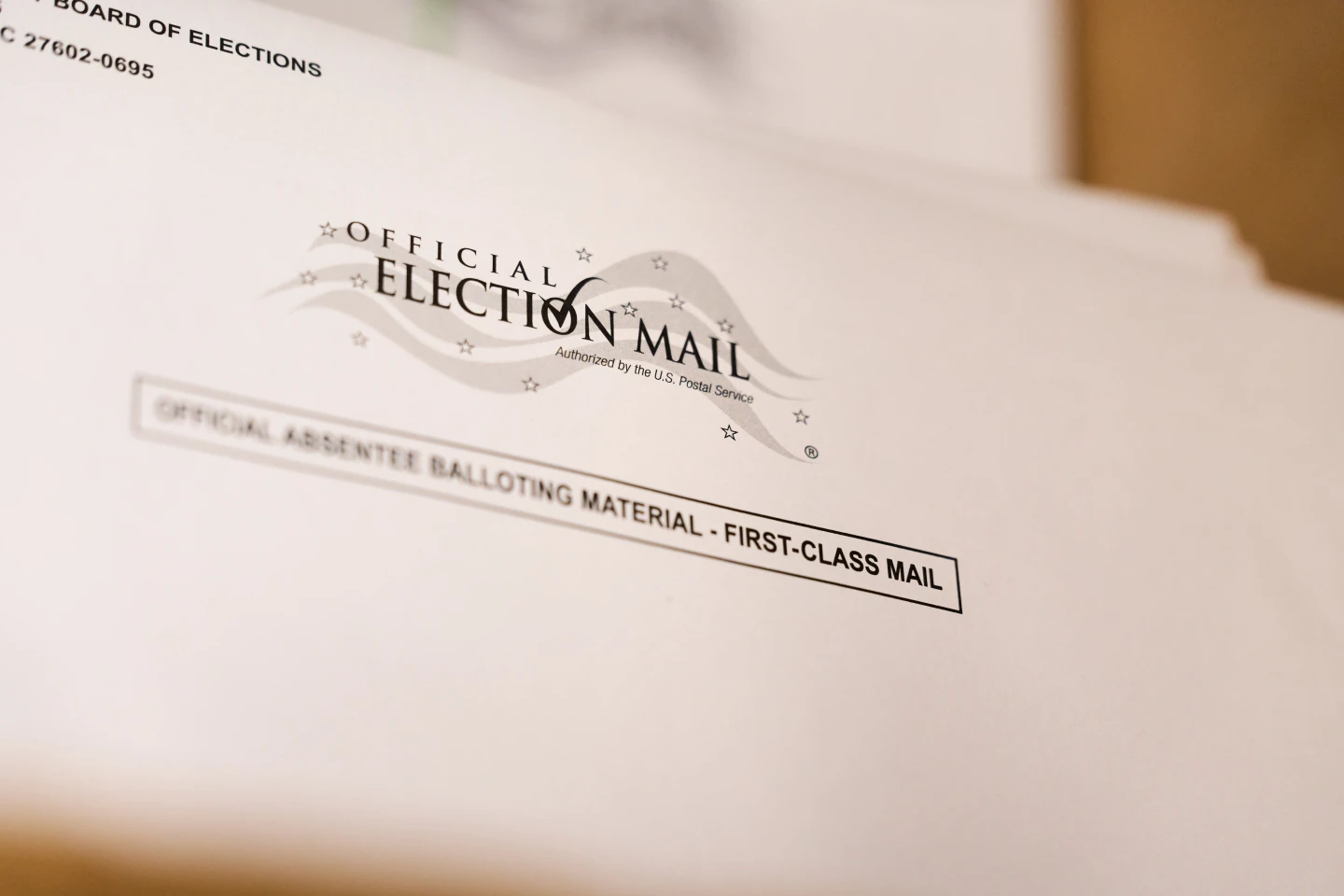
Absentee voting is a staple of U.S. elections, but Trump describes the practice, incorrectly, as allowing fraud — even as he has used it himself. A 2025 report by the Brookings Institution found that mail voting fraud occurred in only 0.000043% of total mail ballots cast.
Democratic secretaries of state sued, and U.S. District Court Judge Indira Talwani made the same legal assessment as Casper. The provisions, she wrote last week, “unconstitutionally violate the separation of powers.”
The White House has indicated it will appeal.
Even Trump says the SAVE Act has long odds
Trump on Monday called the Senate logjam “crazy” and one of the holdouts, Republican Alaska Sen. Lisa Murkowski, “Trump-deranged.”
It’s the latest legislative tussle that prompted Trump to demand Republicans scrap the filibuster, which requires most major legislation to get support from 60 of the 100 senators. But that likely wouldn’t matter in this case, with four of the Senate’s 53 Republicans declaring their opposition to the bill itself: Murkowski, Susan Collins of Maine, Mitch McConnell of Kentucky and Thom Tillis of North Carolina.
The president acknowledged Monday that the SAVE Act is “probably not going to happen.”
Trump still has options for the November elections
Both major parties have national operations to monitor elections, including legal teams ready to file challenges.
Despite the Republican National Committee losing the mail ballot case, Chairman Joe Gruters on Monday alluded to those efforts: “We are not going to be deterred by this decision, and the RNC will keep fighting to have elections end on Election Day,” he said.
Meanwhile, Trump has been developing a possible roadmap for more aggressive actions.
His U.S. attorney in Los Angeles said in June that he had opened multiple election fraud investigations, and he sent a prosecutor to the county’s vote-tabulation center after California’s June primary. Six months earlier, FBI agents executed a warrant and seized ballots and other records from the 2020 election in Georgia’s Fulton County, which includes Atlanta.
Muller, the law professor, said local elections officials “already are having conversations about chain of custody disputes” for ballots as they are cast, collected, counted and stored.
He and UCLA law professor Rick Hasen noted that judicial warrants are required for the kinds of actions that happened in Fulton County. Muller predicted “the bar would be even higher” for any warrant the administration requests during a live election.
Hasen added that he’s working to educate judges around the country on the importance of chain of custody for ballots.
“Republicans believe him when he says the election is rigged. And then when Republicans try to change voting rules to tighten things up, that causes Democrats to also think that the election system is being rigged,” Hasen said. “So, if what he’s trying to achieve is undermine voters’ confidence in the election process, he seems to have succeeded spectacularly.”
Featured photo via AP Photo/Mike Stewart.