
By SORS Board Member David Silfen with SORS Volunteer Margot Lester
As we’re pulling this together, Orange County is experiencing its fourth straight day under an extreme heat advisory and most of the land area is officially in an exceptional drought, the highest possible rating. These conditions are dangerous for everyone, and people over 55 are at a higher risk of health impacts — even folks in terrific shape.
That’s because, as we age, our bodies have a tougher time regulating internal heating and cooling. We lose adipose tissue, which causes our skin to thin and makes it harder to regulate our body temperature.
In this article, we share general tips for staying healthy when the thermometer reaches into the 90s and beyond, and offer some cautions for people living with certain health and financial conditions.
How 55+ adults can stay safer in extreme heat
If you’re in good health, staying safe in extreme heat is a matter of monitoring the weather and your temperature and hydration.
- Keep on top of weather conditions. This is the best way to make smart decisions about activities and exposure. Sign up for the County’s emergency alert service, which includes weather events, and your favorite weather app. (We like WRAL’s because it’s prepared by people who know our area well.)
- Avoid over-exertion and exposure. If you can stay indoors where it’s cool, do. If not, plan your outside time in the early morning or evening when it’s a little cooler. When possible, choose a location that’s in full or part shade. This is especially important if you’re active at work or play. Remember, however, that nighttime cooling is declining, meaning it can still be dangerously hot even after dark.
- Cool down. Whenever you can get cool, do! When you’re out and about, pop into public spaces like libraries, government buildings or stores to shave a few degrees off of your internal temperature. The County hosts several cooling centers. Find the locations and hours here. If you can’t find an air-conditioned refuge, find a shady spot and fan yourself with your hand, a map, etc.
- Stay hydrated. Dehydration is cumulative, so drinking water regularly is advised for most healthy adults. There are a lot of recommendations out there, but just drinking more water may not be safe, especially if you have certain medical issues. Reach out to your doctor’s office for specific advice on how much to hydrate during heat waves. For most of us, it’s important to drink throughout the day before we feel thirsty. This is particularly critical when you’re exerting yourself outside, whether that’s working in the yard or playing sports. And remember, although it’s a liquid, an alcoholic beverage isn’t a good source of hydration.
- Protect your skin. Whenever possible, rest in the shade. Wear a wide-brimmed hat and lightweight, light-colored clothing that fits loosely so air can flow. Natural fibers like cotton or linen can feel cooler than polyester and other synthetics. If your skin’s going to be exposed to direct sun, wear sunscreen to avoid getting burned, which is not only uncomfortable but also makes you more dehydrated. While people of color are less likely to get skin cancer, when they do, it frequently occurs in less-common areas like on the hands, feet and finger/toe nails — and is often misdiagnosed until the later-stages. Wearing sunscreen is smart for everyone. Learn more about skin cancer in people of color from The Cleveland Clinic.
- Learn CPR and basic first aid. Know how to respond if someone becomes unresponsive during an extreme heat event. We offer free public classes every month or you can schedule one for your family and friends. See the options at sors.us/cpr.

Exercising in the shade helps you stay cooler!
How heat impacts older adults with chronic conditions
Chronic disease also ups the risk of heat-related consequences. You need to be extra attentive during hot weather if you have:
- Cardiovascular disease, coronary artery disease and high blood pressure: High temperatures can make the heart work harder, which raises the risk of heart attacks, arrhythmias (irregular heartbeat) and even heart failure. Even the medications you take can make it harder to respond to extreme heat. If you’re on an ACE inhibitor or receptor blocker, beta blocker, calcium channel blocker or diuretic, take extra care to stay cool and hydrated, and call your physician’s office with questions and concerns. Get more details from the American Heart Association.
- Cognitive conditions: People with dementia, Alzheimer’s Disease and other cognitive conditions may have a hard time noticing they’re overheating or dehydrated, and not know how to or be able to take action or ask for help. Some of these conditions may also affect the part of the brain in charge of regulating body temperature. Check out this advice for caregivers from the Alzheimer’s Research Association.
- Diabetes: If your blood sugar stays up for an extended period, your kidneys have to work harder and you urinate more. This is especially dangerous in high heat situations, making you more prone to dehydration. Plus, some complications from diabetes damage nerves and blood vessels and can affect our ability to sweat, making it harder to cool down. Extremely high temperatures can also affect your insulin, monitor, pump and other equipment. Learn more from the CDC.
- Mental health conditions: Some medications prescribed for mental illness — like stimulants, mood stabilizers and anti-anxiety, antidepressant and antipsychotic drugs — can interfere with your ability to sense that body temperature is rising and take action to control it. Talk to your care provider about how extreme heat can impact your medications and your mindset. Review the details from the Substance Abuse and Mental Health Services Administration.
- Thyroid disease: Thyroid hormone helps keep your body temperature stable in cold and hot weather. A recent study on how extreme heat affects the thyroid found that when temperatures rise, the amount of thyroid-stimulating hormone lowers. That means your body doesn’t produce those hormones, making it harder for your body to stay at a healthy temperature. Read the study’s findings.
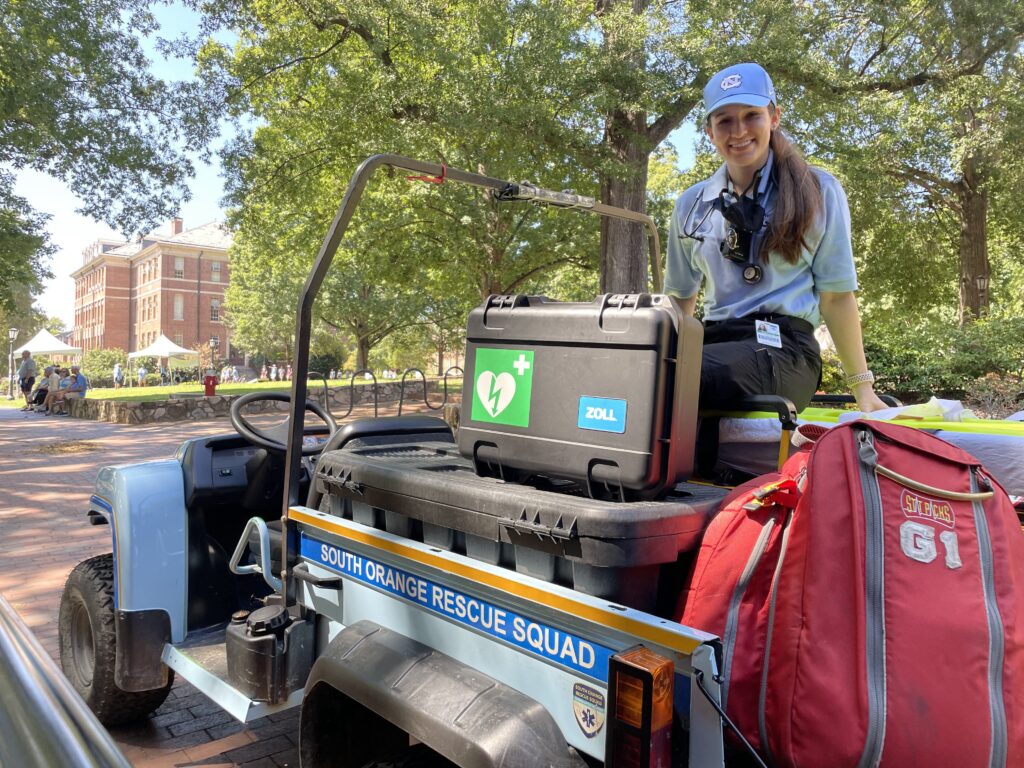
Don’t hesitate to call 9-1-1. We’re ready to help! (Photo: SORS Member Gabi Battaglini)
How limited financial resources impact heat risk
Economic conditions also make it challenging for some older adults to stay safe during heat waves. The costs of energy and groceries are already stretching many senior budgets to the limit. During times of sustained high temperatures, it’s even worse.
Staying healthy in the heat requires you to be well-nourished. Fresh fruits and vegetables (good sources of extra water!), protein and fiber help your body function correctly, reducing physical and emotional strain. You may not want a big meal, but eating smaller amounts throughout the day helps you stay healthy. If you need help with hydration and nutrition, you may be eligible for support from Meals on Wheels Orange County, NC. They help older adults maintain independence and well-being by delivering nutritious meals, friendly check-ins and vital connection to the community. Volunteers often serve as an extra set of eyes, helping identify when someone may need additional assistance or support. Learn more, volunteer or refer someone for services at mowocnc.org.
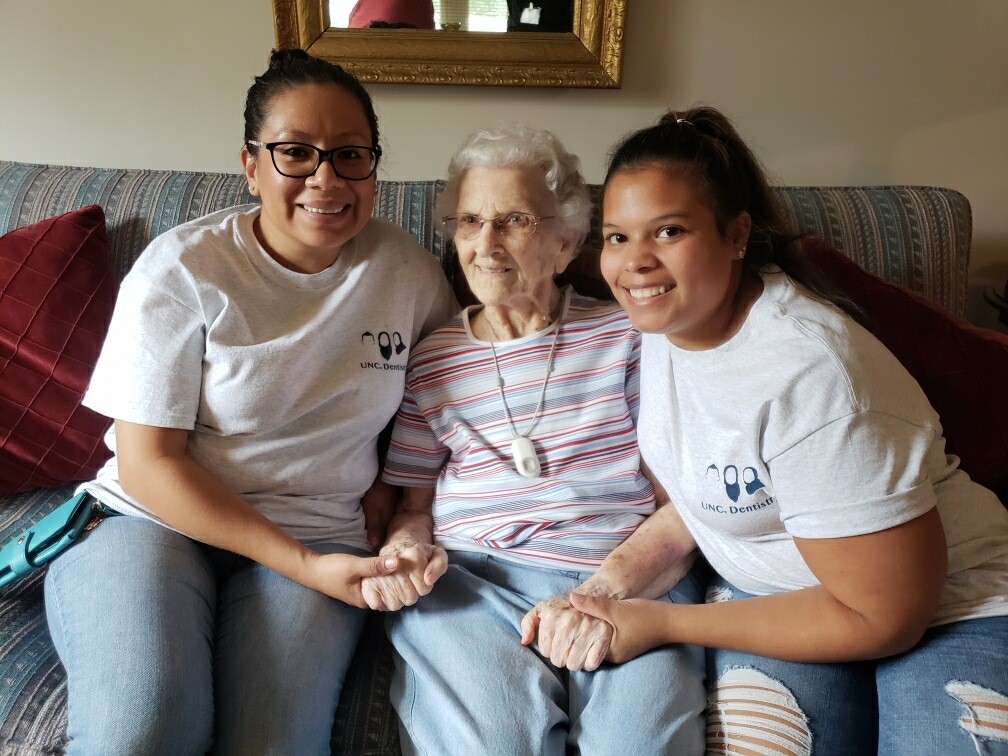
Meals on Wheels Orange County volunteers bring nutritious meals and friendly connections to local elders. (Photo courtesy of MOWONC)
When even nighttime temperatures are in the 80s, we need air conditioners and fans to run longer, which drives up the power bill. You may be eligible for financial assistance through the Crisis Intervention Program if you are experiencing or are in danger of experiencing a health-related or life-threatening emergency because you don’t have a sufficient cooling option and timely assistance is unavailable elsewhere. The deadline to apply is June 30, or until the allocation is depleted. Apply through the North Carolina Department of Health and Human Services website.
Summer heat can be serious and we want you and the elders in your life to stay healthy. Follow this advice — and if you do need help, call 9-1-1. SORS volunteers are ready when you need us!
Don’t disregard professional medical advice, or delay seeking it, because of what you read here. This information is not intended as a substitute for professional consultation, diagnosis or treatment; it is provided “as is” without any representations or warranties, express or implied. Always consult a healthcare provider if you have specific questions about any medical matter, and seek professional attention immediately if you think you or someone in your care may be experiencing a healthcare condition or an emergency.
 The South Orange Dispatch is a monthly column on Chapelboro by the South Orange Rescue Squad: an all volunteer, 501c3 non-profit providing EMS and technical rescue services in the Carrboro-Chapel Hill area of Orange County since 1971.
Chapelboro.com does not charge subscription fees, and you can directly support our efforts in local journalism here. Want more of what you see on Chapelboro? Let us bring free local news and community information to you by signing up for our biweekly newsletter.

