Welcome to “Paying it Forward,” a monthly interview series made possible by Piedmont Health. In this series, we hear from the folks at Piedmont about the importance of community health centers – and why they chose a career in community health.
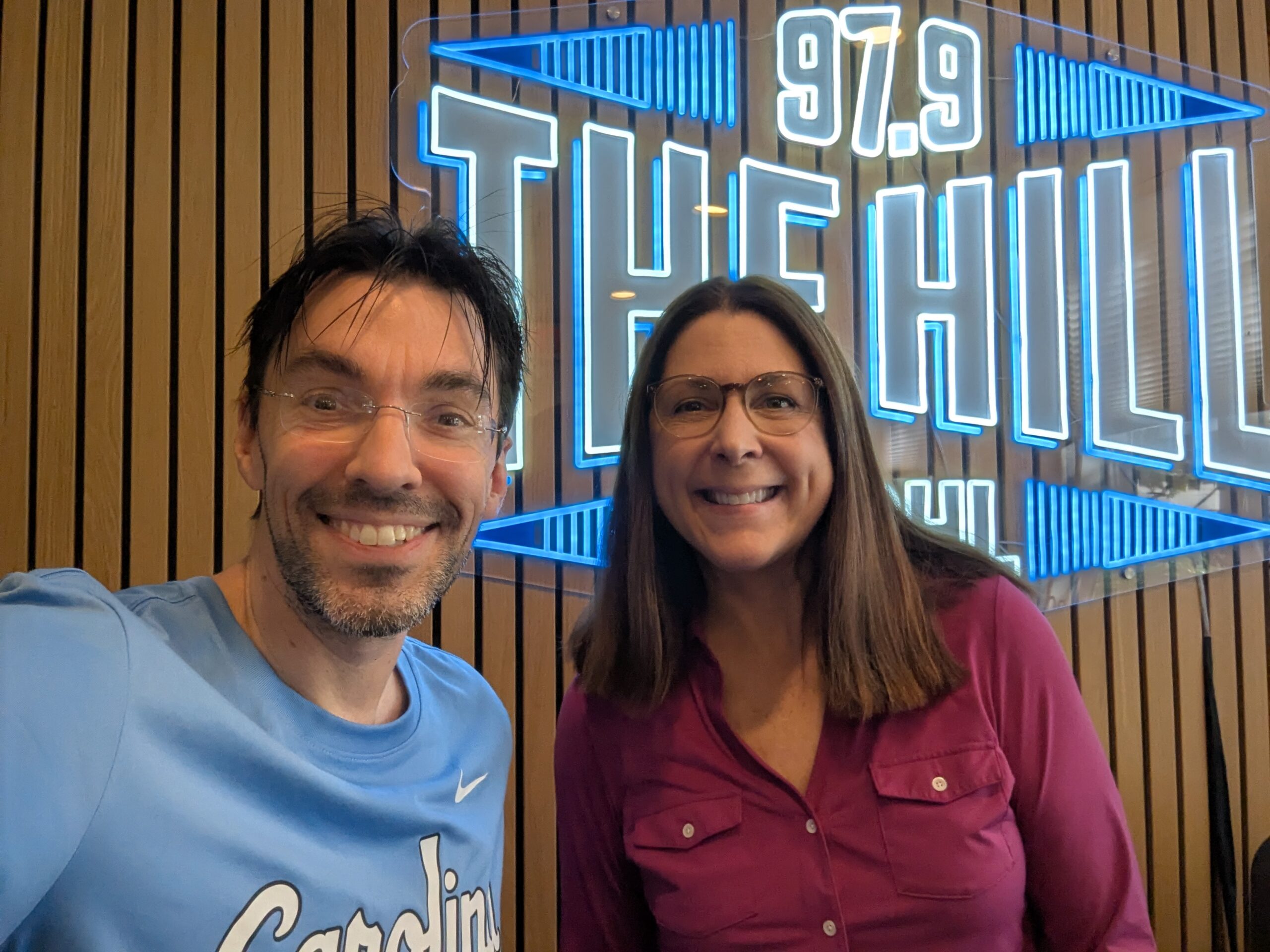
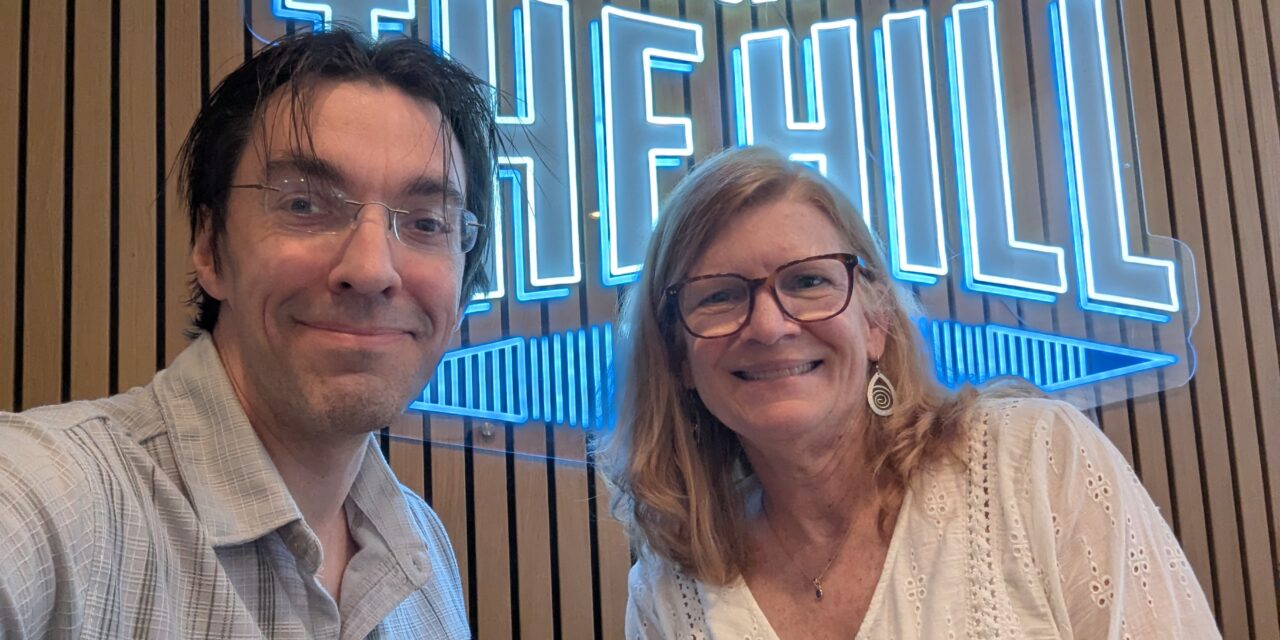
This month, Aaron welcomes Karen Smith, Piedmont’s director of behavioral health. Smith grew up in Honduras while that country was under a military dictatorship, and she says that experience sparked a lifelong interest in promoting social justice – which led her first into the field of social work, and then to a career in community health.
“I feel like I was meant to be in behavioral health,” she says. “And our population (at Piedmont) is primarily individuals who are marginalized. So I love the work I do.”
Today, though, Smith is working less directly with patients themselves. That’s partly because her role at Piedmont is more administrative, but it’s also for a sad reason: she says she dialed back her clinical work earlier this year, after her husband passed away in February.
“I’ve been working on healing,” she says. “It can be difficult trying to help others while I’m helping myself.”
But Karen Smith also says that experience has also given her new insights into the process of dealing with grief, something she often encounters with her patients in behavioral health.
“Grief is normal, it’s something we all experience – (and) every grief is different,” she says. “It’s like fingerprints: everyone grieves differently, and that’s okay. And there’s a lot of different symptoms that we may have – not only the mood symptoms, the feelings, the sadness, the anger and the guilt, but also physical symptoms too, (like) heaviness on your chest. I would wake up wondering, ‘is something wrong with me?’ Neuroscience has confirmed that grief activates the same pain pathway when you’re grieving as when you have a physical injury. People are actually feeling pain. (And) there’s the exhaustion, really deep exhaustion that not even sleep can fix. Also the brain fog, what people call the ‘grief fog,’ where it’s oftentimes hard to focus.”
Smith says we often associate grief with the death of a loved one, but people can experience grief alongside any kind of personal loss or life changes – like a divorce, or the loss of a job, or even moving to a new home or a new school.
And she adds that grief often manifests itself in many different ways at once.
“I have hundreds of small griefs throughout the day,” she says, “when I don’t see my husband sitting on the couch, or when I don’t hear his voice. There’s also a lot of administrative tasks, (and) people who haven’t lost someone aren’t aware of the amount of time that takes – from the funeral planning to the (financial) accounts, all those administrative tasks that need to be done while at the same time you’re trying to cope emotionally.”
So what helps, when you’re struggling with grief? And what can we do to help our loved ones who are struggling?
“What has helped is people staying connected with me,” Smith says. “Oftentimes right after the funeral, everyone comes in and everyone’s there, you have your friends and your family there with you. And then I think the hardest part really hits you when it’s weeks or months out and everyone’s gone back to their lives, and you’re still kind of standing in the rubble. So that’s when it really makes a big difference, for people to stay connected and check in. That’s really been helpful for me…
“What’s really been helpful too, is (for) people to say, ‘Hey, I just cooked this and I’m going to bring it over so you don’t have to cook dinner,’ or just ‘Hey, I’ll come over and just sit with you, just be there and be present for you.’ Because a lot of times people are like, ‘oh, just call me. Let me know what you need.’ (And) the intention comes from the heart, (but) that also puts a burden on the person who’s grieving, having to actually decide, ‘oh, what do I need?’ That takes time and effort, (and) you may not have that bandwidth.”
Karen Smith has spent her career working with people who are struggling with grief and other mental-health issues – but she says her recent experience offers new perspective on how people recover, and what medical professionals and loved ones alike can do to help the recovery process.
“Grief needs to be witnessed,” she says. “Acknowledge the pain that the person is going through. And also provide them with the hope that the pain does (subside). It’s a journey, it’s a process, it’s not like one day you’re going to be completely cured. No, there are going to be those painful moments. It’s going to impact your day-to-day life … (but) our life grows around the grief.
“Sometimes I draw this picture for clients: I say (there’s) a box, and a red ball in the box, and the red ball is grief. Initially, it takes up the whole box. And then after time, your life around it grows. (It’s not that) the grief has diminished, it’s more (that) your life outside of the grief has grown. You’re reconnecting. And reconnecting is really important. I can tell you from personal experience, it’s reconnecting that makes that life expand back again, and give meaning to our lives.”
97.9 The Hill WCHL and Chapelboro.com are your headquarters for local news and local voices in Chapel Hill-Carrboro. Every weekday morning, 97.9 The Hill’s Aaron Keck chats with government officials, UNC scholars, business and nonprofit leaders, area musicians, and others in our community as they share their thoughts, their experience, and their expertise on the central issues of today. Click here to listen back to all of Aaron’s conversations – and tune in to “This Morning with Aaron Keck” at 7:30 a.m. on 97.9 The Hill to hear those conversations live.
Listen:
Podcast: Play in new window | Download
Subscribe: RSS