Jordan Lake and the Haw River are two bodies of water that impact our area and are at the center of a debate between conservationists and state lawmakers. The argument is about how to reduce pollution in Jordan Lake, either by enforcing pollution controls throughout the watershed or by using a new method whose effectiveness some question.
Elaine Chiosso, the Haw Riverkeeper for the Haw River Assembly, listened in as a state legislative research committee on Jordan Lake met Wednesday, taking public comment on the issue.
She is one of many environmentalists who are urging lawmakers to bring back the “Jordan Lake Rules,” which were designed to protect the lake and its watershed by limiting nutrient and pollutant runoff.
“Our state has gone backwards at the task of trying to restore this river and Jordan Lake,” she said.
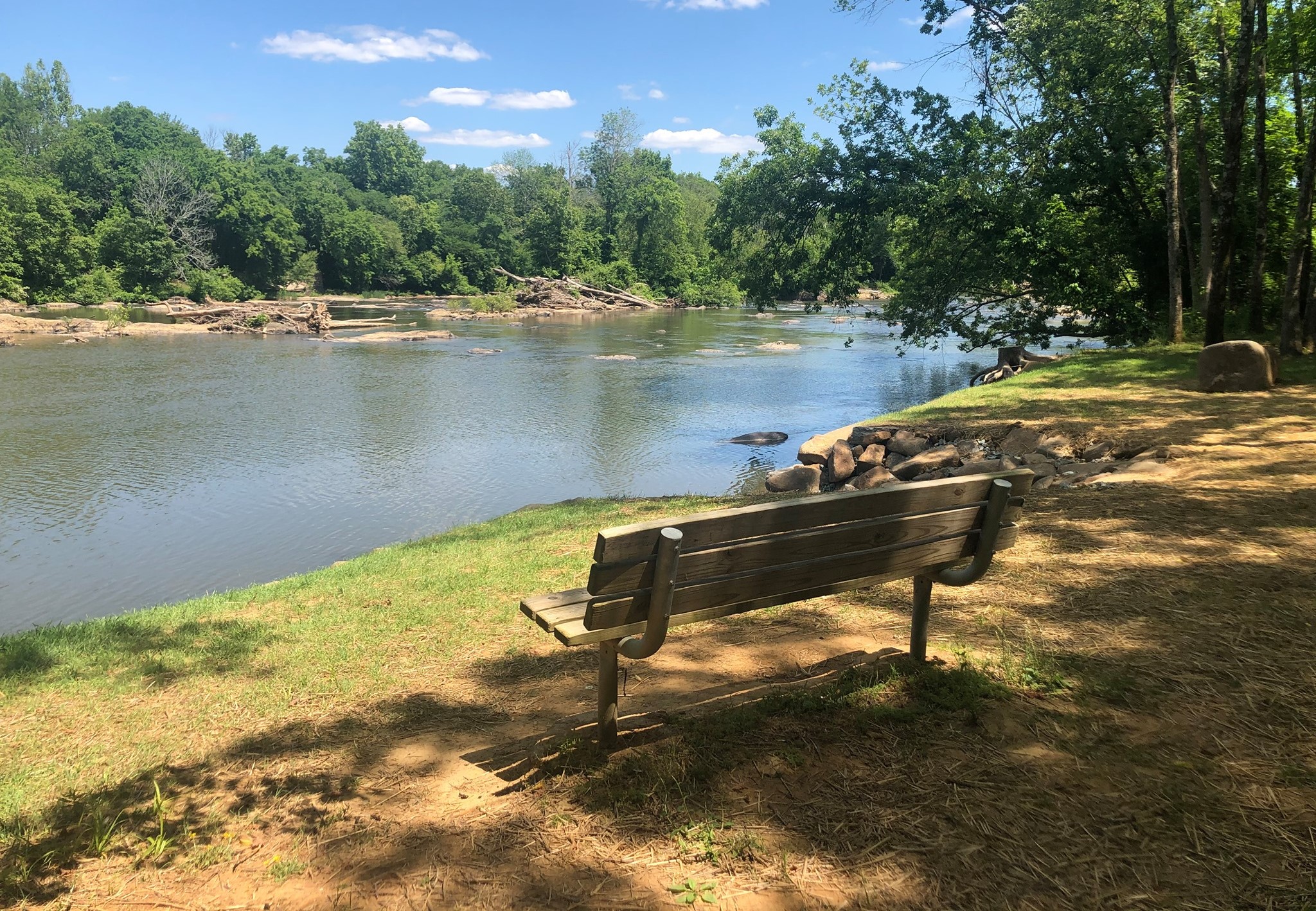
The Haw River flows 110 miles from the north-central Piedmont region of the state, to the Jordan Lake Reservoir, and into the Cape Fear River in south Chatham County.
Chiosso said she was “outraged” when the General Assembly decided last summer to put the Jordan Lake Rules on hold for three years, before many of the measures could be implemented.
Some said the rules which were developed in 2009 would cost developers hundreds of thousands of dollars to meet the standards.
What pollution flows into the Haw River, Chiosso said, will eventually make its way downstream into Jordan Lake, the source of drinking water for much of the Triangle.
“Really the biggest impacts on Jordan Lake come from people that are farther away. It is harder to make that case,” Chiosso said.
As alternative measure, the state went forward with installing SolarBee aerator pumps in the lake, which some said would be a cheaper way to keep the lake clean.
The giant pumps will circulate the water near the surface, with the intention of reducing algae blooms.
Chiosso said that based on the information discussed Wednesday, she was not convinced that there are solid parameters in place to determine if the pumps are effective.
“These SolarBees, by churning up the water, keep algae from growing, but it doesn’t stop any of the pollution that is in that water. Really all your are doing is sending that water in Jordan Lake as it goes downstream. Jordan Lake is not a closed system. It is the Haw River and it keeps going on down to meet the Cape Fear. You are just down into the Cape Fear River.”
By rolling back the rules designed to address water pollution, Chiosso said many ague that this puts the state in conflict with the U.S. Environmental Protection Agency and the Clean Water Act.
Last week, the Haw River made it on the top 10 list of “America’s Most Endangered Rivers Of 2014,” which was compiled by the environmental group, American Rivers.
“Our best hope right now on getting the Jordan Lake Rules back on track [is that] we need people to be telling the legislature that this is unacceptable. Just because they just said that they are probably not going to talk about it during this session, if there were enough pressure, they might change their minds about that.”
Chiosso added that she was disappointed, but “not surprised” that state leaders indicated Wednesday that they will not revisit the issue during the legislative session in May.

Related Stories
‹

On the Porch: Emily Sutton - Riverkeeper for The HawThis Week:
Emily Sutton is the Executive Director of Haw River Assembly ("HRA") as well as being the Haw Riverkeeper. She joined the staff of Haw River Assembly in 2016, managing citizen science projects to watchdog against sediment pollution and monitor the tributaries and main stem of the Haw River. She has been Haw Riverkeeper since 2018, leading the fight for HRA against pollution in the Haw River on many fronts, including emerging contaminants, Jordan Lake nutrients, and sediment pollution. She is a current member of the NC Sedimentation Control Commission. Emily grew up paddling rivers in the Midwest, and moved to North Carolina to receive her B.A at Appalachian State University in Sustainable Development, where she studied Agroecology, Watershed Ecology, and Outdoor Education. Emily lives in Durham, NC.

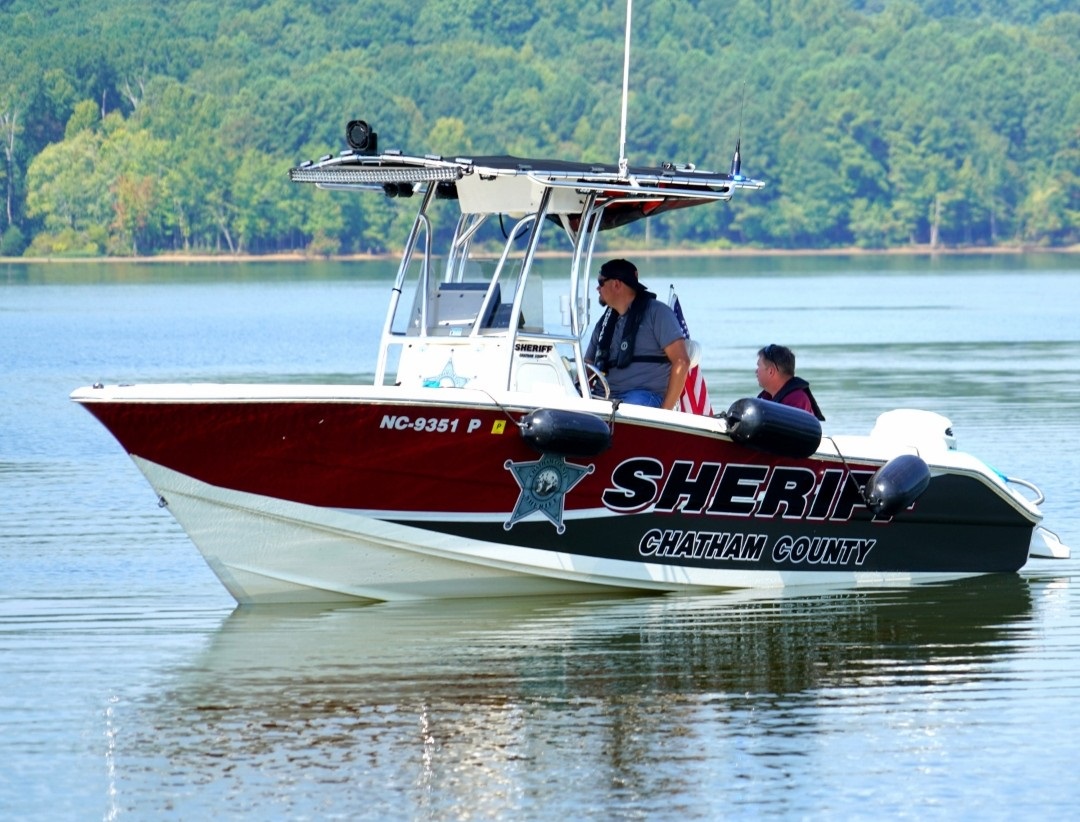
Body of Missing Fisherman Recovered on Friday, Says Chatham County Sheriff's OfficeAfter searching Thursday evening and early Friday morning, the Chatham County Sheriff's Office said first responders recovered the body of a drowned fisherman just south of Jordan Lake.

State Designation Signals New Expansion, Connectivity Opportunities for Haw River TrailThe Haw River Trail recently was added to North Carolina's parks system. What does that mean for its future?

Chatham County Sheriff's Office Identifies Body Discovered in Jordan LakeChatham County first responders dispatched to Jordan Lake on Friday night after reports of a body found in the water.

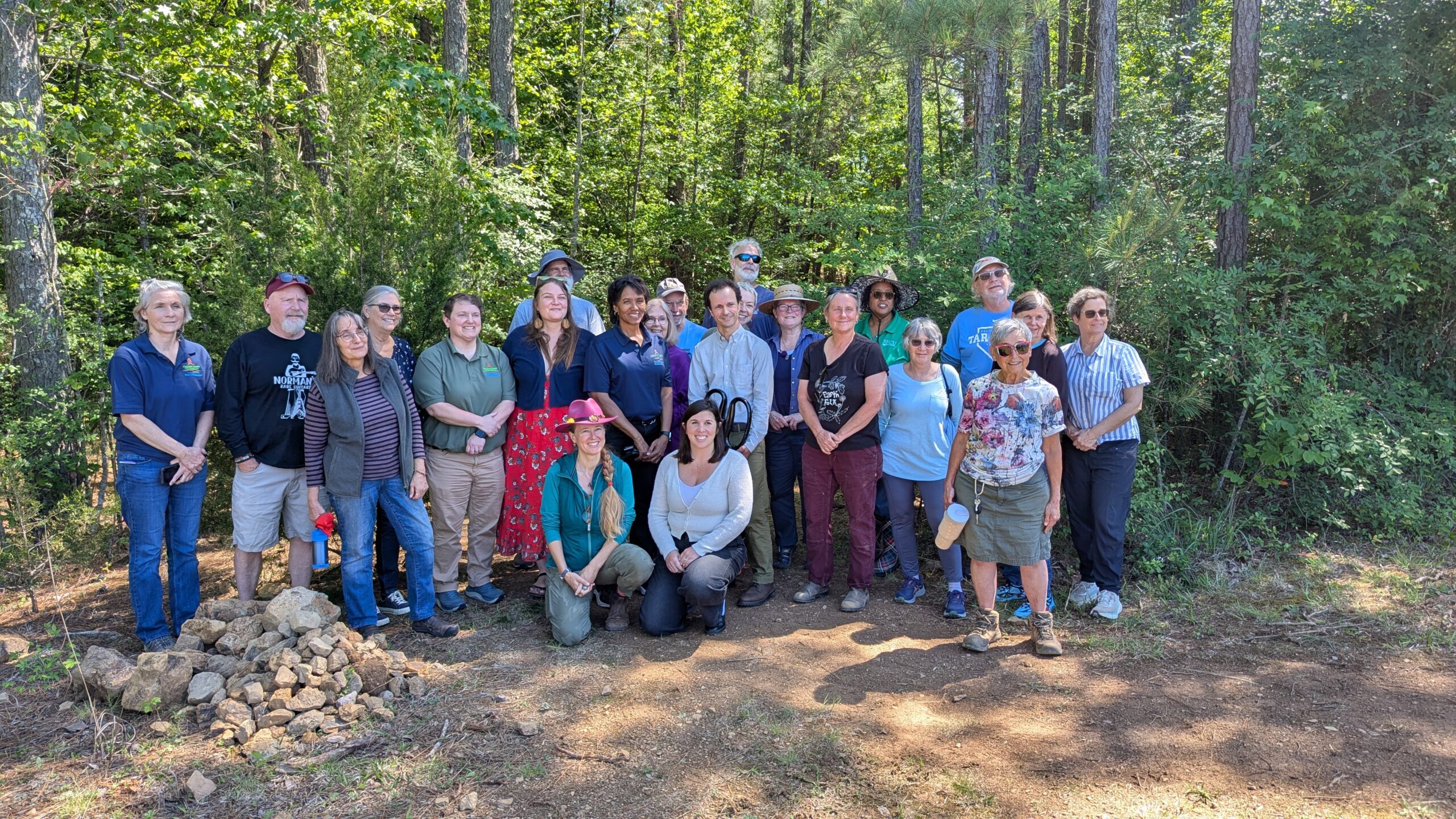
Chatham County Opens George Pauly Trail to Honor Longtime Volunteer, ConservationistThe George Pauly Trail is a 0.3 mile course at Northeast District Park in Chatham County. It sits just yards away from where Pauly lived.

Orange County Commissioners Pass 1-Year Moratorium on Constructing Large-Scale Data CentersOrange County recently approved a one-year moratorium on the construction of large-scale data centers. The commissioners unanimously passed the ordinance at an April 21 meeting, which will prohibit the county from approving any development proposals for the construction or expansion of any large-scale data center, including artificial intelligence data centers, cryptocurrency mining facilities, data centers, […]
![]()
Climate Thursday: Riverkeeper Emily Sutton of the Haw River Assembly (Apr. 2, 2026)Haw Riverkeeper and Executive Director of the Haw River Assembly Emily Sutton speaks with 97.9 The Hill's Brighton McConnell on Thursday, Apr. 2.

Prescribed Fire At Jordan Lake Could Lead To Smoky Conditions For Chapel Hill ResidentsAn upcoming controlled burn at Jordan Lake could lead to Chapel Hill residents experiencing smokey conditions for a multi-day period. A release from the North Carolina Forest Service Wednesday said personnel at Chapel Hill’s Jordan Lake Educational Forest will commence prescribed fire operations “on a 74-acre tract, weather permitting, within the next several days.” The […]

Haw River Assembly Shares Annual Report on Health of the Watershed, Issues Facing ItIn February, the Haw River Assembly will host several opportunities for the community to hear updates on the state of the watershed.

On the Porch: Karen Howard - The Mason HouseThis Week:
Elected as a Chatham County Commissioner in 2014, Karen Howard is a former attorney who lives in Northeast Chatham in a two-story Greek Revival house built in 1850 called the John A. Mason House. Commissioner Howard served as a member of the Chatham County Board of Education from 2012-2014. Born in New York, Commissioner Howard spent much of her childhood in the Bahamas. She obtained a Bachelor of Arts in English from Georgetown University and a LLB in Law from the University of Buckingham in England. In addition to serving as Chair of the Durham-Chapel Hill-Carrboro Metropolitan Planning Organization, Commissioner Howard serves on the Governor’s Crime Commission, and the Central Carolina Community College Board of Trustees.
›