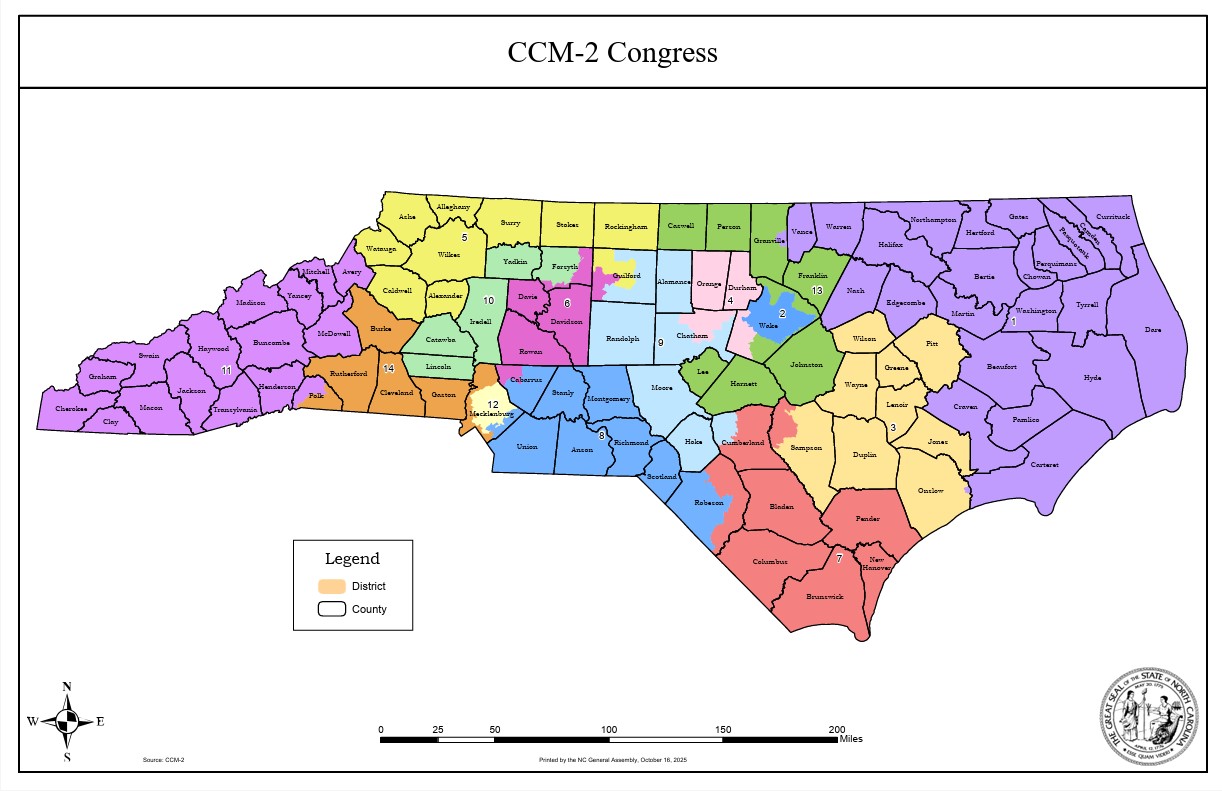
The North Carolina legislature may make significant progress on addressing partisan gerrymandering in the long legislative session, if a bipartisan group of lawmakers get their way.
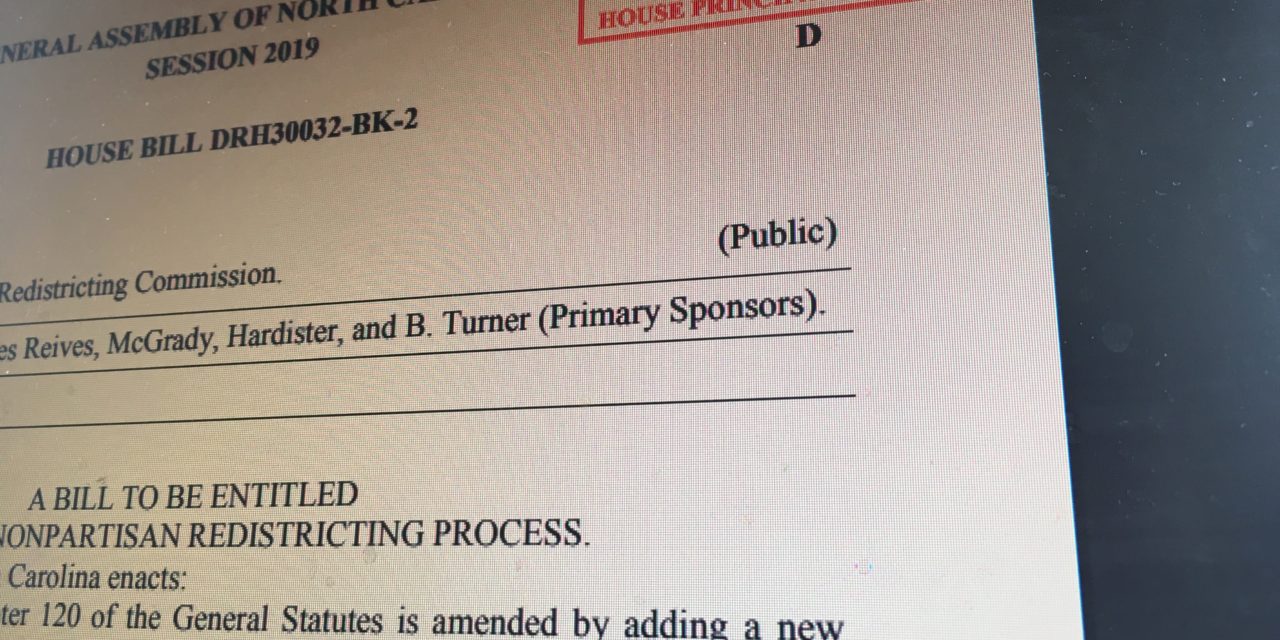
House bill 69, filed this week, would establish an 11-member commission to decide the boundaries of voting district in North Carolina following the 2020 Census.
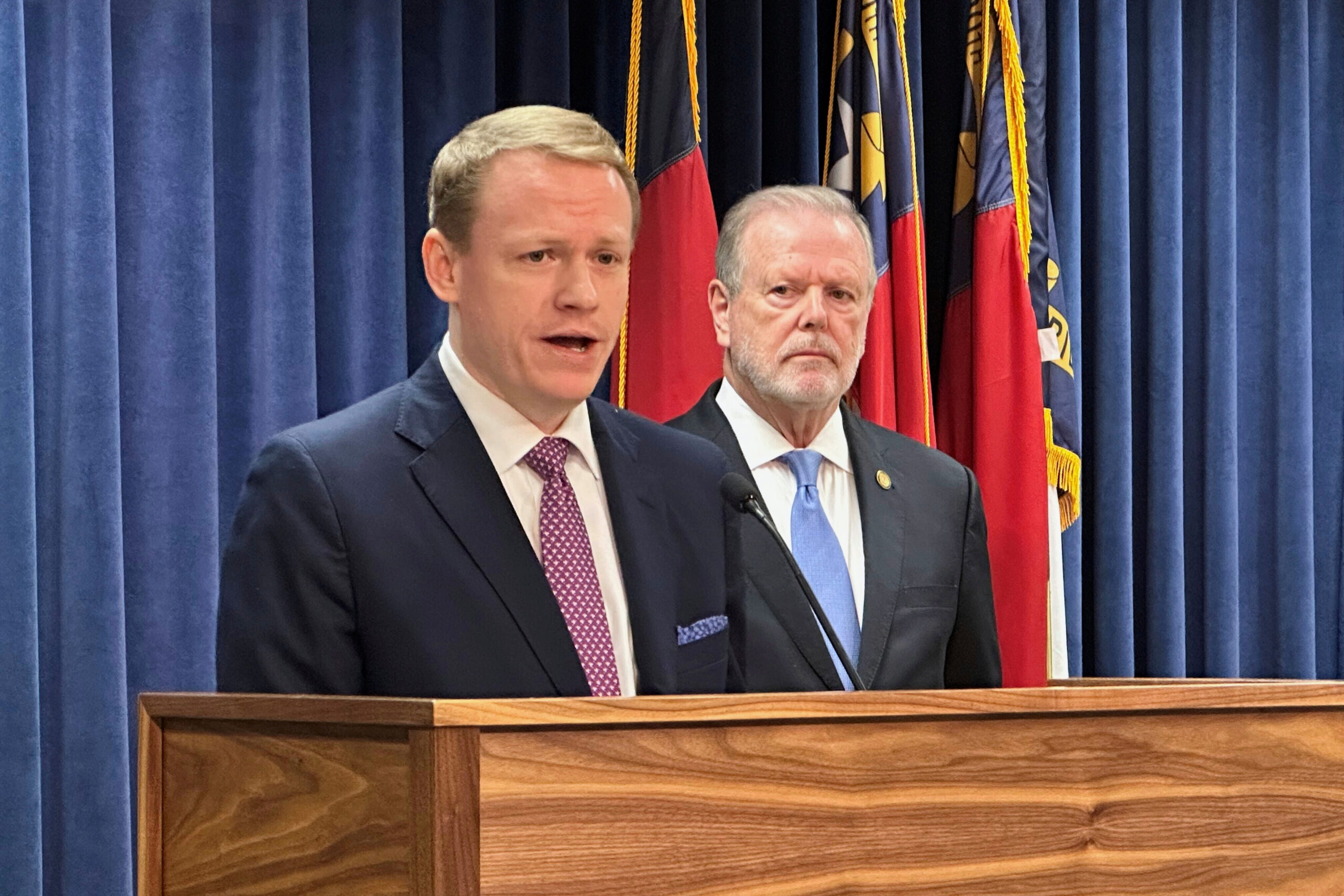
Republican House member Chuck McGrady has been working to address partisan gerrymandering for many years, but he said this session represents a unique opportunity for change.
The census will be conducted next year, with results become available in early 2021. Afterward, North Carolina will go through the process again of redrawing its voting districts. But the census is just far enough away that neither major political party knows who will be in power. Republicans are currently in the majority, but Democrats made big gains in the 2018 election cycle.
“Therefore,” McGrady said at a press conference on Wednesday, “at a point in time where neither the Republicans are sure they’re going to be in charge, nor the Democrats are sure they are going to be in charge, it may be the time when both sides finally come together and say, ‘we prefer to have not partisan redistricting, as opposed to having the other party completely in charge of the system.’”
McGrady also pointed to litigation making its way through the state court system, expected to reach the state Supreme Court, challenging partisan gerrymandering. A court ruling on the issue could take the matter out of the legislature’s hands, something its members want to avoid, McGrady said.
The Nonpartisan Redistricting Commission proposed by this bill would be made up of four members from both major parties and three unaffiliated members.
The representatives behind this bill said they will put forward several additional bills that propose alternative methods for voter redistricting. One of the upcoming bills would initiate, if passed by legislators, a voter referendum on an independent commission.
But House Bill 69 has bipartisan support. House Democrats Robert Reives and Brian Turner are sponsors on the bill.
Reives said at the announcement that this bill puts a priority on public transparency. A provision charges the commission with maintaining a website that will allow the public to view live and archived meetings and comments on plans for the commission to consider.
Reives said despite multiple previous attempts, this bill represented a unique opportunity for change.
“We’ve got a chance with this bill, with this step, to move that narrative forward, to change people’s opinions, Reives said. “I completely agree with Representative McGrady. With the entire atmosphere that’s out there, I do believe you’ve got an opportunity for people to come together on something that makes people feel good about their government.”
It is unclear that Republican leadership in either the House or Senate will allow the proposals to move forward.