Written by GARY D. ROBERTSON
The constitutional right of North Carolina’s children to have access to a good public school education also applies to individual students who aren’t getting help to stop classroom bullying and harassment against them, the state Supreme Court ruled Friday.
The justices unanimously agreed to expand the scope of a landmark 1997 ruling by the court that declared the state constitution guarantees every child of this state an “opportunity to receive a sound basic education in our public schools.” This and another 2004 ruling in what’s known as the “Leandro” case created the basis for a longstanding public policy debate over how to address inequitable school funding and services.
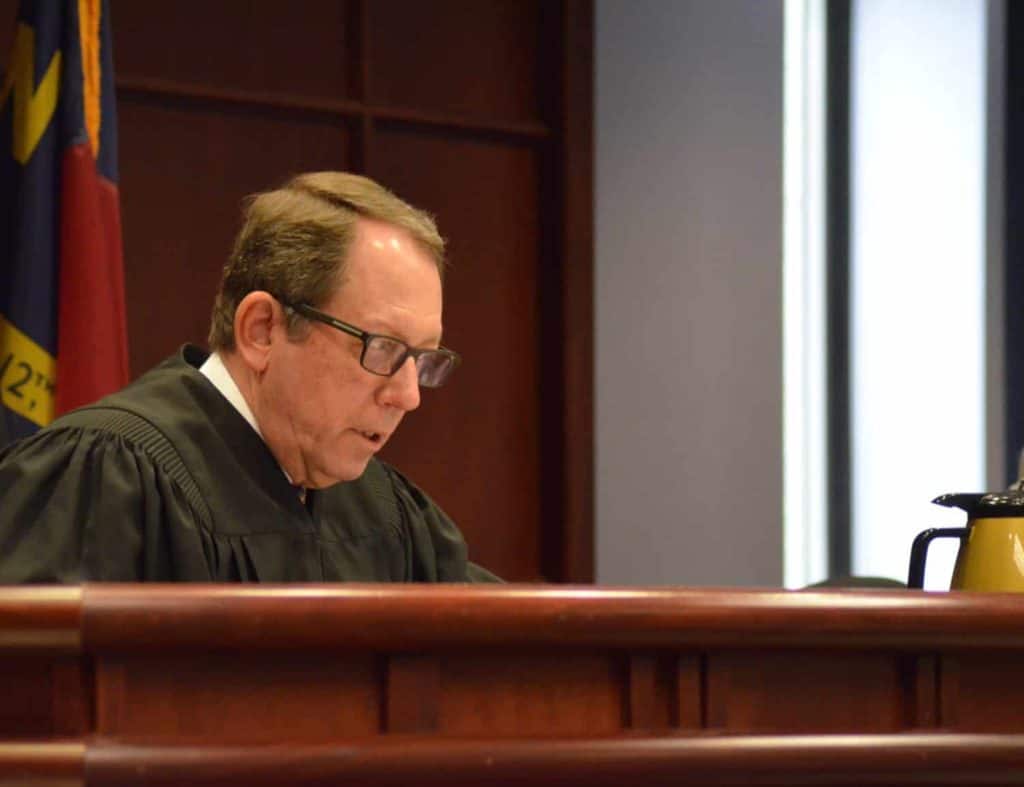
But these rights also must be offered as grounds for reasonable legal claims by individual students who say their rights were violated and there is no other way to seek redress, Chief Justice Paul Newby wrote.
“The right to a sound basic education rings hollow if the structural right exists but in a setting that is so intimidating and threatening to students that they lack a meaningful opportunity to learn,” Newby said in the opinion, which reverses a ruling by the state Court of Appeals to dismiss the case.
The case involved a mother and her three children. Ashley Deminski said her children, two of which are diagnosed with autism, were subject in 2016 to physical violence and sexual harassment and vulgarities by as many as four students at Lakeforest Elementary School in Pitt County. Deminski said the school’s leadership and the local school board were largely unresponsive to her concerns.
School personnel said changes would take time but no real change occurred, according to the opinion. Ultimately the three were able to transfer to another school, but Deminski sued in late 2017, citing education provisions in the North Carolina Constitution. The family sought monetary damages and an order that the children would never have to return to Lakeforest.
A trial court judge allowed the case to proceed, despite arguments by the Pitt County School Board that it was immune from the litigation as a government body. A majority on a three-judge Court of Appeals panel dismissed the case last year, citing a similar case involving the Charlotte-Mecklenburg school board and negligence claims related to a teacher’s sexual relationship with a high school student.
But Newby said the Court of Appeals’ majority decision would mean the constitutional guarantee “extends no further than an entity affording a sound basic education by making educational opportunities available.”
Instead, the right to education and the state’s duty to guard and maintain that right “extend to circumstances where a school board’s deliberate indifference to ongoing harassment prevents children from receiving an education,” he added.
Pitt County board lawyers had argued there was no cause of legal action under the constitution in cases alleging school employees had failed to prevent harm caused by a third party.
Deminski is very pleased with Friday’s ruling, attorney Troy Shelton said in an interview, calling it a victory for all North Carolina students in that “schools can’t turn a blind eye to abuse that’s happening right under their noses” and not face consequences. Deminski’s children are no longer in elementary school, Shelton said.
The case, which now returns to a trial court, received attention from outside groups. The American Civil Liberties Union of North Carolina and Disability Rights North Carolina filed briefs stating a sound basic education includes a safe learning environment.
Lawyers for the North Carolina Schools Boards Association urged the justices not to extend the Leandro ruling, saying that subjecting school boards to more claims of individual injury would be financially “ruinous” to school systems.
“Recognizing a (new) constitutional claim … would extend Leandro well beyond its holding and purpose, which was to create a framework through which the state’s public school system, as a whole, could be scrutinized for constitutional adequacy,” wrote attorney Elizabeth Troutman, representing the association.
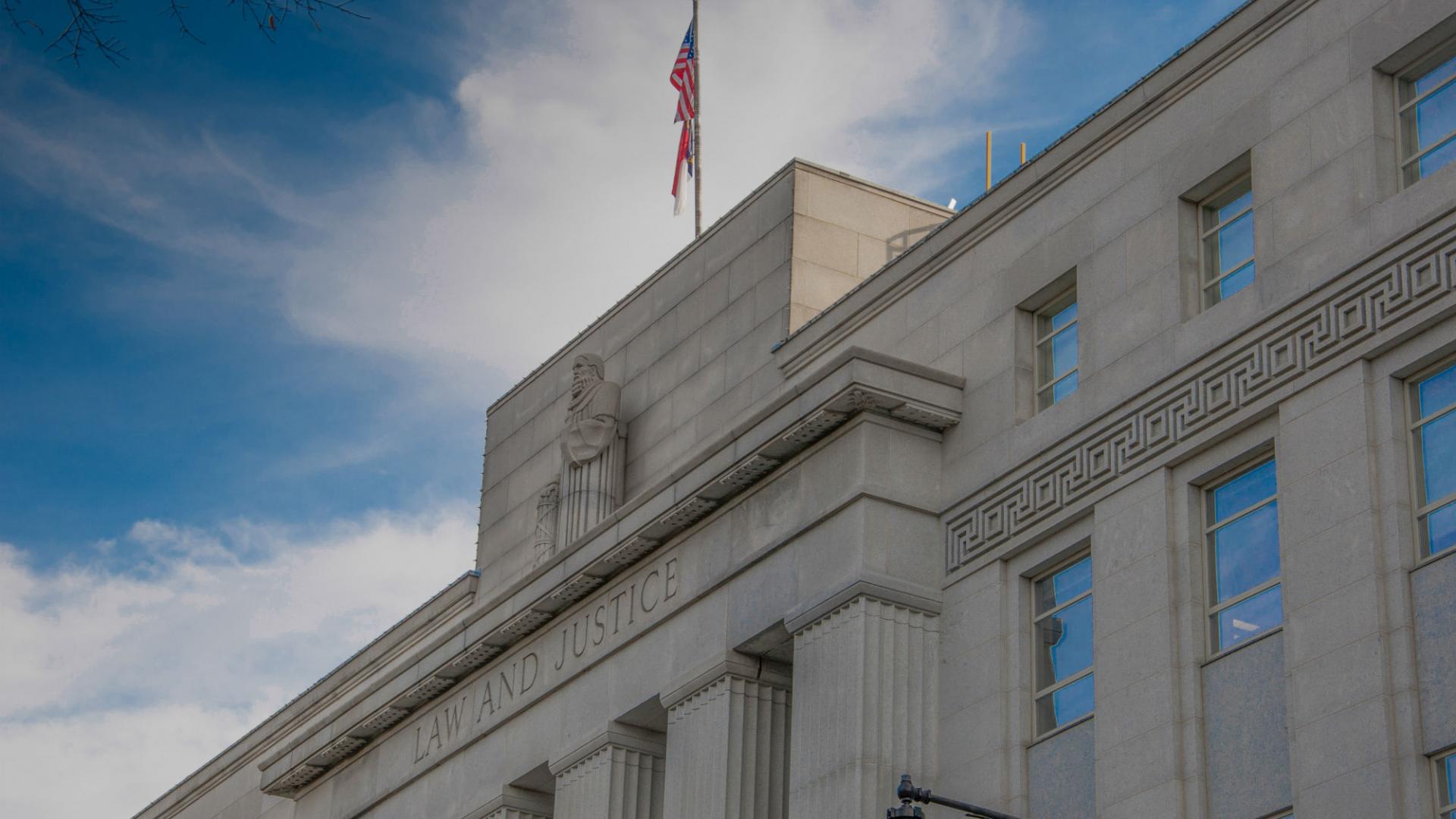
Photo via the North Carolina Judicial Branch.
Related Stories
‹

Cooper Lets Changes to NC Schools for Deaf, Blind Become LawWritten by GARY D. ROBERTSON Governance of the state’s public residential schools for the deaf and the blind is being shifted to new trustee boards controlled by General Assembly appointees in legislation that became law Monday because Gov. Roy Cooper neither signed nor vetoed it. The state constitution gave the Democratic governor until Sunday night to act […]

Cooper Nominates NC Education Board Leaders To Stay On PanelNorth Carolina Gov. Roy Cooper nominated on Thursday the current chairman and vice chairman of the State Board of Education to serve eight additional years on the panel. Eric Davis, the chairman since 2018, and Vice Chairman Alan Duncan were among four people that the governor asked the General Assembly to confirm for the board. […]

North Carolina Health Officials Urge Schools To ReopenWritten by BRYAN ANDERSON and GARY D. ROBERTSON The North Carolina Department of Health and Human Services called Wednesday on all K-12 public schools to offer in-person instruction “to the fullest extent possible” to the roughly 1.5 million students in the state. The more aggressive guidance was released minutes before Senate Republicans resumed their attempt to override […]

North Carolina House Unlikely To Proceed With Education Overhaul, Speaker SaysWritten by HANNAH SCHOENBAUM A sweeping education proposal that would take away power from North Carolina superintendents and the State Board of Education, placing it in the hands of public school parents, is unlikely to advance this session, the House speaker said Thursday. The 26-page bill, introduced last week but pulled from a committee agenda, would […]

North Carolina Gov. Roy Cooper Vetoes Another Charter School Oversight BillWritten by GARY D. ROBERTSON Democratic Gov. Roy Cooper vetoed on Friday another bill related to North Carolina charter schools that would ease enrollment growth caps and allow county commissioners to give them property tax proceeds for capital projects. The measure, which received final legislative approval last week, also would allow charter schools to admit […]

North Carolina Republicans Introduce Public Education Overhaul in Dwindling Days of SessionWritten by HANNAH SCHOENBAUM As the North Carolina legislative session winds down and budget negotiations plod along, House Republicans are pitching an eleventh-hour overhaul of public education laws that would take power away from superintendents and the State Board of Education while giving parents and lawmakers more control. Republican committee chairs pulled the proposal — introduced earlier […]

NC Board Backs Slower Effort on Teacher License, Pay ChangesWritten by THE ASSOCIATED PRESS North Carolina’s State Board of Education backed on Thursday an incremental approach to advance a potential teacher licensure overhaul that would include higher instructor pay based on performance rather than years of experience. The board voted with no opposition for a motion that in part envisions piloting or testing a new license […]

NC Teachers Group Critical of Proposed License, Pay OverhaulWritten by THE ASSOCIATED PRESS Members of North Carolina’s leading teacher advocacy group criticized on Tuesday a proposed overhaul of public school instructor pay and licensing, saying that implementing such changes would make existing classroom staffing challenges even worse. The state Department of Public Instruction released to the State Board of Education in April a “sample” […]

Judge: No Waiting on NC Budget To Act on School FundingWritten by GARY D. ROBERTSON A North Carolina judge signaled Monday that he’s ready to formally demand legislators carry out a funding recipe to reduce public education inequities, saying he wouldn’t wait on a negotiated budget agreement between the governor and legislature before acting. Superior Court Judge David Lee told lawyers representing local school boards […]

NC Court Expands Landmark Education Ruling to BulliedWritten by GARY D. ROBERTSON The constitutional right of North Carolina’s children to have access to a good public school education also applies to individual students who aren’t getting help to stop classroom bullying and harassment against them, the state Supreme Court ruled Friday. The justices unanimously agreed to expand the scope of a landmark 1997 ruling by […]
›