RALEIGH – North Carolina Department of Commerce officials say the state is ahead of schedule in paying off its debt to the federal government.
“It’s been a good year in terms of paying off the debt,” says Division of Employment Security assistant secretary Dale Folwell. “We’re almost $100 million ahead of expectation.”
That’s important, he says, because “as long as this debt’s outstanding, employers in North Carolina–or future employers who are thinking about coming here–have to pay a higher federal unemployment tax.”
Following the recessions of 2001 and 2008, North Carolina borrowed heavily from the federal government to pay state unemployment benefits. By January of this year, the resulting debt had reached $2.5 billion—third highest in the nation behind only New York and California.
Governor Pat McCrory made paying off the debt a priority, and researchers estimated that the debt would be reduced to about $2 billion by the end of the year—but Folwell says it’s now even less than that, about $1.87 billion.
The focus on debt reduction came at the expense of other programs, but Folwell says the debt puts North Carolina at a competitive disadvantage when it comes to attracting new businesses or retaining existing ones, so paying it off is important—and it’s equally important to prevent it from happening again.
“Paying off the debt–we can’t stop there,” he says. “We have to build a surplus, so that no one ever gets in this situation again.”
If the latest projections hold, the state will pay off the debt in full by November of 2015.
Related Stories
‹
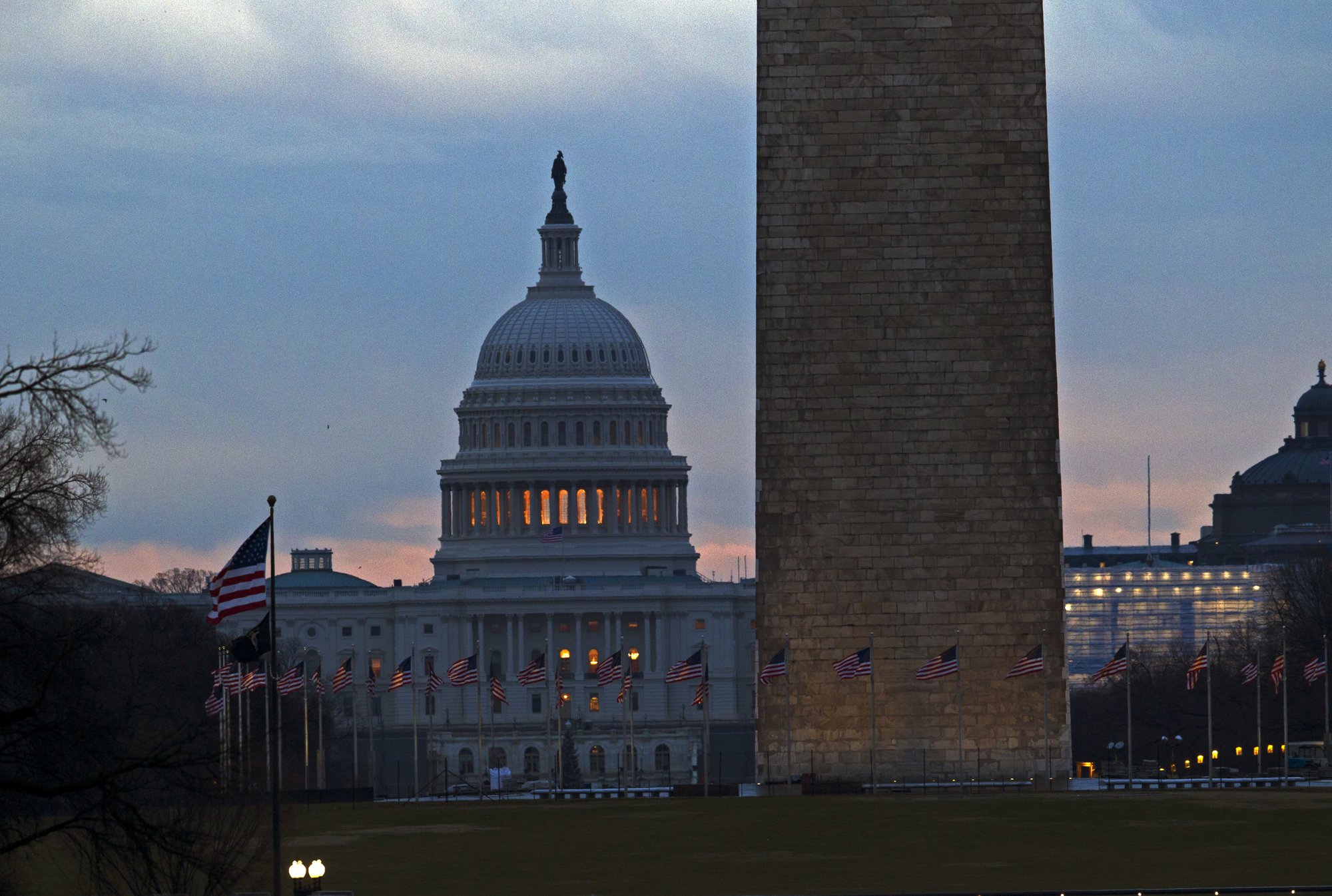
Hard-Won Budget, Debt Deal Clears Senate, Advances to TrumpA hard-won budget and debt deal easily cleared the Senate on Thursday, powered by President Donald Trump’s endorsement and a bipartisan drive to cement recent spending increases for the Pentagon and domestic agencies. The legislation passed by a 67-28 vote as Trump and his GOP allies relied on lots of Democratic votes to propel it […]
![]()
State Unemployment Rate Continues ClimbNorth Carolina’s unemployment rate increased for the second consecutive month and the third time in the last four months.
![]()
OC Jobless Claims Down In JuneOrange County remained in the top five for best unemployment rates in the state.
![]()
NC In June: Fewer Employed, Jobless Rate FlatMore than 8,500 fewer people in North Carolina were employed in June compared to May, although the state’s jobless rate remained flat.
![]()
State Unemployment Rate Hits Five-Year Low In JanuaryIn the first month of the new year, the jobless rate fell 0.2 percent compared to the month prior and 2.1 percent from the year before.
![]()
Orange County's Unemployment Rate Still NC's Best Despite IncreaseRALEIGH – County unemployment rates across the state rose in the first month of the new year, but Orange County remains the state leader. The North Carolina Department of Commerce Division of Employment Security announced Friday that Orange County’s seasonally unadjusted rate of 6.6 percent is still the best in the state, almost a full point ahead of […]
![]()
North Carolina Unemployment Rate Sees First Increase Since JuneRALEIGH – For the first time in seven months, the state unemployment rate saw a slight increase, according to a report from the NC Department of Commerce released Monday morning. Compared to the final month of 2012, North Carolina’s January jobless rate rose from 9.4 to 9.5 percent, which is 0.1 better than a year […]

Federal, AI Tech Leaders to Visit Chapel Hill for G20 Event; Town Warns of Increased SecurityThe G20 Innovation Ministerial is set to be held at the Carolina Inn in Chapel Hill on September 1-2, welcoming prominent tech figures.

Local Government Meetings: June 8-12, 2026This week in local government: final budget votes in Hillsborough, Pittsboro, Chapel Hill, and Durham County.
Local Government Meetings: June 1-5, 2026This week in local government: budget decisions for Orange County, Carrboro, and Durham, and the final vote on a CHCCS school closure.
›