Memorial Day marks the beginning of the ‘100 Deadliest Days’ – a period of time when teens experience the most fatal car wrecks.
Over the past five years, more than 5,000 people have been killed during this period.
Tiffany Wright works with AAA Carolinas. This year, the company conducted a survey that found 60% of teen crashes involve distracted driving.
“The 100 Deadliest Days, it’s an important time to remind everybody to have those conversations with their teens, obey traffic safety laws and eliminate as many distractions as you can behind the wheel,” Wright said.
Wright says crashes involving teen drivers increase during the summer months for several reasons. A combination of more drivers on the road, a lack of experience behind the wheel and increased distractions all contribute to the uptick in fatal wrecks.
“When you talk about cell phone use, you’re increasing your chances anywhere from 25-30% higher of being in a wreck.”
But even though teens know they aren’t supposed to text and drive, Wright says nothing’s changed. 50% of teens admitted to reading or sending text messages while driving in the past 30 days.
“I think it’s pretty scary that teen drivers, now a days, they all admit that they know that texting and driving is wrong but they still admit to doing that.”
AAA’s report analyzed 2,200 videos of crashes and concluded the top reasons for distracted driving include talking to other passengers, cell phone use and looking at something in the vehicle.
Since 2010, 16,662 people in North Carolina have been injured in teen distracted driving related crashes. Wright’s advice to stay safe during the summer months is simple.
“It’s very easy. Pull off to the side of the road, get to a safe spot, then do what you need to do.”
She also urges parents to set a good example for their teens and refrain from distracted driving.
They see mom and dad doing it and they say they can do it. ‘I’m young, I’ve got fast reflexes, I can multi task.’”
And for everyone else, she asks for patience.
“You know during this time there’s going to be more teens on the road, so be a little bit more patient. Teens aren’t as experienced behind the wheel.”
Wright warns that the 100 Deadliest Days aren’t only for teens, and that everyone in the community should be on their guard.
“It’s dangerous for everyone. It’s not just the teens behind the wheel, but it’s also the lives they’re endangering on the road.”
With texting increasing the risk of a crash by 23 times, Wright says it’s worth it to ‘disconnect and drive.’
Related Stories
‹
![]()
AAA: Holiday Travel Could Hit Record in North CarolinaNearly 3 million North Carolinians are expected to hit the road for the holidays, which AAA Carolinas said would be a record-breaking number. In addition to the roadways, nearly 300,000 North Carolinians will be traveling via airplane, train or bus. The organization said those overall figures would represent an increase of more than four percent […]
![]()
Memorial Day Expected to Reach Record High Travel NumbersAccording to AAA Carolinas, an estimated 1,260,000 North Carolinians will be traveling this Memorial Day, the highest volume of Memorial Day travelers in the state since 2005. These numbers come despite there being higher than average gas prices, which AAA Carolinas spokesperson Tiffany Wright said won’t be slowing down travelers in the state this year. […]
![]()
AAA Carolinas Projects Record Number of Traveling Tar Heels for ThanksgivingPack your patience if you are heading out for holiday travel on Wednesday. AAA Carolinas estimates more than 1.4 million North Carolinians will be traveling more than 50 miles from home over the Thanksgiving holiday period and nearly 90 percent of them will travel by vehicle. “That’s the largest number that we’ve seen since we’ve […]
![]()
NC Rural Roads Among Deadliest in NationNorth Carolina’s rural roads are some of the most unsafe in the nation, according to a recent study. TRIP, a national transportation research group, revealed in its rural road study earlier this week that North Carolina ranks eighth in the nation in rural road fatalities. AAA spokesperson Tiffany Wright spoke on the matter. “North Carolinians […]
![]()
2 Years After Hurricane Helene, Where Does Relief Fall Short in North Carolina? – On Air Today (September 29, 2026)Public Policy Analyst Alex Campbell joins 97.9 The Hill's Brighton McConnell on Tuesday, September 29 shortly after the two-year mark of Hurricane Helene.

Trump Refers to Black Man From Racially Offensive 1988 Campaign Ad While Stumping in North CarolinaDuring a stop in North Carolina, Trump referenced one of the most controversial campaign advertisements that relied on racist tropes.

Postal Service Work To Comply With Trump’s Executive Order Is Rushed and Sloppy, a Whistleblower ContendsThe U.S. Postal Service is poised to launch a hastily built, error-riddled computer system that could jeopardize the process of mail voting.

Longtime Chatham County Educator Wins $10 Million Lottery PrizeThe North Carolina Education Lottery office revealed that Jean Johnson, who teaches in Chatham County, is the winner of a $10 million prize.
![]()
Theodore Nollert on North Carolina's Budget Corrections Bill and Its Process – On Air Today (August 26, 2026)Theodore Nollert — the directory of policy for Carolina Forward and a Chapel Hill Town Council member — joins 97.9 The Hill's Brighton McConnell on Wednesday, August 26.
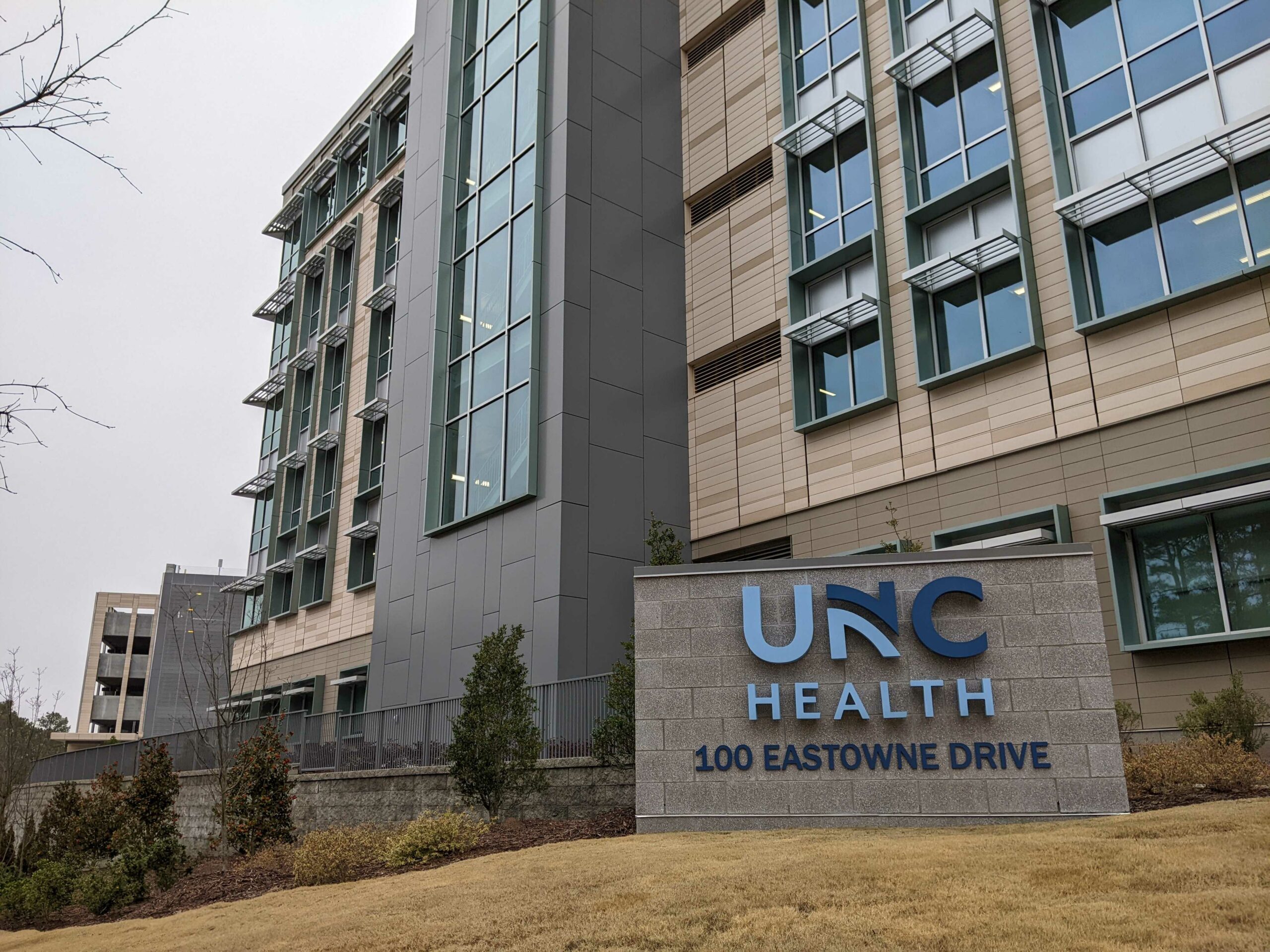
UNC Health Expands, Rebrands Venture Capital Efforts of Emerging TechThe statewide healthcare system announced Rex Health Ventures platform is now UNC Health Ventures and will use $125 million to invest in emerging health tech companies.
›