
The Town of Chapel Hill recently signed on as a partner for the CoGen Transformation Project, which seeks to transform UNC’s CoGen rail line into a multi-modal greenway. The town now joins the Town of Carrboro and Orange County on the agreement.
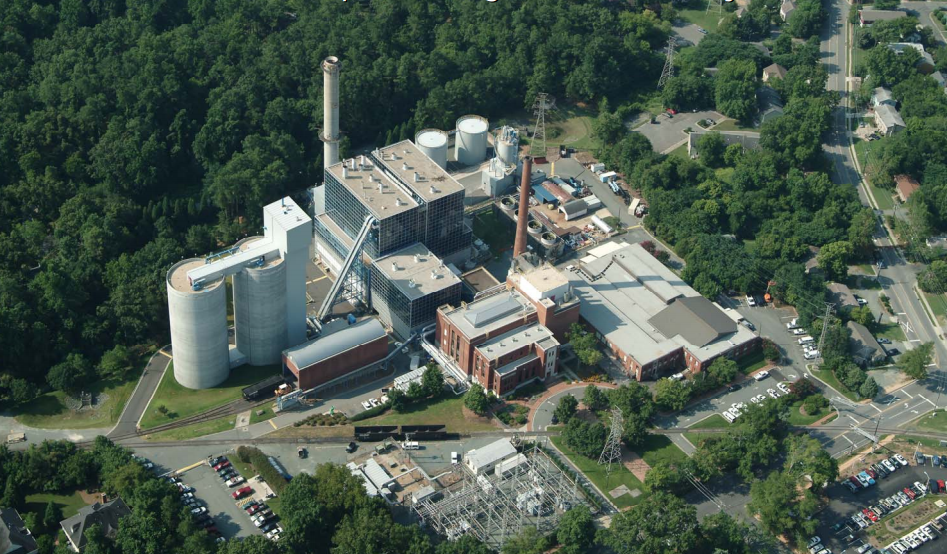
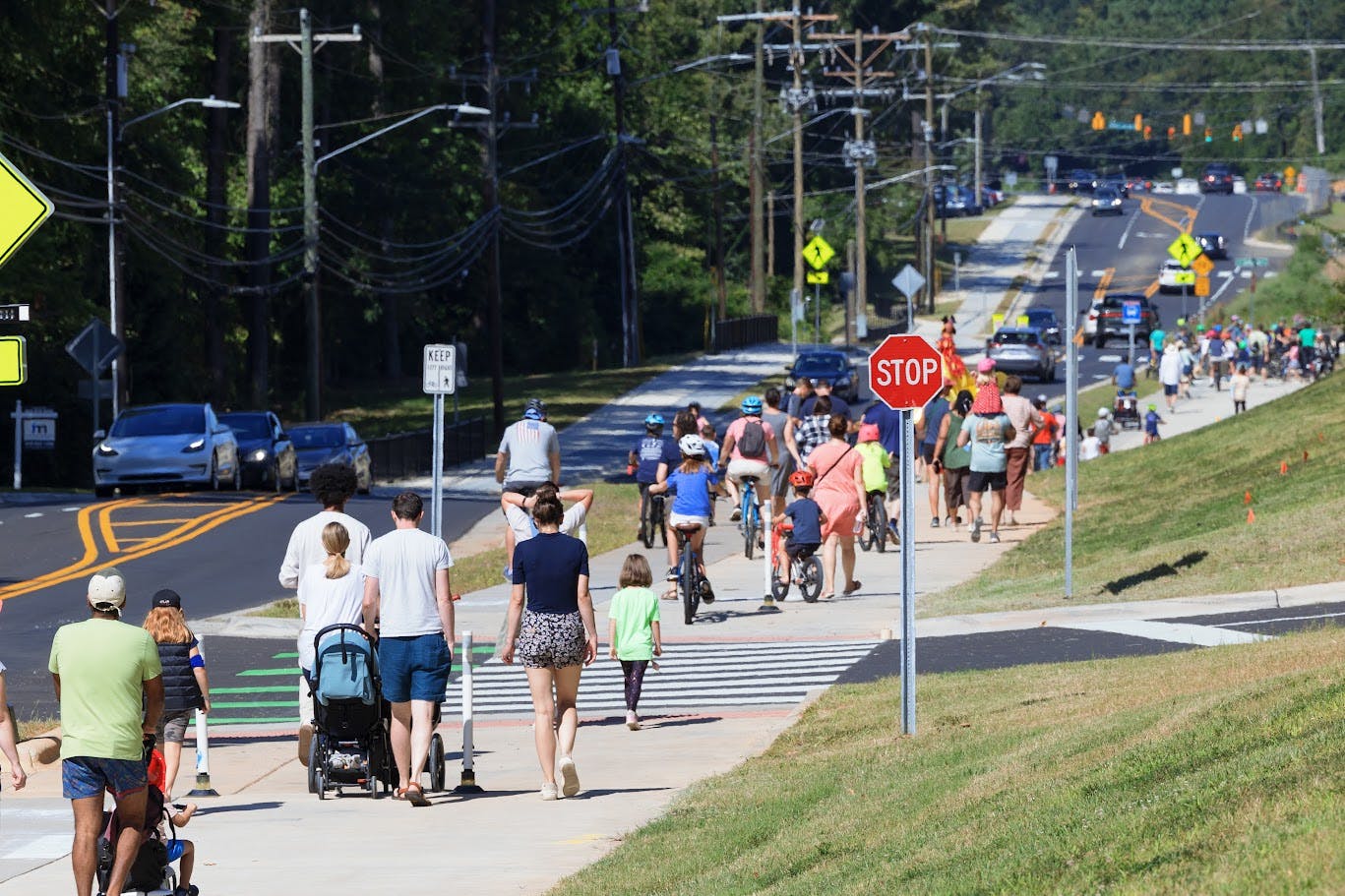
The current 10-mile rail spur transports coal to UNC’s cogeneration plant on Cameron Avenue in Chapel Hill. The project aims to eventually transform the existing rails into a multi-modal trail, as well as explore developments in housing and economic growth for Carrboro, Chapel Hill, and the university.
The project is a combined effort between the towns, UNC and the Southern Environmental Law Center. In 2023, the university and SELC jointly commissioned Central Pines Regional Council to facilitate grant applications for planning along the rail line. The project partners seek to collaboratively envision, plan, and seek grant funding opportunities for the transformation project.
In an interview with 97.9 The Hill, Chapel Hill Mayor Jess Anderson said the agreement helps start a conversation between the partners about what can happen when the university moves away from burning coal at its CoGen plant.
“So [by] being proactive now, having a plan in place, then hopefully sooner rather than later when the university transitions away from coal, that entire railroad line can be transitioned into something much better and more exciting,” the mayor said.
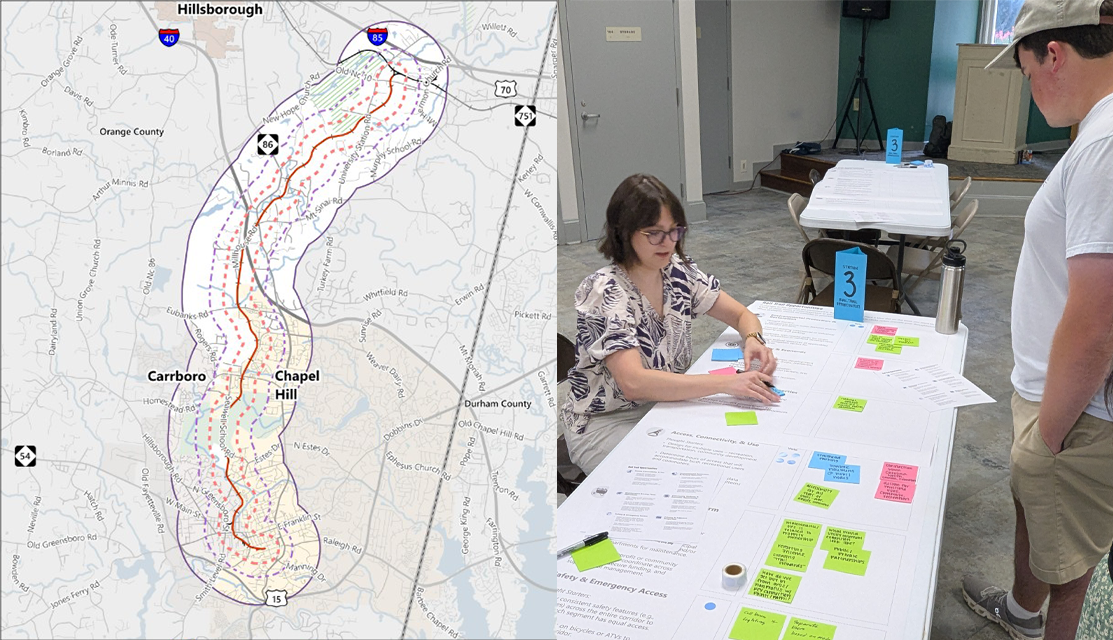
North Carolina State Senator Graig Meyer, who presented the CoGen Transformation Project to the council at its Sept. 25 meeting, said the rail line transformation consists of three pieces: a downtown section through the central core of Chapel Hill and Carrboro, a suburban piece through neighborhoods and areas of future development, and a rural, recreational section through more Orange County neighborhoods and woodland.
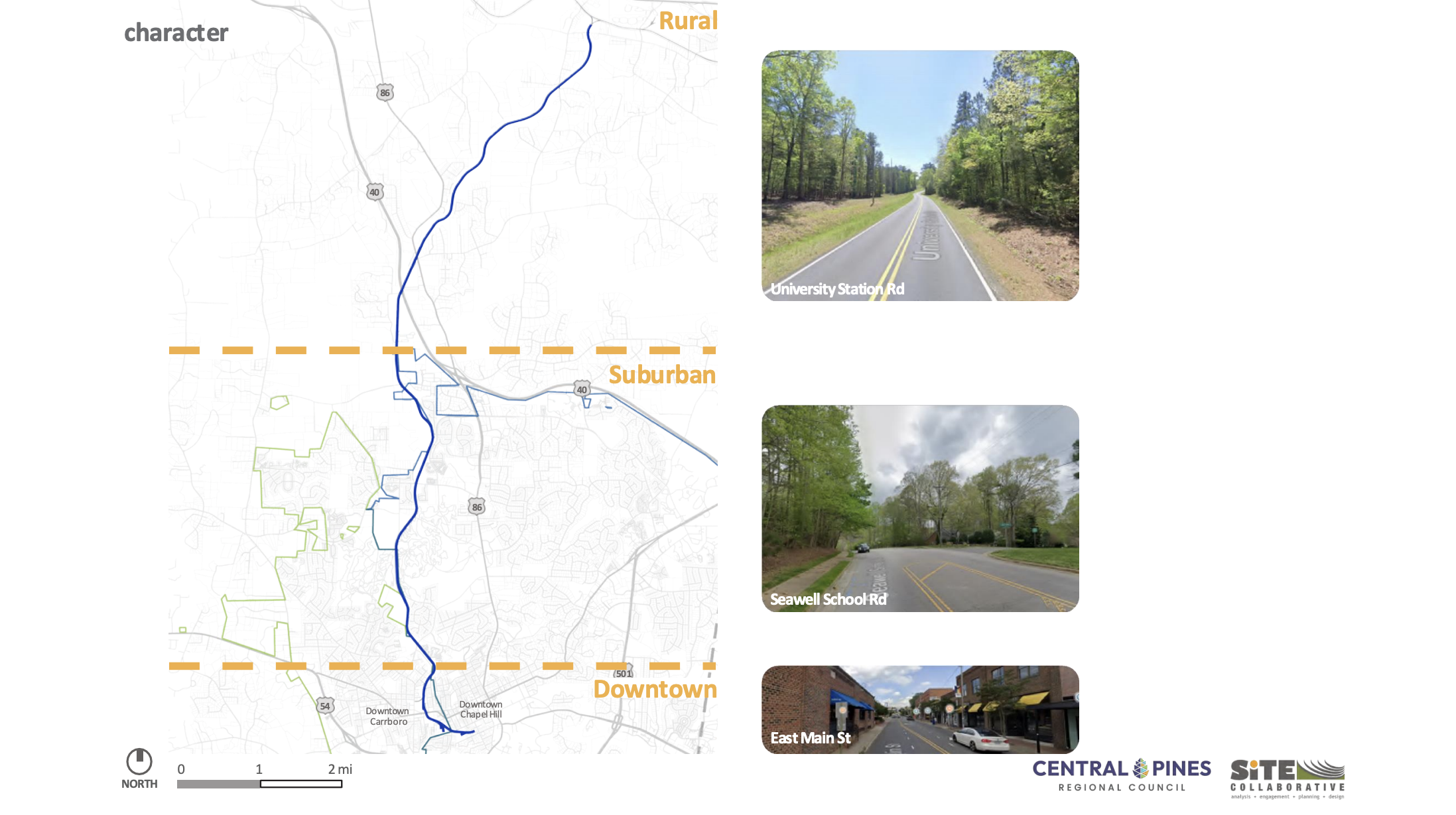
The three pieces of the rail line transformation. (Photo via Central Pines Regional Council.)
Meyer added the formal commitment helps align the project’s goals with various town and county interests. For example, he cited the Greene Tract, a property jointly-owned by Orange County and the towns of Carrboro and Chapel Hill. As a site where there is active planning for development, he said it is an important piece of land to be strategically thinking ahead for.
“I think the way you develop the Greene Tract might look different if you think about having a greenway attached to it than having a rail line,” he explained.
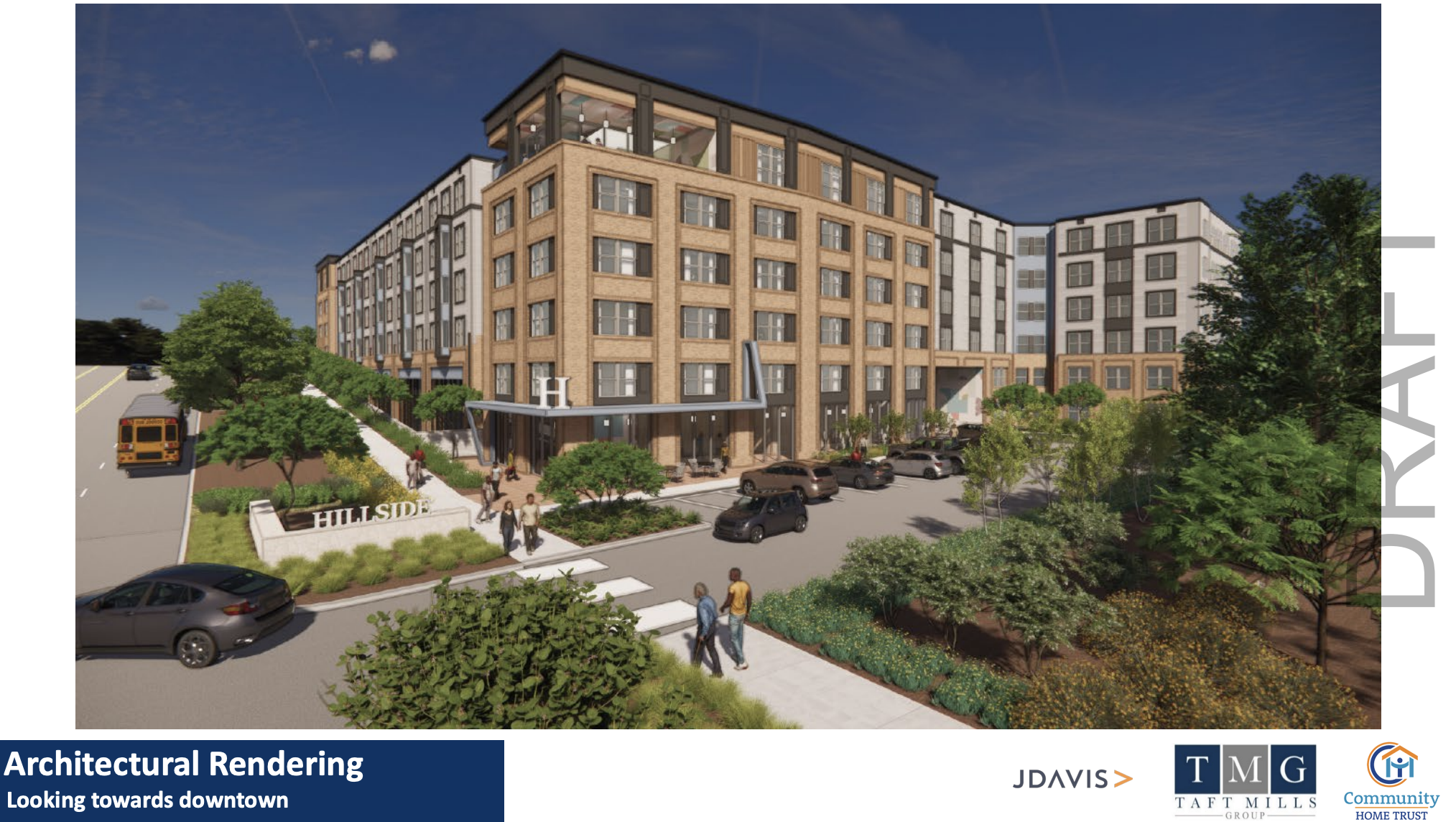
For Chapel Hill, Anderson said converting the existing tracks to trails would be a “fantastic addition” to the town’s Complete Community Strategy. She added the project also presents an opportunity to build housing and commercial spaces along the greenway.
Before any actual transformation can occur, though, UNC has to first move away from burning coal and eliminate the need for the rail line, Meyer explained. But he said preliminary conversations between the partners means there would be a plan ready to go for when UNC successfully makes that transition.
Anderson said there is plenty of interest from the university to do so, but it is a complex issue.
“There are definitely folks on campus who are working hard to try and figure that out, it’s just there is not an alternative right now, particularly one that would be better for the environment,” she explained.
The mayor also cited financial constraints that accompany transitioning away from burnable fuels. But she said the project’s potential for economic development could help the university speed up the process. For example, it unlocks university-owned land adjacent to the tracks. According to Meyer, they are likely the largest pieces of property contiguous to the main campus UNC will have access to.
“For a university that is actively trying to figure out how [to] transport thousands of workers and students on a campus every day, having something that might turn into a multi-modal corridor would be a significant transportation advantage for their long term strategic needs as well,” Meyer said.
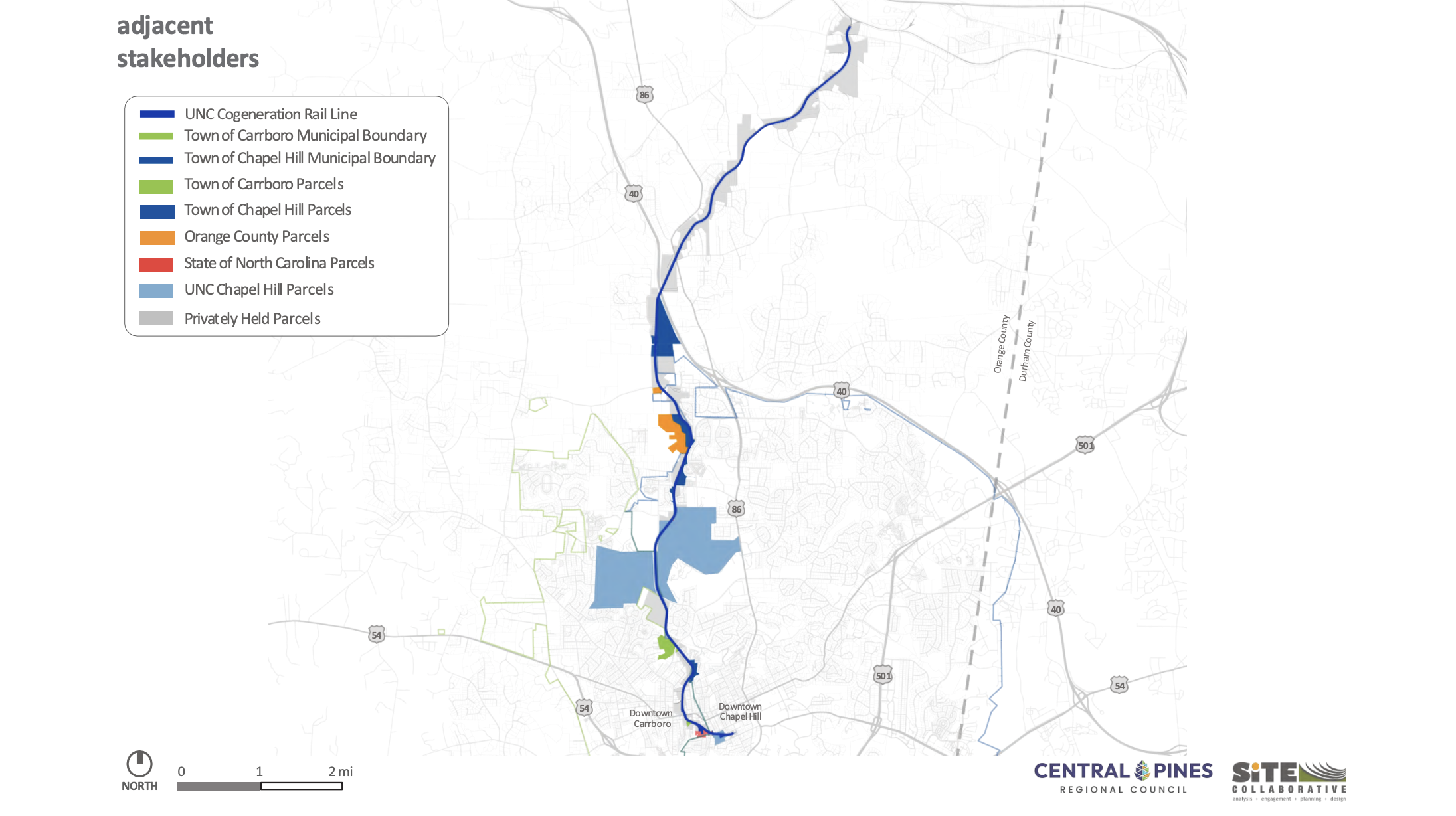
Adjacent stakeholders to UNC’s CoGen rail line. (Photo via Central Pines Regional Council.)
The state senator said there is especially potential for economic growth in downtown Carrboro, as the rail line currently prevents unused commercial property from having specific uses. And he said the suburban piece has the largest plots for development in terms of economic, housing, and university-community partnership.
“And so even though we don’t know when this transformation will happen, the scope and scale of the changes that will happen means that we should start planning for it now,” he said.
Now that Chapel Hill has joined the memorandum of agreement, Meyer said the parties can start applying for planning grants, as well as assess what development is possible along the trail and the growth that follows as a result.
“How much of the transportation needs from that growth can be handled by the transition to a different type of land use for transportation,” he explained. “There’s a lot of questions that have to be answered. That’s part of why we need to start planning for it even before the university has a timeline.”
Anderson said doing so is “nothing but smart,” as multi-jurisdictional planning especially takes time.
Also during the meeting, Council Member Theodore Nollert, who has participated in early planning meetings for the project, was appointed Chapel Hill’s representative for the project’s Policy Steering Committee. The current railway runs through Carrboro, Chapel Hill, and parts of Orange County, and he said he is confident the parties will put together a project that benefits and respects the jurisdiction of each.
To view the full Sept. 25 meeting, click here.
Featured image via the Town of Chapel Hill.
Chapelboro.com does not charge subscription fees, and you can directly support our efforts in local journalism here. Want more of what you see on Chapelboro? Let us bring free local news and community information to you by signing up for our newsletter.