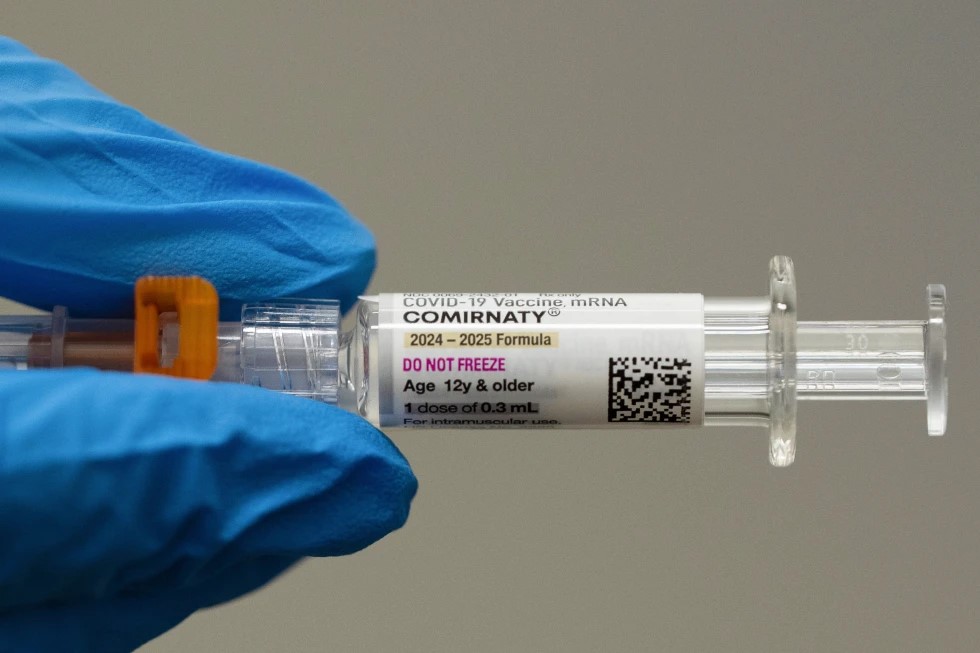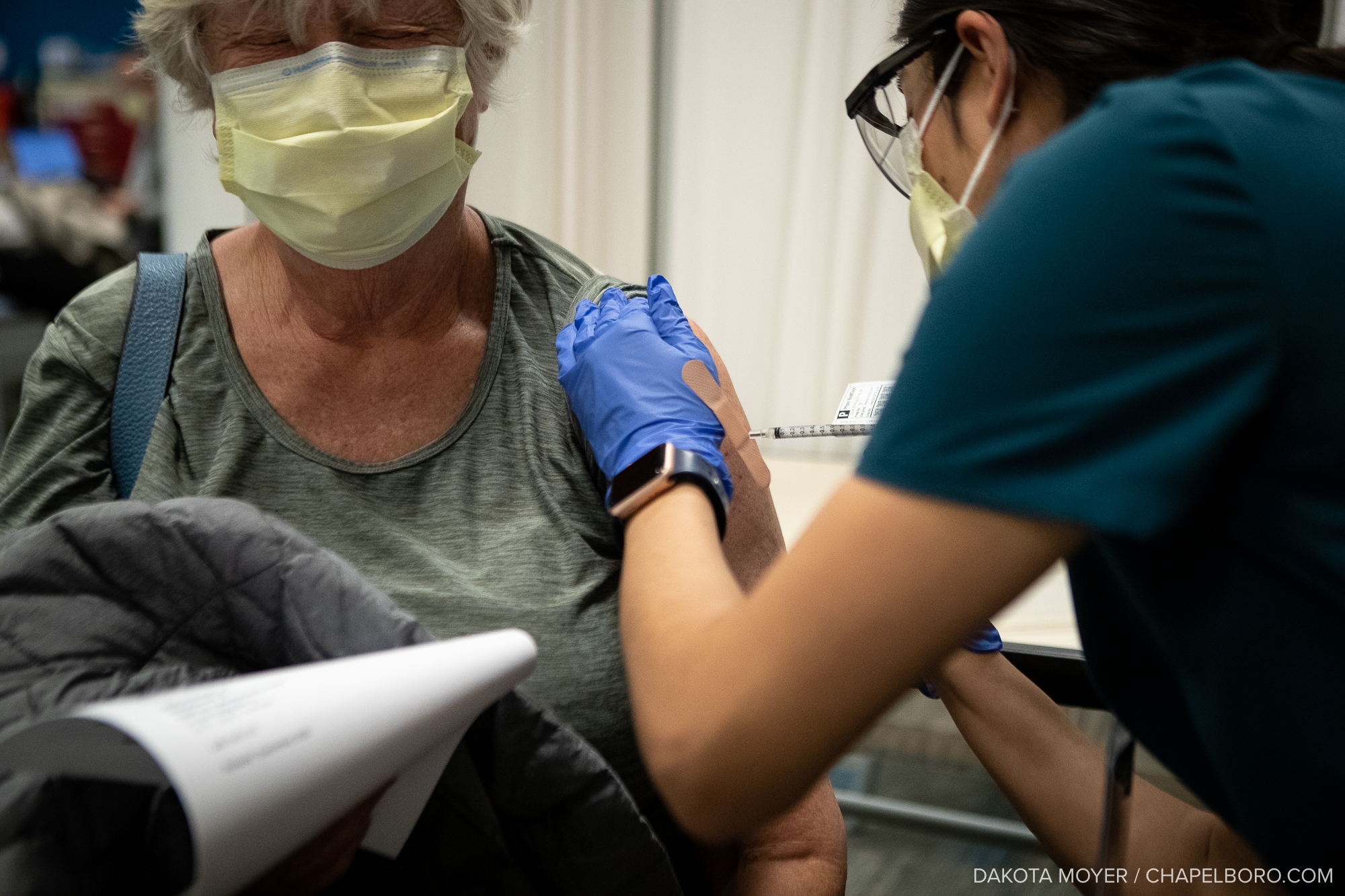
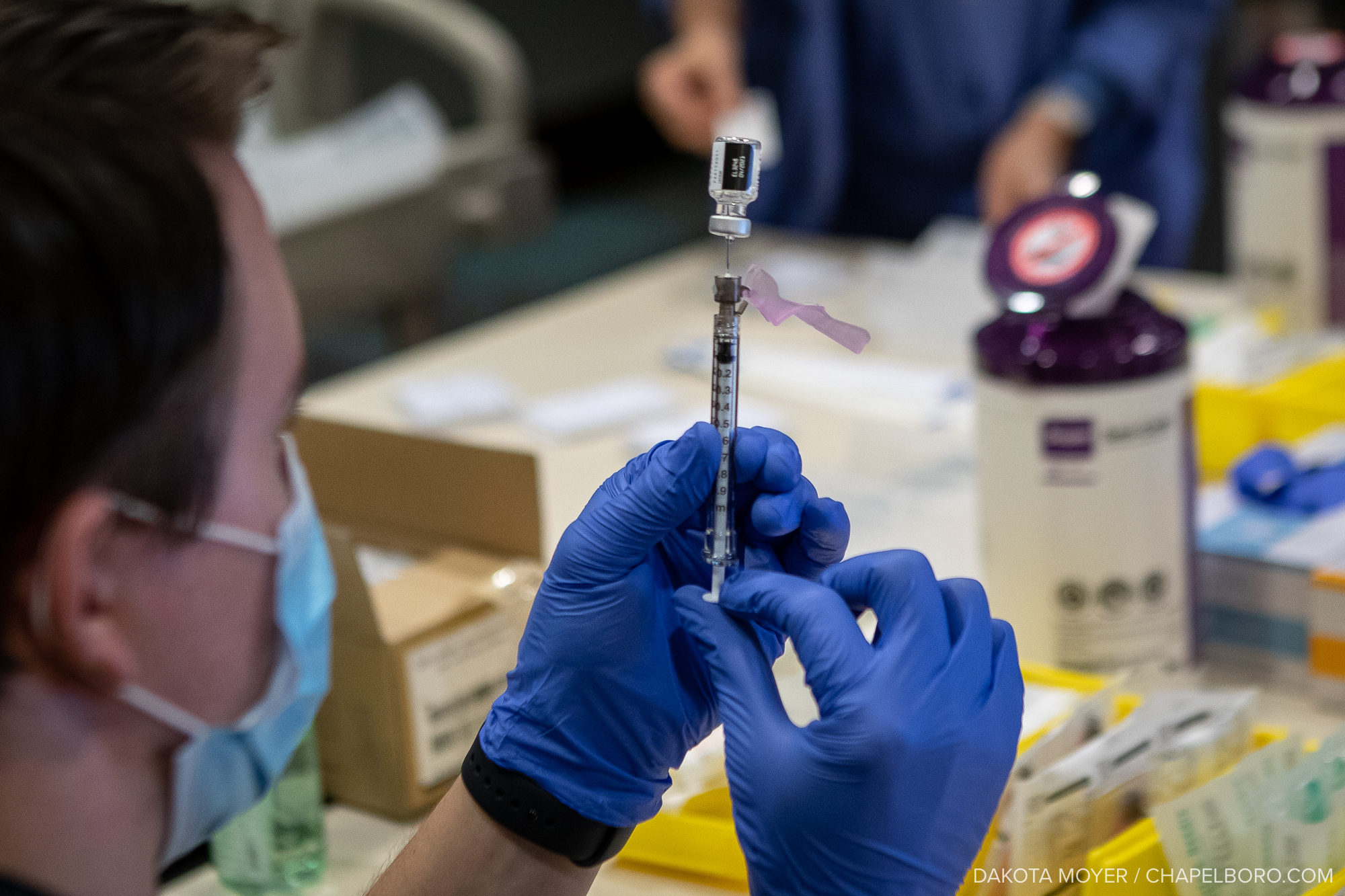
As 4.1 million doses of the COVID-19 vaccine have been administered across the state, some North Carolinians are still hesitant to get their shot. A majority of those experiencing vaccine hesitancy include people of color and those living in rural communities – some of the most at-risk populations.
Earlier this month, the Biden Administration encouraged state officials to open vaccine eligibility to everyone no later than May 1. Currently, North Carolina is in Group 4 of its five-group distribution plan.
Just because more people are becoming eligible to receive a vaccine, however, does not mean everyone wants one.
As North Carolina continues to ramp up vaccination efforts, Secretary of the North Carolina Department of Health and Human Services Dr. Mandy Cohen said the state continues to focus on vaccine equity, with 18 percent of first doses administered to Black North Carolinians and 8 percent to members of the LatinX community last week.
“We are committed to using every lever we have to ensure that historically marginalized populations can easily access a COVID-19 vaccine,” Cohen said. “That includes how we allocate vaccines, who we allocate vaccines to, which events we can support, where we deploy state resources, and who we engage on the ground to help address barriers like transportation and internet access.”
Despite vaccine being set aside for people of color, there remains a sizable number of Black and Hispanic people who are wary of vaccine safety.
According to findings from the Kaiser Family Foundation, one in three Black adults want to “wait and see” how the vaccines work in others. Of the 2.2 million North Carolinians who have been at least partially vaccinated thus far, nearly 74 percent self-identify as white.
This is concerning for health officials as, according to the CDC, Black or African American people are 1.9x more likely to die from COVID as opposed their white peers. Hispanic or Latino people are 2.3x more likely.
Dr. Alexa Mieses Malchuk is a family medicine physician and an assistant professor at UNC’s school of medicine. She said it’s not surprising that people of color are more hesitant to get the vaccine as a history of racism and exploitation “embedded into our healthcare system” has resulted in a higher distrust of the medical community.
Mieses Malchuk said, however, that a wide variety of peoples are hesitant following the expedited vaccine process, not just people of color.
“I have a lot of folks both Black and white and Latino alike who have some questions or hesitancy about vaccines,” Mieses Malchuk said.
According to the Kaiser Family Foundation, 15 percent of Americans say they will not get vaccinated. This group is disproportionately rural and Republican. Mieses Malchuk said a lot of hesitation surrounding vaccines has stemmed from the political polarization of the pandemic.
“Unfortunately, with the way that politics have been going in our country, there is just a lot of mistrust in the medical and scientific community period – regardless of your racial or ethic background or even your own political leanings,” Mieses Malchuk said. “There’s been such misinformation that’s perpetuated by some of our political leaders in this country.”
She said some vaccine hesitancy is a direct byproduct of misinformation in the age of social media. To combat this, Mieses Malchuk said it is critical for everyone to build a relationship with a primary care doctor they can trust.
“As medical experts we can be a source of reliable information for our patients and really give them advice based on their own personal situation and their own personal story,” said Mieses Malchuk.
Mieses Malchuk said it’s more important than ever to diversify the medical field, because when patients can see similarities between themselves and their physician—in terms of race, language, or cultural background—there’s an extra level of trust, and that leads to better health outcomes.
For Mieses Malchuk, part of this trust building means sharing her own story. She was one of the first to receive her COVID-19 vaccine back in December and has since been speaking out to her patients about how the vaccine is safe, effective, and non-negotiable.
“As a woman, as a person of color, as someone who grew up in a lower socioeconomic background, I really do feel like a wider range of patients can relate to me,” Mieses Malchuk said. “To hear someone similar to themselves share their experience – for example with the COVID-19 vaccine – is a powerful tool because people trust me. So, when I tell them something is safe or good for their health, I think that they take it seriously.”
As of Tuesday, nearly 32 percent of people ages 18 and up in North Carolina have received at least one dose of the vaccine while 18.8 percent are fully vaccinated.
Chapelboro.com does not charge subscription fees. You can support local journalism and our mission to serve the community. Contribute today – every single dollar matters.