North Carolina’s COVID-related state of emergency finally came to an end on Monday, more than two years after it was initially declared.
Gov. Roy Cooper allowed the state of emergency to expire on August 15 — two years, five months, and five days after his initial emergency declaration on March 10, 2020. That was one week after North Carolina reported its first COVID-19 case, two days before the ACC called off the men’s basketball tournament, and two weeks before the state reported its first COVID-related death.
Over the objections of Republicans, Gov. Cooper had continued North Carolina’s state of emergency long after other states had allowed theirs to expire. But earlier this year, state health secretary Kody Kinsley told lawmakers that the state of emergency could end if they amended state law to give health officials additional flexibility to respond to the pandemic. The General Assembly made those changes in a budget bill that passed last month, and Gov. Cooper announced shortly thereafter that the state of emergency would not be extended.
According to the state Department of Health and Human Services, North Carolina has confirmed more than 3 million COVID cases and 25,724 deaths since the pandemic began. Orange County alone has recorded 142 deaths from the virus.
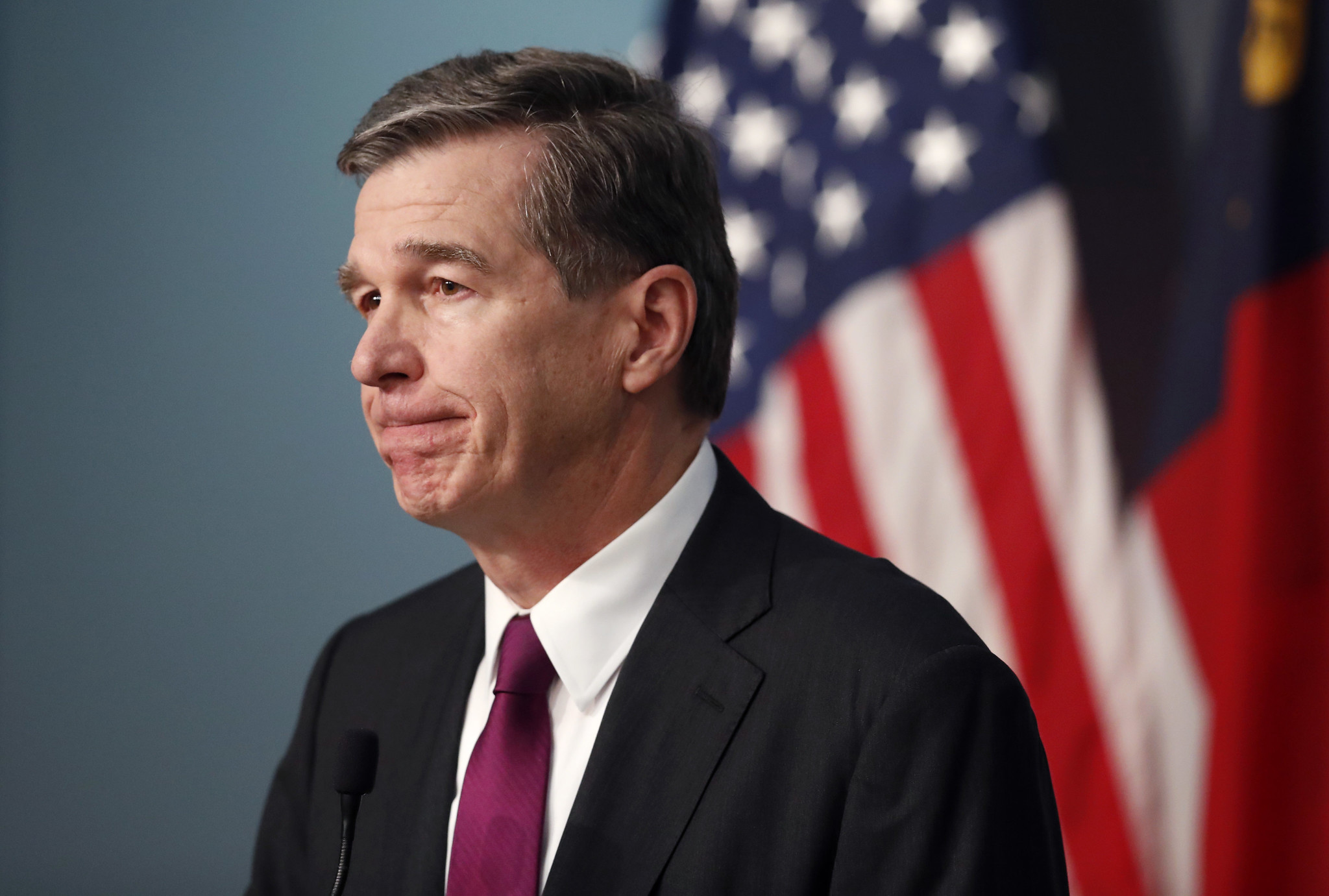
Photo of Gov. Roy Cooper via the NC Department of Public Safety.
Chapelboro.com does not charge subscription fees, and you can directly support our efforts in local journalism here. Want more of what you see on Chapelboro? Let us bring free local news and community information to you by signing up for our biweekly newsletter.
Related Stories
‹

Orange County Mandates Restaurants Close Dine-in Seating Past 10 P.M.The Orange County government announced a change to its state of emergency order that now mandates restaurants stop serving dine-in customers past 10 p.m. each night. Shared with the public on Thursday, the order cited several restaurants in the county remaining open to early morning hours and serving primarily alcohol instead of food as impetus […]
Japan Declares State of Emergency, Ramping up Virus BattleJapanese Prime Minister Shinzo Abe declared a monthlong state of emergency for Tokyo and six other prefectures on Tuesday to ramp up defenses against the spread of the coronavirus as the number of infections surges. But the move came in the form of a stay-at-home request — not an order — and violators will not […]
Chatham County Declares State of Emergency Following 2 New COVID-19 CasesChatham County health officials received two new positive tests for the novel coronavirus called COVID-19 on Tuesday, bringing the county’s total to three cases. Shortly after, the county declared a state of emergency. A release from the county said the Chatham County Public Health Department was notified of the positive tests by the North Carolina […]
![]()
Trump Declares Virus Pandemic a National EmergencyPresident Donald Trump announced Friday that he is declaring the coronavirus pandemic a national emergency, as Washington struggles with providing Americans with relief and officials race to slow the spread of the outbreak. Speaking from the Rose Garden, Trump said, “I am officially declaring a national emergency.” He said it would free up as much […]
Orange County Governments Declare State of Emergency to Prepare for COVID-19Orange County Government and The Town of Carrboro and Chapel Hill declared a state of emergency on Friday in response to the ongoing novel coronavirus pandemic. Chair of the Board of the County Commissioners Penny Rich initially made the declaration, which will allow public safety personnel to better respond to any identified cases that may […]

How Russia and the World Are Responding to a Possible Case of Pneumonic Plague After Lab Worker DiesThe World Health Organization says a possible case of pneumonic plague in Russia presents a “very low” risk outside the country.
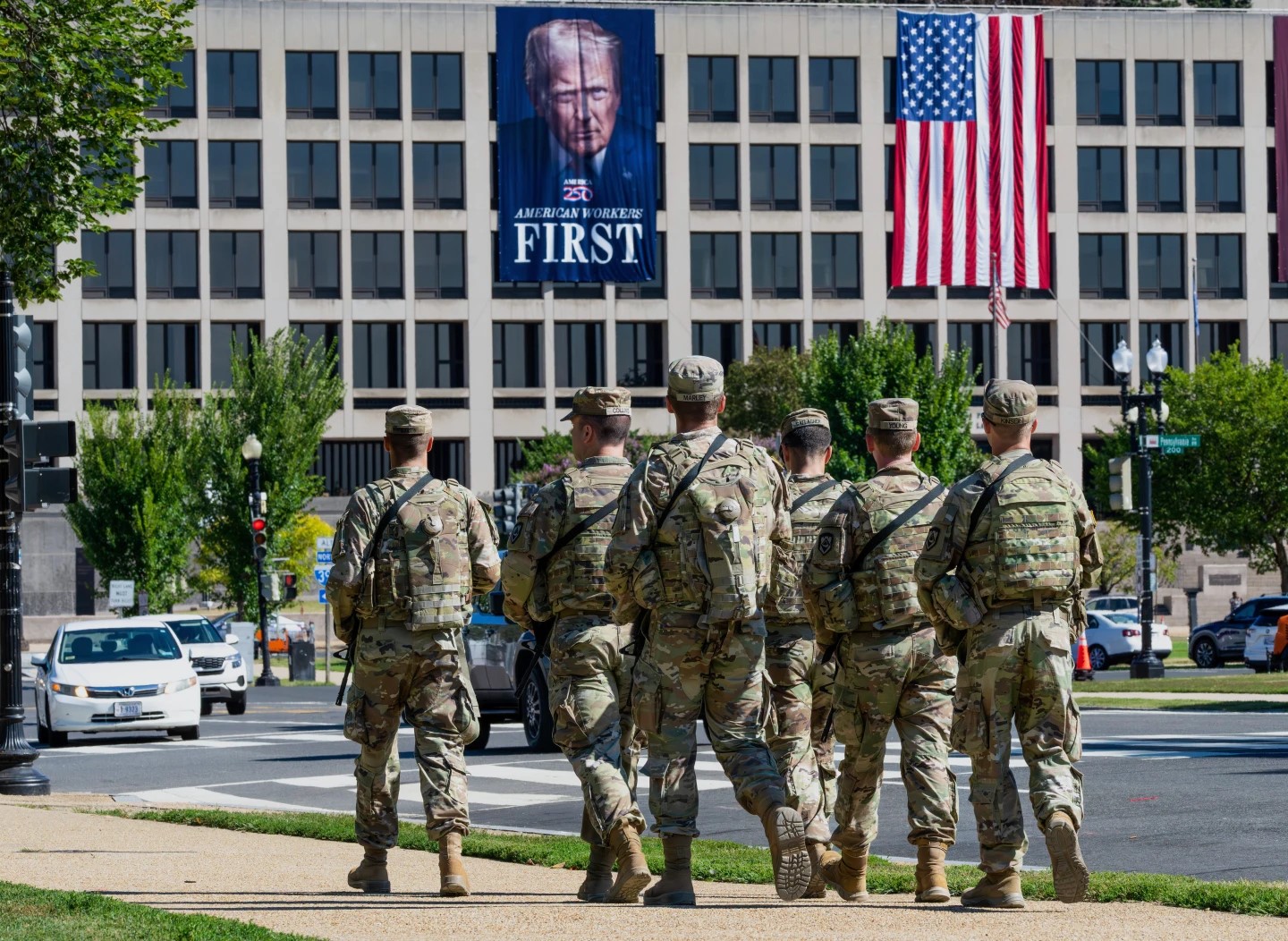
With No End in Sight to Their Deployment, National Guard Troops Roam WashingtonWritten by GARY FIELDS WASHINGTON (AP) — The cherry blossoms draw more than a million visitors to Washington’s Tidal Basin annually. This year was no different, except some strolling the area between the Lincoln Memorial and the Thomas Jefferson Memorial were dressed in camouflage — and armed. Eight months after President Donald Trump declared a crime emergency in […]

UNC Health Infectious Disease Researcher Defends mRNA Vaccine Methods After Federal Funding CutsFollowing the criticism of mRNA vaccine strategies by federal leaders, UNC Health's Dr. David Wohl shared why he supports the research.

The Nation’s Capital Finds Itself at the Center of a Trump Maelstrom as National Guard Troops ArriveSome of the 800 National Guard members deployed by President Donald Trump began arriving in the nation’s capital on Tuesday, ramping up after the White House ordered federal forces to take over the city’s police department.
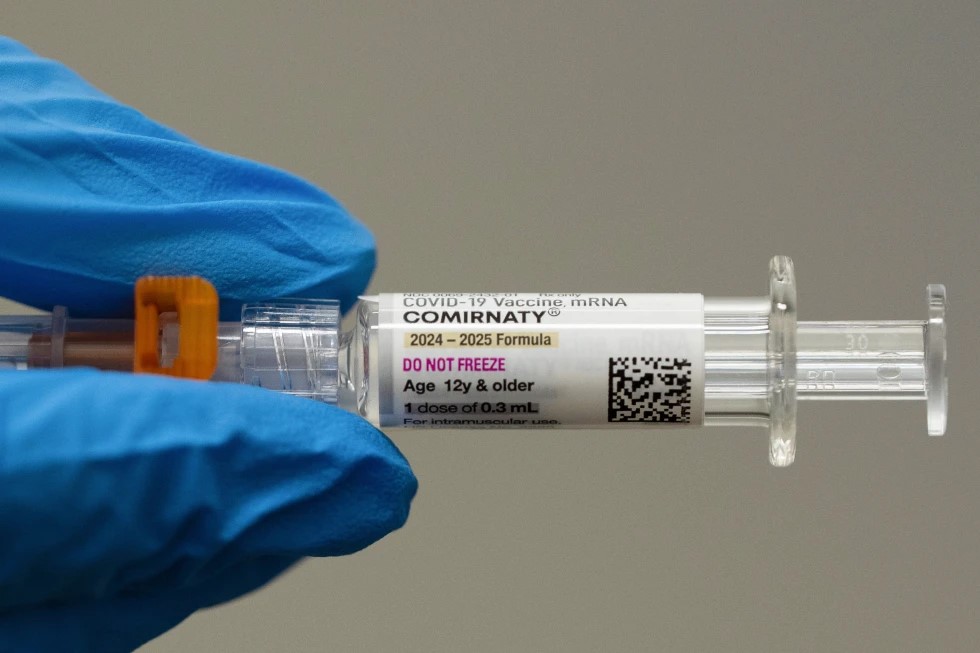
Got the Sniffles? Here’s What To Know About Summer Colds, COVID-19 and MoreFederal data released Friday shows COVID-19 is trending up in many parts of the country, with emergency department visits up among people of all ages.
›