UNC and the Town of Chapel Hill are creating dialogue surrounding President Donald Trump’s executive order: prohibiting residents from Syria, Iraq, Iran, Yemen, Sudan, Somalia and Libya from traveling to the US. University and community leaders gathered at the Student Union Wednesday evening to discuss this executive order and two others he signed at the end of January.
“I think most immigration lawyers are telling clients, ‘Do not travel,'” said Lynn Calder, UNC professor and immigration attorney. “Just don’t travel outside the country for awhile. No matter who you are. If you’re not a citizen, look at your specific circumstances but you may just not want to travel until all of this is fleshed out, and see where this all goes.”
Calder broke down the immigration changes so far under the new administration, but also discussed the two other executive orders Trump signed.
One of the executive orders would boost patrol forces and increase the number of immigration officers who enforce deportations. The other directed construction of a wall on the US/Mexico border. Calder said the real question about the wall is whether there is money to fund it.
“No matter how you feel about a wall, there has to be money to build it, right?” she said. “How quickly that can be done depends on if there’s funds there to do it. So even though the administration may be able to say, ‘We don’t have to get a law passed to build a wall,’ the administration does have to have the money to build a wall.”
Another question was how the travel ban would affect international students. Dean of Students Jonathan Sauls said he and the rest of the university will do everything they can to support all students, and that any are welcome to ask him questions about student status or to ask him for help. He said even though he may not have all the answers, he could help them find someone who does.
“The reality is that we have students who are directly affected by this series of orders,” he said. “We have individuals who have family and friends who are affected by this order. We have tremendous anxiety within our community, as folks anticipate what might be around the corner.”
Orange County Sheriff Charles Blackwood said law enforcement also hopes to support the community as much as possible, and that immigration status is not a priority.
“We don’t ask for your immigration status,” he said. “We don’t keep record of your immigration status. Our mission is to serve our community. Whatever that community looks like, wherever that community is.”
Calder said it’s important for law enforcement to support residents but it’s also important for both students and community members to know their rights.
“If an ICE officer comes to the door, the person behind the door has the right to remain silent, can refuse to speak to immigration officers,” she said. “You don’t have to answer any questions, you can ask to speak to an attorney first. You don’t have to sign anything, shouldn’t sign anything without speaking to an attorney first.”
Below is a list of some of the offered legal resources for immigrants in North Carolina.
Related Stories
‹
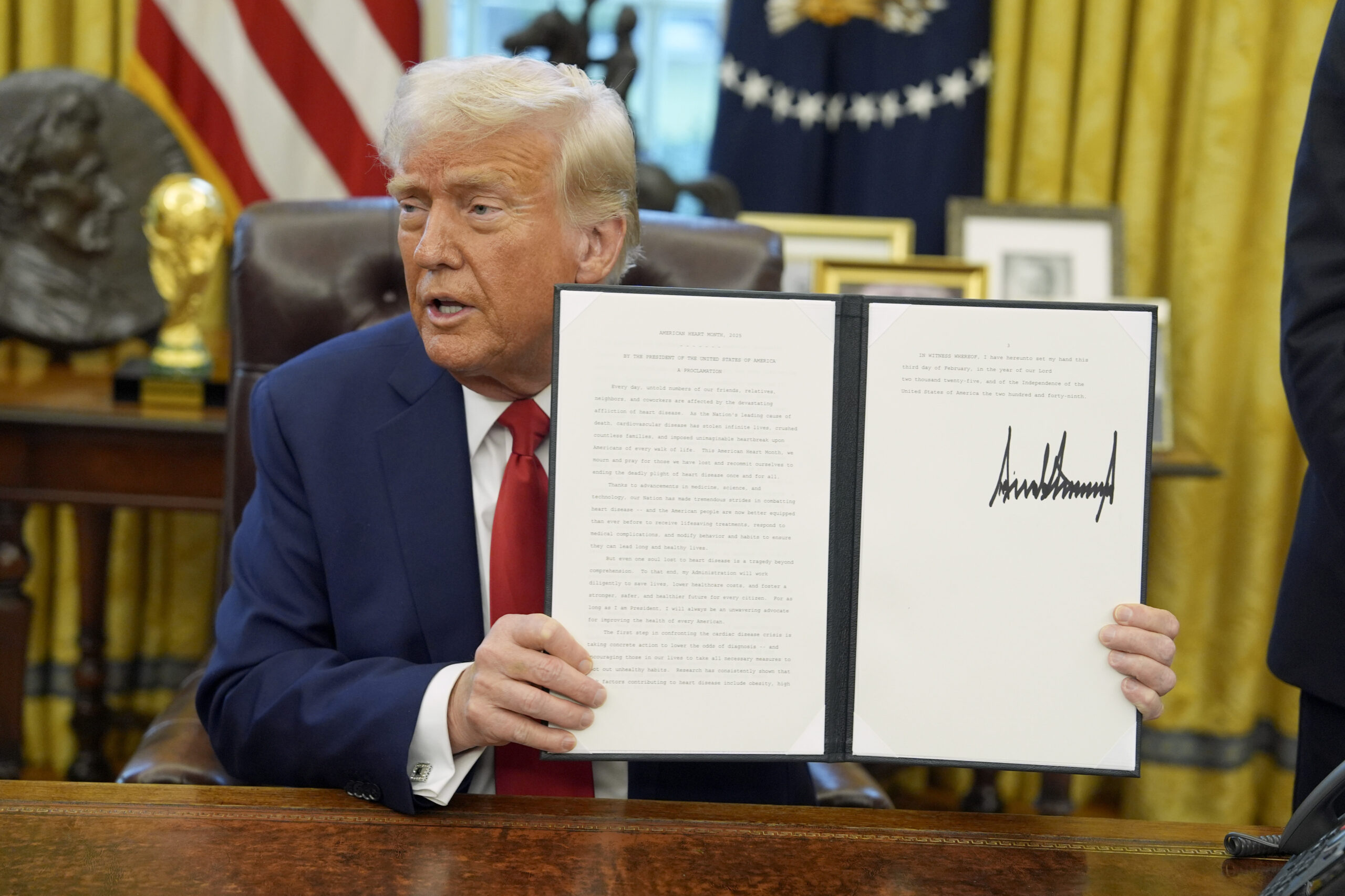
Orange, Durham And Chatham Counties Labeled 'Sanctuary Jurisdictions' By Homeland SecurityUPDATE: On Friday afternoon, Congresswoman Valerie Foushee (NC-04) responded to the Department of Homeland Security’s list of “sanctuary jurisdictions,” which includes Orange, Durham and Chatham Counties, each of which fall under her district. “This outrageous list is nothing more than a politically motivated stunt designed to intimidate and punish local governments that refuse to be […]
![]()
Chief: Immigration Status Not Important to Chapel Hill PoliceNorth Carolina operates under a law that prohibits any county or municipality from restricting local law enforcement’s ability to cooperate with federal immigration officials. And while that technically prohibits sanctuary cities in the state, most law enforcements choose what to prioritize in their respective towns. Chapel Hill Police Chief Chris Blue said immigration status hasn’t […]
![]()
Legally And Politically, Trump's Executive Orders Face TroubleExperts say Trump's executive order on bathrooms, for one, will be hard to defend in court (and not for the reason you think).
![]()
PPP: Americans Love, Hate Trump (Depends Which Ones You Ask)Trump wholeheartedly - and 40 percent say he ought to be impeached.
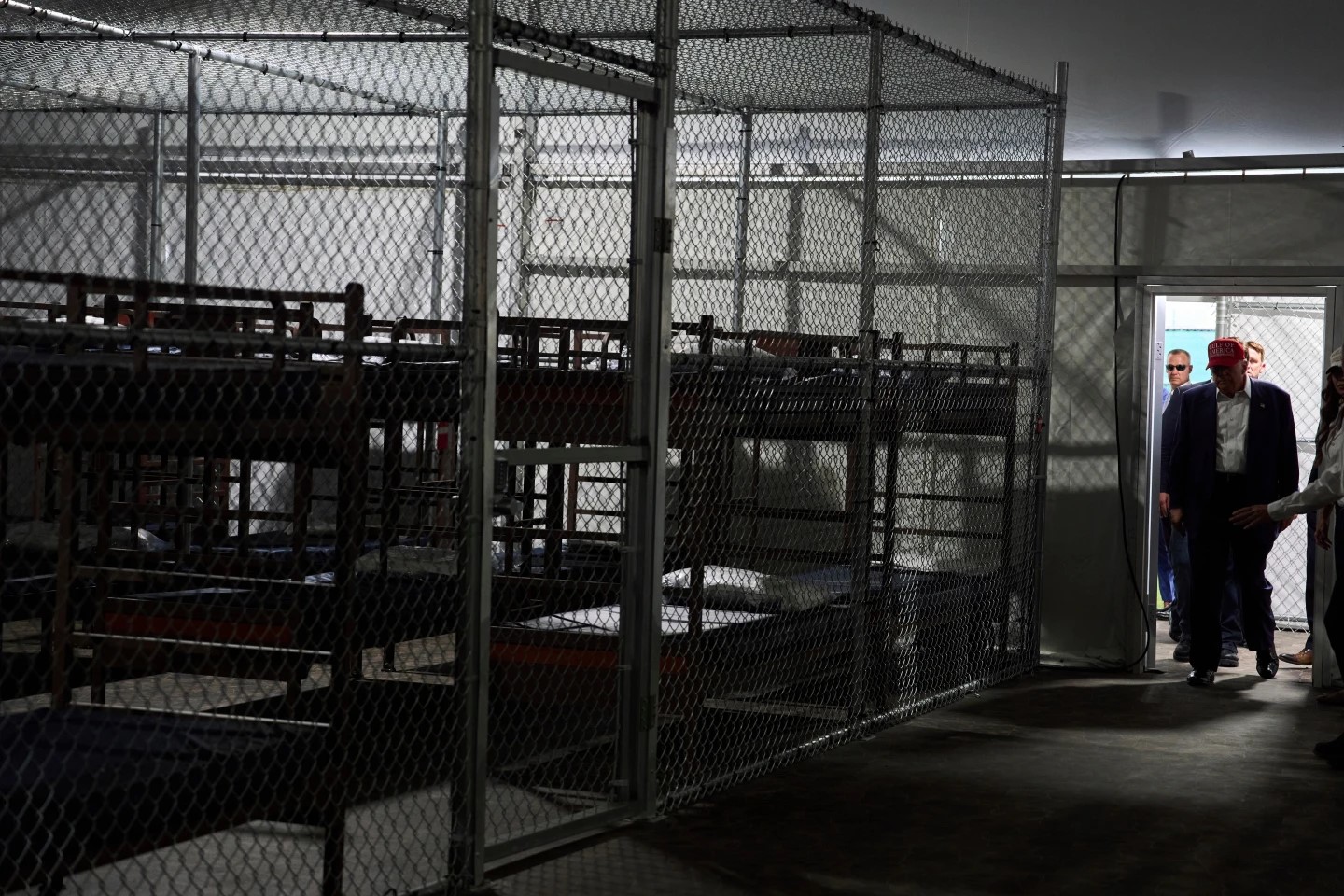
Migrants Languish in US Detention Centers Facing Dire Conditions and Prolonged WaitsProlonged detention has become more common in President Donald Trump’s second term, at least partly because a new policy generally prohibits immigration judges from releasing detainees while their deportation cases wind through backlogged courts.

On the Porch: Dr. Jim Crawford and Dr. James Wood - Local Historians Consider 2025This Week:
Born into a blue collar and agricultural clan in rural Pennsylvania, Dr. Jim Crawford was the first in his family to graduate from college. Earning his PhD from the University of North Carolina, he taught US and World History at several universities in the piedmont North Carolina for several decades. He served as chairman of the Chatham County board of commissioners. He is a firm believer in American democracy and trusts that the constitution will hold firm now as it has in past crises despite the broken, distempered electorate.
James Wood is currently Professor of Latin American and modern world history at North Carolina A&T State University. He is the author of The Society of Equality: Popular Republicanism and Democracy in Santiago de Chile, 1818-1851 and the co-editor of Problems in Modern Latin American History: Sources and Interpretations, now in its fifth edition with Rowman and Littlefield. As a Fulbright scholar for Chile in 2016 he was a visiting professor at the Universidad Diego Portales in Santiago (where he observed Chilean student activism up close).

Top Stories of 2025: Federal Funding Cuts Hit UNC, Nonprofits and Local ResidentsOne of the defining stories of 2025 was the impact of federal funding cuts on our community - from nonprofits to research and beyond.

Addiction-Stricken Community Struggles to Keep a Syringe Program Going After Trump’s OrderUnder a July executive order from President Donald Trump, federal substance abuse grants can’t pay for supplies such as cookers and tourniquets that it says “only facilitate illegal drug use.” Needles already couldn’t be purchased with federal money.
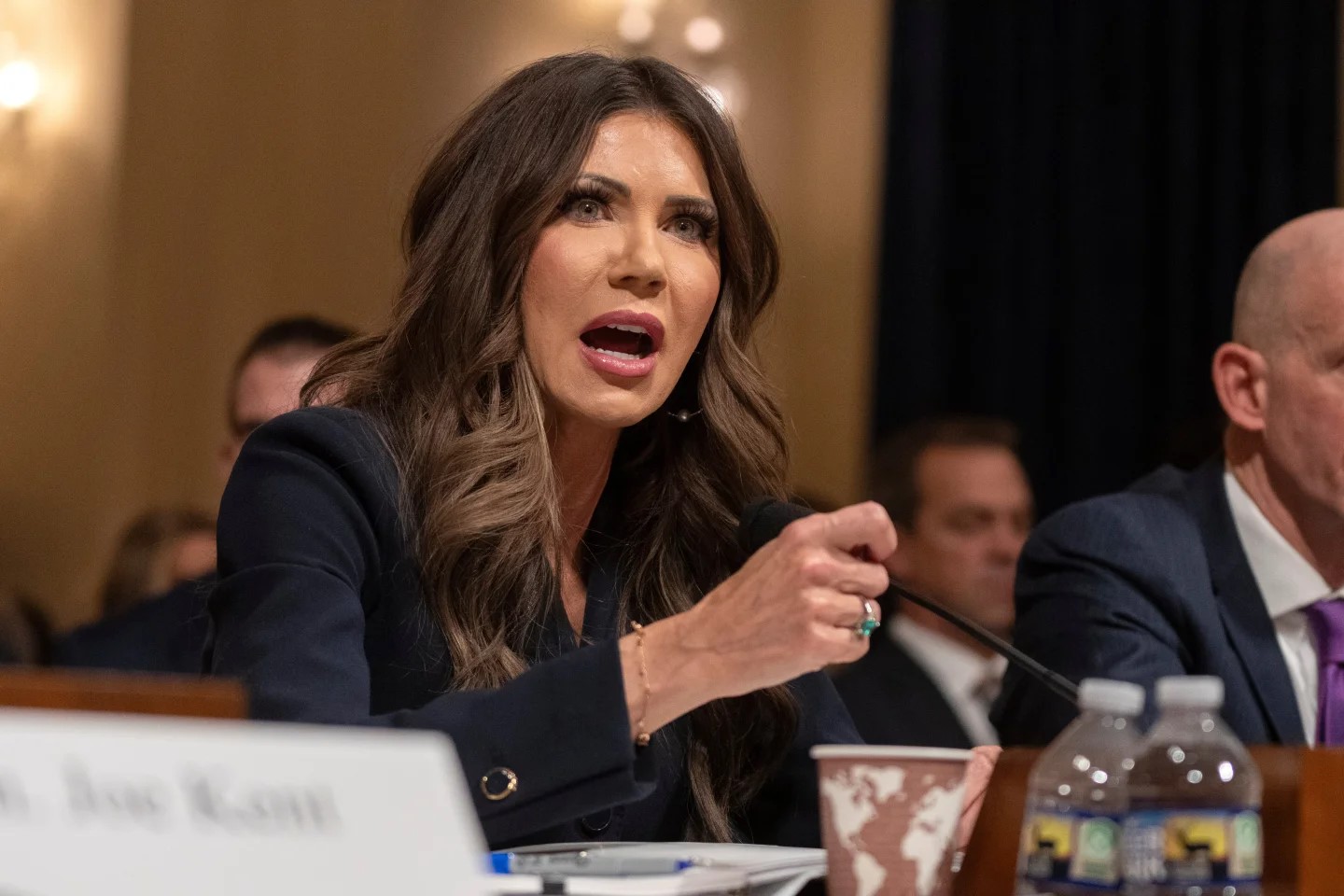
Homeland Security Secretary Noem Defends Trump’s Hard-Line Immigration Policies During Tense HearingThe hearing was Kristi Noem’s first public appearance before Congress in months, testifying at the House Committee on Homeland Security.
![]()
Interpreting the Legality of Federal Immigration Operations — Dec. 8, 2025The Hill's Andrew Stuckey speaks with Chapel Hill Immigration Attorney Chris Barnes and University of North Carolina Law Professor Rick Su on Monday, December 8. They discuss the specific implications of federal immigration enforcement actions in the Triangle region in November. They also discuss the larger legal ramifications of recent immigration enforcement, both in national politics and as it affects people locally. They share insights on the current legal question marks surrounding immigration in the United States, talk about who is affected most by these policies, what they expect to see in 2026, and more.
›