New Census estimates show that North Carolina and South Carolina are among states with the biggest population increases in 2017.
The Census data released in late December shows that North Carolina held onto its spot as the ninth most populous state in the U.S. with nearly 10.3 million people. It ranks just behind Georgia and just ahead of Michigan.
It also ranks fifth in terms of numeric growth, picking up about 117,000 residents between 2016 and 2017.
South Carolina has topped 5 million residents after gaining nearly 65,000 new residents. That ranks South Carolina 10th by numeric growth.
The data was collected for the year ending July 1, 2017 and analyzed over the past few months.
Overall, the U.S. population grew by about 2 million people for the year, with the South and West leading in population growth. Idaho grew the fastest by percentage increase, while Wyoming had the largest percentage decrease in population.
North Carolina has picked up about 738,000 residents since 2010. Charlotte remains North Carolina’s largest city with about 842,000 residents, ranking it No. 17 nationally.
South Carolina has added nearly 400,000 to its population since 2010. Data from earlier this year shows that Charleston has caught up to Columbia and edged it as the most populous city in the state. Charleston has 134,385 residents in the latest Census estimate, or 76 more people than South Carolina’s capital city. By comparison, Columbia had an edge of about 9,000 residents in 2010.
Photo via Flickr – Mr.TinDC
Related Stories
‹

The Carolinas Emerge as New Population Boom States. Affordability and Lifestyle Drive GrowthWritten by MIKE SCHNEIDER ORLANDO, Fla. (AP) — Move over Florida and Texas. The United States has new hot spots for growth, and they both have Carolina in their name. North Carolina last year attracted more new residents, 84,000 people, from other parts of the country than any other state, a title held by Texas in 2024 and Florida […]
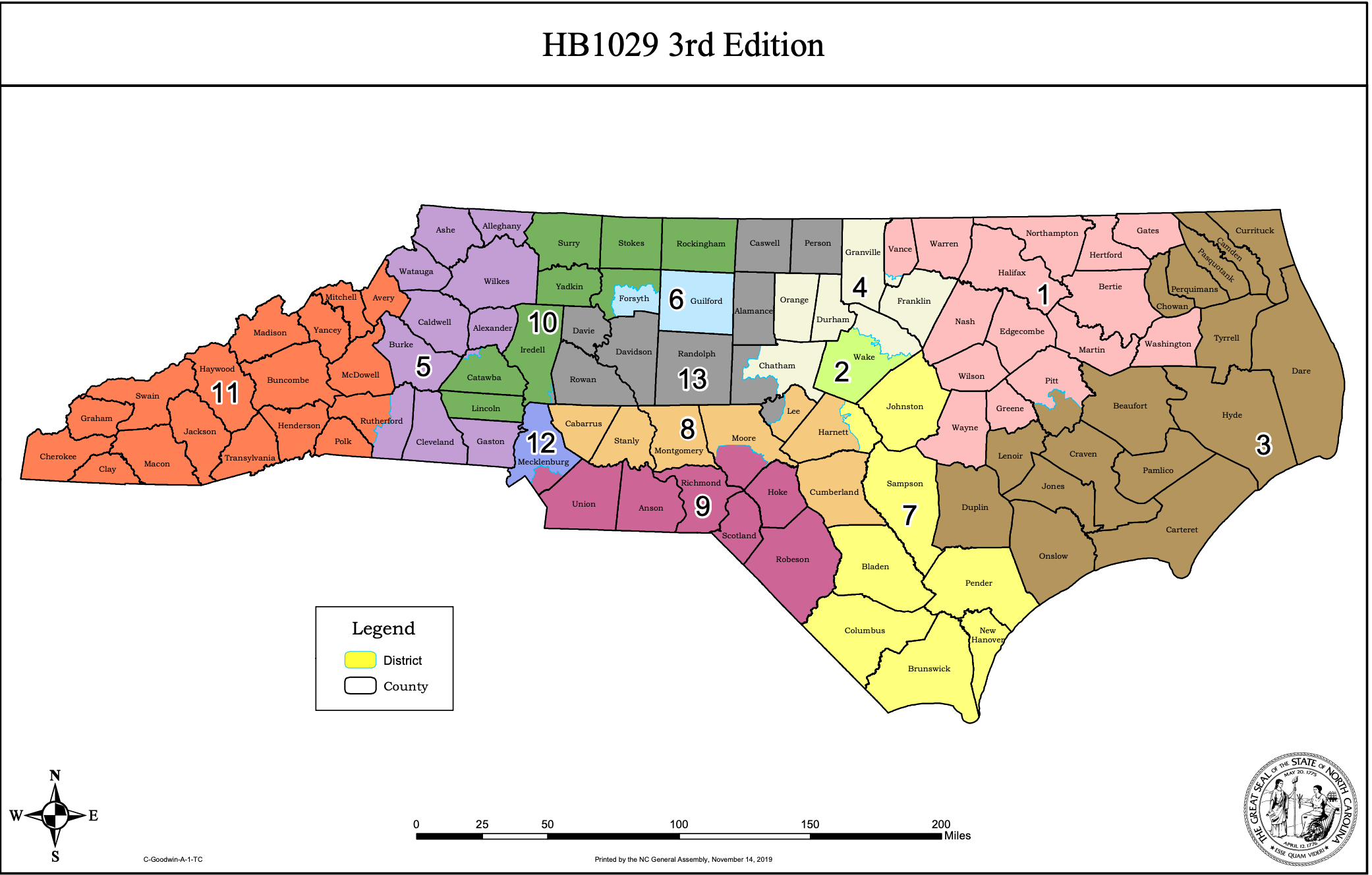
After Public Hearings, NC Remapping Work Begins This WeekWritten by GARY D. ROBERTSON Back in Raleigh after over a dozen redistricting public hearings last month, the General Assembly is ready to begin drawing new boundaries for the North Carolina legislature and the state’s U.S. House delegation for the next decade. The House and Senate remapping committee leaders said Tuesday that lawmakers could begin drawing boundaries Wednesday […]

Report: Drivers Are Hitting More Animals in North CarolinaThe number of animals hit by drivers in North Carolina increased in 2019 to the highest levels recorded in more than five years, according to the state Department of Transportation. The department released a report Monday detailing three years’ worth of animal-related crashes across the state. Researchers found that such collisions killed five people and injured more […]
![]()
NC Seeing Continued Growth But in New AreasEvery 10 years, the United States Census Bureau counts and takes statistics on residents living in the U.S. These numbers are important because, among other things, they dictate how many seats each state gets in the U.S. House of Representatives and how federal money is distributed. Director of Carolina Demography at the Carolina Population Center […]

Trump Refers to Black Man From Racially Offensive 1988 Campaign Ad While Stumping in North CarolinaDuring a stop in North Carolina, Trump referenced one of the most controversial campaign advertisements that relied on racist tropes.

Postal Service Work To Comply With Trump’s Executive Order Is Rushed and Sloppy, a Whistleblower ContendsThe U.S. Postal Service is poised to launch a hastily built, error-riddled computer system that could jeopardize the process of mail voting.

Longtime Chatham County Educator Wins $10 Million Lottery PrizeThe North Carolina Education Lottery office revealed that Jean Johnson, who teaches in Chatham County, is the winner of a $10 million prize.
![]()
Theodore Nollert on North Carolina's Budget Corrections Bill and Its Process – On Air Today (August 26, 2026)Theodore Nollert — the directory of policy for Carolina Forward and a Chapel Hill Town Council member — joins 97.9 The Hill's Brighton McConnell on Wednesday, August 26.
UNC Health Expands, Rebrands Venture Capital Efforts of Emerging TechThe statewide healthcare system announced Rex Health Ventures platform is now UNC Health Ventures and will use $125 million to invest in emerging health tech companies.

Corporate Tax Cuts, Prediction Market Leeway, and Underfunding Education: Why Orange County's Legislators Voted Against NC's BudgetAll three of Orange County’s state representatives voted against North Carolina's updated budget, citing issues with its contents and construction.
›