A call from grandma and a call from a scammer can look nearly identical when telephone solicitors mask their real number.
So North Carolina lawmakers passed legislation Monday to require callers to use their real name and number or the information of the business they’re representing. The bill passed 45-0 in the state Senate after passage by the House last month and now heads to Gov. Roy Cooper for his decision on whether to sign it into law.
Telephone solicitors often block or trick caller ID to spoof people and make their calls look like they’re coming from a local number or from a family member. Under this bill, which already passed the House in May, solicitors who do so can be fined up to $5,000.
The practice of using fake numbers or names is already illegal under federal law, but this bill would give authorities more leverage to go after scammers. The bill also would apply to text message solicitations.
Bill sponsor State House Speaker Tim Moore said that these calls are a top concern for his constituents, particularly the elderly.
“When I went out campaigning this last year … I heard more about people getting scammed phone calls than any single thing else,” he said.
Consumers can elect to be on the Federal Trade Commission’s Do Not Call Registry, which tells companies that they don’t want to receive telemarketing sales calls and can complain when companies violate Do Not Call rules.
In 2018, North Carolina had 168,022 “Do Not Call Registry” complaints, according to the Federal Trade Commission.
The bill is a starting point to give North Carolina more tools to crack down on robocalls and scams that often rob people of their money, said Rep. Chris Humphrey, a Lenoir County Republican who sponsored the bill.
“The penalties are civil at this point and will begin to make spammers reconsider when making these annoying calls,” he wrote in an email.
Humphrey acknowledged that the bill would not stop all spam calls. Many of these calls are hard to trace and may originate from outside of the state or country, making them difficult to prosecute. But the legislation could help North Carolina residents by slowing down the volume of these calls, Humphrey said.
Last fall, North Carolina Attorney General Josh Stein joined over 30 attorneys general in calling on the Federal Communications Commission to give telephone service providers more power to block robocalls. He applauded an FCC vote in June that allowed phone carriers to automatically enroll customers in anti-spoofing call programs.
“People deserve protection from these calls that are at best annoying and at worst scams,” Stein said in a June statement.
Related Stories
‹
![]()
2 Years After Hurricane Helene, Where Does Relief Fall Short in North Carolina? – On Air Today (September 29, 2026)Public Policy Analyst Alex Campbell joins 97.9 The Hill's Brighton McConnell on Tuesday, September 29 shortly after the two-year mark of Hurricane Helene.
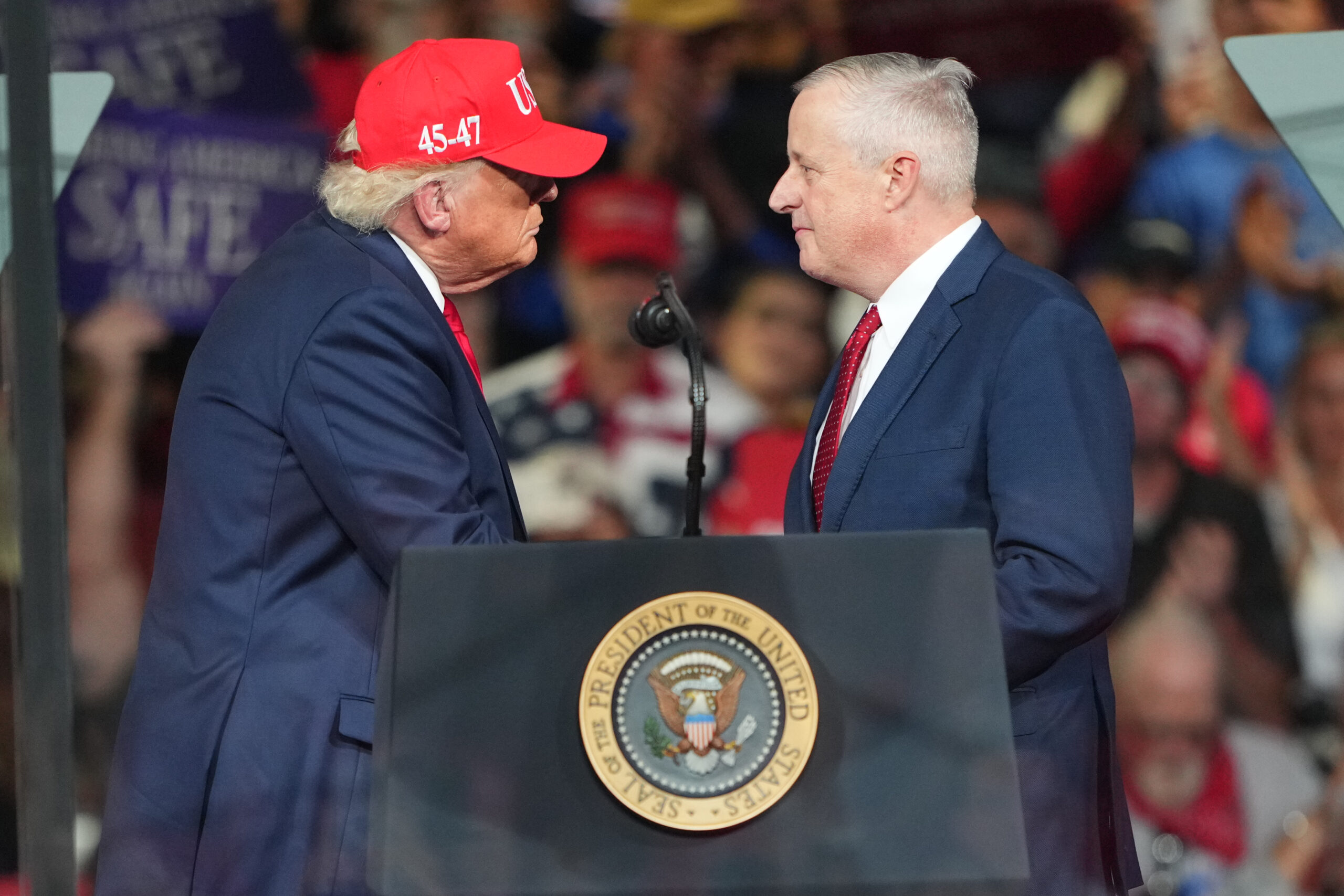
Trump Refers to Black Man From Racially Offensive 1988 Campaign Ad While Stumping in North CarolinaDuring a stop in North Carolina, Trump referenced one of the most controversial campaign advertisements that relied on racist tropes.

Postal Service Work To Comply With Trump’s Executive Order Is Rushed and Sloppy, a Whistleblower ContendsThe U.S. Postal Service is poised to launch a hastily built, error-riddled computer system that could jeopardize the process of mail voting.

Longtime Chatham County Educator Wins $10 Million Lottery PrizeThe North Carolina Education Lottery office revealed that Jean Johnson, who teaches in Chatham County, is the winner of a $10 million prize.
![]()
Theodore Nollert on North Carolina's Budget Corrections Bill and Its Process – On Air Today (August 26, 2026)Theodore Nollert — the directory of policy for Carolina Forward and a Chapel Hill Town Council member — joins 97.9 The Hill's Brighton McConnell on Wednesday, August 26.
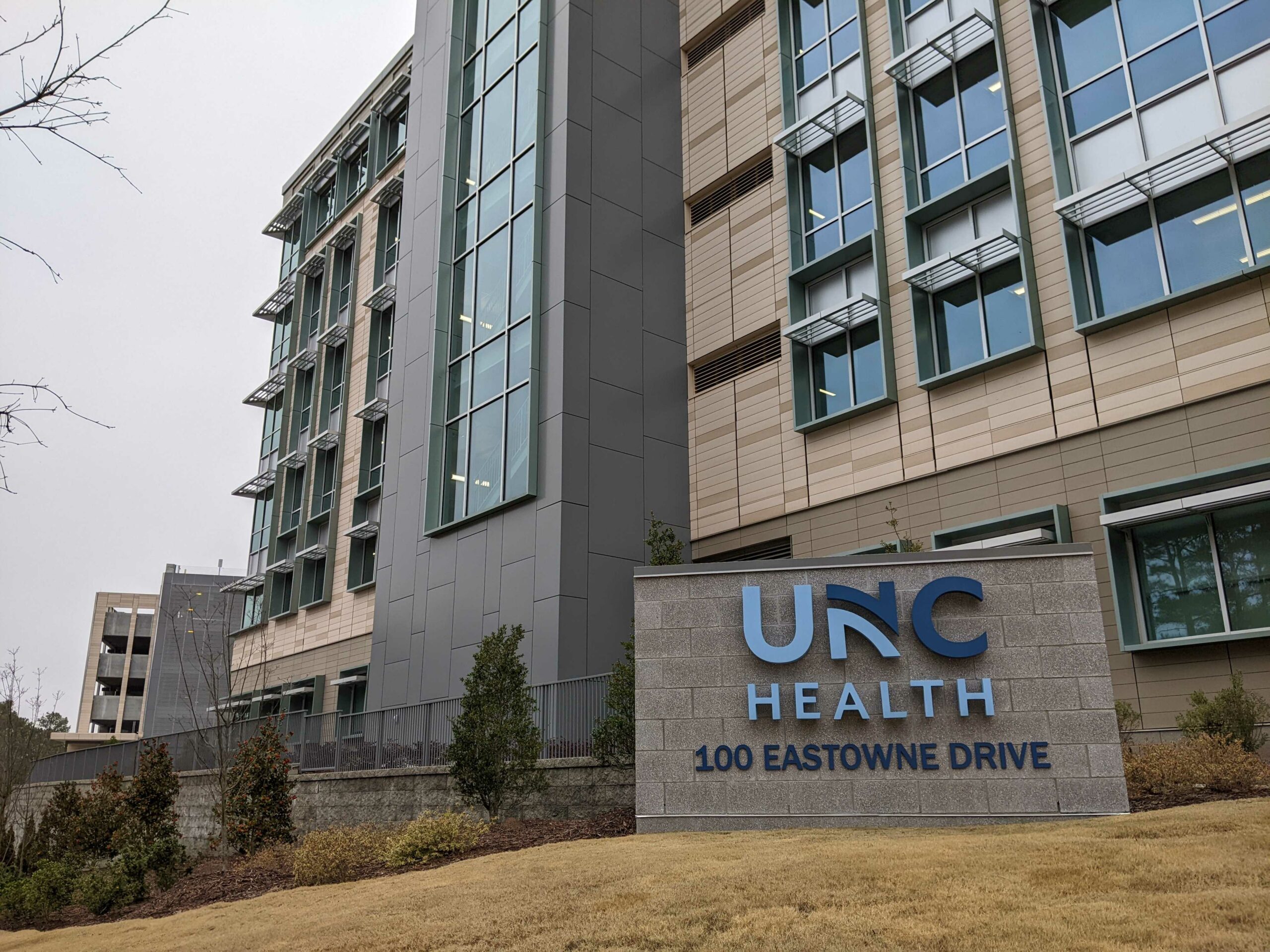
UNC Health Expands, Rebrands Venture Capital Efforts of Emerging TechThe statewide healthcare system announced Rex Health Ventures platform is now UNC Health Ventures and will use $125 million to invest in emerging health tech companies.
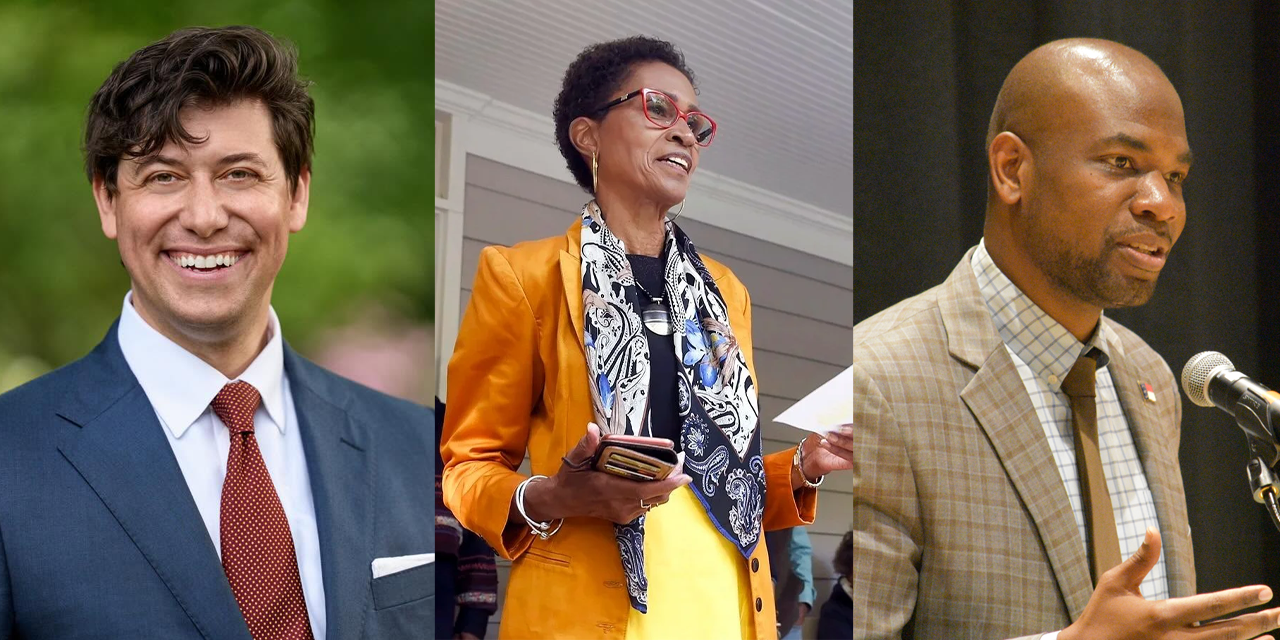
Corporate Tax Cuts, Prediction Market Leeway, and Underfunding Education: Why Orange County's Legislators Voted Against NC's BudgetAll three of Orange County’s state representatives voted against North Carolina's updated budget, citing issues with its contents and construction.

On the Porch: Dr. James Wood - Sports Around the WorldThis Week:
James Wood is currently Professor of Latin American and modern world history at North Carolina A&T State University. He is the author of The Society of Equality: Popular Republicanism and Democracy in Santiago de Chile, 1818-1851 and the co-editor of "Problems in Modern Latin American History: Sources and Interpretations", now in its fifth edition with Rowman and Littlefield. As a Fulbright scholar for Chile in 2016 he was a visiting professor at the Universidad Diego Portales in Santiago (where he observed Chilean student activism up close).
On the Porch: Bill Brown - Art and Science Merge at NCMAThis Week:
Bill Brown joined the North Carolina Museum of Art as a Conservation Intern in 1988. Thirty-two years later he retired from the Art Museum as Chief Conservator. He received his M.A. and Certificate of Advanced Studies in Conservation from State University College at Buffalo, NY in 1989. At the Museum, he established the Art + Science Initiative, a collaborative program with Duke University math and science departments. Bill has a passion for Italian Old Master Paintings of the 14th to 18th century. He works part-time as a conservator in private practice and provides conservation support for the Museum and Gallery collection of old master paintings at Bob Jones University in Greenville, SC . He enjoys retirement with his wife and young adult son.

On the Porch: Nora Gaskin - Conjuring Crime StoriesThis Week:
Author Nora Gaskin is a lifelong resident of the Durham-Chapel Hill area. Her latest is novel is "Lammie Loves Cubby". Nora has a bachelor’s degree in English with Honors in Creative Writing from UNC, and a Masters in English from the University of Washington in Seattle. She spent over 24 years as a stockbroker and financial advisor in the Durham office of a major investment firm. She retired in 2005 to focus on writing. She is the publisher at Lystra Books and Literary Services and the author of three novels and one nonfiction book. She lives and writes in Chatham County, inspired by her native landscape, her husband, and dogs. Her favorite word is "gratitude."
›