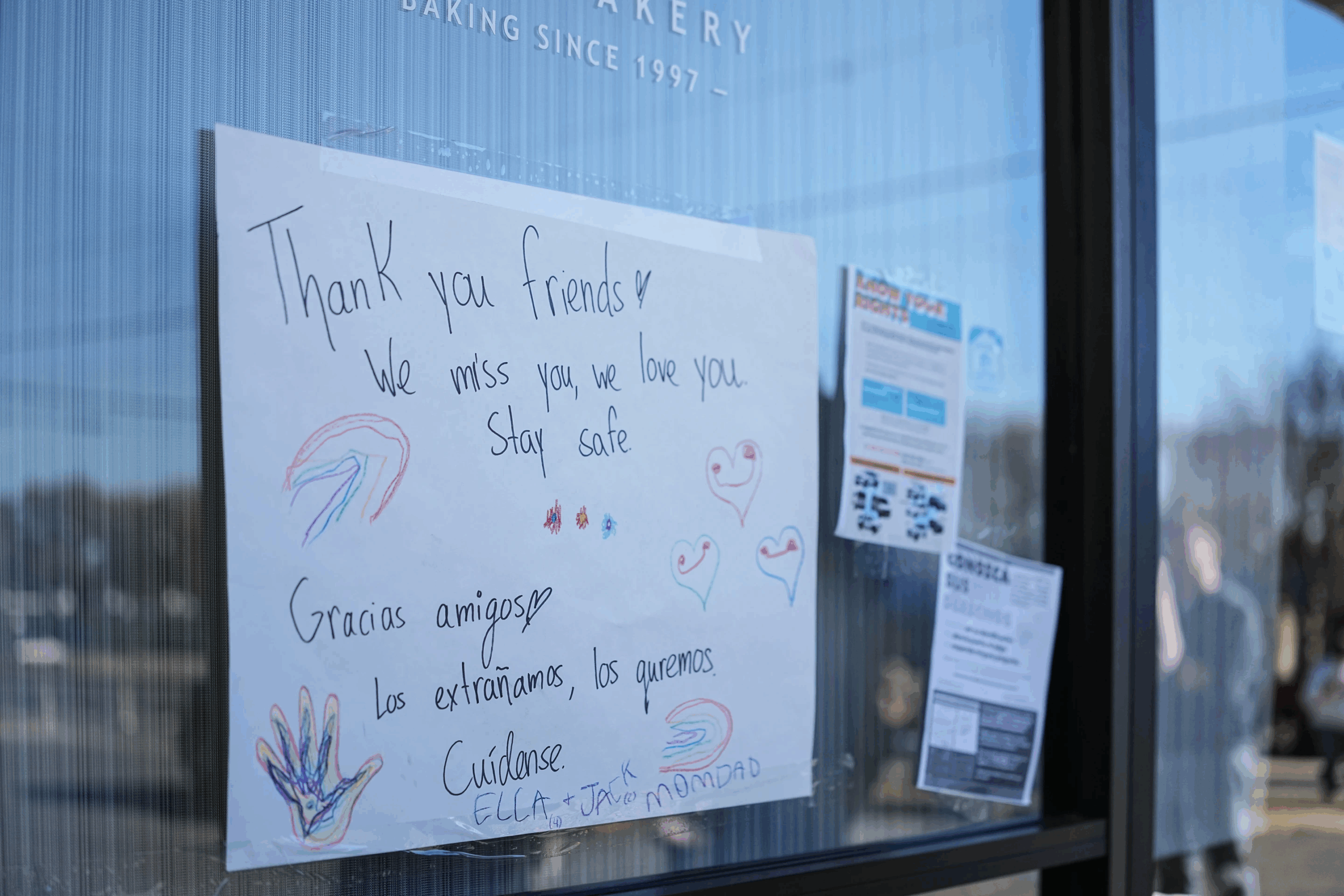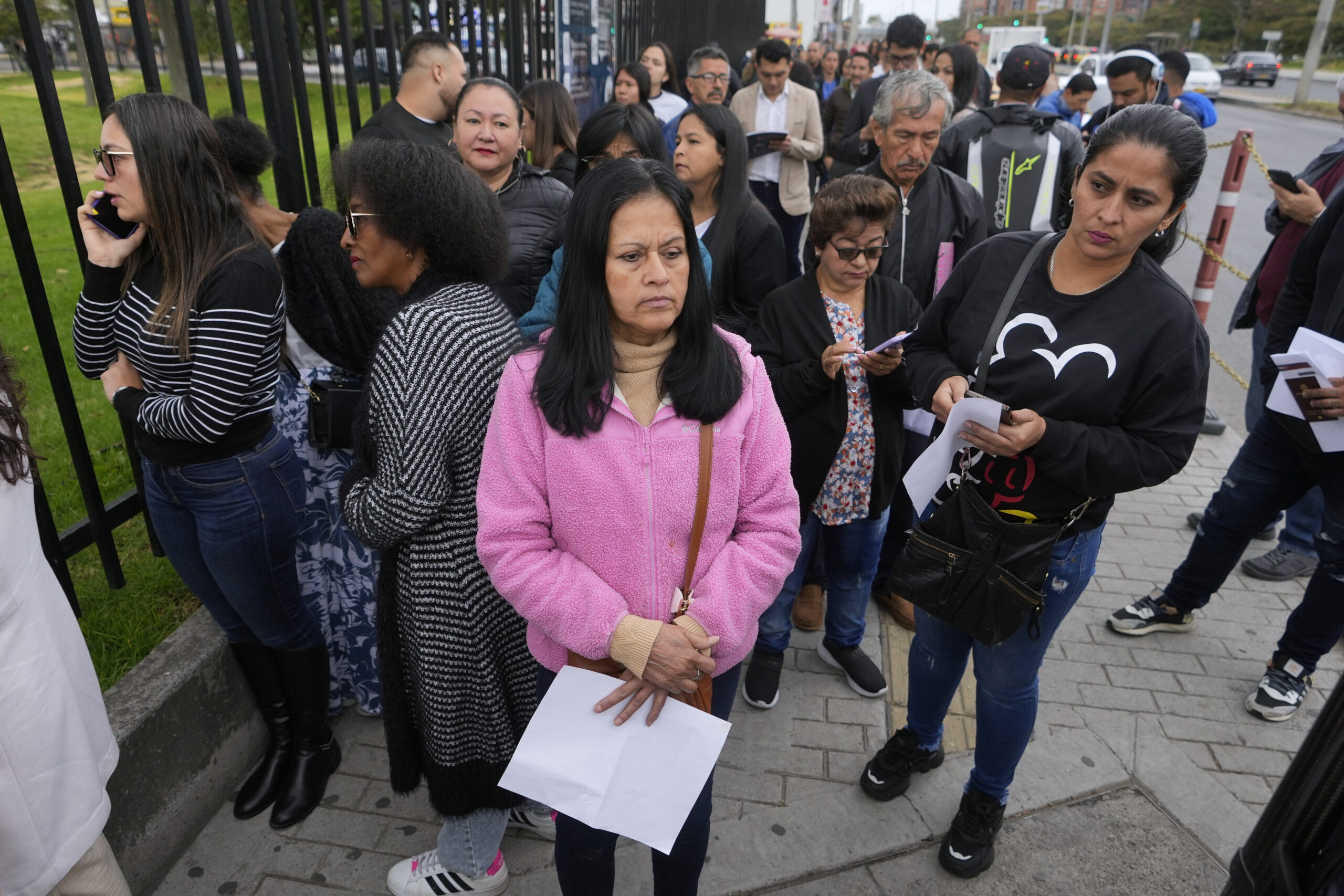
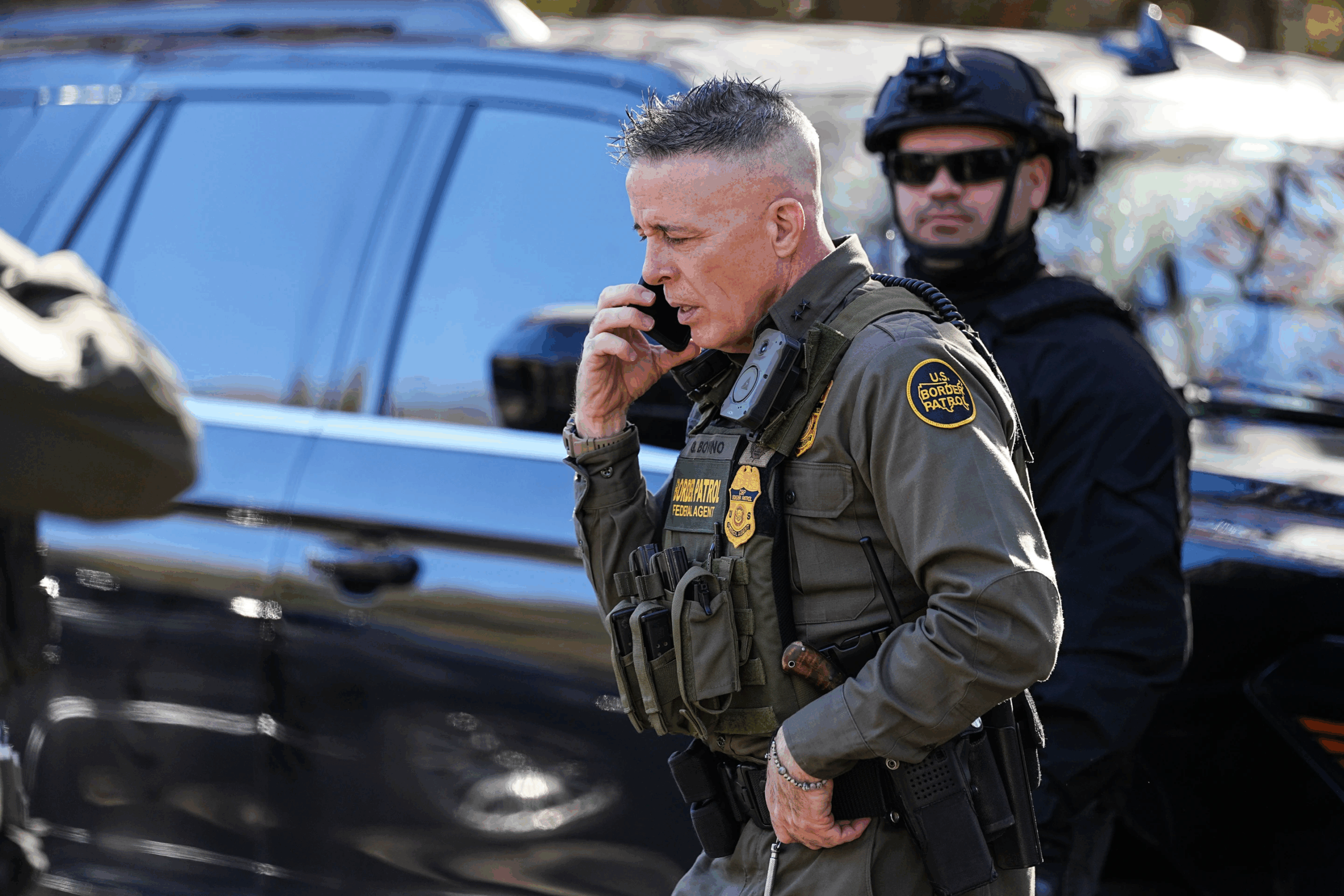
United States Immigration and Customs Enforcement, or ICE, officers and Border Patrol agents are active in the Triangle on Tuesday, with confirmed arrests and sightings in Raleigh and Durham.
Below is a guide of resources compiled by Chapelboro to track confirmed ICE sightings, track any detainees and stay informed about your rights. Here is what you need to know:
Where to report ICE sightings
If you see ICE agents operating in the area, there are multiple groups and organizations you can call to alert.
The nonprofit Siembra NC has a statewide hotline for reporting ICE in different communities, which can be found here. The Greensboro-based organization also runs the ¡OJO Obrero! website that provides a map with detailed locations of arrests, sightings and more. The site sometimes is not compatible with wi-fi networks, so try using mobile data if you cannot access it.
There is also the RadarSafe hotline of 1-800-559-8714 managed by the community-run Facebook page, as well as Respuesta Rápida de Durham (919-519-6103). The national IceInMyArea.org also is tracking North Carolina reports of federal agents.
Know your rights
It is important to understand your rights, especially during an encounter with a law enforcement official or federal immigrant agent. The National Immigrant Justice Center has a full guide to important rights that apply to everyone in America.
Everybody in the United States, regardless of immigration status, is entitled to certain protections under the Constitution. These include:
- The Fourth Amendment, which protects people and their property from unreasonable or unjustified searches, requiring probable cause and search warrants.
- The Fifth Amendment, which protects people from self-incrimination, meaning that detained individuals cannot be required to speak.
A violation of either would be a direct violation of your constitutional rights. However, even if your rights are being violated, it is important not to resist against officers or agents, as this could make the situation worse.
An important distinction to make: ICE officers and Border Patrol agents cannot enter a house or vehicle without a judicial warrant. Several immigrant advocacy nonprofits recommend staying in a safe location and, if approached by federal agents, requesting to see the warrant. If it is simply an administrative order — signed by anyone besides a federal or state judge — they are not allowed to enter the house or vehicle.
For detainees of federal agents or officers, many immigrant rights groups recommend you have at least two phone numbers of family members or trusted organizations memorized. You may not be entitled to a phone call right away, but knowing those numbers will be helpful when you are able to contact people.
The ACLU of North Carolina also provides an FAQ page regarding immigrants’ rights if approached by federal law enforcement.
If you are an observer to an attempted ICE raid or arrest, you have the right to film and record federal law enforcement’s actions in public areas and private ones where you are granted access. If you directly interfere with their actions, you could face an obstruction of justice charge.
DemocracyNC says those observing ICE should take note of specific details using the SALUTE guide:
- Size, or the number of agents and vehicles.
- Activity, or what the agents are specifically doing.
- Location, including specific addresses or intersections.
- Uniform, or what the agents are wearing.
- Time, including the date of the incident.
- Equipment, including types of vehicles, weapons or tools.
ICE has been known to make arrests at hospitals and other health care facilities. If you are a health care worker, can find a guide for navigating interactions with ICE here.
The Orange County Office Civil Rights and Civic Life also has a page with extra resources and a ‘Know Your Rights’ guide.
If someone you know is detained
Several nonprofits and organizations have guides on what a non-detained individual can do for someone who has been captured by ICE. The common suggestions are:
- First, call an immigration attorney. A list of North Carolina immigration lawyers here, the NC Immigrant Rights Collective provides this document to anyone seeking the help of an attorney, and El Centro Hispano in the Triangle takes calls about attorney referrals and legal resources at 919-307-1995.
- Next, use ICE’s detainee locator tool. You will need to know their full name, date of birth, and country of origin.
- Inform any group or organization they are required to report to of their detainment. This includes court appointments, rehab groups, probation officers, employers, etc.
The North Carolina-based group El Pueblo encourages families to make emergency plans for before and after encountering federal immigration officials. A Spanish guide can be read and downloaded here.
In Orange and Durham counties, U.S. Rep. Valerie Foushee’s office offered an ICE Privacy Release Form that allows third parties to receive information from the U.S. Department of Homeland Security about someone federally detained. She recommended any constituent impacted by ICE or Border Patrol activity contact her office at 919-967-7924.
You can find a full guide in both English and Spanish here.
Featured photo via AP Photo/Matt Kelley.
Chapelboro.com does not charge subscription fees, and you can directly support our efforts in local journalism here. Want more of what you see on Chapelboro? Let us bring free local news and community information to you by signing up for our newsletter.