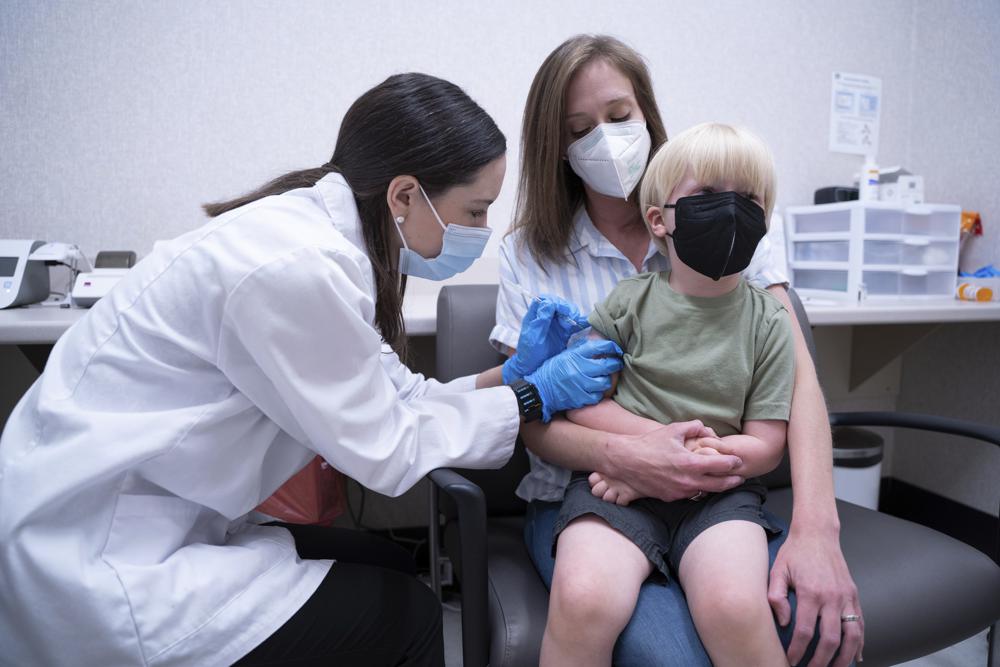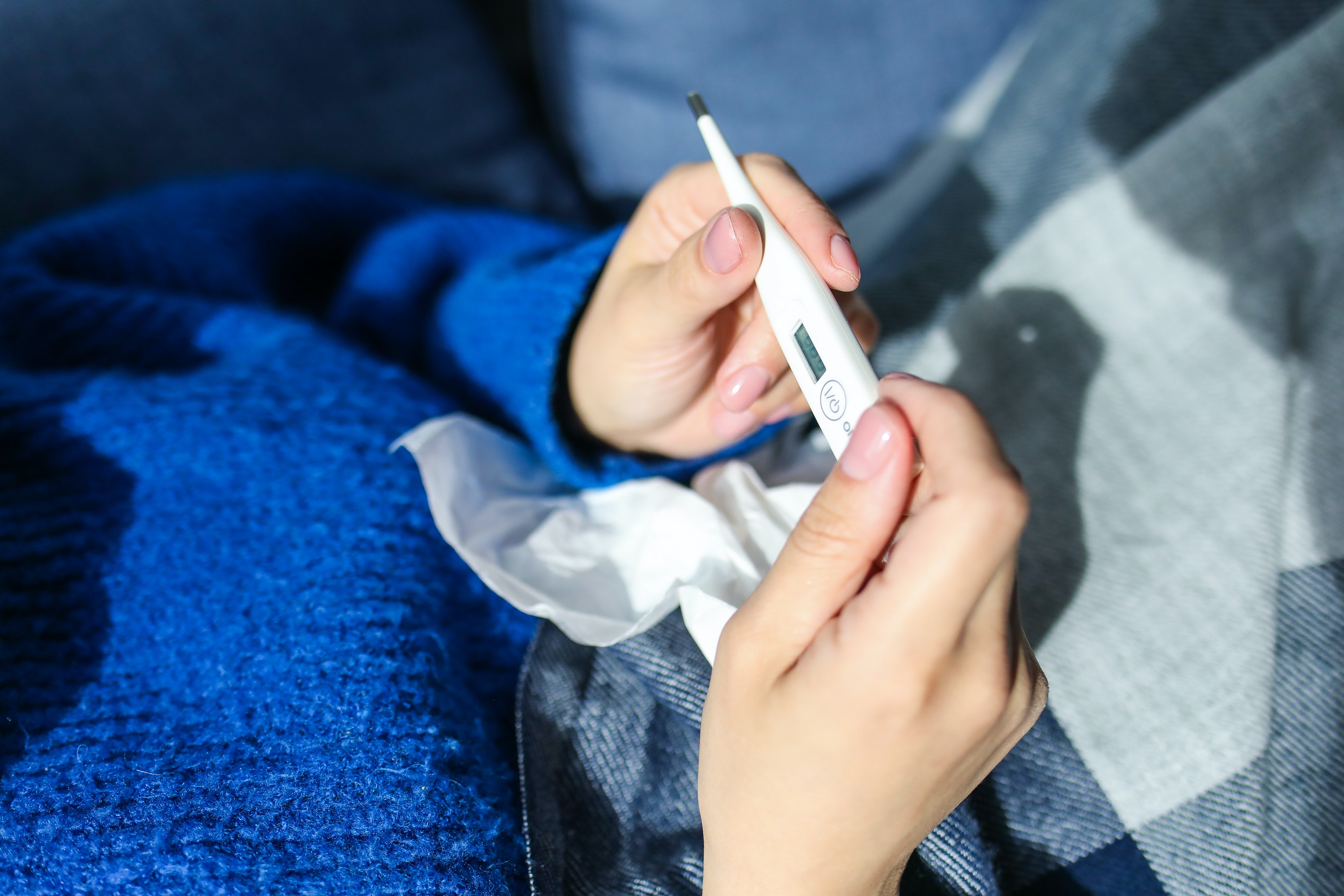

As the holiday season rolls in, so too do twinkling lights, convoluted plans, and pine needles stuck in the carpet. However, with traveling and cold weather also comes an uptick in respiratory illnesses such as the flu, COVID, and RSV. On Dec. 11, Duke Health invited two experts to share advice on how people can avoid viral illnesses and stay healthy during the holidays at a press conference.
The first speaker was Dr. Cameron Wolfe, an infectious diseases specialist with expertise in respiratory viruses.
“Many of us, I’m sure, in our communities have seen that blip already around Thanksgiving go up quite noticeably,” said Wolfe. “That’s early for us. Typically, our flu seasons might start increasing late in December, maybe sometimes not even until January, and peak around January or February. And yet we’re already on an uptick that really started in the middle of November.”
The North Carolina Division of Public Health’s respiratory virus summary dashboard shows a sharp increase in influenza infections over recent weeks. Wolfe said an earlier flu season can cause a feedback loop of sorts.
“An early flu season has typically in the past translated to not as many people being fully vaccinated by the time that flu arrives,” said Wolfe. “We’ve seen a little drop off in vaccine rates, but it also often reflects the fact that we’re seeing an early or modified variant of flu. I hope not, but I would anticipate a busier overall season.”
The second expert was Dr. Caroline Sloan, a general internist with a focus on patients with multiple chronic conditions. She said patients experiencing respiratory symptoms should use cheap at-home tests before heading to the doctor to avoid potentially infecting people with weak immune systems. She also said whether or not to seek treatment for an illness like the flu is ultimately dependent on the individual and those around them.
“The question of ’If I develop the flu, should I seek treatment? Should I get a prescription for Tamiflu or one of the other flu medications?’ I think, yeah,” she said. ”If you have a high risk condition, then you would qualify for treatment. But also if you’re going to be traveling and visiting someone who has a high risk condition, you may want to ask your doctor for treatment so that you can protect those people.”
While many take precautions to avoid spreading respiratory illnesses, those are not the only viruses holiday travelers should be wary of. Sloan also warned of the dangers of norovirus, another common holiday season illness which can cause diarrhea and vomiting.
“If you’re going to be traveling and if you live with or are going to be visiting a family that has small children, they are incubators of these types of viral illnesses. Small children are not very good at washing their hands. So just make sure that you are washing your hands frequently.”
Of particular concern are older people who have an increased risk of infection and serious illness. Extra precautious should be taken around these individuals, regardless of the strength of their immune system. Sloan warned that an infection in elderly individuals might not always present with the classic respiratory symptoms.
“Any infection really may manifest as confusion, or what we call delirium, or altered sleep-wake cycles where people are sleeping during the day and staying up at nighttime,” she said. “All of those things may indicate that the person has an infection. It could be an upper respiratory infection or it could be a urinary tract infection, or something else. And so I think when an older person is starting to not quite act like themselves and the change seems quite sudden, that’s when you should start being concerned about an infection.”
With multiple viruses going around, some people may not know which vaccines to prioritize, but Wolfe said prioritization is unnecessary.
“We had good data that came out of COVID that said it does not diminish the effectiveness of each individual vaccine if you choose to want to get all three at once,” he said. “If you choose to get flu, Covid and RSV, there is data that suggests that it does not diminish each individual response. And in fact our body’s immune system gets challenged by thousands of different things every day and copes entirely adequately.”
For those looking for more resources or advice, the North Carolina Division of Public Health has a comprehensive guide on respiratory viruses featuring more information on testing, treatment, vaccines, chronic diseases, pregnancy, and more.
Chapelboro.com does not charge subscription fees, and you can directly support our efforts in local journalism here. Want more of what you see on Chapelboro? Let us bring free local news and community information to you by signing up for our newsletter.