With primary season over in North Carolina, politicians and strategists have fully turned their attention towards this year’s midterm general elections. That is especially true of the Democratic Party, which is looking to capitalize on the momentum brought on by a less-than-popular second Trump administration.
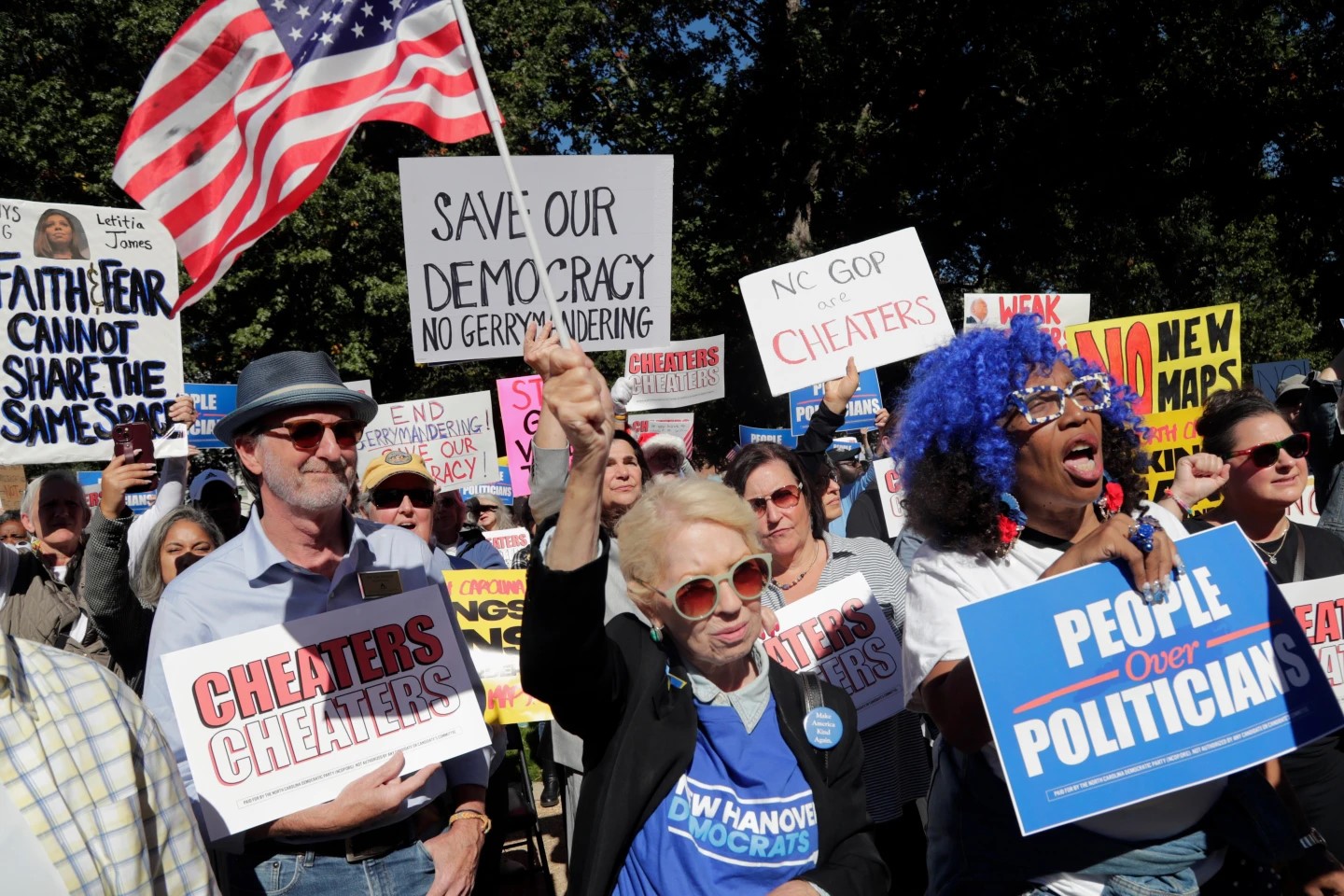
But there is still a lot of work to be done, as the party has the lofty goals of taking back the House and the Senate on the national level, and loosening the GOP’s tight grasp on the North Carolina General Assembly. And that all is unfolding as both parties engage in a redistricting battle that is reshaping American electoral politics.
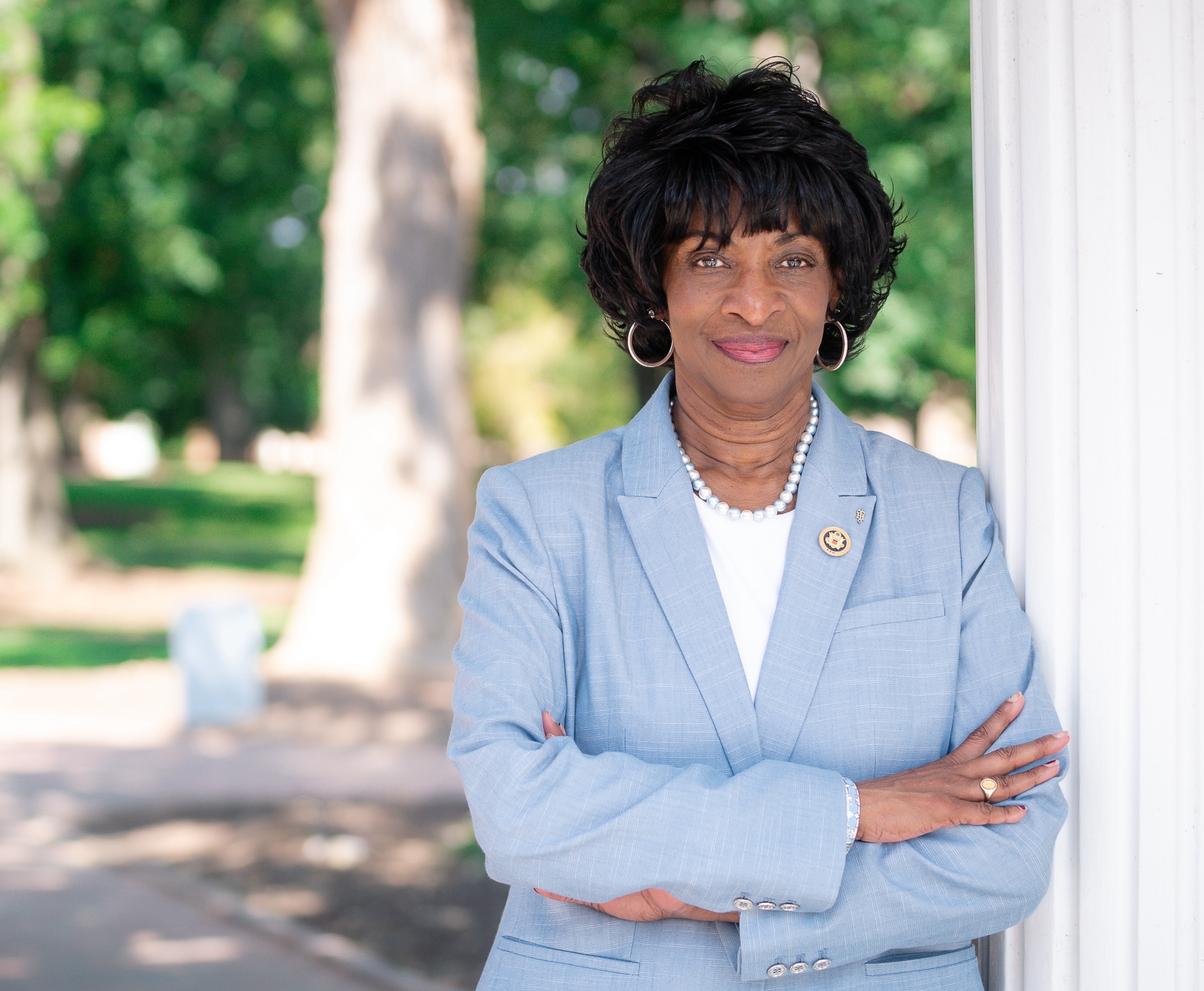
We recently spoke with Chair of the North Carolina Democratic Party Anderson Clayton and Public Policy Polling’s Tom Jensen about the best path forward for the Dems. Clayton told 97.9 The Hill that she’s confident in her party’s plan to make headway in the state, and that confidence starts with looking back at the 2026 primary turnout.
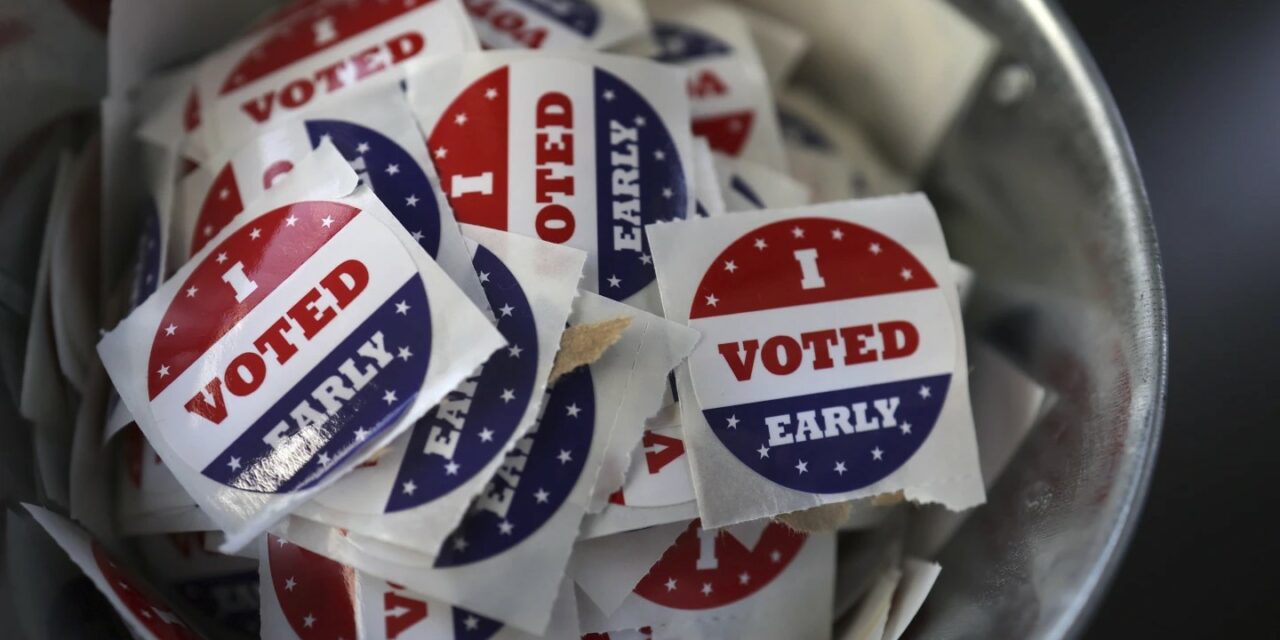
“We got to see over 200,000 more Democrats come out than Republicans did in the primary election,” she said. “More people voted in this primary election than they did in the 2024 primary election. And so we’re looking at higher voter turnout and also the sort of opposite numbers of what we saw in the 2022 election cycle.”
She said the party struggled to properly contest races across the state in 2022, but it will not be a problem this year.
“What I found this election cycle is that we didn’t have to beg anybody to sign up to run for office this year,” Clayton said. “People understood that even in the hardest to win races right now, we have a lot of opportunity because folks are just so upset about how high their gas prices still are, about [how] high their grocery prices still are, and also the fact that a state legislature has not passed a budget for 300 days.”
While frustration with current GOP representatives and policy can do a lot for the Democrats’ cause, there are additional challenges facing the party. National redistricting efforts and the gutting of the Voting Rights Act by the Supreme Court are rapidly changing the landscape of American electoral politics. Clayton said while these moves are concerning, they can also present an opportunity.
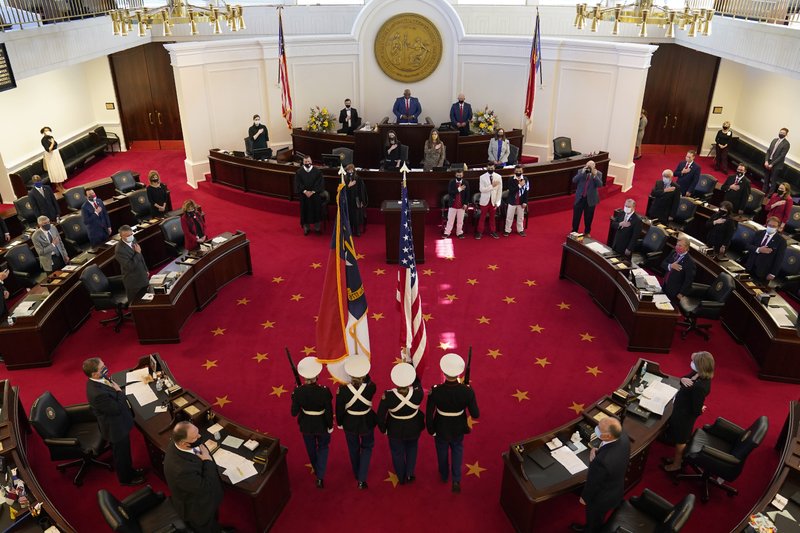
“I think that what North Carolina has gotta show is that even though we have this sort of egregious attack on civil rights, on voting rights, that North Carolina can still be a beacon in the South for being able to change that by focusing on our State Supreme Court,” she said.
The state party chair’s focus on the State Supreme Court includes three steps. The first was reelecting Justice Allison Riggs, who beat a months-long Republican-led effort to overturn the results of her election. The second is to reelect Justice Anita Earls this year, and the third is to take three Republican seats on the court in 2028. As for the party’s plan on the national level, Clayton said the Democrats are focused on taking the Senate to pass legislation to keep voting fair and equal.
“When we’ve got 60 Senate seats, when we’ve got the ability to say that we can actually pass a piece of legislation, it’s gonna be the John Lewis Voting Rights Act,” she said. “And we’re gonna end gerrymandering across the country and eradicate the ability for Democrats and Republicans to do it because we wanna make sure that eventually this is fair and get people to see the light at the end of the tunnel.”
Clayton said the goal isn’t just to get current Democrat voters to the polls, but also to show Republicans that voting red might not be in their best interests.
“I think that Donald Trump is doing a great job at ensuring that communities who have not wanted to hear from a Democrat for a long time are finally opening up their ears and their eyes to be truthful with you,” she said. “We’re not saying ‘I told you so,’ we’re saying, ‘Hey, welcome to the fight.’”
Tom Jensen said current polling numbers give the Democrats reasons to feel confident. That includes a national poll the Raleigh-based polling site recently conducted which showed people saying they’d vote Democrat 46 to 42.
“That’s a six point shift from the 2024 presidential election and certainly would probably be enough to get Democrats control of the US House, pick up a few Senate seats and make big gains in legislative seats across the country. But what was really interesting,” Jensen added, “was when we looked at the people who were undecided on that poll, only 18% of them approved of the job that Trump’s doing, and 66% disapproved. And often midterm elections are a referendum on the president.”
However, Jensen warned that despite these gains, Democrats cannot discount the effect redistricting has had.
“It does mean that the gains for Democrats aren’t gonna be quite as big as they would’ve otherwise been, but I still think they’re gonna be really big,” he said. “One place where that kind of shift would put seats on the map where they’re really not supposed to be is North Carolina. Some of our gerrymandered Republican districts that were never supposed to be competitive may be in this political climate.”
You can find our full interview with Anderson Clayton here, and our full conversation with Tom Jensen here.
Featured image via Brighton McConnell/Chapel Hill Media Group
Chapelboro.com does not charge subscription fees, and you can directly support our efforts in local journalism here. Want more of what you see on Chapelboro? Let us bring free local news and community information to you by signing up for our newsletter.