Organic protection against exposure to pesticides and nerve gas has been developed through a partnership between chemists at Moscow State University and UNC-Chapel Hill.
The partnership was formed by Dr. Alexander “Sasha” Kabanov, whose groundbreaking research on enzymes started in Russia with the founding of a nanomedicine laboratory.
“In 2010, I got a grant from the Ministry of Science of Russia to establish a laboratory […] in Moscow State University, which is my alma mater and the place where I started my original research which ultimately led me to the United States,” he recalled.
That research was accelerated in North Carolina after Kabanov received an appointment as director of the UNC Center for Nanotechnology in Drug Delivery.
“By that time, we in the United States had done a lot of work on the delivery of the enzymes and we developed our solution, which we called the nanozyme,” he explained.
By experimenting with delivery techniques and protein coatings, Kabanov was able to pioneer enzymatic applications for the treatment of organophosphate poisoning.
“That enabled a possibility to create a protective treatment in which the enzyme is […] administered in the body before exposure, and that resulted in complete protection of animals,” he affirmed.
Kabanov noted that the prevalence of organophosphates in pesticides and chemical weapons makes his research pertinent to both agricultural workers and soldiers.
“Approximately 40 percent of pesticides in the world are still organophosphorus compounds, and obviously these are also chemical warfare agents,” he claimed.
With those agents having been used in Syria earlier this month, Kabanov also emphasized the importance of providing nanoenzymes to civilians in conflict zones.
“This is potential protection of military personnel which might find themselves in the area of application of chemical warfare agents, or civil population in this situation which we unfortunately see the examples with increasing frequency,” he lamented.
A degree of morality was injected into the discussion of chemical research by Kabanov, who elaborated on his imperative to save lives and mitigate suffering.
“We are talking about man-made toxic compounds, essentially; I feel, as a chemist, responsibility to come up with a solution to evil which other chemists have invented,” he noted.
The work done by Kabanov and his team was published two months ago in the Journal of Controlled Release, with the abstract available at sciencedirect.com.
Image by Global Water Partnership.
Related Stories
‹

Russia Smuggling Ukrainian Grain To Help Pay For Putin’s WarWritten by MICHAEL BIESECKER, SARAH EL DEEB and BEATRICE DUPUY When the bulk cargo ship Laodicea docked in Lebanon last summer, Ukrainian diplomats said the vessel was carrying grain stolen by Russia and urged Lebanese officials to impound the ship. Moscow called the allegation “false and baseless,” and Lebanon’s prosecutor general sided with the Kremlin […]

Past Rhymes With Present Times: Trumpism, Universities, and the Death of SocratesContemporary Trumpism attacks diverse social, political, and cultural communities throughout the United States, but the attacks share a common desire to discredit and weaken public institutions.
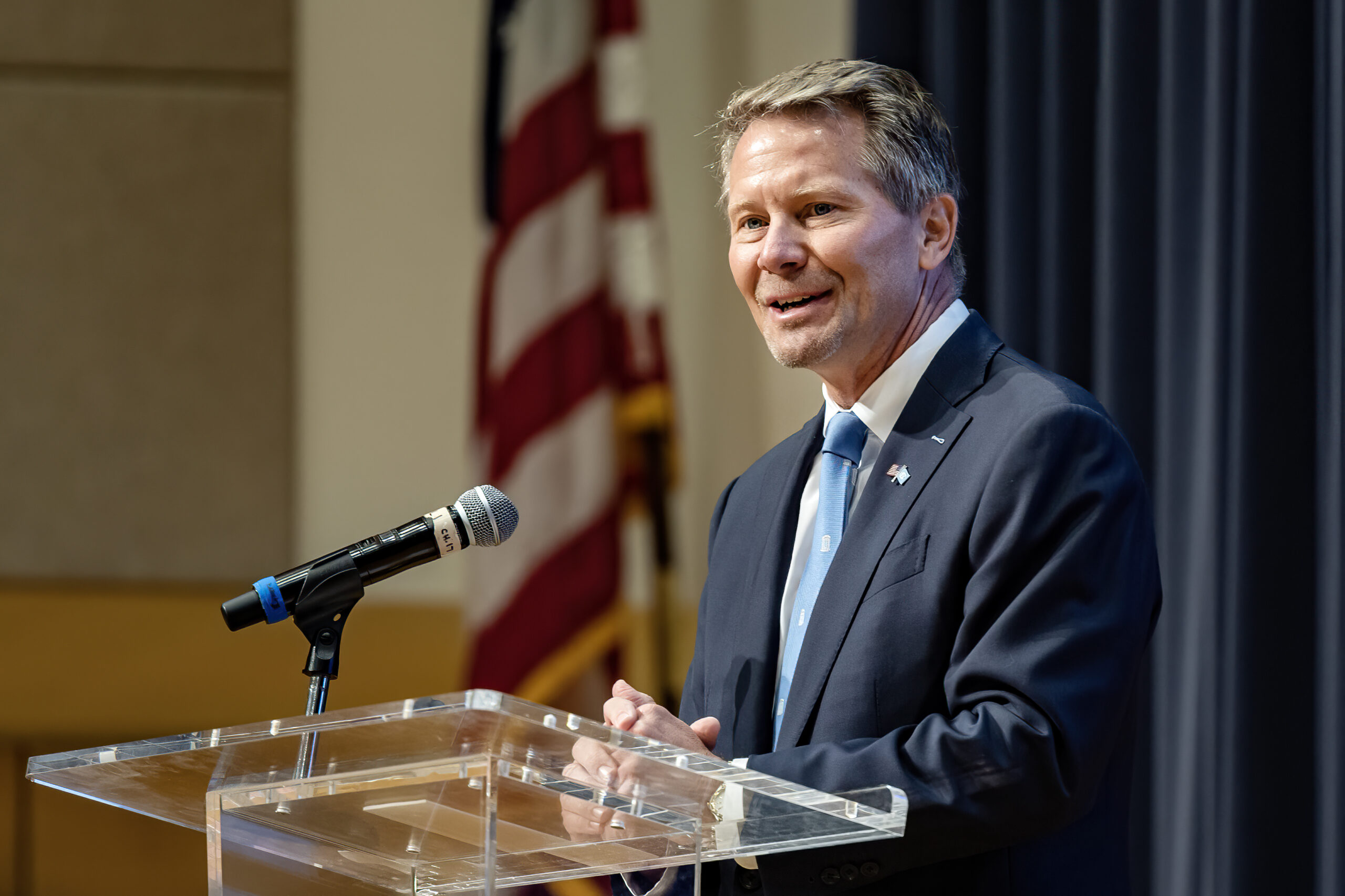
Former UNC Chancellor Kevin Guskiewicz Elected President of Clemson UniversityKevin Guskiewicz, who served as the chancellor of UNC for nearly five years before departing for Michigan State University in 2024, has been elected as the next president of Clemson University. Clemson announced Guskiewicz’s appointment Wednesday. Today, we welcome Kevin M. Guskiewicz, Ph.D., as the next president of Clemson University. Together, we will continue advancing […]
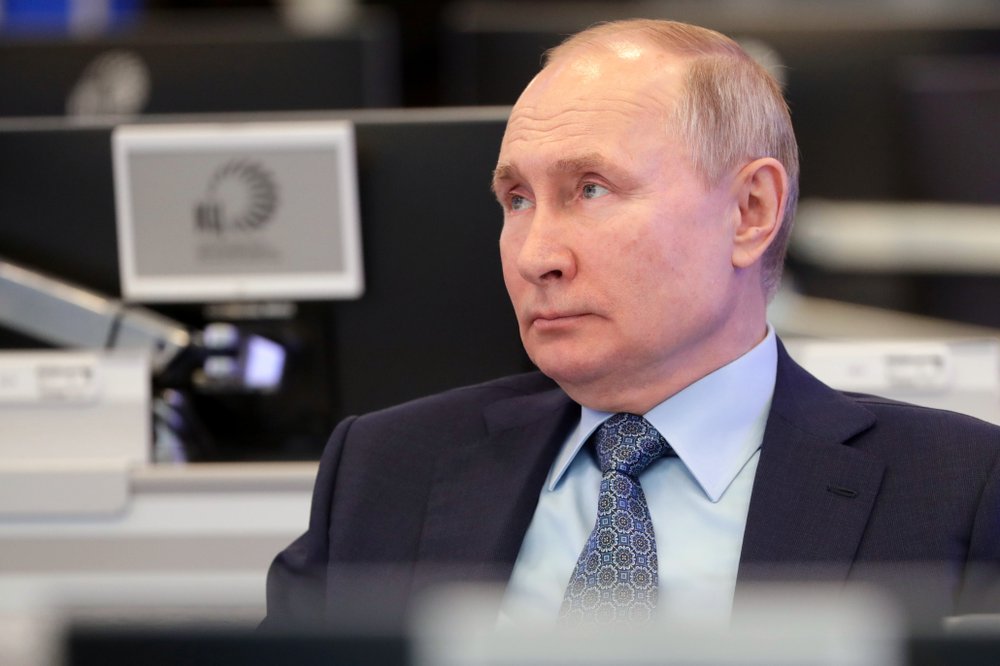
Russia Holds Massive Drills of its Nuclear Forces as Ukraine Steps Up its Drone AttacksWritten by THE ASSOCIATED PRESS MOSCOW (AP) — Russia on Tuesday began massive maneuvers of its nuclear forces featuring practice launches of nuclear-capable ballistic and cruise missiles in drills that come amid surge in Ukrainian drone strikes. The three-day exercise will involve 64,000 troops, over 200 missile launchers, more than 140 aircraft, 73 surface warships and 13 submarines, […]
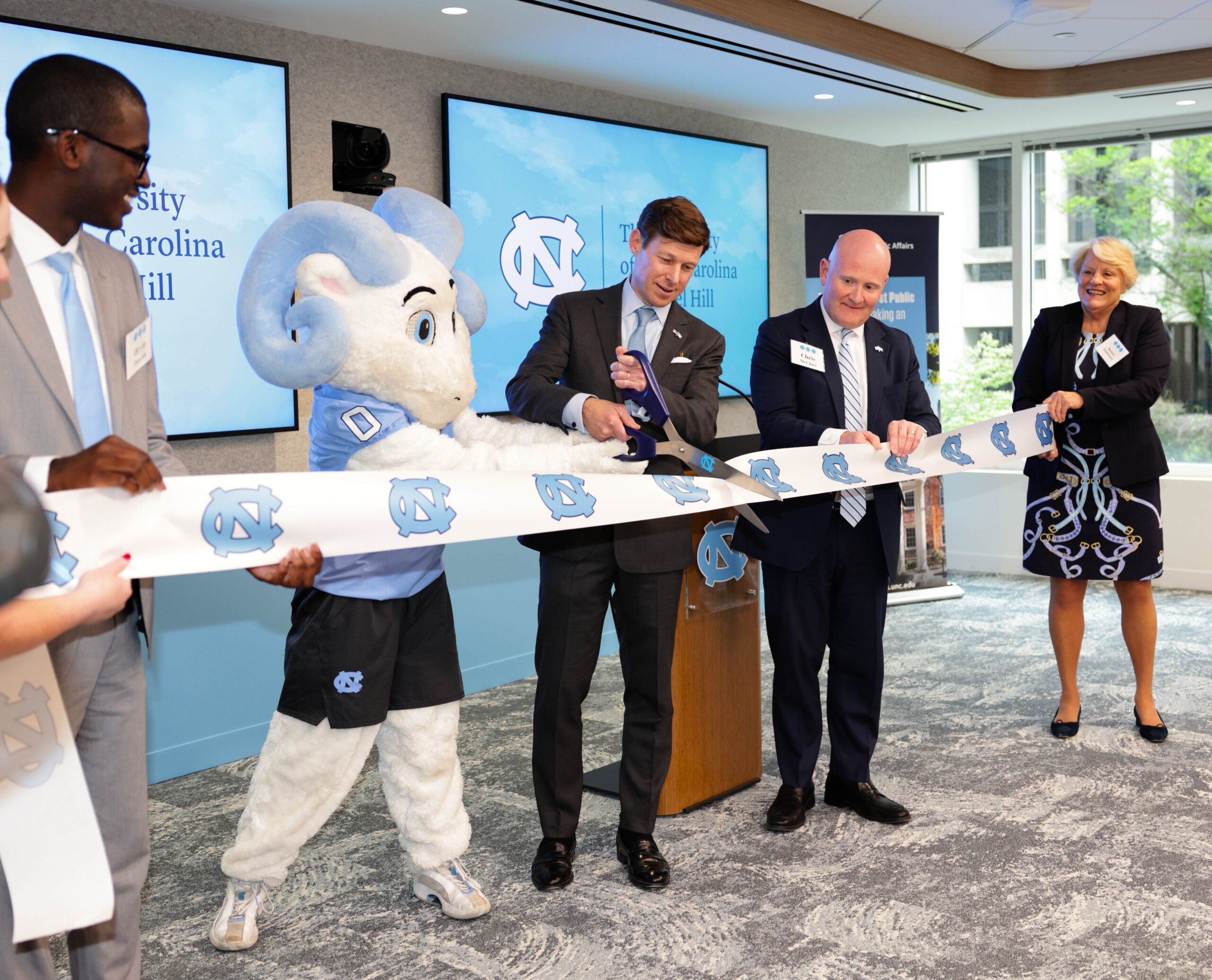
UNC Opens New Office in Washington, D.C., Touts Experiential Learning and Government RelationsUNC has officially opened a new office in Washington, D.C., which the university is dubbing "Carolina in the Capital."

Iran Offers to Reopen Strait of Hormuz if US Lifts Its Blockade and the War Ends, Officials SayIran made a proposal to end its chokehold on the Strait of Hormuz if the U.S. lifts its blockade on the country and ends the war.
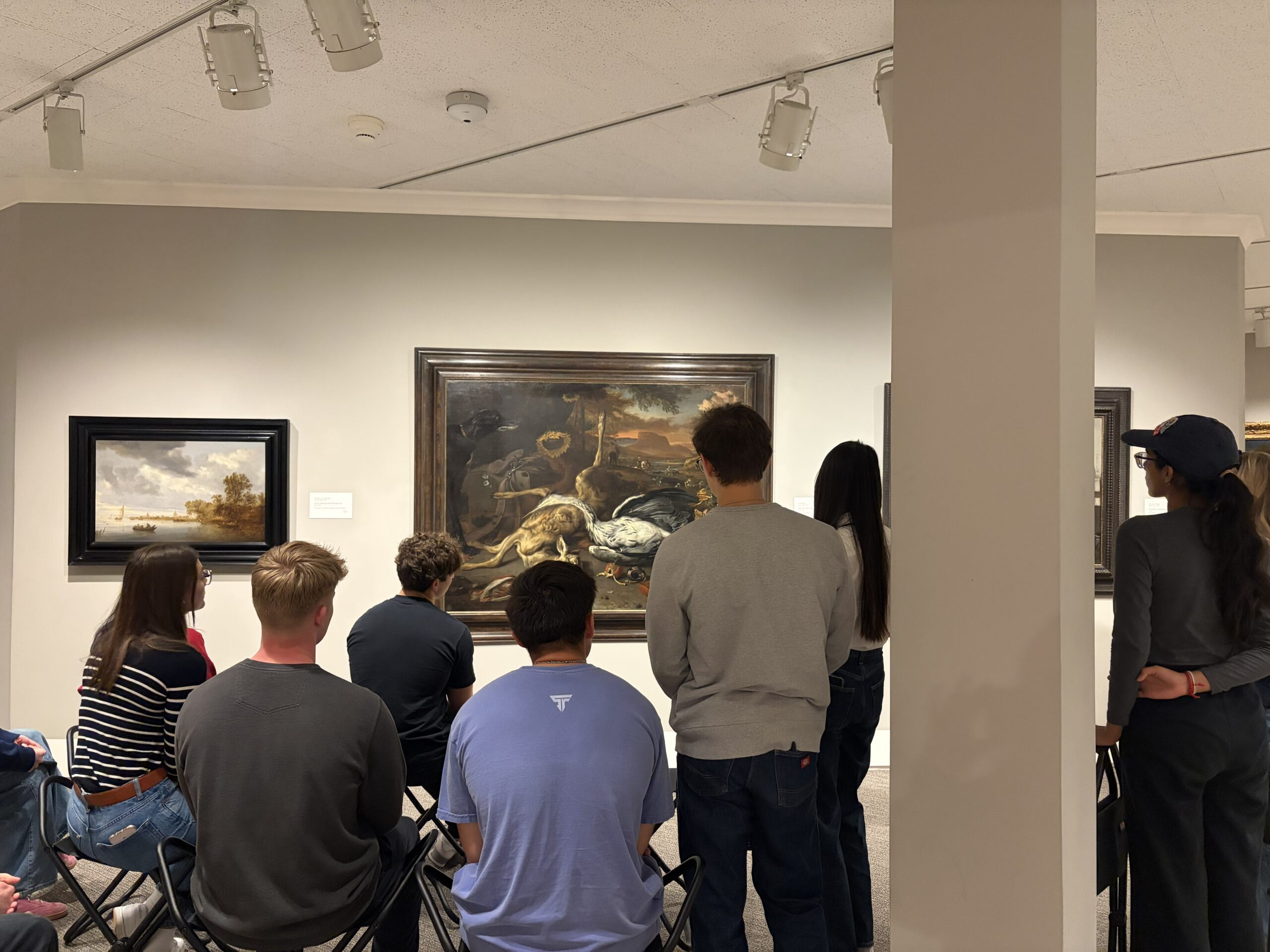
When UNC Didn't Offer a Class About the Art Market, a Student Created It HerselfThere is always an interesting class to take at UNC-Chapel Hill, but not one exclusively focused on the business side of the art world.
Election Loss for Hungarian Prime Minister Orbán Has Ripple Effects for Trump, US ConservativesThe defeat of Hungarian Prime Minister Viktor Orbán has reverberations because of how President Donald Trump embraced Orbán's approaches.
Trump Says He Has No Problem with a Russian Tanker Bringing Oil to Cuba Despite US BlockadeKremlin spokesman Dmitry Peskov said Monday that Russia had previously discussed its oil shipment to Cuba with the United States.

Israel Steps up Campaign in Lebanon, as Iran Keeps Stranglehold on ShippingWritten by DAVID RISING, BASSEM MROUE and SAMY MAGDY BEIRUT, Lebanon (AP) — The war in the Middle East raged on multiple fronts on Monday, as the U.S. and Israel pummeled military targets in Iran’s capital, Israel stepped up its campaign against Iran-backed militants in Lebanon and Iran retaliated with a drone strike that temporarily shut Dubai’s airport, a crucial hub […]
›