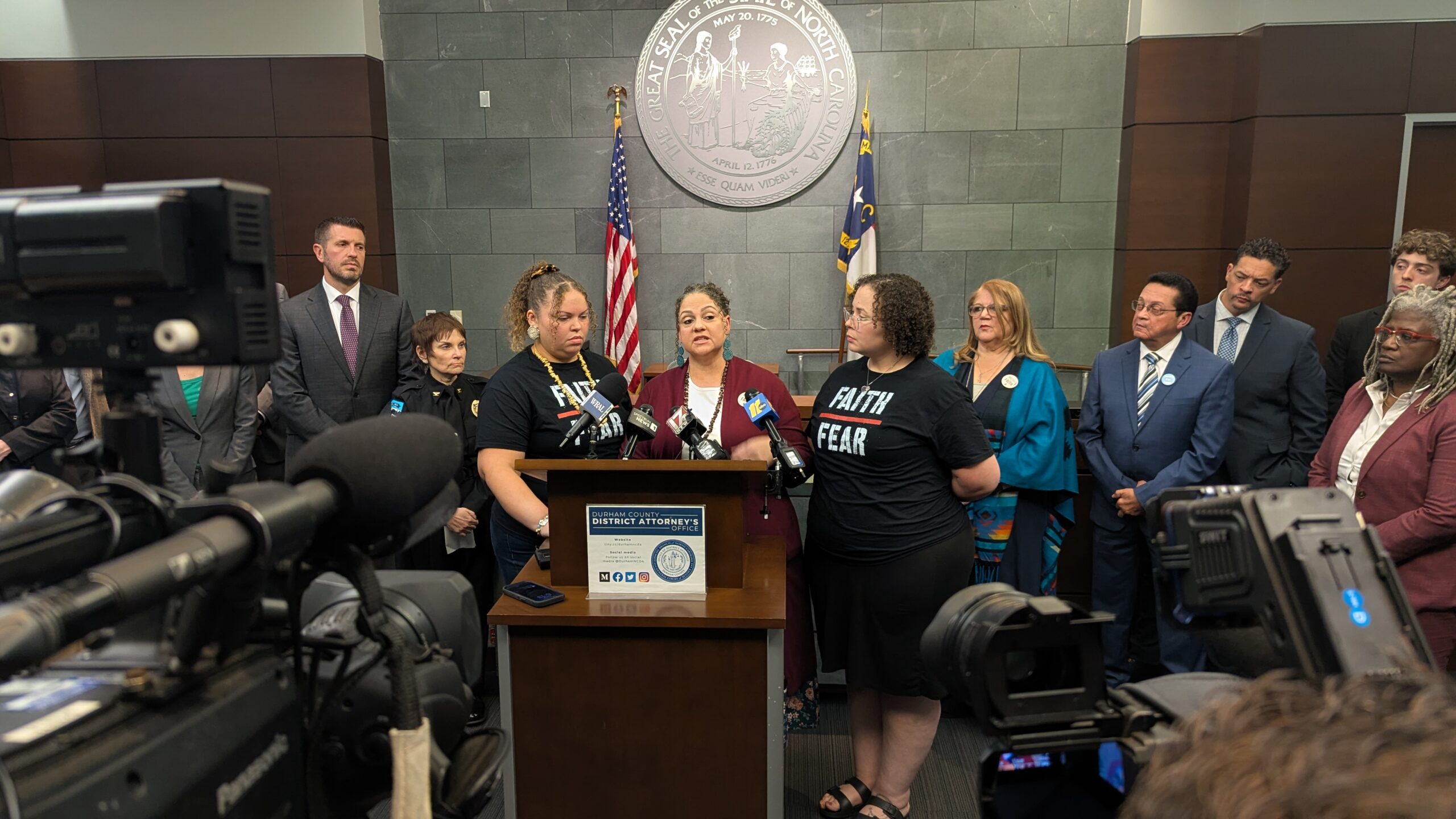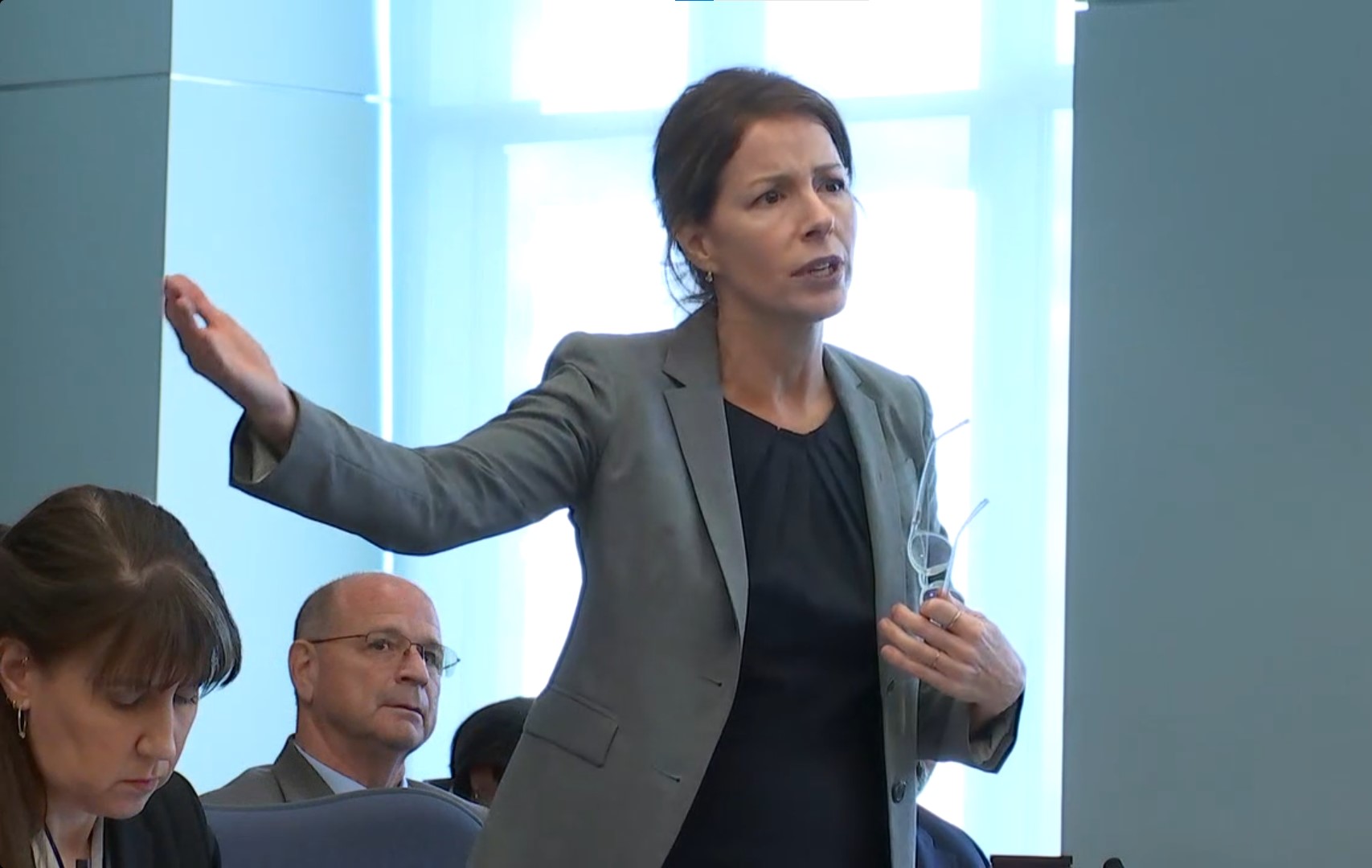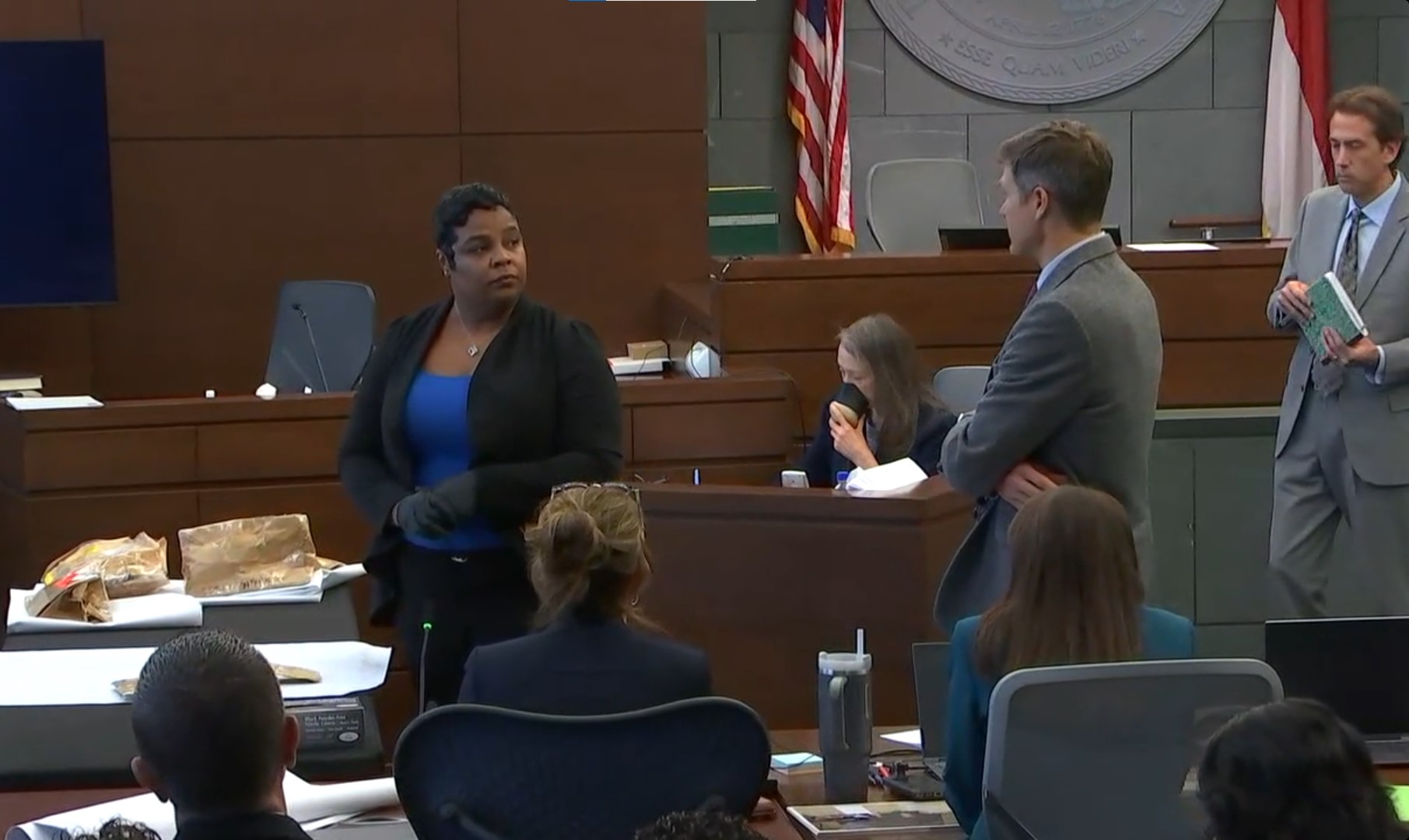
Editor’s Note: On Friday, Oct. 23, a jury found Miguel Salguero-Olivares guilty of murdering and raping UNC student Faith Hedgepeth in 2012. Chapelboro’s Henry Taylor helped cover of the trial since testimony began on Oct. 7. The night after the verdict, he returned home and gathered his thoughts and reflections on the proceedings and the nature of storytelling and truth. As a content warning, this column contains descriptions of murder and sexual assault.
Faith Hedgepeth is dead. According to the state of North Carolina, she was killed by Miguel Salguero-Olivares. According to the State of North Carolina, he raped her as well. The state does not know which order these crimes occurred in. Neither do we, and we certainly don’t know why.
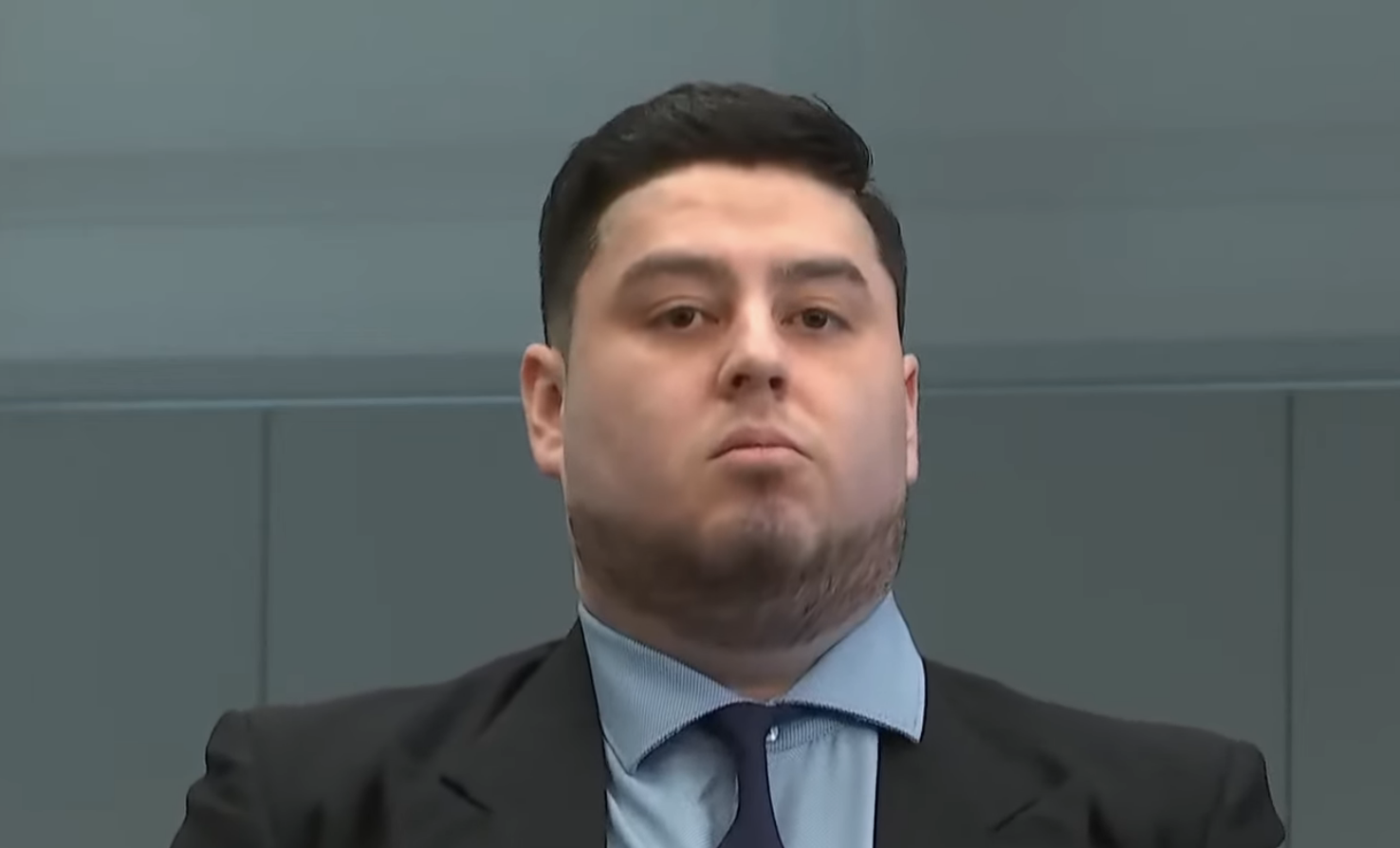
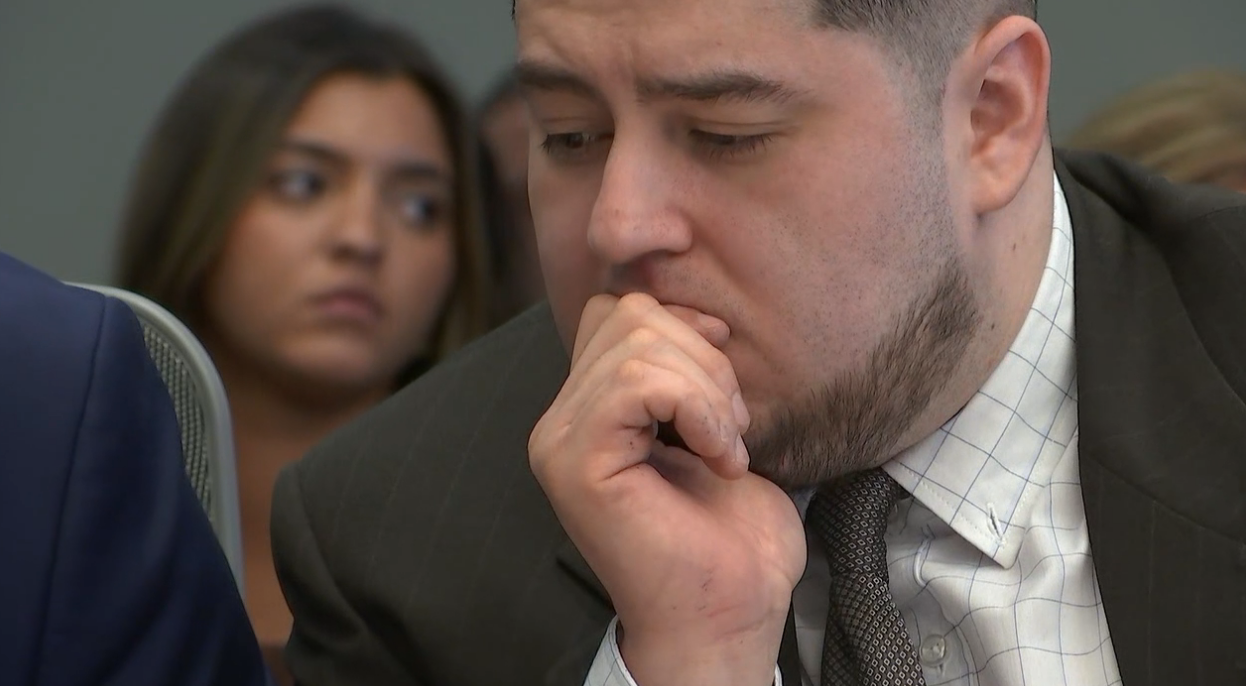
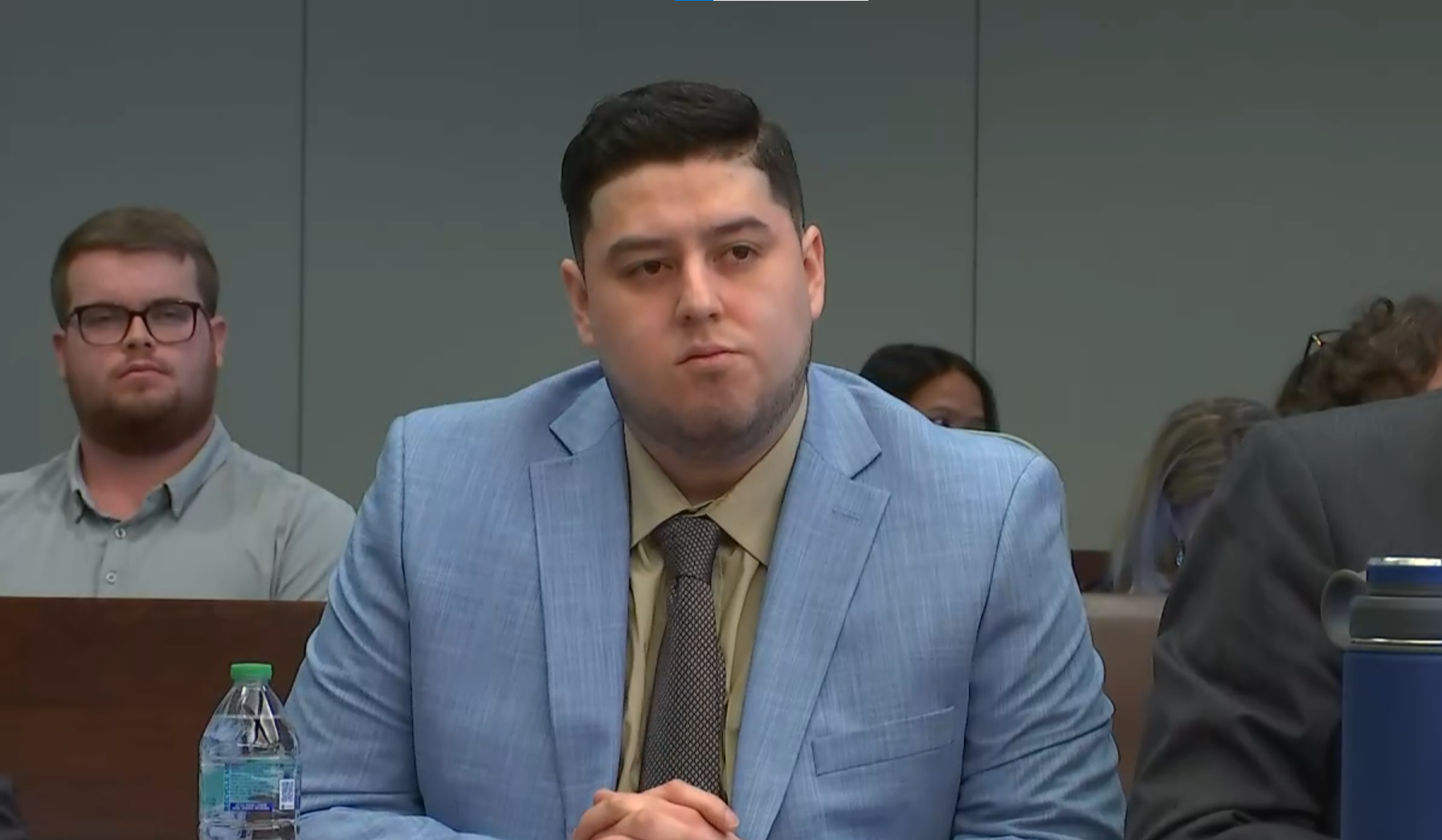
According to a jury of Miguel’s peers, he does know. According to a jury of his peers, he is responsible for her death and for her rape. He didn’t look particularly surprised when the verdict was read, at least according to me. It was as if he had steeled himself for this moment years prior, maybe before he was caught. Or maybe it took nothing to show nothing.
Faith Hedgepeth has been dead for 14 years. I’m 24-years-old, and that is the majority of my life. She was murdered when she was 19-years-old. In five years, she will have been dead as long as she was ever alive. I have already lived five years longer than she did. At the age of 24, I was tasked with covering the end of her life. Covering the trial. Covering the pursuit of truth.
Our ships crossed in the dark night leagues apart and long before my task. Half a town over I was likely asleep, or maybe not, 10-years-old watching the stars in my father’s painting of my family squirm like bugs in the dim light of my room, or not. Either way I was unaware that half a town over she was dying. Half a town over she was being murdered. Half a town over she was being raped.
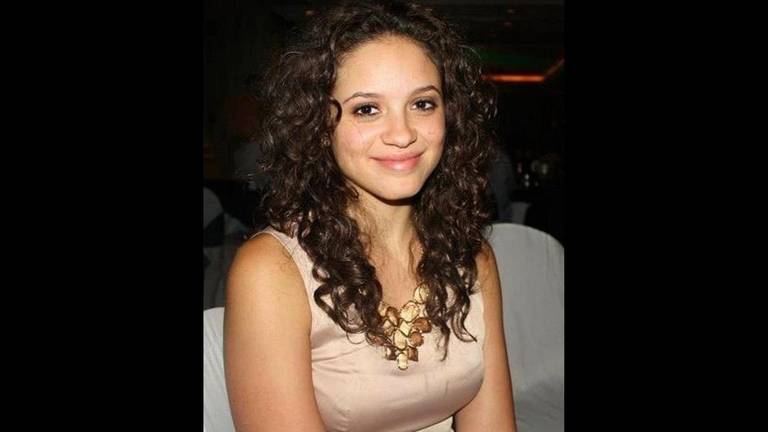
I first learned her name when I was a teenager, morbidly curious about the most heinous crimes which had taken place just miles away from where I grew up. There was her image on my screen, one of three or four or so you’ve likely seen as well. A happy young woman smiling towards the lens, unaware. Unaware of why we’d be looking at her image, learning her name.
Miguel hadn’t been caught yet when I first learned about Faith. When he was arrested a couple years later, the idea of being a journalist was just beginning to form in my head. I didn’t game it out. I didn’t know I’d be one of many writers trying to tell the story. I was already one of the untold thousands waiting and wanting to see its conclusion.
We know he did it because a jury decided he did. A jury decided he did it because the state said he did. The state said he did it because the experts said he did. The experts said he did it because his DNA matched the semen left inside of Faith Hedgepeth, matched the skin cells left on the Bacardi bottle that crushed her skull. The DNA was matched because investigators had his sample. Investigators had his sample because he had been arrested. He had been arrested because he decided to drive drunk. He drove drunk because…
We don’t know why. We don’t know why.
According to the State of North Carolina, Miguel Salguero-Olivares killed Faith Hedgepeth because he was rejected. Or insulted. Or both. He was rejected or insulted or both, presumably as Faith tried to guide her drunk roommate into their shared apartment, while he was also drunk at a cookout on the other side of the parking lot. The exchange the state says likely sealed her fate may have lasted just a moment. Her death will last forever. We’ll never know what was said, if anything at all. We only know what resulted.
That’s what the State of North Carolina says happened. Miguel’s defense attorneys didn’t lay out a narrative with a beginning, middle and end. They poked holes. Maybe that’s the best they could do. Maybe those holes were really holes. Maybe the jury has it all wrong. Maybe I have it all wrong too, because I think he did it. But to think that, I have to trust the attorneys. Trust the experts. Trust the evidence. Trust myself to tell the story. Trust is as intangible to the naked eye as DNA. We know it exists, and we have ways to measure it. But it can’t be seen. It can’t be grasped.
To cover on a murder trial is to spin a narrative spun off of narratives. Investigators pick up the pieces to make sense of them. Defense attorneys arrange them in the way that best serves their client. Prosecutors arrange them in a way that will get a conviction. Reporters pick up the pieces from both sides and present both arrangements with the hope that the truth exists somewhere at the center of it all.
There are a thousand filters between myself and the fleeting truth. A thousand ways the story feeding on that truth could be told. A thousand people trying to tell it best. I feel as if I’m orbiting something black in the void. It is there. It is both an absence and a presence, and it has gravity. The only way to make sense of it is to evaluate everything closer to it than I am, so that I can relay that information to those further away than me. An awful game of telephone is the best we’ve got.
Faith Hedgepeth is dead, and Miguel Salguero-Olivares will spend the rest of his life in prison. Catharsis is an end, and catharsis is an answer. We have an end, but we don’t have an answer.
I don’t know why. I don’t know why.
Featured images via the Hedgepeth Family and the courthouse press pool.
Chapelboro.com does not charge subscription fees, and you can directly support our efforts in local journalism here. Want more of what you see on Chapelboro? Let us bring free local news and community information to you by signing up for our newsletter.