I previously published a column called “Your Mother the Plant” in which I discussed the nearly identical structures of chlorophyll, which absorbs carbon dioxide for plants, and hemoglobin, which absorbs oxygen for animals like humans. This striking similarity is an echo of the time long, long ago before the evolutionary divergence of plants and animals. Hence the reference to plants being the mother of humanity. Following this same line of reason, as I discuss below, if your mother is a plant then your sister is a mushroom.
Fungi, which include yeasts, molds, and mushrooms, are everywhere. It’s estimated that there are approximately 1.5 millions species of fungi on earth and they live almost everywhere, including extreme environments such as the Arctic, undersea vents, and deserts. If you follow the evolutionary tree of life, plants broke off from the stem prior to the division between animals and fungi. As a result, fungi and animals share a number of key traits. Fungi breathe in oxygen and exhale carbon dioxide. They get their energy by consuming food rather than through photosynthesis. Furthermore, just like humans, they are susceptible to infection by bacteria and viruses.
Fungi migrated from the oceans to the land approximately a billion years ago. Since then they have been busily producing our soil by decomposing organic material and dissolving rocks. The dissolution of rocks by fungi transforms minerals such as iron and calcium into compounds which can be absorbed by plants and animals. The iron we get from eating broccoli has been made available to us by fungi in the soil. In addition, fungi living on the roots of plants are responsible for converting nitrogen from the air into compounds which can be used by plants as fertilizer.
Since fungi can be infected by viruses and bacteria just like we can, they also produce chemicals to ward off these germs. The most famous of these chemical compounds, penicillin, was discovered in 1928 by Alexander Fleming in a contaminated Petri dish which was not washed while he was on vacation. Other molecules produced by fungi can be either poisonous or psychotropic to humans.
Humans have long utilized fungi as foods. Yeasts are used to make beer, wine, cheese, soy sauce and other fermented products. Mushrooms, at least most of them, can be eaten and provide unique health benefits.
I hope that this discussion of the similarity of between mushrooms and people and the unique properties of fungi will have sufficiently whet your appetite such that you come back for Part II next week, when I discuss the fungi of the future.
Have a comment or question? Use the interface below or send me an email to commonscience@chapelboro.com.
Related Stories
‹
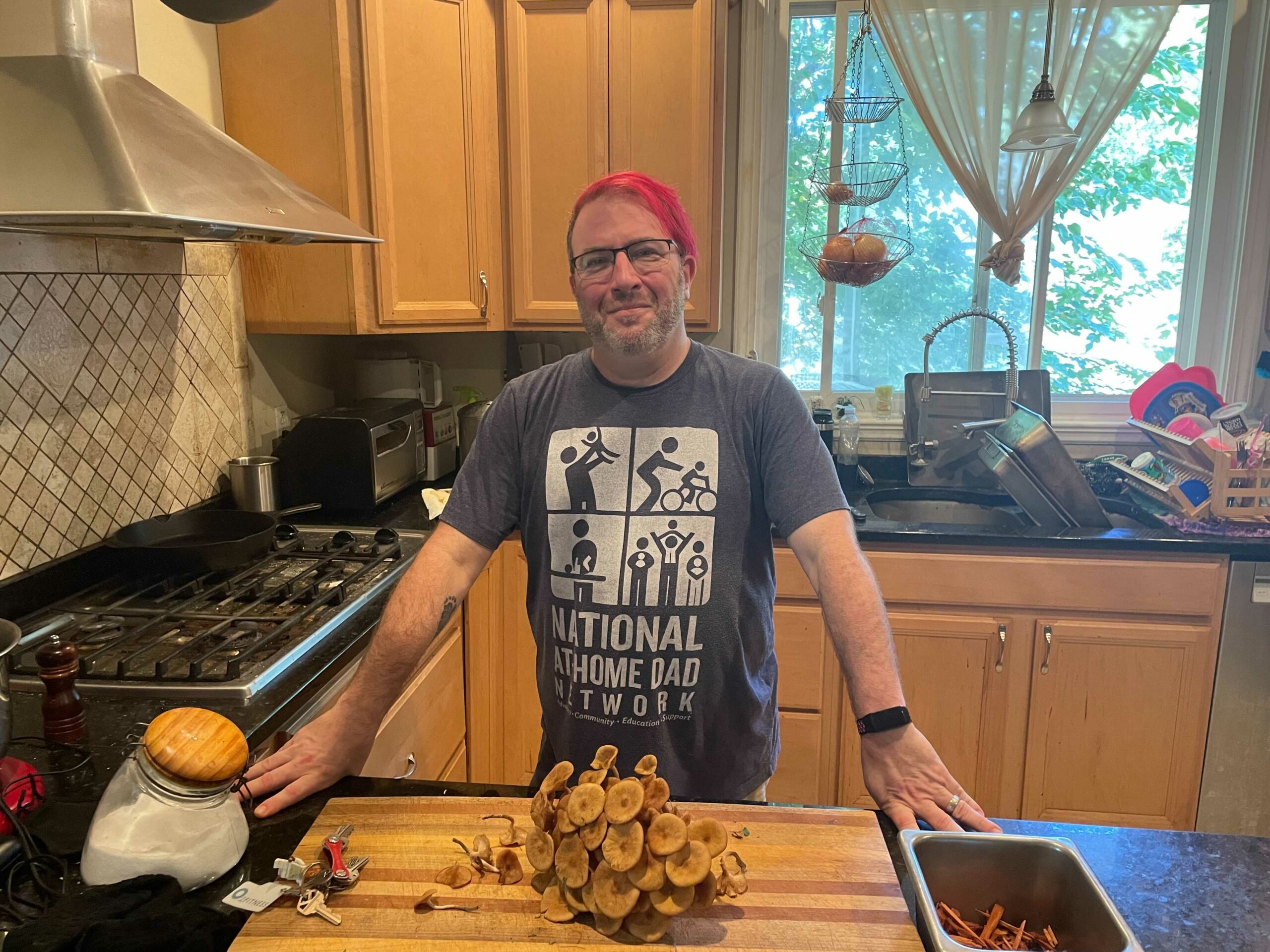
Local Foragers Find a New Fungi HobbyWhile some were holed up in their homes in the early months of the COVID-19 pandemic, others took this as an opportunity to get outside. Some people started foraging for mushrooms – even including them in family dinners.

On the Porch: Emily Thompson - Farming & CommunityThis Week:
Emily Thompson has been a vendor with The Pittsboro Farmers Market since 2021. She has served as the farmer market board president for the last two years and has started a new 2 year term. Emily owns and runs her farm, Heart Song Farm, located between Siler City and Pittsboro. She's known for her large varieties of peppers, flowers, produce, and value added products like seasonings, herbal teas, and tinctures. Emily finds farming an honor to care for her community and family. The goal is to leave the land and people better than you found them.
![]()
Darwin in a Lab: Coral Evolution Tweaked for Global WarmingWritten by CALEB JONES On a moonless summer night in Hawaii, krill, fish and crabs swirl through a beam of light as two researchers peer into the water above a vibrant reef. Minutes later, like clockwork, they see eggs and sperm from spawning coral drifting past their boat. They scoop up the fishy-smelling blobs and […]
![]()
Cats, Man's Second Best FriendMy inspirations for topics come from many sources: news articles, conversations, questions from readers, long-held passions, and occasionally random thoughts. This is a random thought week. For some reason, it occurred to me that I don’t know the history of the domestication of cats. I’m not sure why I thought about that. I don’t have […]
![]()
Missing Microbes Part I: A PartnershipThis is the beginning of a four-part series about the most interesting and troubling book I have read in many years, perhaps ever. I am hopeful that reading these columns will inspire you to do two specific things: ask different questions of your doctors, and share these columns with your friends and family. The book […]
![]()
Common Science: Fungi of the FutureLast week in Part I of this series, I discussed some of the unique properties of fungi – yeasts, molds, and mushrooms. This week, I’ll explain why you will be hearing more and more about fungi in the future, particularly in the areas of agriculture and environmental remediation. Fungi play several critical roles in food […]
![]()
It's Not Obdurate Stupidity (Response to "Common Science")This T.W.O. Cents Column is in response to“It’s a Theory That’s Out There” – from Common Science, by Jeff Danner. You ask what people, and especially politicians, mean when they say “no” to science, and particularly evolution. I believe it is because people compartmentalize their understanding. Science is perceived to be the first step toward engineering, […]
›