Major League Baseball has finally come to its senses.
After 13 years of what became a farce, Major League Baseball has abandoned the Bud Selig rule that the All-Star game would determine home-field advantage in that season’s World Series. It was implemented after the 2002 All-Star game ended in a tie with no bench players or relief pitchers left on either team.
Selig, the former commissioner, wanted to make the All-Star game count for something, so he forced the rule change of it deciding which league would play four home games at home in the World Series. Bad idea for several reasons.
One, it happened more times than not that the World Series team with the worse won-lost record had the home field. Two, it did not make the All-Stars play any harder, because most of them were on teams that weren’t going to the Fall Classic anyway. And three, the TV ratings continued to plummet, so the marketing phrase “This Time It Counts” had no gravitas.
All-Star managers could not take the game seriously as long as fans picked most of the players in a popularity vote. Remember when Kansas City zealots united to stuff the ballot box and almost resulted in eight Royals starting for the American League, when some of their favorite players did not even deserve to be on the All-Star team?
Before Selig changed the rule, the home field alternated each year between the American and National League representatives, regardless of which had the better won-lost record. That was more for convenience so teams in contention could prepare, no matter their final winning percentage, to open the Series at home or on the road. That made it easier to ready ball parks and print tickets.
In this day and age of technology, no team needs that much preparation, and the only fair way to decide home field advantage just like the playoffs determine where each series begins . . . by who has the better record. Now, the World Series will use the same simple formula. Among the two teams that make it, the one with the higher winning percentage will have the home field to start. Period.
Podcast: Play in new window | Download
Subscribe:
Related Stories
‹
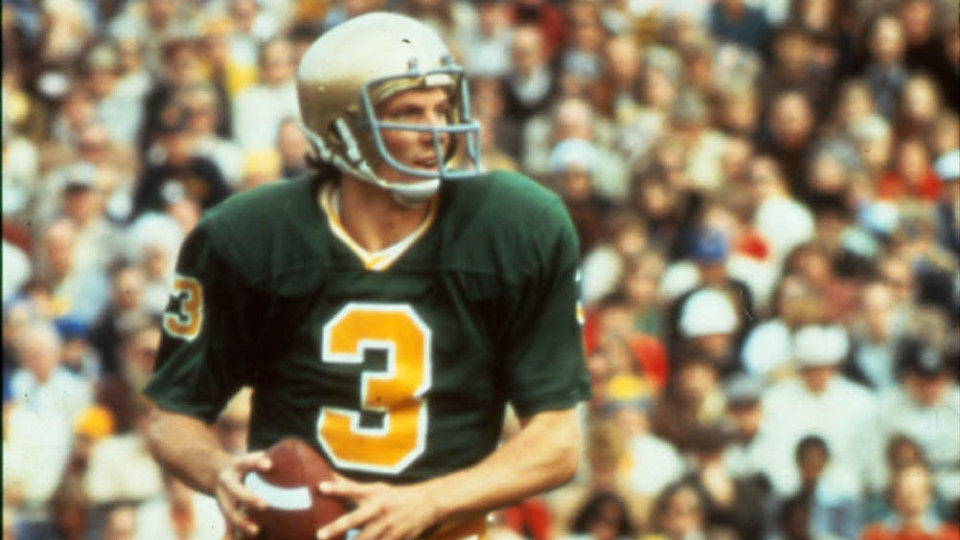
Chansky's Notebook: 'No. 3, Get in the Game'Of the 23 football games Notre Dame and Carolina have played over the years, there is nothing that matches 1975, when an unknown quarterback came off the bench to save the Irish from what would have been an embarrassing upset in Kenan Stadium. I was covering for the Durham Morning Herald and wanted to watch […]

Chansky's Notebook: Hurricane HappinessWith the potential for rain Saturday when UNC hosts No. 3 Notre Dame, Art Chansky remembers a rain-aided upset win for the Tar Heels.
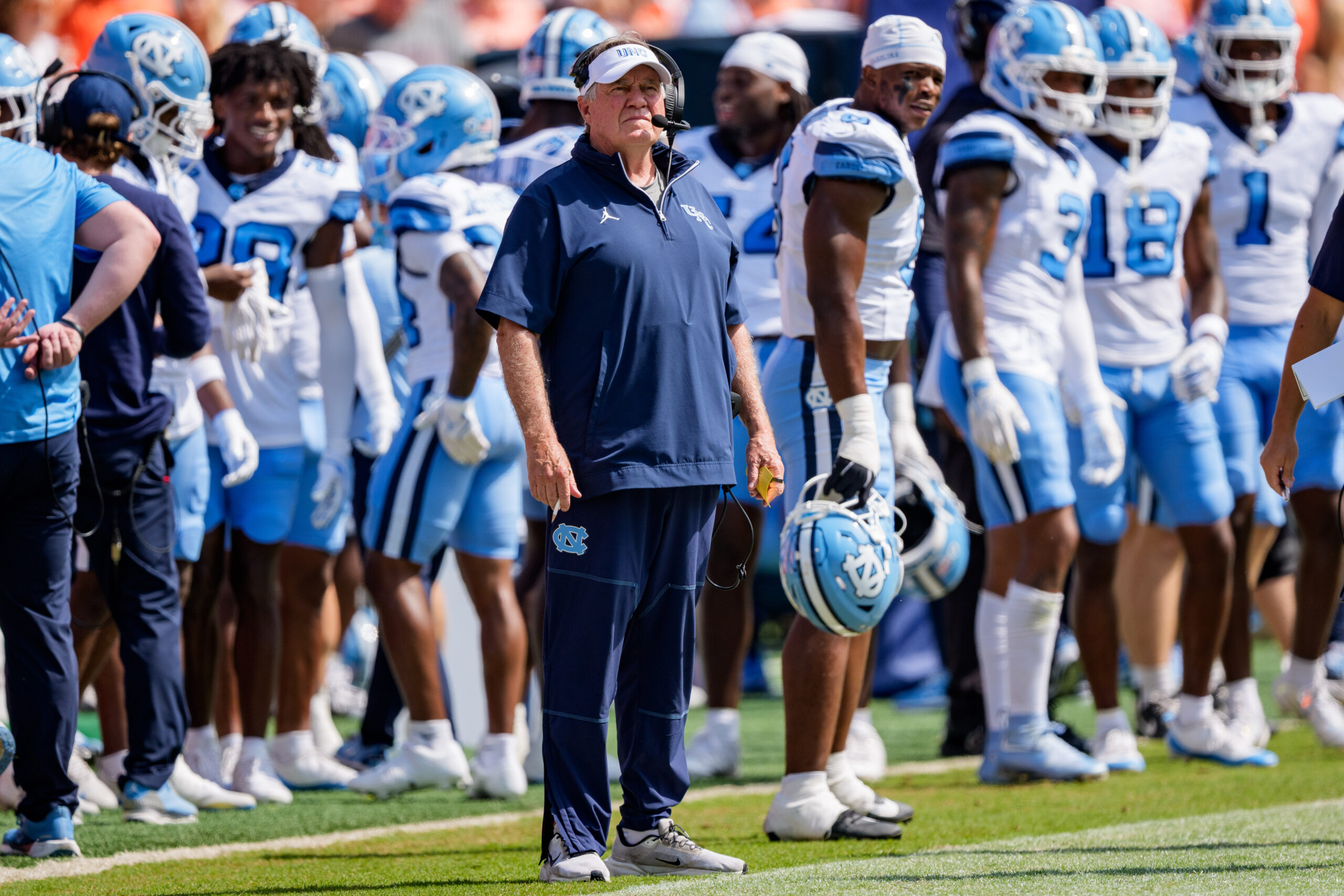
Chansky's Notebook: Snap DecisionsArt Chansky says it may be time for Bill Belichick and UNC to make a change at the quarterback position following Saturday's loss at Clemson.

Chansky's Notebook: Maye's MissionWith an upgraded receiver room and a massive target on his back, Drake Maye is poised for a hugely important 2026 campaign.
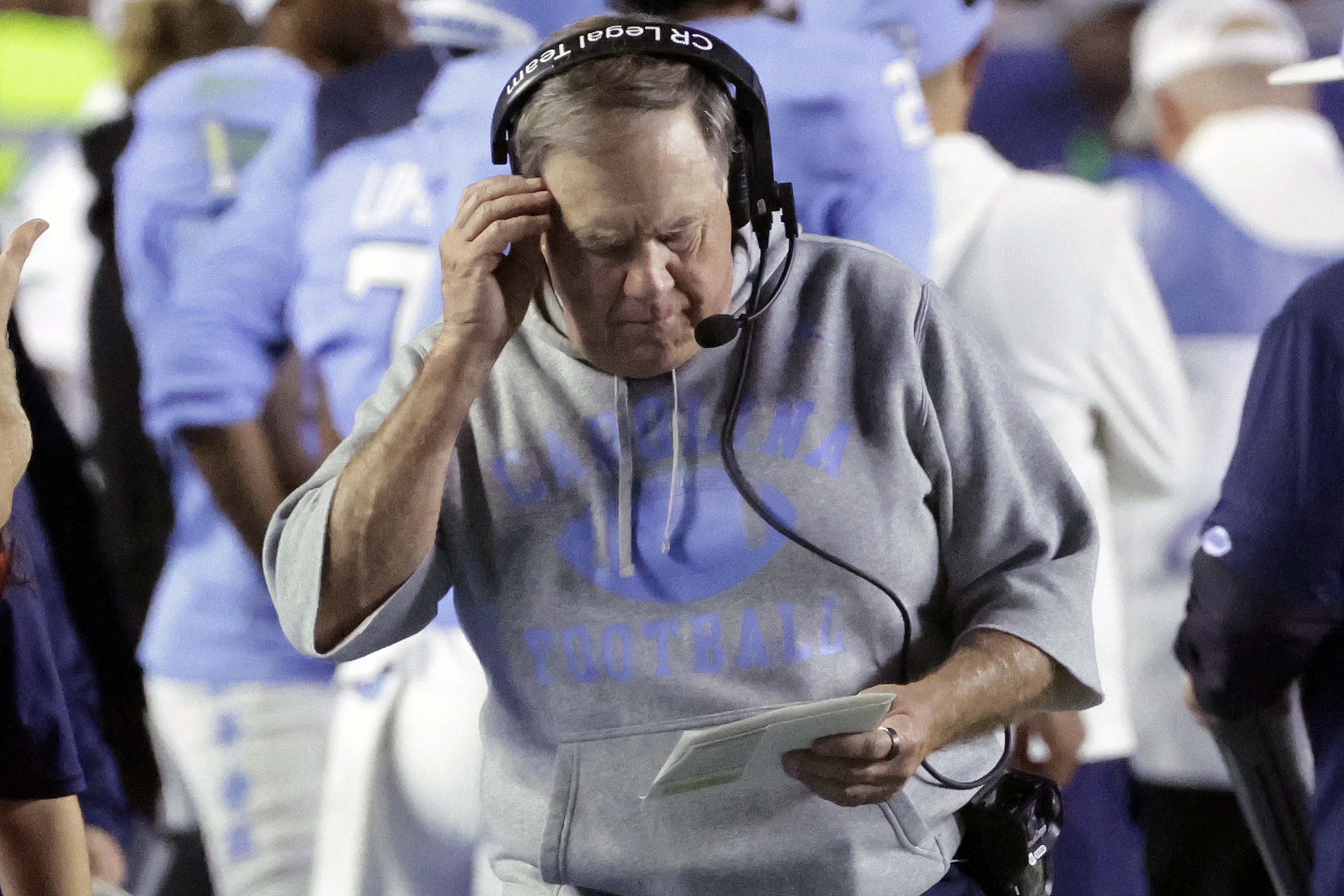
Chansky's Notebook: Fool Me Once...Little Kool-Aid will be consumed by Carolina fans before the noon kickoff from Dublin. Fool me once but not again. It is a great trip to Ireland for the Tar Heels fans who bought the plane tickets and hotel rooms to tour the Emerald Isle and see if their team is any better than Bill […]
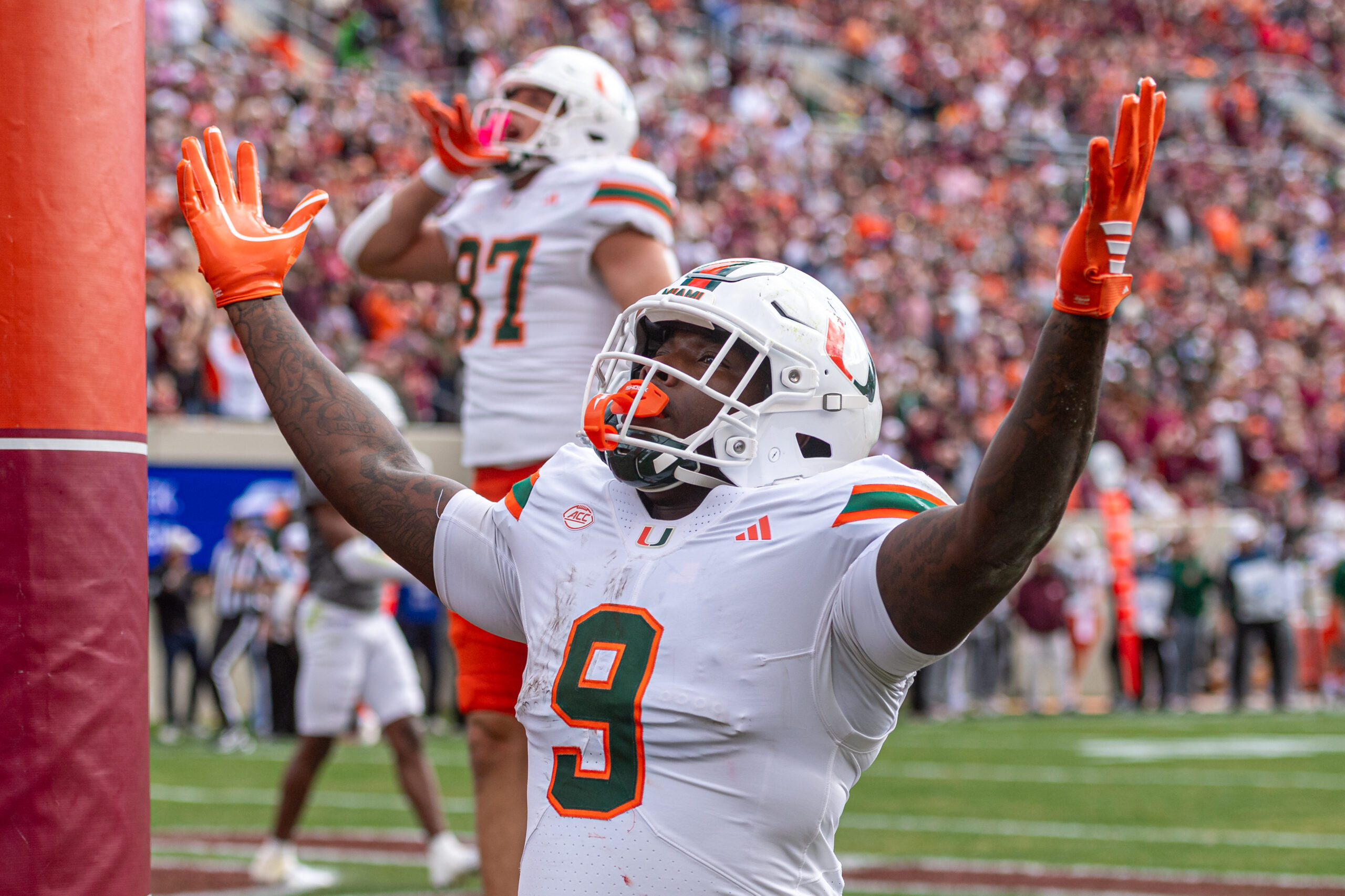
Chansky's Notebook: Getting Filthy Rich-erThere are seven teams with $40 million plus rosters and five others just behind the tally from college football as the 2026 season begins. The SEC leads payrolls (LSU, Texas, Texas A&M, Georgia, Ole Miss and Tennessee), with four from the Big Ten (Ohio State, Oregon, Michigan and USC), one from the ACC (Miami) and […]
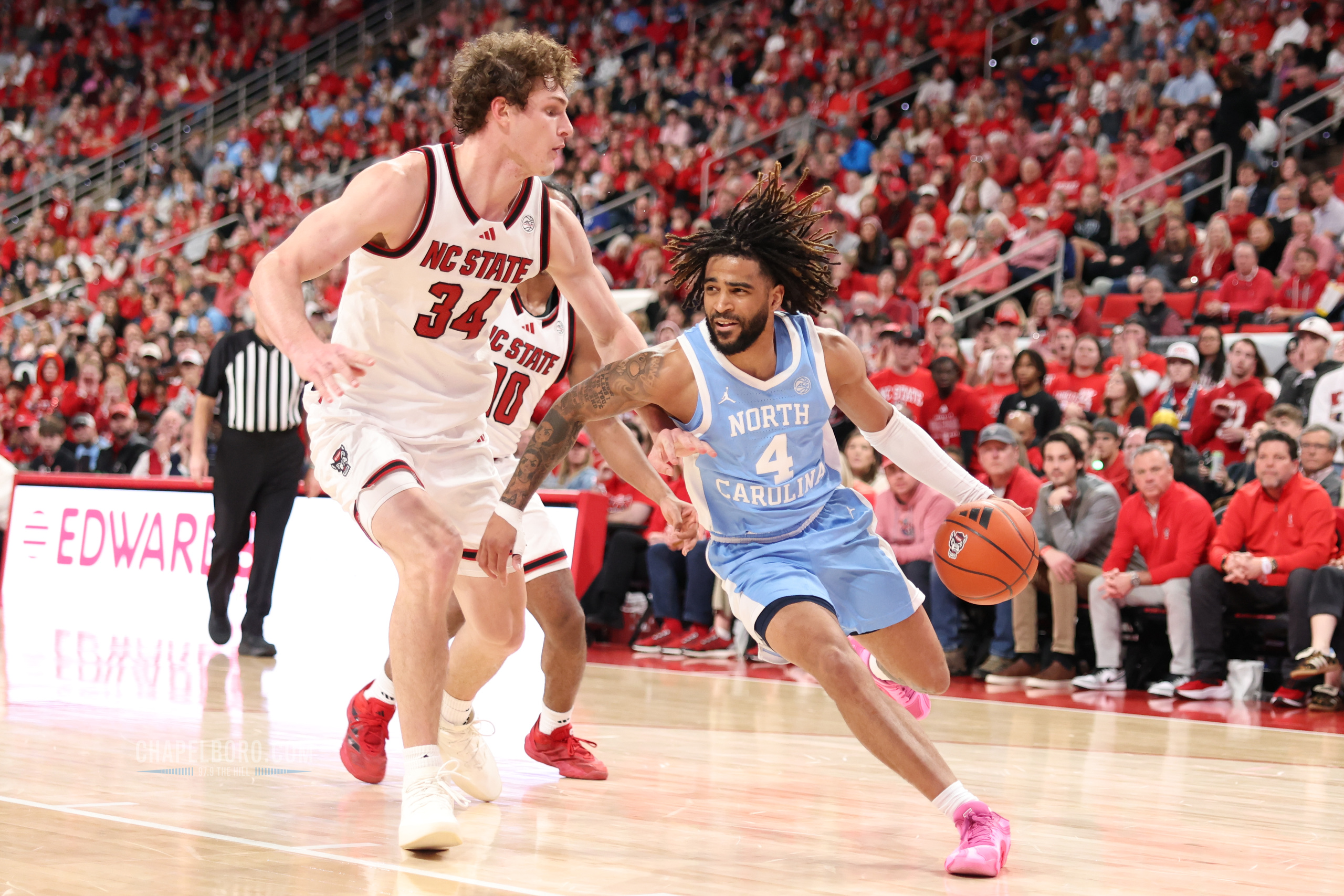
Chansky's Notebook: Power to the People!Wednesday's announcement of a two-year, two-game series between UNC and NC State in Greensboro sent a clear message.

Chansky's Notebook: The Five StagesChapelboro's Michael Koh breaks down the stunning news of Seth Trimble's commitment to Louisville via the transfer portal.
Chansky's Notebook: Carolina ConundrumThere is no question Mike Lombardi will lose his job as football general manager and leave Chapel Hill, writes Art Chansky.
Chansky's Notebook: The One Who Got AwayMack Brown was a very good football coach. His father was a high school coach in Tennessee, and his older brother Watson preceded him into mid-major positions. The peripatetic Brown held nine assistant jobs and one as a head coach in 15 years before he was 35. That included being the athletic director at Tulane […]
›