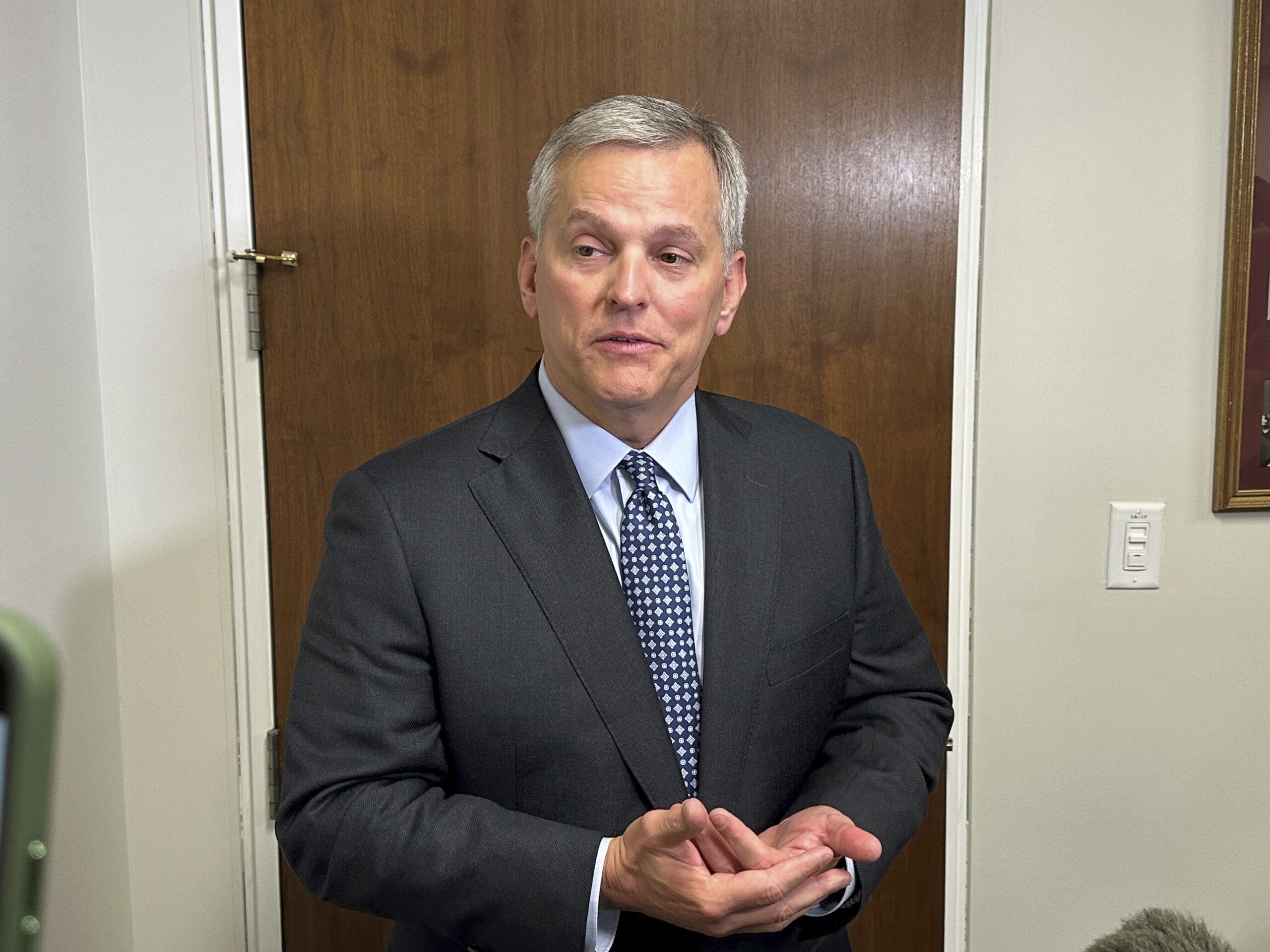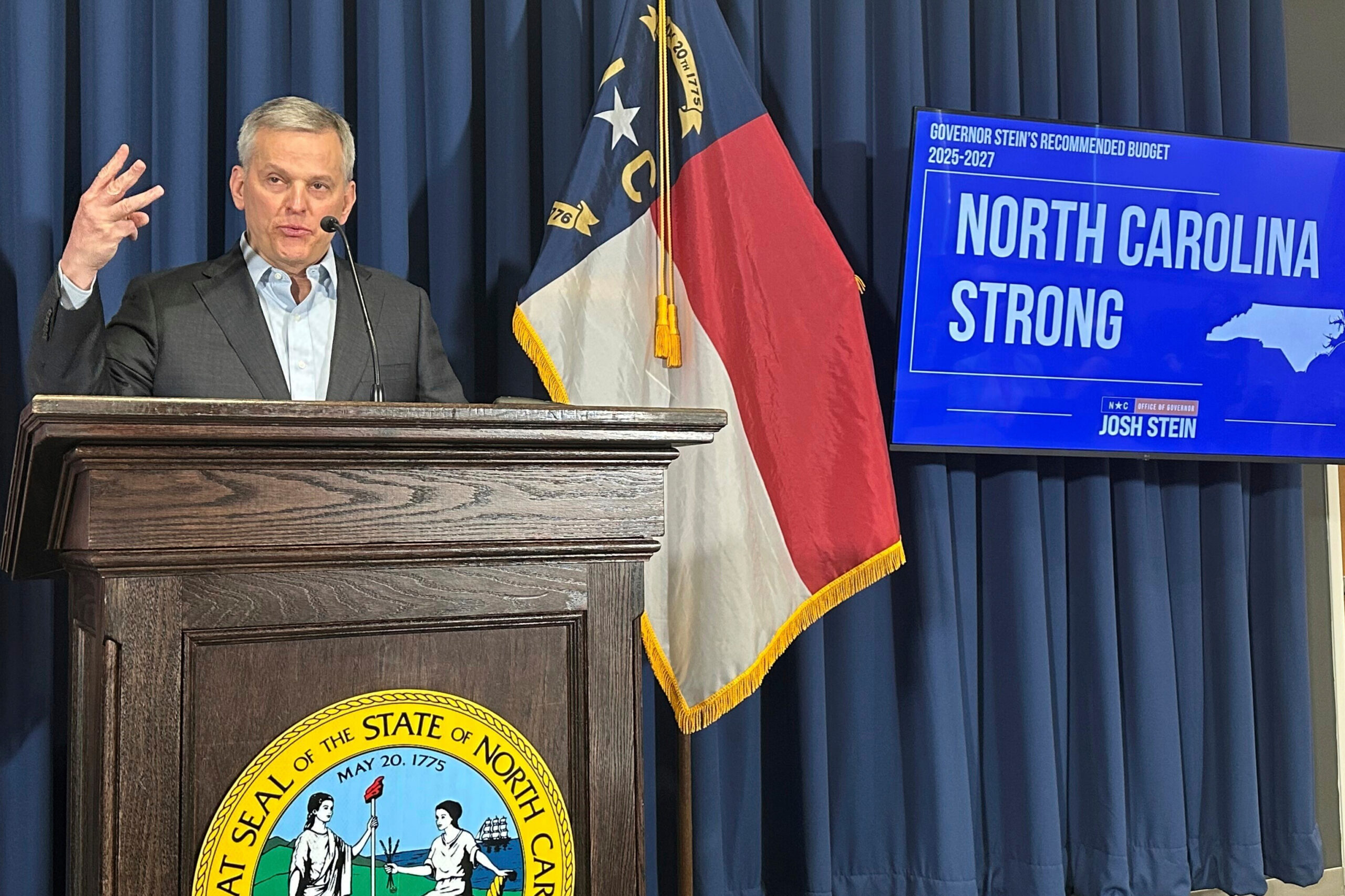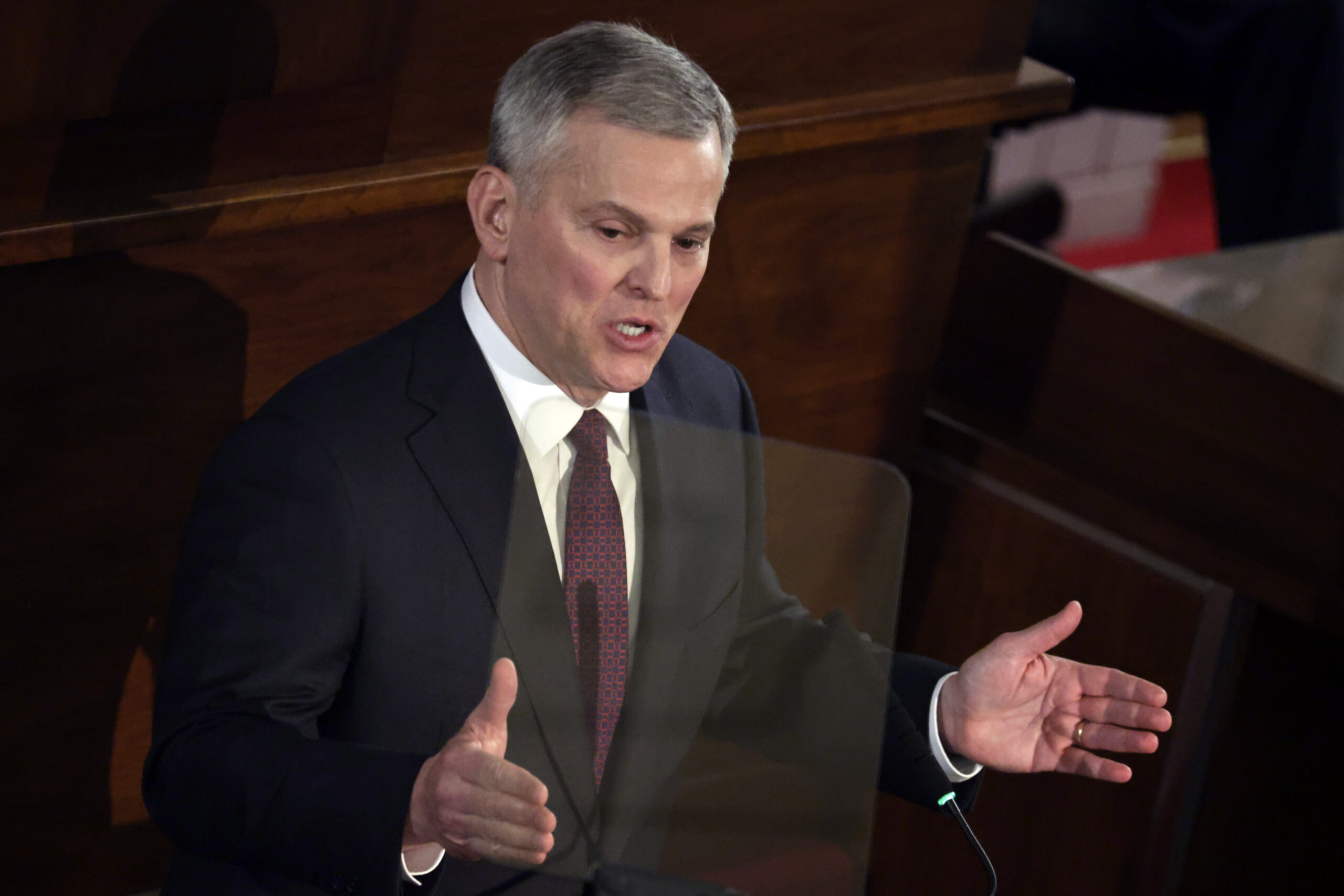

One thousand and nineteen days since the last North Carolina governor signed a comprehensive budget bill in law, Gov. Josh Stein put pen to paper and enacted a new one.
The state’s budget drought ended on Tuesday morning, as Stein took action on the $34.3 billion appropriations package passed by the North Carolina General Assembly last week — his first budget as governor, after Republican leaders’ disagreements on tax cuts and pay raises led to a stalemate that lasted longer than a year. Stein signed the bill during an event Tuesday morning at the executive mansion in Raleigh standing alongside public school representatives, law enforcement leaders, and medical professionals who were there to highlight the components of the package he supports.
“You all are here because you value our people,” Stein said to open his comments. “Educating them, keeping them healthy, keeping them safe, serving them. It’s about time that we as a state appropriately value you.”
Saying he believes the budget “gets a lot of things right,” the governor touted significant raises for public school teachers: the largest increase in first-year teacher pay in 50 years and the largest average increase for all teachers in at least 15, Stein said. He also pointed to significant increases in public safety officer pay (13% increase at the minimum for state law enforcement officers), including raises for state troopers large enough to raise North Carolina from 49th for pay in the country to 41st.
The governor also saw a key budget goal of more than $1 billion to update Medicaid costs included in the final package.
“Three million North Carolininas — more than a quarter of our state’s population — get their healthcare through Medicaid,” Stein said. “Unlike last year’s budget, this one fully funds the Medicaid rebates for the coming year. Three million North Carolinians and their providers are getting the peace of mind and healthcare that they deserve. This is a big win for North Carolina.”
Other highlights, as shared by Stein on Tuesday, include an additional $700 million in funding to aid relief and recovery efforts in western North Carolina communities still feeling the effects of Hurricane Helene from October 2024; $99 million for the state Community College system to aid enrollment growth and fully funds its two jobs programs; $25 million for the state’s innovation Healthy Opportunities Pilot, which helps connect rural and low-income residents to fresh food, home repair services, and transportation to medical appointments; $100 million in child care subsidies; and investments in testing and treating efforts for PFAS, or “forever chemicals” not eliminated in typical drinking water treatment.
Still, the package has several provisions that Republican lawmakers will hold up as achievements to their policy goals which the governor described as flaws. Stein specifically identified cuts to more than 1,000 state employee roles and the lack of meaningful raises to most state positions as areas where he believes the package falls short. The governor also said the budget “cruelly punishes” low-income people seeking attorney options and behavioral health resources, and he shared his disappointment of the elimination of the Office of Minority Health and Health Disparities and the Office of Historically Underutilized Businesses.
The budget also continues Republicans’ efforts to shift power away from the executive branch — won by a Democrat the last three elections — to offices currently controlled by their party peers and the General Assembly itself. Stein said he believes the package is full of “unconstitutional and petty provisions” that are “counter-productive” in their efforts to politicize the state government and undermine its efforts to run efficiently.
But Stein rationalized the design to approve the budget around the state’s needs for many of its provisions and the Republican leaders’ willingness to include his own “big ticket” items — saying he hopes the bipartisanship reflected in the compromise can be carried forward into other aspects of the legislature and state.
“When we work together across our differences and when we put our people first, we can get good things done for the people of North Carolina,” said the governor. “These investments we’re making today will move our state forward. They will point our state forward as well where we need to keep going, because we’re not there yet. The truth is, North Carolina, we’ve got a lot of catching up to do — because there have been years of chronic under-investment in state and public services.”
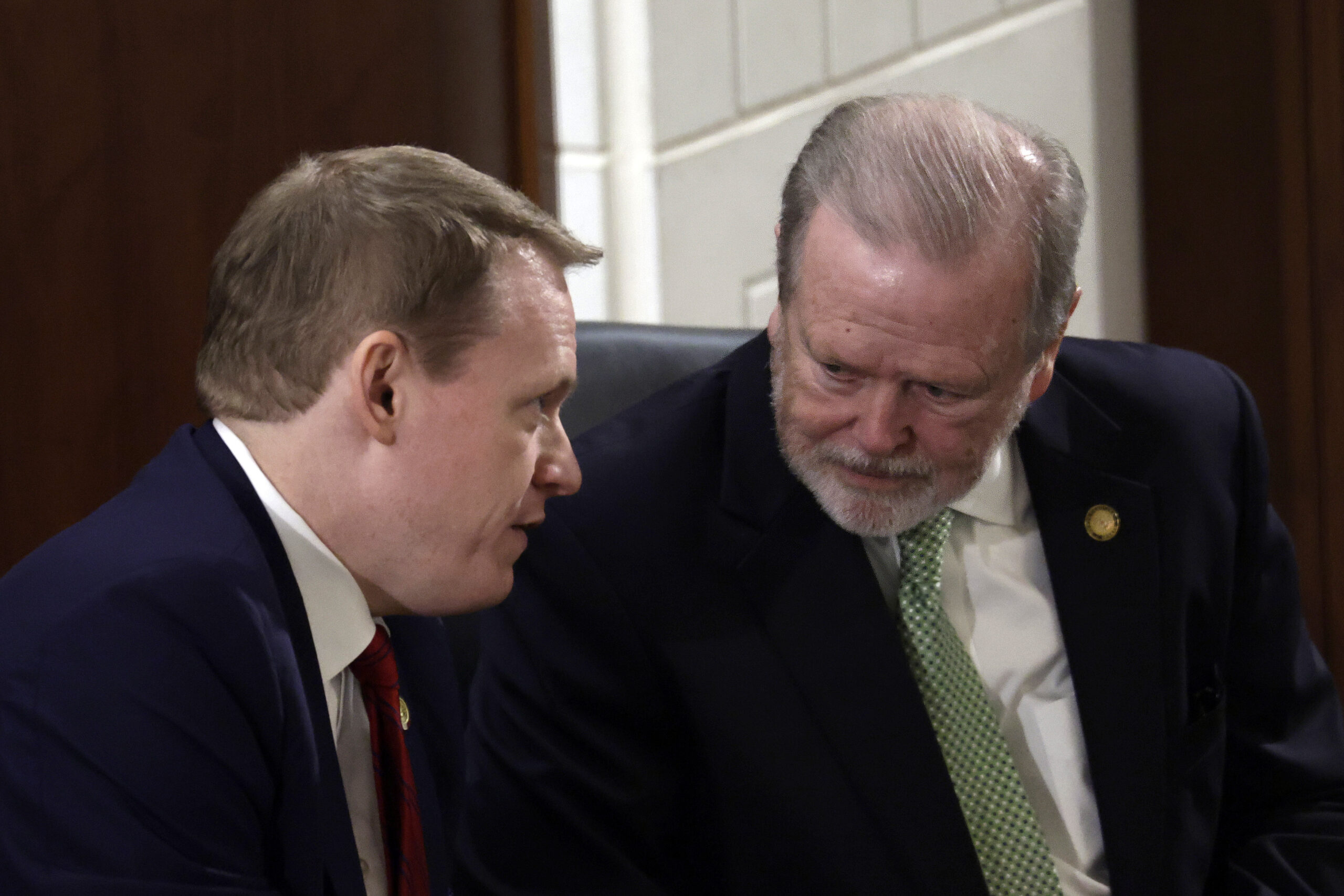
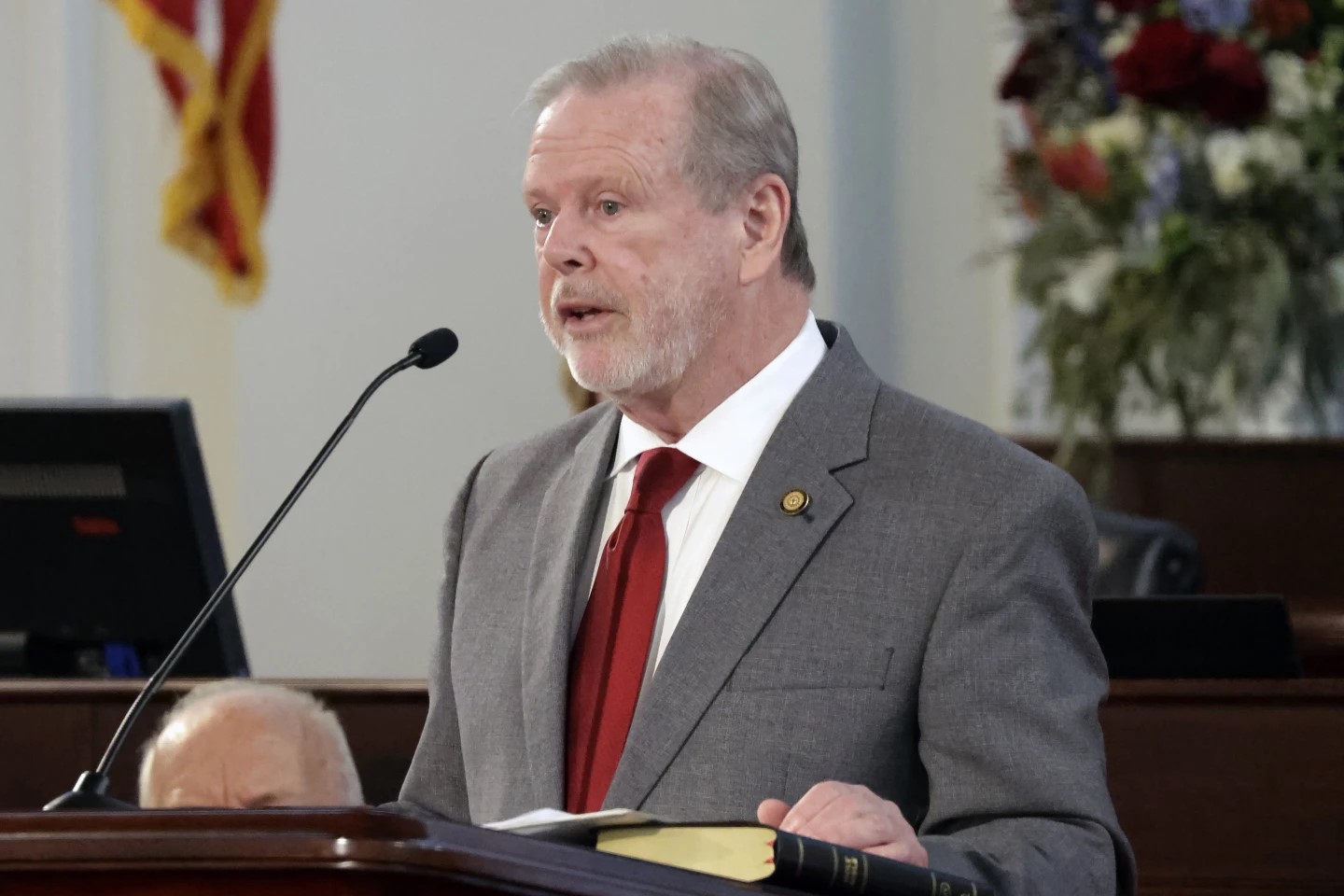
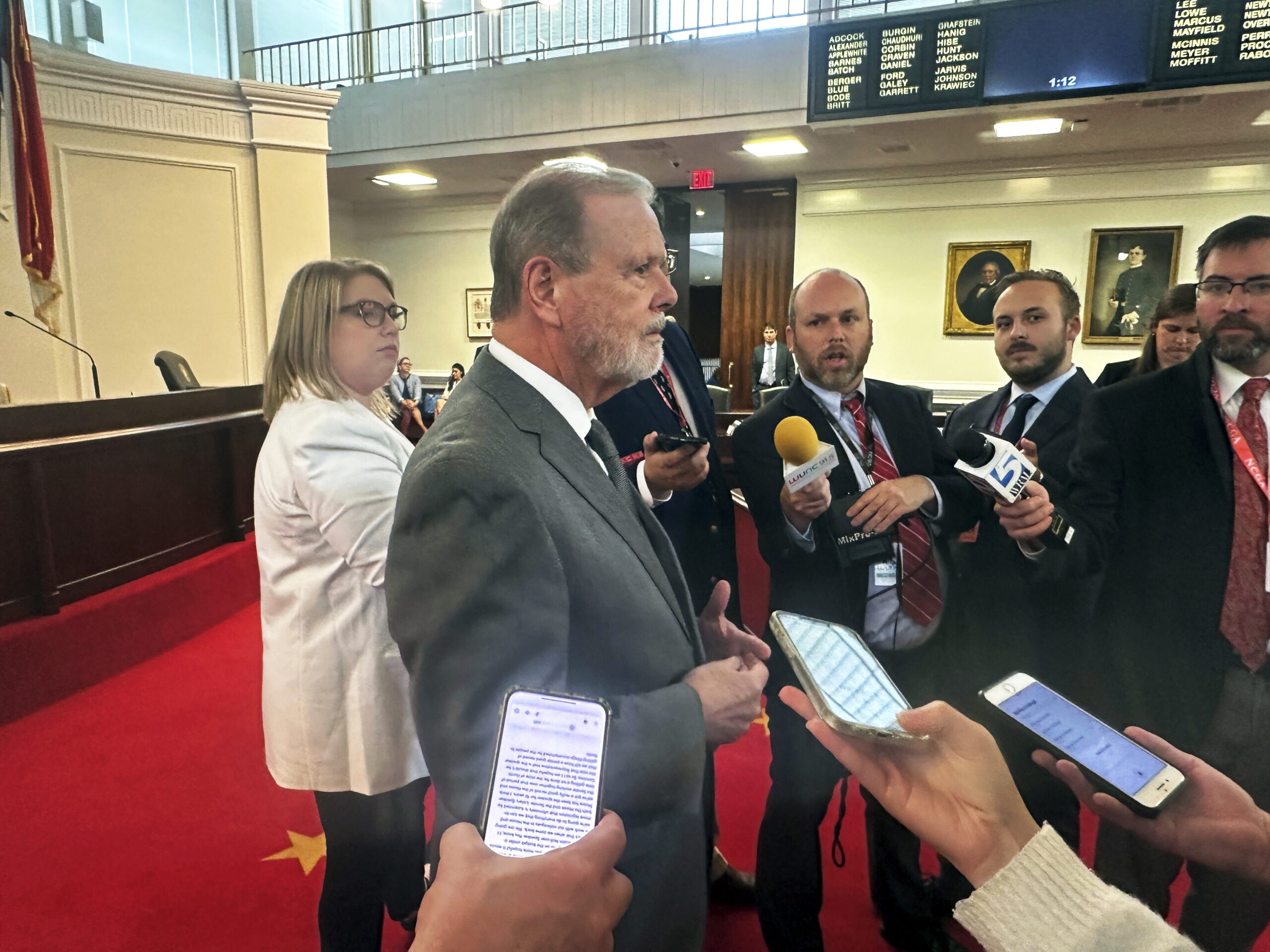
In a statement shared by his office, Senate Majority Leader Phil Berger said he was glad Stein “recognizes how vital this budget is for the people of North Carolina.”
“For over 15 years, Republicans in the General Assembly have meticulously crafted budgets to rein in the runaway spending Democrats were dependent on,” Berger said. “After decades of fiscal recklessness, Republicans right-sized state government and sent billions of dollars back to residents in the form of regular personal income tax cuts and reforms. Our fiscal policies resulted in an incredible decade of success and economic growth. Senate Republicans fought to secure a budget that would continue those efforts, and the budget Gov. Stein signed does just that. It continues to slash tax rates for all North Carolinians and prioritize the needs of our citizens, not bureaucrats.”
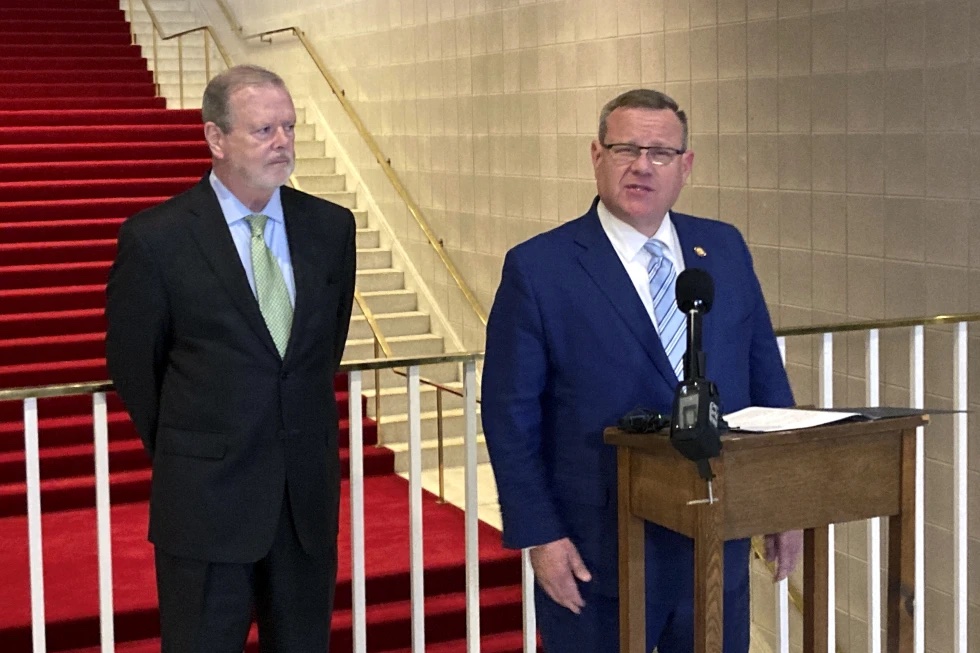
“Today, the best budget in decades becomes law, delivering historic raises for teachers and law enforcement, as well as tax relief for the working men and women of our state,” House Speaker Rep. Destin Hall said. “There is something in this budget for every North Carolinian, and the meaningful investments we’ve made will deliver real results that strengthen our communities, put more money back in people’s pockets, and improve lives across our state.”
Read the full version of the approved North Carolina budget, Senate Bill 257, on the legislature’s website.
Featured image via AP Photo/Gary D. Robertson.
Chapelboro.com does not charge subscription fees, and you can directly support our efforts in local journalism here. Want more of what you see on Chapelboro? Let us bring free local news and community information to you by signing up for our newsletter.